
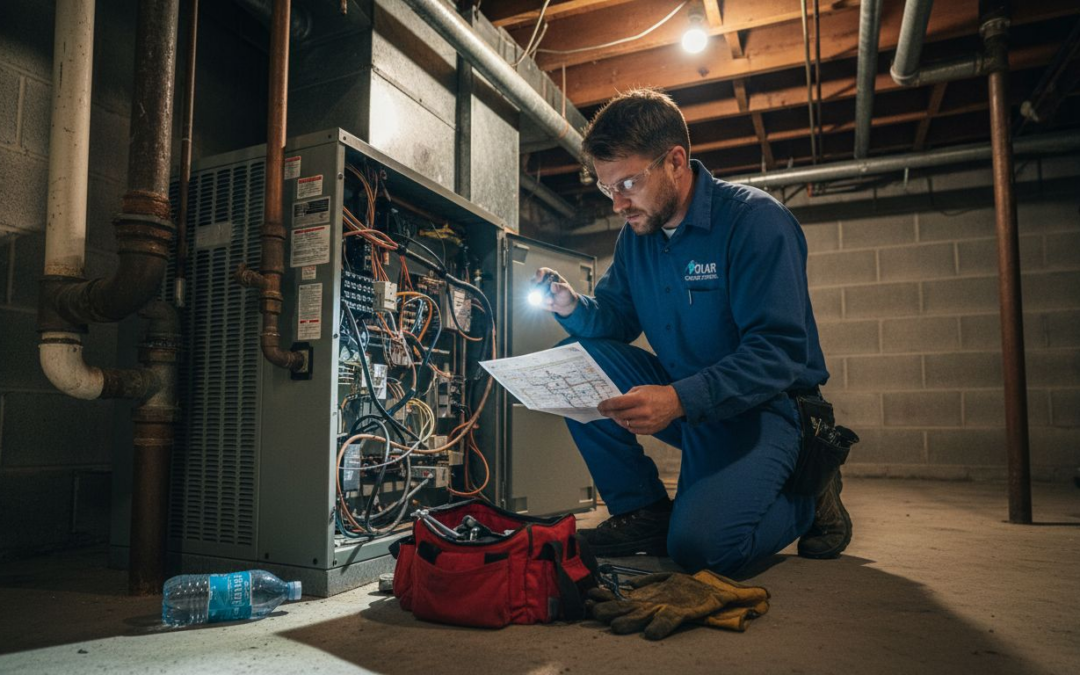
Sudden HVAC breakdowns can turn a comfortable American home or business into a crisis zone in minutes. Extreme heat or cold brings real risks, and a single system failure can threaten health and safety for everyone inside. Nearly one in four American households faces an HVAC emergency each year. Learning what separates a routine check from a real emergency helps you act quickly and protect your property when it matters most.
Table of Contents
- Defining Emergency HVAC Service Needs
- Common Types of Emergency HVAC Situations
- How Emergency HVAC Services Operate
- Responding to HVAC Breakdowns and Safety Risks
- Cost Factors and Choosing the Right Provider
Key Insights for Emergency HVAC Services
| Point | Details |
|---|---|
| Emergency HVAC services | Provide immediate response for critical situations like complete system failures and safety hazards. |
| Recognizing emergencies | Key indicators include burning odors, unusual noises, and system shutdowns during extreme temperatures. |
| Emergency readiness | Keep emergency contact information accessible and maintain awareness of HVAC system warning signs. |
| Provider selection | Evaluate technicians based on certifications, response time, and transparent pricing to ensure reliable service during crises. |
Defining Emergency HVAC Service Needs
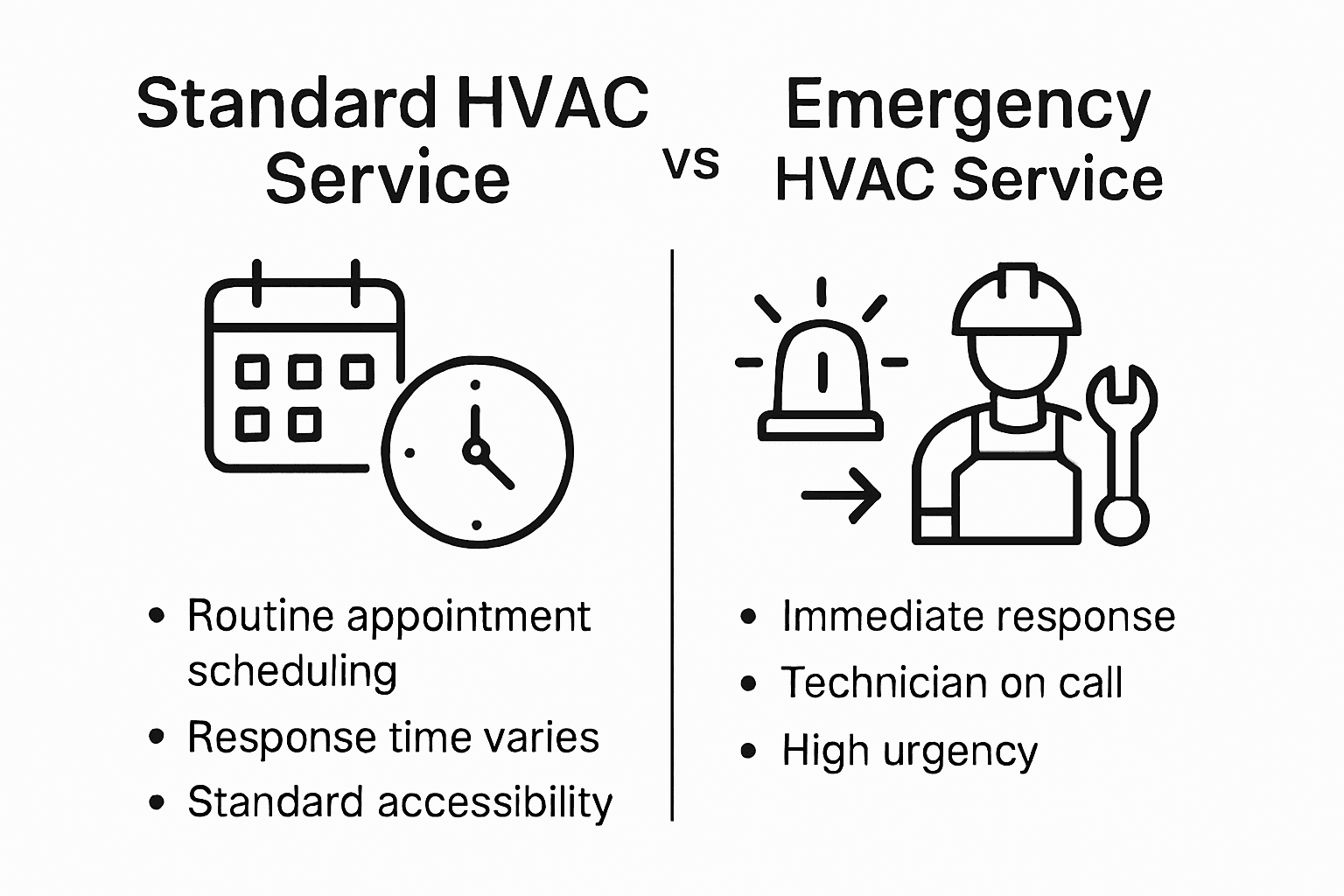
Emergency HVAC service represents a critical intervention when heating, cooling, or ventilation systems suddenly malfunction, potentially creating unsafe or uncomfortable living conditions. These urgent situations demand immediate professional attention to prevent escalating damage, restore comfort, and protect your property’s infrastructure. Unlike standard maintenance calls, emergency services address time-sensitive issues that cannot wait for a standard appointment schedule.
Typical emergency HVAC scenarios include complete system failures during extreme temperatures, gas leaks, electrical complications, unusual burning smells, strange loud noises, or sudden complete shutdowns that compromise indoor safety and comfort. Homeowners and business operators must recognize these critical warning signs that distinguish routine maintenance from urgent repair needs. Understanding how professionals handle HVAC repairs becomes essential in navigating these high-stress situations effectively.
Recognizing an authentic HVAC emergency requires understanding potential risks and system behaviors. Key indicators include electrical burning odors, visible smoke from units, strange loud grinding or banging sounds, complete system failure during temperature extremes, or any situation involving potential gas leaks. These scenarios demand immediate professional intervention to prevent potential property damage, health hazards, or complete system breakdown. Modern HVAC systems are complex technological investments that require specialized diagnostic skills during critical moments.
Pro Tip: Emergency Preparedness: Keep your HVAC service provider’s emergency contact number readily accessible, and maintain a basic understanding of your system’s warning signs to enable swift, informed decision-making during unexpected mechanical failures.
Here’s a summary comparing standard and emergency HVAC services:
| Aspect | Standard HVAC Service | Emergency HVAC Service |
|---|---|---|
| Availability | Scheduled, business hours | 24/7, immediate response |
| Response Time | Next available appointment | Within minutes or hours |
| Typical Situations | Routine maintenance, tune-ups | Total failure, safety hazards |
| Technician Focus | Preventive care, adjustments | Crisis repair, urgent diagnosis |
| Cost Structure | Standard rates | Premium or after-hours fees |
Common Types of Emergency HVAC Situations
Emergency HVAC situations encompass a wide range of critical system failures that demand immediate professional intervention. These scenarios can potentially compromise residential and commercial comfort, safety, and property integrity. The most urgent situations typically involve complete system breakdowns, electrical complications, potential health hazards, and extreme temperature-related emergencies that require swift resolution.
Some of the most common emergency HVAC situations include sudden complete system failures during peak summer or winter temperatures, which can create dangerous living conditions for vulnerable populations like elderly residents or young children. Other critical scenarios involve potential gas leaks, which present immediate safety risks, electrical malfunctions that could trigger fire hazards, and unexpected refrigerant leaks that compromise cooling system performance. Professionals recommend understanding essential maintenance steps to help minimize the likelihood of these emergency scenarios.
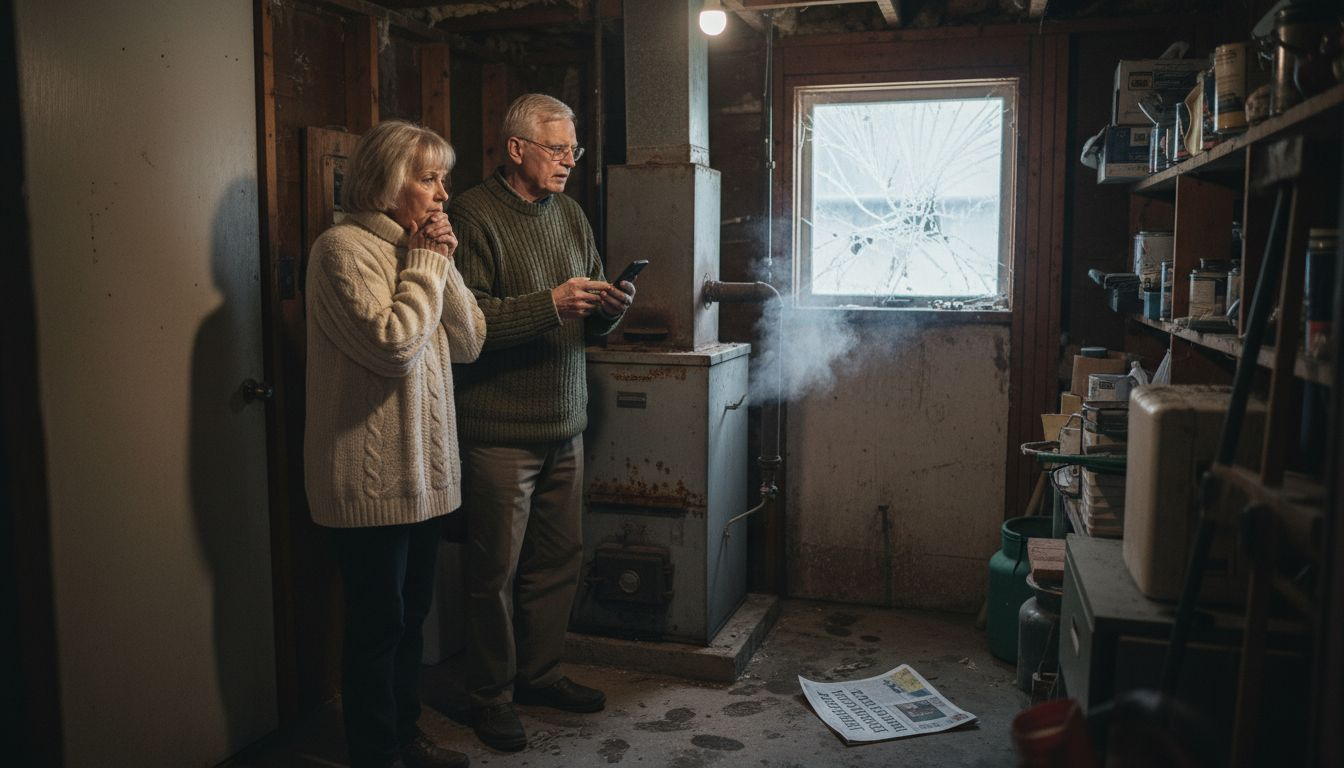
Critical warning signs that indicate an urgent HVAC situation include persistent unusual noises like grinding or banging, electrical burning odors, visible smoke from units, complete system shutdown during temperature extremes, water leakage around HVAC equipment, and any indicators of potential gas or refrigerant leaks. These symptoms suggest potential system failures that could lead to significant property damage or safety risks if not addressed immediately. Professional HVAC technicians are trained to diagnose and rapidly resolve these complex and potentially dangerous situations.
Pro Tip: Emergency Readiness: Maintain a comprehensive record of your HVAC system’s model, serial number, and maintenance history to facilitate faster and more effective emergency service responses when critical situations arise.
How Emergency HVAC Services Operate
Emergency HVAC services operate through a strategically designed rapid response system that prioritizes immediate intervention for critical heating, cooling, and ventilation system failures. These specialized services differ significantly from standard maintenance appointments by offering round-the-clock availability, prioritizing urgent situations, and deploying highly trained technicians equipped to handle complex and potentially dangerous system breakdowns.
The operational process typically begins with a dedicated emergency hotline that ensures immediate communication and triage of critical HVAC issues. Trained dispatchers quickly assess the severity of the situation, gathering crucial information about system symptoms, potential safety risks, and immediate environmental conditions. Professional HVAC technicians understand the critical nature of reliable service and are typically dispatched within minutes of receiving an emergency call, bringing specialized diagnostic tools and replacement parts to address most common system failures on the first visit.
Emergency HVAC service protocols involve comprehensive diagnostic procedures that quickly identify the root cause of system failures. Technicians conduct rapid but thorough assessments, using advanced diagnostic equipment to pinpoint electrical issues, refrigerant leaks, mechanical failures, or potential safety hazards. Their approach combines immediate problem resolution with a detailed evaluation to prevent future emergency situations, ensuring not just a temporary fix but a comprehensive solution that restores system functionality and minimizes potential long-term damage.
Pro Tip: Emergency Communication: Always keep a detailed record of your HVAC system’s make, model, and recent maintenance history readily available during emergency service calls to help technicians respond more efficiently and accurately.
Responding to HVAC Breakdowns and Safety Risks
Responding to HVAC breakdowns requires a systematic approach that prioritizes safety, minimizes potential damage, and ensures rapid restoration of critical heating and cooling systems. Homeowners and business operators must understand the immediate steps to take when confronting unexpected system failures, recognizing that quick and informed action can prevent more extensive and costly repairs while protecting occupants from potential environmental risks.
Initial response protocols involve several critical actions. First, immediately shut off the HVAC system if you detect unusual sounds, burning odors, or suspect a potential gas leak. Maintenance agreements provide critical guidance for managing unexpected system challenges and help establish clear emergency response procedures. Ventilate the area, evacuate if necessary, and contact professional HVAC technicians who can conduct a comprehensive safety assessment and diagnose the underlying issues preventing further potential hazards.
Critical safety risks associated with HVAC system breakdowns include electrical malfunctions that could trigger fire hazards, potential carbon monoxide leaks from heating systems, refrigerant exposure, and complete system failures during extreme temperature conditions. Professional technicians are trained to identify and mitigate these risks through advanced diagnostic techniques, specialized safety equipment, and comprehensive repair strategies that address both immediate system restoration and long-term operational integrity.
Pro Tip: Emergency Safety Protocol: Install carbon monoxide detectors near HVAC systems and maintain a clear emergency contact list with local HVAC professionals to enable immediate professional intervention during critical system failures.
Cost Factors and Choosing the Right Provider
Navigating the complex landscape of emergency HVAC services requires a comprehensive understanding of cost factors and provider selection criteria. The total expense of emergency HVAC interventions depends on multiple variables, including the complexity of the system failure, required replacement parts, time of service, and the specific diagnostic challenges presented by the malfunctioning equipment.
Cost considerations extend beyond immediate repair expenses. Reliable AC repair services demonstrate the importance of comprehensive evaluation when selecting an emergency HVAC provider. Homeowners should evaluate potential service providers based on critical factors such as response time, technical expertise, certification credentials, transparent pricing structures, warranty offerings, and proven track records of resolving complex system failures. Advanced providers often offer diagnostic services that can prevent future emergencies, potentially saving significant long-term repair and replacement expenses.
Use this table to quickly reference HVAC emergency cost factors and provider selection tips:
| Cost Factor | Provider Selection Tip |
|---|---|
| Service timing | Confirm after-hours availability |
| Repair complexity | Ensure technician has advanced skills |
| Parts replacement | Ask about part sourcing and inventory |
| Certification | Request proof of licenses and insurance |
| Warranty coverage | Inquire about warranty on repairs |
| Transparent pricing | Get detailed, upfront cost estimates |
Key evaluation metrics for selecting an emergency HVAC service provider include verifiable professional certifications, documented emergency response capabilities, comprehensive insurance coverage, transparent pricing models, and demonstrated expertise across multiple HVAC system types. Experienced providers typically offer detailed diagnostic assessments that identify not just immediate issues but potential underlying system vulnerabilities. This approach helps homeowners make informed decisions about repairs, replacements, and preventative maintenance strategies that can mitigate future emergency risks and control overall system lifecycle costs.
Pro Tip: Provider Vetting: Request and verify professional certifications, check online customer reviews, and ask for detailed cost breakdowns before committing to emergency HVAC services to ensure transparent and reliable professional support.
Fast Emergency HVAC Support From Greenville’s Trusted Experts
Emergency HVAC breakdowns can be overwhelming when your heating or cooling system fails at the worst possible moment. The article highlights how urgent repairs for system failures, gas leaks, or electrical problems require rapid, professional intervention to protect your home and loved ones. If you are facing these critical issues, immediate access to skilled HVAC technicians who respond quickly and accurately is essential to restoring safety and comfort.
At MD Heating & Air Conditioning, we understand the importance of emergency HVAC service and specialize in resolving sudden heating and cooling crises throughout Greenville, SC. Our highly trained team works 24/7 to diagnose and fix complex problems with expert care. To minimize stress during system failures, explore our Heating Services & Maintenance Tips for proactive guidance and trust us to provide reliable solutions when emergencies strike.

Don’t wait until discomfort or danger escalates. Contact MD Heating & Air Conditioning now through https://mdheatair.com to access expert emergency support with transparent pricing and fast response times. Protect your home and family with immediate professional HVAC care that puts your safety first.
Frequently Asked Questions
What qualifies as an emergency HVAC situation?
Emergency HVAC situations include complete system failures during extreme temperatures, gas leaks, electrical malfunctions, unusual burning odors, loud noises, and sudden shutdowns that threaten indoor safety and comfort.
How can I identify if my HVAC issue is an emergency?
Look for critical warning signs such as strange noises, burning smells, visible smoke, and complete system failures. If these issues arise, immediate professional intervention is necessary to prevent damage or health hazards.
What steps should I take when my HVAC system fails?
First, turn off the HVAC system if you detect unusual sounds or smells. Ventilate the area, evacuate if necessary, and promptly contact a professional HVAC technician for a thorough assessment and repair.
How quickly can I expect emergency HVAC services to respond?
Emergency HVAC services typically respond within minutes to hours, regardless of the time of day, ensuring that urgent heating and cooling issues are addressed swiftly to protect occupant safety and comfort.