
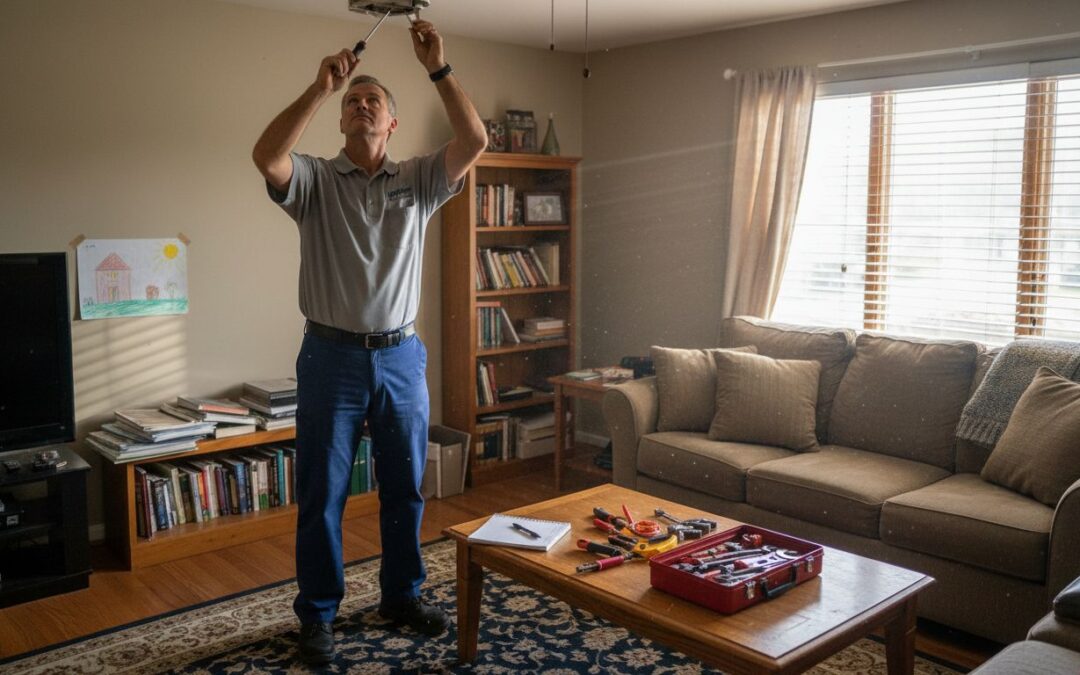
Over 90 percent of American homes rely on some form of HVAC system for comfort throughout the year. These systems quietly shape daily life by keeping temperatures steady and air quality healthy. Yet even experienced homeowners hold surprising misconceptions that can drive up costs and energy use. By clearing up common myths and breaking down the essential functions, you can make informed decisions that keep your American home comfortable and efficient.
Table of Contents
- HVAC Explained: Core Functions And Misconceptions
- Primary HVAC System Types And Technologies
- How HVAC Systems Manage Indoor Air Quality
- Installation, Maintenance, And Energy Efficiency
- Common HVAC Mistakes And Costly Risks
Key Takeaways
| Point | Details |
|---|---|
| Core Functions of HVAC | HVAC systems regulate temperature, humidity, and air quality, acting as comprehensive environmental managers. |
| Common Misconceptions | Extreme thermostat settings do not improve heating or cooling speed; HVAC systems are most efficient at consistent temperatures. |
| Importance of Maintenance | Regular professional maintenance is crucial for optimal performance and energy efficiency, helping to prevent costly repairs. |
| Advancements in Technology | Modern HVAC technologies, such as Variable Refrigerant Flow systems, provide enhanced control and efficiency for customized climate management. |
HVAC Explained: Core Functions and Misconceptions
HVAC systems represent the technological heartbeat of modern indoor comfort, designed to create controlled environments that adapt to our changing needs. Regulating temperature, humidity, and air quality, these sophisticated systems do far more than simply push hot or cold air through vents.
At its core, an HVAC system functions like a complex environmental manager, working across three primary domains: heating, ventilation, and air conditioning. The heating component warms spaces during cold months, typically using furnaces or heat pumps that generate and distribute warmth. Ventilation ensures constant air circulation and filtration, removing stale air and introducing fresh oxygen. The air conditioning segment cools indoor spaces, extracting heat and humidity to maintain comfortable temperatures.
Interestingly, many homeowners harbor misconceptions about HVAC functionality. One prevalent myth suggests that setting thermostats to extreme temperatures will heat or cool a space faster – which is fundamentally incorrect. Modern HVAC systems operate most efficiently at steady, consistent settings, and dramatic temperature adjustments often lead to increased energy consumption without achieving desired results more quickly.
Understanding these systems requires recognizing their intricate design. Effective HVAC performance depends on multiple interconnected components: compressors, condensers, evaporators, and sophisticated electronic controls that work in precise harmony. By maintaining these systems through regular professional maintenance agreements, homeowners can ensure optimal performance, energy efficiency, and long-term comfort.
Primary HVAC System Types and Technologies
HVAC technology has evolved significantly, offering multiple system configurations to meet diverse residential and commercial needs. HVAC systems are categorically divided into central and local systems, each designed to address specific environmental control requirements with unique operational characteristics.
Central systems include comprehensive configurations like all-air, air-water, and all-water setups, which typically serve larger spaces through centralized equipment. These systems distribute temperature-controlled air or water through extensive ductwork, providing uniform climate management across entire buildings. In contrast, local systems such as split systems and packaged units offer more targeted, zone-specific temperature control, making them ideal for smaller spaces or areas with distinct thermal needs.
Variable Refrigerant Flow (VRF) systems represent a technological breakthrough in HVAC design, enabling precise individual unit control and remarkable energy efficiency. These advanced systems can simultaneously heat one zone while cooling another by dynamically adjusting refrigerant flow, representing a significant leap in climate management technology. By allowing independent temperature settings for different areas, VRF systems provide unprecedented flexibility and comfort.
Homeowners and commercial property managers now have access to an impressive array of heating installation options that cater to specific requirements. From traditional central air systems to modern ductless mini-splits and cutting-edge VRF technologies, the current HVAC landscape offers solutions that balance performance, energy efficiency, and personalized comfort like never before.
How HVAC Systems Manage Indoor Air Quality
Indoor air quality represents a critical component of home comfort and health, with modern HVAC systems doing far more than simply regulating temperature. Dedicated Outdoor Air Systems (DOAS) have emerged as a sophisticated approach to enhancing air quality, providing specialized ventilation that goes beyond traditional climate control methods.

These advanced systems work by introducing and conditioning fresh outdoor air separately from the primary heating and cooling infrastructure. By managing humidity levels, filtering particulates, and ensuring consistent air exchange, DOAS technologies create healthier indoor environments. Filtration mechanisms trap dust, pollen, allergens, and microscopic contaminants, preventing them from circulating through living spaces and improving overall respiratory health.
Building Automation Systems (BAS) represent another technological breakthrough in air quality management, enabling precise monitoring and real-time adjustments of ventilation rates. These intelligent systems can detect changes in air composition, automatically modifying airflow, humidity, and filtration to maintain optimal environmental conditions. By integrating sensors and advanced control algorithms, BAS technologies ensure that indoor spaces remain consistently clean, comfortable, and free from potentially harmful pollutants.
Homeowners seeking comprehensive air quality solutions can explore innovative indoor air quality strategies that complement their existing HVAC systems. From advanced HEPA filtration to UV air purification technologies, modern solutions offer unprecedented control over the air we breathe, transforming HVAC systems from simple temperature regulators into comprehensive environmental management platforms.
Installation, Maintenance, and Energy Efficiency
HVAC system performance begins with meticulous planning and expert installation. Proper HVAC design requires careful selection of equipment and system configurations tailored to specific building requirements, ensuring optimal functionality from the very first moment of implementation.
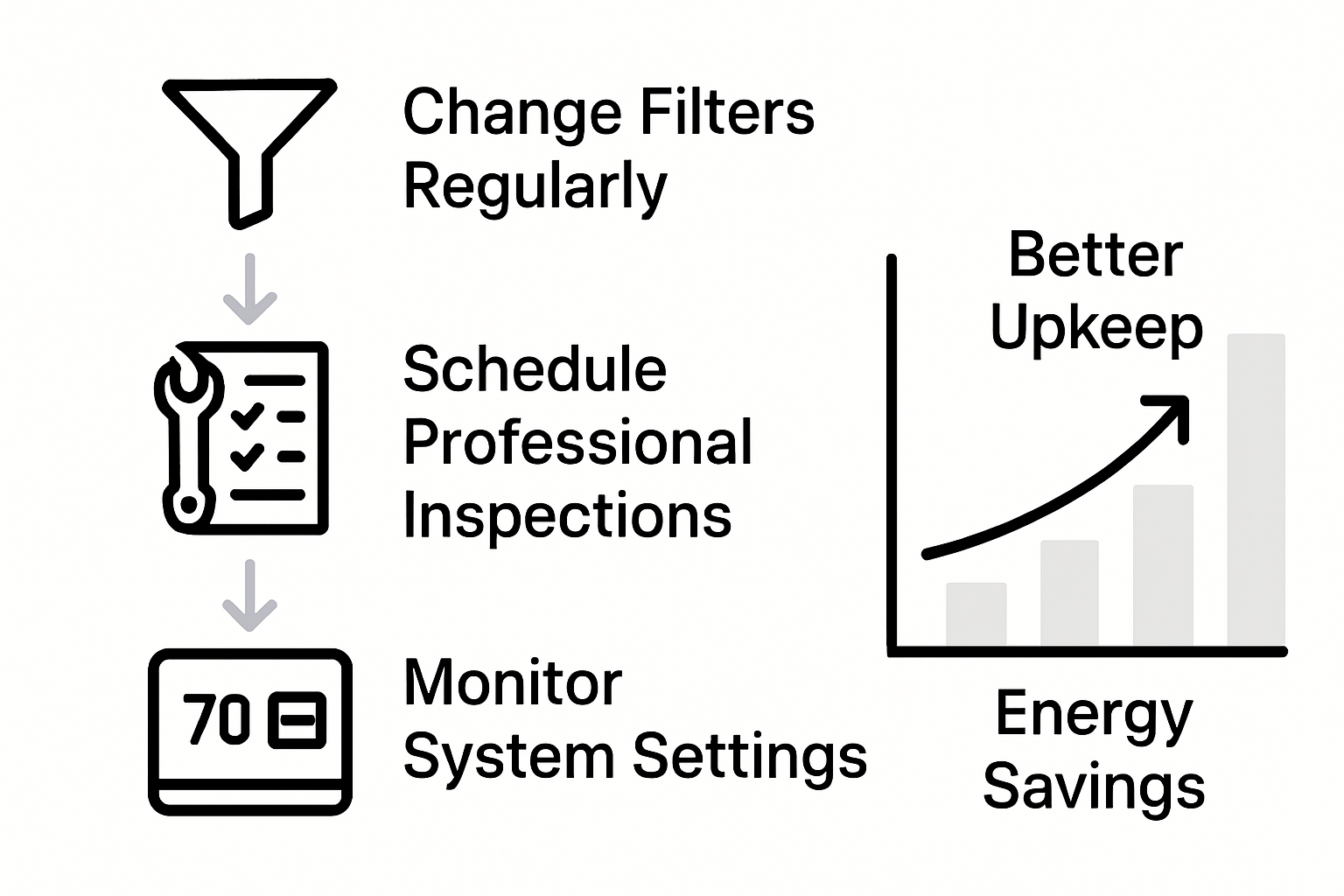
System maintenance plays a crucial role in preserving long-term performance and energy efficiency. Regular inspections, filter replacements, and professional tune-ups prevent potential breakdowns and maintain peak operational capacity. Homeowners should prioritize annual professional maintenance checks, which can identify potential issues before they escalate into costly repairs and significantly extend the system’s operational lifespan.
Advanced control technologies, including interconnected neural networks, are revolutionizing HVAC performance optimization, enabling unprecedented levels of energy management. These intelligent systems can dynamically adjust heating and cooling parameters, learn usage patterns, and make real-time efficiency adjustments that can dramatically reduce energy consumption. By continuously analyzing environmental conditions and system performance, these technologies represent the cutting edge of energy-efficient climate control.
Homeowners can take practical steps toward improved efficiency by following comprehensive maintenance guidelines, which include regular filter changes, sealing ductwork, maintaining consistent temperatures, and investing in programmable thermostats. These strategies not only reduce energy costs but also contribute to a more sustainable and environmentally responsible approach to home climate management.
Common HVAC Mistakes and Costly Risks
Homeowner mistakes can transform a reliable HVAC system into a financial drain and performance nightmare. Common misunderstandings about thermostat settings can lead to significant energy consumption and unnecessary system wear, with many people believing that dramatically adjusting temperatures will quickly heat or cool their space.
One of the most prevalent risks involves neglecting routine maintenance, which can transform minor issues into expensive repairs. Homeowners often postpone professional inspections, allowing small problems like dust accumulation, refrigerant leaks, or worn electrical connections to escalate into major system failures. These oversights not only compromise system efficiency but can also void manufacturer warranties and lead to premature equipment replacement.
Decentralized temperature control strategies offer a sophisticated approach to preventing system inefficiencies, addressing the complex challenge of maintaining consistent comfort across different zones. By implementing intelligent zoning techniques and advanced sensor technologies, homeowners can avoid uneven heating and cooling that typically results from traditional one-size-fits-all climate management approaches. This targeted method helps prevent energy waste and reduces the strain on HVAC equipment.
To mitigate these risks, homeowners can follow comprehensive HVAC repair and maintenance guidelines, which emphasize proactive monitoring, regular professional inspections, and understanding the nuanced requirements of their specific heating and cooling systems. Recognizing warning signs early, such as unusual noises, inconsistent temperatures, or unexplained increases in energy bills, can help prevent catastrophic system failures and protect both home comfort and financial investment.
Enhance Your Home Comfort with Expert HVAC Solutions
Understanding how HVAC systems control temperature, air quality, and humidity is essential for lasting home comfort. If the detailed functions and common misconceptions about HVAC in this article have raised questions or concerns, it is time to take action. Whether you need precise heating installation, reliable maintenance, or improvements in indoor air quality, our team at MD Heating & Air is ready to help you enjoy a healthier and more energy-efficient environment.

Don’t wait until inefficiencies or costly repairs disrupt your comfort. Explore our Heating Services & Maintenance Tips to learn practical ways to keep your system running smoothly. Visit MD Heating & Air now and request a free estimate or schedule a professional consultation. Experience the difference that knowledgeable local expertise makes for your Greenville home today.
Frequently Asked Questions
What are the primary functions of an HVAC system?
An HVAC system is designed to regulate heating, ventilation, and air conditioning within a building. Its core functions involve warming spaces during cold months, ensuring proper air circulation and filtration, and cooling indoor areas to maintain comfortable temperatures.
How do I improve the energy efficiency of my HVAC system?
To improve energy efficiency, maintain regular professional inspections, change filters frequently, seal ductwork, keep consistent thermostat settings, and consider using programmable thermostats for better control of heating and cooling schedules.
What is the significance of indoor air quality in HVAC systems?
Indoor air quality is crucial for comfort and health. HVAC systems play a significant role by filtering pollutants, managing humidity, and ensuring consistent air exchange, which can prevent respiratory issues and promote a healthier living environment.
What are some common HVAC maintenance mistakes homeowners make?
Common mistakes include neglecting routine maintenance, ignoring unusual sounds or changes in airflow, postponing professional inspections, and dramatically adjusting thermostat settings to control temperatures faster, which can lead to increased energy use and wear on the system.