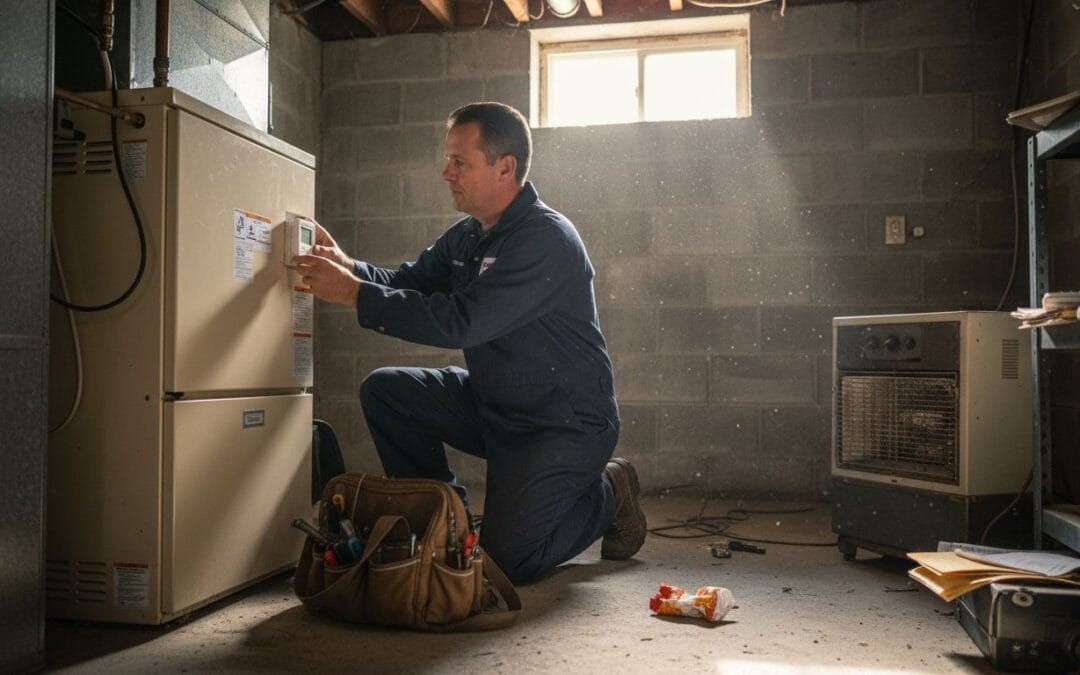
Over 300000 American technicians keep homes and businesses comfortable by designing, installing, and repairing modern climate control systems. With every season, reliable heating and cooling become more than just a convenience. Expert HVAC professionals help maintain safe, healthy indoor air quality, reduce utility bills, and protect long term investments in property. Understanding the true value of certified specialists helps you make informed decisions and avoid costly mistakes in managing your indoor environment.
Key Takeaways: Why Hire Certified HVAC Professionals
- Defining HVAC Professionals And Their Role
- Essential Certifications And Licensing Explained
- Key Benefits Of Expert HVAC Installation And Repair
- Risks And Liabilities Of DIY HVAC Solutions
- Cost Savings Versus DIY And Unqualified Work
Key Takeaways
| Point | Details |
|---|---|
| HVAC Professionals are Essential | They install, maintain, and repair climate control systems crucial for indoor comfort and air quality. |
| Certifications Ensure Competence | Certifications like EPA 608 and state licenses validate a technician’s abilities and adherence to safety standards. |
| Professional Work Saves Costs | Investing in qualified HVAC services can reduce energy consumption and extend equipment lifespan, preventing costly repairs. |
| DIY Can Lead to Risks | Attempting DIY HVAC repairs poses safety hazards, potential legal issues, and financial burdens that surpass initial savings. |
Defining HVAC Professionals and Their Role
HVAC professionals are specialized technicians who play a critical role in maintaining comfortable and safe indoor environments. According to the Bureau of Labor Statistics, these experts install, maintain, and repair heating, air conditioning, and refrigeration systems across residential, commercial, and industrial sectors.
These skilled professionals undergo extensive training to understand the complex mechanics of climate control systems. Their expertise encompasses multiple critical areas, including:
- System Installation: Precisely setting up heating and cooling equipment
- Diagnostic Assessment: Identifying potential mechanical issues
- Repair Services: Resolving technical problems efficiently
- Maintenance Planning: Implementing preventative strategies to extend system lifespan
Beyond technical skills, HVAC professionals also serve as indoor environmental health specialists. Professionals from industry associations recognize that their work directly impacts air quality, temperature regulation, and overall occupant comfort. They must stay current with evolving technological standards, energy efficiency regulations, and advanced system designs to provide optimal solutions for diverse environments.
Successful HVAC technicians blend technical knowledge with problem solving abilities, customer service skills, and a commitment to safety. Their work requires precise understanding of mechanical systems, electrical components, and environmental control principles, making them essential professionals in modern infrastructure management.
Essential Certifications and Licensing Explained
Professional HVAC technicians must navigate a complex landscape of certifications and licensing requirements that validate their expertise and ensure public safety. According to HVAC industry sources, technicians often pursue critical certifications like the EPA 608 Universal Certification, which is mandatory for handling refrigerants and demonstrates advanced technical competence.
The certification process involves multiple crucial elements that professionals must master:
- EPA 608 Certification: Required for handling refrigerant substances
- State-Specific Licensing: Varies by geographic location and jurisdiction
- Technical Examinations: Comprehensive tests validating technical knowledge
- Continuing Education: Ongoing training to stay current with technological advances
State licensing requirements differ significantly across the United States, with some regions mandating specific contractor and technician licenses. These requirements typically involve rigorous examinations, proof of practical experience, and demonstrated understanding of complex technical and safety standards.
Successful certification requires technicians to invest considerable time and resources into developing comprehensive skills. Beyond technical knowledge, these professionals must demonstrate proficiency in system diagnostics, safety protocols, energy efficiency standards, and customer service capabilities. The multifaceted nature of HVAC certifications ensures that only highly qualified professionals can design, install, maintain, and repair critical climate control systems that impact residential and commercial environments.
Key Benefits of Expert HVAC Installation and Repair
Professional HVAC services deliver critical advantages that go far beyond simple equipment maintenance. By ensuring precise installation and expert repair, these professionals optimize system performance, reduce energy consumption, and significantly extend the lifespan of complex heating and cooling equipment.
The key benefits of expert HVAC installation and repair include:
- Energy Efficiency: Professionally installed systems operate at peak performance
- Cost Savings: Prevent expensive breakdowns through expert maintenance
- Indoor Air Quality: Ensure clean, properly circulated air throughout living spaces
- System Longevity: Reduce wear and tear through skilled technical intervention
According to the Bureau of Labor Statistics, professional technicians play a crucial role in maintaining consistent comfort levels across residential and commercial environments. Their expertise allows them to diagnose subtle issues before they become major problems, implementing precise calibrations and repairs that amateur interventions might miss.
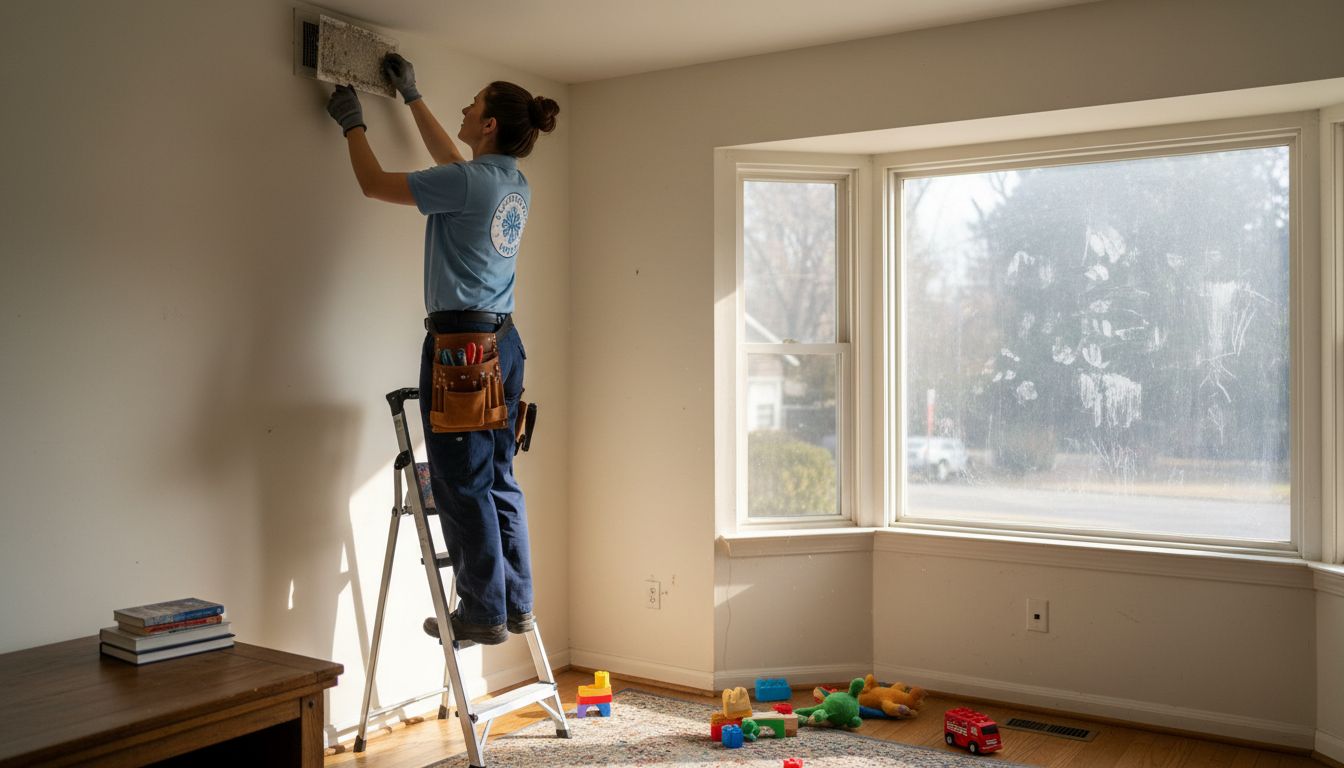
Beyond technical skills, expert HVAC professionals bring comprehensive understanding of complex system dynamics. They analyze environmental factors, understand specific building requirements, and design customized solutions that maximize comfort while minimizing energy consumption. This holistic approach ensures that HVAC systems not only function, but perform optimally, providing reliable temperature control and creating healthier indoor environments for homeowners and businesses alike.
Risks and Liabilities of DIY HVAC Solutions
DIY HVAC work presents significant risks that extend far beyond simple mechanical challenges. Homeowners who attempt to repair or install complex heating and cooling systems without professional training expose themselves to potential safety hazards, legal complications, and substantial financial consequences.
The primary risks associated with DIY HVAC solutions include:
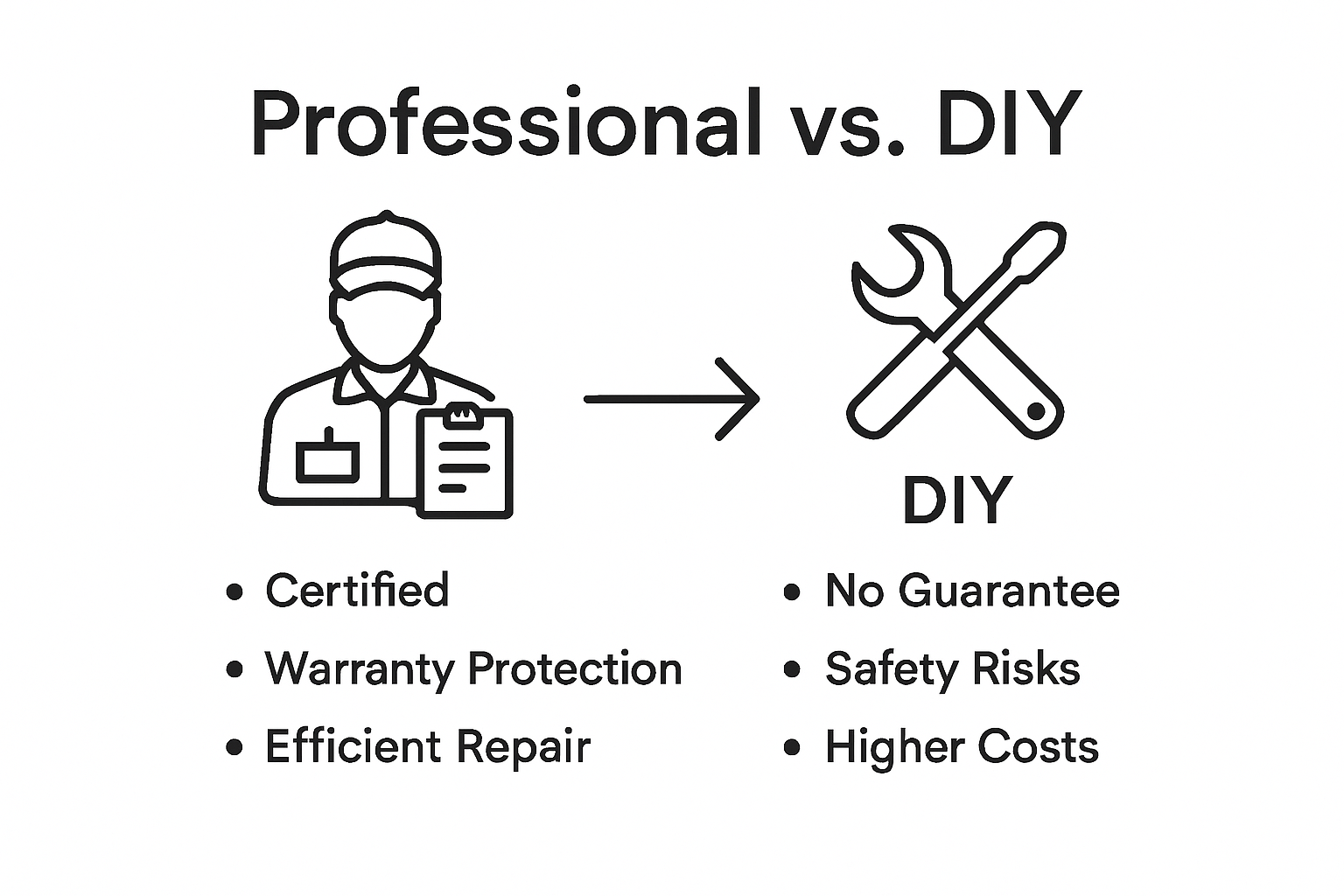
- Safety Hazards: Potential electrical and mechanical dangers
- Code Violations: Potential breaches of local building regulations
- Financial Loss: Expensive system damage from improper installation
- Warranty Invalidation: Potential loss of manufacturer protections
Unlicensed HVAC interventions can create complex problems that dramatically exceed initial cost-saving expectations. Professional technicians understand intricate system requirements, electrical connections, refrigerant handling, and precise calibration techniques that amateur attempts frequently overlook. Incorrect installations might seem functional initially but can lead to progressive system degradation, reduced efficiency, and unexpected system failures.
Beyond immediate technical concerns, DIY HVAC solutions carry significant legal and financial risks. Improper installations can void manufacturer warranties, create potential liability issues if system failures cause property damage, and potentially violate local building codes. Professional HVAC technicians carry specialized insurance, possess comprehensive technical knowledge, and understand regulatory requirements that protect homeowners from potential legal and financial complications associated with amateur repair attempts.
Cost Savings Versus DIY and Unqualified Work
DIY HVAC projects often appear financially attractive at first glance, but they frequently result in substantially higher expenses over time. Homeowners who attempt to cut costs by performing their own repairs or hiring unqualified technicians typically encounter unexpected financial burdens that far exceed potential initial savings.
The true cost comparison between professional and amateur HVAC work reveals several critical financial considerations:
- Immediate Repair Costs: Professional interventions prevent expensive system failures
- Energy Efficiency: Correctly installed systems consume less power
- Long-Term Reliability: Reduced frequency of major repairs
- Equipment Longevity: Proper maintenance extends system lifespan
According to the Bureau of Labor Statistics, investing in qualified HVAC professionals represents a strategic financial decision. Trained technicians optimize system performance, implement precise calibrations, and ensure maximum operational efficiency, which translates into measurable energy savings and reduced long-term maintenance expenses.
Professional HVAC services provide comprehensive financial protection beyond simple repairs. By identifying potential issues before they escalate, implementing preventative maintenance strategies, and ensuring precise system configurations, qualified technicians help homeowners avoid costly emergency interventions. The upfront investment in professional expertise ultimately delivers substantial economic benefits through improved system performance, lower energy consumption, and extended equipment lifespan.
Experience Trusted HVAC Solutions with MD Heating & Air
Facing challenges with complex heating and cooling systems requires more than just enthusiasm it demands expert knowledge and professional precision. This article highlights how relying on certified HVAC professionals prevents costly mistakes, ensures safety, and guarantees optimal system performance tailored to your space. Whether you need precise system installation, routine maintenance, or urgent repairs achieving reliable results involves deep technical expertise and up-to-date certifications.
At MD Heating & Air, we understand the importance of this trust which is why our skilled technicians deliver expert Heating Services & Maintenance Tips alongside comprehensive solutions designed for Greenville and surrounding areas. We are committed to improving your indoor air quality, energy efficiency, and overall comfort with every service call.
Take control of your home’s climate today by choosing experienced professionals who prioritize your safety and system longevity. Visit MD Heating & Air for a free estimate and personalized advice. Let us help you avoid the risks of DIY and unqualified repairs by providing dependable service you can count on.
Frequently Asked Questions
What are the main services provided by HVAC professionals?
HVAC professionals offer a range of services including the installation, maintenance, and repair of heating, ventilation, air conditioning, and refrigeration systems. They also perform diagnostic assessments to identify mechanical issues and implement preventative strategies to extend system lifespan.
Why is it important to hire a certified HVAC technician?
Hiring a certified HVAC technician ensures that the technician has met industry standards and possesses the necessary knowledge for safe and effective HVAC system management. Certifications also indicate a commitment to ongoing education and staying current with technology and regulations.
What are the risks of attempting DIY HVAC repairs?
DIY HVAC repairs can lead to safety hazards, potential code violations, financial loss due to improper installation, and may even invalidate manufacturer warranties. Professional technicians have the training to handle complex systems safely and effectively.
How can professional HVAC services save me money in the long run?
Professional HVAC services optimize system performance and energy efficiency, preventing expensive breakdowns and reducing overall energy costs. They also implement maintenance strategies that extend the life of your equipment, ultimately saving you money on repairs and replacements.