Nearly every American breathes indoor air laced with invisible pollutants, yet most never realize the health risks hiding inside their homes. Indoor air quality plays a critical role in well-being, with poor conditions linked to increased allergies and long-term illnesses. Understanding how testing works empowers families to spot hidden dangers, protect their health, and make smart choices for safer living environments.
Your Guide to Indoor Air Quality Testing: Sources, Risks & Benefits
- Indoor Air Quality Testing Explained
- Common Sources of Indoor Air Pollution
- Health Risks Linked to Poor Air Quality
- How Indoor Air Quality Testing Works
- Benefits for Greenville Homes and Businesses
Key Takeaways
| Point | Details |
|---|---|
| Indoor Air Quality Testing | Regular testing helps identify hidden pollutants that can affect health and comfort in homes. |
| Common Pollutants | Sources include household chemicals, mold, and particulate matter, which can lead to various health issues. |
| Health Risks | Poor indoor air quality is linked to respiratory diseases, allergies, and long-term health complications. |
| Importance of Professional Testing | Professional assessments offer detailed insights and targeted recommendations for improving air quality. |
Indoor Air Quality Testing Explained
Understanding indoor air quality testing involves recognizing the complex interactions between environmental factors, pollutants, and human health. These specialized assessments help homeowners identify potential risks lurking in their living spaces that might otherwise go unnoticed. By measuring various airborne contaminants, professionals can provide detailed insights into the invisible world of air composition.
Most indoor air quality tests analyze multiple critical parameters, including:
- Particulate matter concentration
- Volatile organic compound (VOC) levels
- Humidity and temperature variations
- Presence of mold spores
- Carbon monoxide and carbon dioxide levels
- Allergen and dust mite quantities
Home testing typically involves professional-grade equipment that can detect microscopic particles and chemical compounds beyond what standard home testing kits provide. Comprehensive indoor air quality assessments help pinpoint specific issues that might compromise respiratory health or overall comfort. Professionals use sophisticated sensors and sampling techniques to collect precise data, offering homeowners actionable insights into potential environmental challenges.
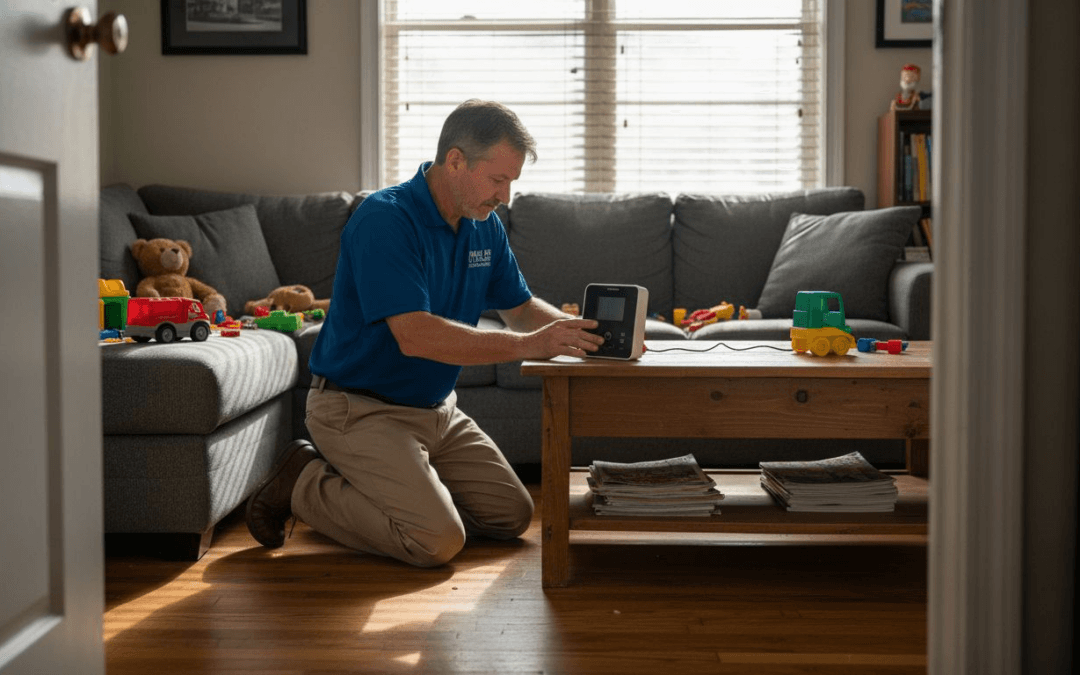
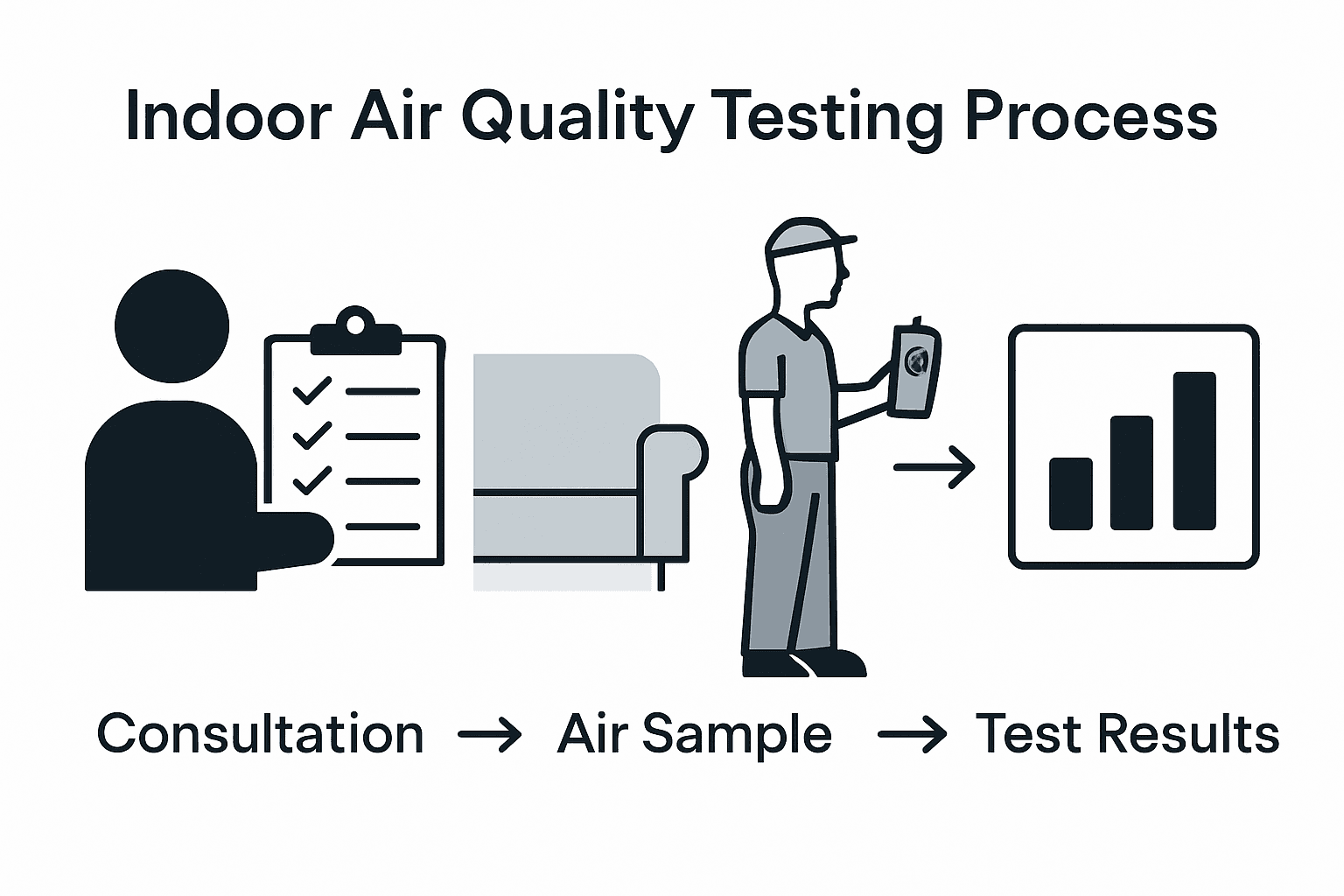
The testing process usually involves multiple stages, including initial consultation, environmental sampling, laboratory analysis, and comprehensive reporting. Trained technicians strategically place monitoring equipment throughout living spaces to capture representative air quality measurements. These detailed evaluations can reveal hidden problems like inadequate ventilation, potential mold growth, or undetected chemical emissions from household materials.
Here is a comparison of common indoor air quality testing methods and their unique advantages:
| Testing Method | Key Strength | Recommended Usage |
|---|---|---|
| Professional Laboratory Analysis | Highest accuracy, detailed results | Comprehensive home assessments |
| DIY Digital Monitors | Real-time tracking, easy operation | Ongoing self-monitoring |
| Home Test Kits | Affordable, quick screening | Spot checks or initial surveys |
| Continuous Smart Sensors | Instant alerts, remote access | Tech-savvy or large properties |
Pro Tip – Air Quality Detective: Schedule professional indoor air quality testing at least once annually, preferably before seasonal changes, to proactively identify and address potential environmental health risks in your living space.
Common Sources of Indoor Air Pollution
Indoor air pollution stems from a complex network of everyday sources that can quietly compromise the health and comfort of residential environments. Common household pollutants emerge from multiple unexpected locations, creating an invisible challenge for homeowners seeking to maintain a healthy living space. These contaminants range from chemical emissions to biological agents that circulate through interior spaces.
Key sources of indoor air pollution include:
- Combustion appliances like gas stoves and fireplaces
- Cleaning and personal care products
- Building materials and furnishings
- Tobacco smoke
- Pet dander and biological contaminants
- Paint, solvents, and adhesive materials
- Electronic devices and office equipment
Household chemicals represent a significant contributor to indoor air quality problems. Detailed research from the World Health Organization highlights how common household items release volatile organic compounds (VOCs) that can cause respiratory irritation and long-term health complications. Products like air fresheners, paint, carpeting, and furniture often emit continuous low-level chemical emissions that accumulate over time, creating potential health risks.

Biological pollutants present another critical concern for indoor environments. Mold, dust mites, pet allergens, and bacterial growth can proliferate in areas with high humidity or poor ventilation. These microorganisms thrive in hidden spaces like air ducts, carpets, and poorly maintained areas, continuously releasing spores and particulate matter that can trigger allergic reactions and respiratory issues.
The table below summarizes the main types of indoor pollutants and their primary health impacts:
| Pollutant Type | Example Sources | Main Health Risks |
|---|---|---|
| Biological agents | Mold, pet dander | Allergies, asthma flare |
| Chemical compounds | Paint, cleaners | Headaches, irritation |
| Particulate matter | Dust, smoke | Respiratory problems |
| Gases | Carbon monoxide, VOCs | Poisoning, fatigue |
Pro Tip – Hidden Pollutant Hunter: Conduct a thorough annual review of your home’s potential pollution sources, focusing on areas with limited airflow, hidden moisture, and aging materials that might silently compromise your indoor air quality.
Health Risks Linked to Poor Air Quality
Indoor air quality directly impacts human health in ways most people never fully comprehend. Comprehensive health research reveals profound connections between air pollution and chronic medical conditions-air-quality-and-health), demonstrating how invisible environmental factors can dramatically affect our well-being. The human body continuously interacts with surrounding air, making every breath a potential gateway for potential health complications.
The most significant health risks associated with poor indoor air quality include:
- Respiratory diseases and chronic lung conditions
- Cardiovascular system complications
- Increased risk of allergic reactions
- Compromised immune system function
- Neurological and cognitive impairments
- Potential long-term cancer risks
- Exacerbation of existing chronic health conditions
Respiratory systems bear the brunt of prolonged exposure to contaminated indoor environments. Microscopic pollutants can penetrate deep into lung tissues, triggering inflammatory responses and potentially causing permanent cellular damage. Individuals with preexisting conditions like asthma, bronchitis, or allergies face exponentially higher risks, with even minor air quality variations potentially triggering severe symptomatic episodes.
Beyond immediate respiratory concerns, poor indoor air quality can create systemic health challenges that develop gradually over time. Persistent exposure to volatile organic compounds, particulate matter, and biological contaminants may contribute to more serious long-term health issues, including potential neurological impacts and increased susceptibility to chronic diseases. Children, elderly individuals, and those with compromised immune systems remain particularly vulnerable to these environmental health risks.
Pro Tip – Breath Guardian: Implement a multi-layered air quality protection strategy by combining regular professional testing, high-quality air filtration systems, and consistent home maintenance to create a comprehensive defense against potential indoor air health threats.
How Indoor Air Quality Testing Works
Indoor air quality testing is a sophisticated diagnostic process that transforms invisible environmental challenges into actionable insights. Professional air quality assessments provide comprehensive strategies for creating healthier living spaces, utilizing advanced technologies to detect and analyze potential contaminants that might compromise residential environments.
The testing procedure typically involves several critical stages:
- Initial comprehensive home consultation
- Strategic placement of precision monitoring equipment
- Collection of air samples from multiple locations
- Laboratory analysis of collected samples
- Detailed reporting of pollutant types and concentration levels
- Recommendations for mitigation and improvement
Professional technicians employ specialized equipment designed to detect microscopic particles, chemical compounds, and biological contaminants with remarkable precision. Sophisticated sensors can identify volatile organic compounds, measure particulate matter concentrations, assess humidity levels, and detect potential microbial growth. These sophisticated instruments go far beyond basic home testing kits, providing scientifically validated data about the complex environmental conditions within residential spaces.
The analysis process involves collecting air samples through carefully calibrated devices that capture airborne particles across different zones of a home. Advanced laboratory techniques then break down these samples, identifying specific pollutant types, their concentrations, and potential health implications. Technicians interpret these results, creating a comprehensive profile of indoor air quality that highlights potential risks and offers targeted recommendations for improving environmental conditions.
Pro Tip – Air Quality Detective: Request a detailed written report with your air quality assessment, ensuring you understand not just the results, but also specific, actionable steps to improve your indoor environment’s health and safety.
Benefits for Greenville Homes and Businesses
Indoor air quality testing provides unique advantages for Greenville residents and local businesses, addressing environmental challenges specific to the region’s climate and urban landscape. Local HVAC services offer comprehensive solutions tailored to Greenville’s unique residential and commercial needs, ensuring comprehensive protection against environmental health risks.
Benefits for residential properties include:
- Enhanced respiratory health protection
- Reduced allergen and pollutant exposure
- Improved overall family wellness
- Prevention of long-term property damage
- Increased home comfort and livability
- Early detection of potential environmental hazards
- Optimization of heating and cooling system performance
Local businesses stand to gain significant advantages from professional indoor air quality assessments. Commercial spaces like offices, healthcare facilities, restaurants, and retail environments can mitigate potential health risks, demonstrate corporate responsibility, and create safer working environments. By proactively monitoring air quality, organizations can reduce employee sick days, improve productivity, and showcase a commitment to workplace wellness that distinguishes them in the competitive Greenville business landscape.
The region’s specific environmental characteristics – including humidity levels, seasonal temperature variations, and urban development – make indoor air quality testing particularly crucial. Greenville’s mix of historic and modern buildings, combined with seasonal agricultural and industrial activities, creates unique challenges that require specialized assessment approaches. Professional testing provides targeted insights that generic solutions cannot match, helping property owners protect their most valuable assets while ensuring optimal health conditions.
Pro Tip – Greenville Air Quality Guardian: Schedule professional indoor air quality testing during seasonal transitions to capture the most comprehensive environmental snapshot and address potential issues before they become significant health or property maintenance concerns.
Take Control of Your Indoor Air Quality Today
Poor indoor air quality threatens your health and comfort through invisible pollutants like mold spores, VOCs, and allergens. This article shows how professional testing reveals hidden dangers and helps protect your family from respiratory and long-term health risks. If you want to breathe easier and improve your home’s environment, addressing these challenges with expert HVAC solutions is essential.
MD Heating & Air offers trusted expertise tailored to Greenville homes and businesses. Their comprehensive services include advanced indoor air quality assessments combined with reliable heating and cooling system maintenance. Discover more about how you can safeguard your home by exploring MD Heating & Air: Heating Services & Maintenance Tips.

Don’t wait for air quality issues to affect your well-being. Visit MD Heating & Air now to schedule a professional indoor air quality test and get actionable insights. Start protecting your family’s health and enhancing your indoor comfort with proven HVAC care designed for Greenville residents.
Frequently Asked Questions
What is indoor air quality testing?
Indoor air quality testing is a process that measures various airborne contaminants within a home, including particulate matter, volatile organic compounds (VOCs), mold spores, and levels of carbon monoxide and carbon dioxide. These assessments help identify potential health risks related to indoor air pollution.
Why is indoor air quality testing important for health?
Testing indoor air quality is crucial for identifying pollutants that can lead to respiratory problems, allergies, and long-term health complications. Poor air quality can exacerbate existing health conditions and impact overall well-being, making it essential to monitor and improve air quality in living spaces.
What are some common sources of indoor air pollution?
Common sources of indoor air pollution include combustion appliances (like gas stoves), cleaning products, building materials, tobacco smoke, pet dander, and mold. These pollutants can compromise indoor air quality and pose health risks if not addressed.
How often should indoor air quality testing be performed?
It is recommended to schedule professional indoor air quality testing at least once a year, particularly before seasonal changes. Regular testing helps proactively identify potential environmental health risks and maintain a safe and comfortable living environment.