Energy-Efficient HVAC Systems for Your Home
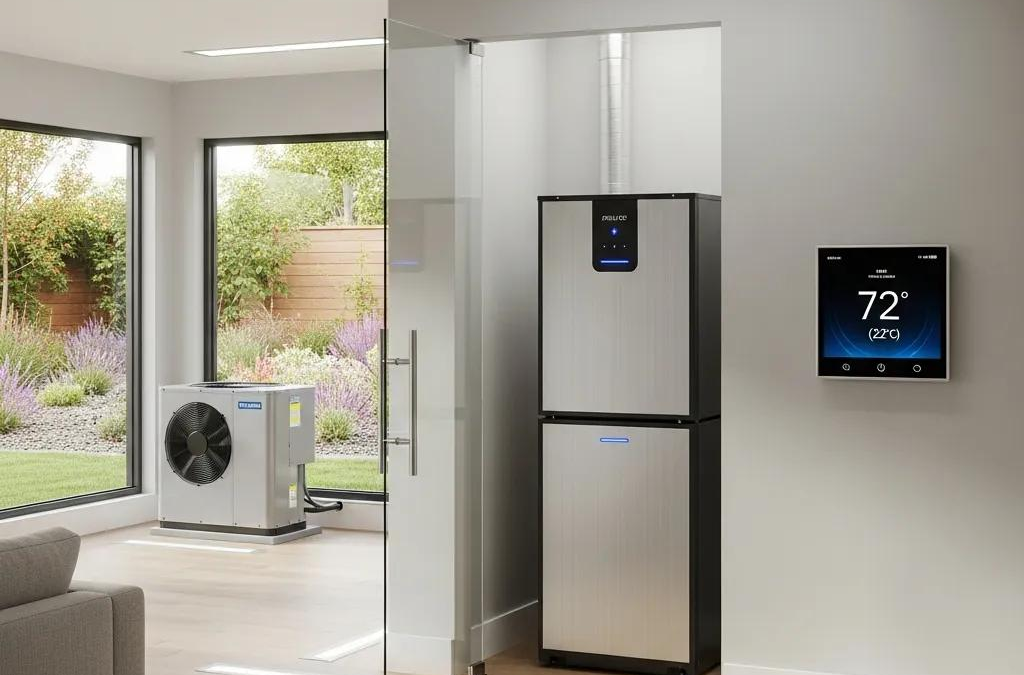
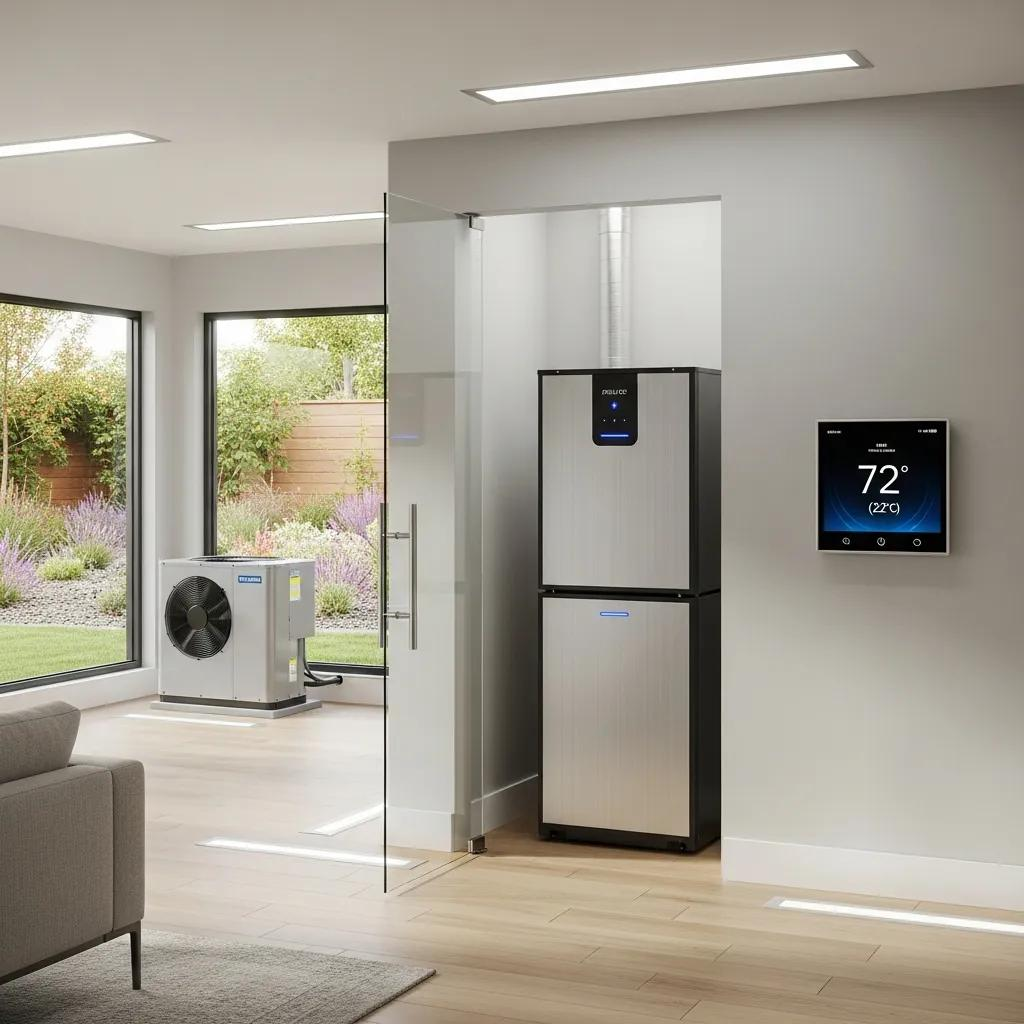
Energy-efficient HVAC systems for your home are designed to provide optimal heating and cooling while minimizing energy consumption. These systems utilize advanced technologies and design principles to enhance comfort and reduce utility bills. Homeowners are increasingly seeking solutions that not only improve indoor air quality but also contribute to environmental sustainability. This article will explore the various types of high-efficiency HVAC units, their benefits, and how they can significantly lower energy costs. We will also discuss maintenance practices to ensure these systems operate at peak efficiency and the role of MD Heat and Air in providing expert HVAC solutions. For a more detailed overview, you can refer to our comprehensive HVAC guide.
What Are High Efficiency HVAC Units and How Do They Work?
High-efficiency HVAC units are advanced heating and cooling systems that operate with greater energy efficiency compared to standard models. They achieve this through improved design, technology, and components that optimize energy use. The primary benefit of these systems is their ability to provide consistent comfort while significantly reducing energy consumption, which translates to lower utility bills for homeowners.
Key Features of High Efficiency Heating and Cooling Systems
High-efficiency HVAC systems come equipped with several key features that enhance their performance:
- Energy Efficiency Ratings: These units often have higher Seasonal Energy Efficiency Ratio (SEER) ratings for air conditioning and Annual Fuel Utilization Efficiency (AFUE) ratings for heating, indicating superior energy performance.
- Advanced Technologies: Many systems incorporate variable-speed motors and smart thermostats, allowing for precise temperature control and reduced energy use.
- Improved Indoor Air Quality: High-efficiency systems often include advanced filtration options that help remove allergens and pollutants from the air, contributing to a healthier living environment.
Energy Star Certification and Its Importance for Residential HVAC Systems
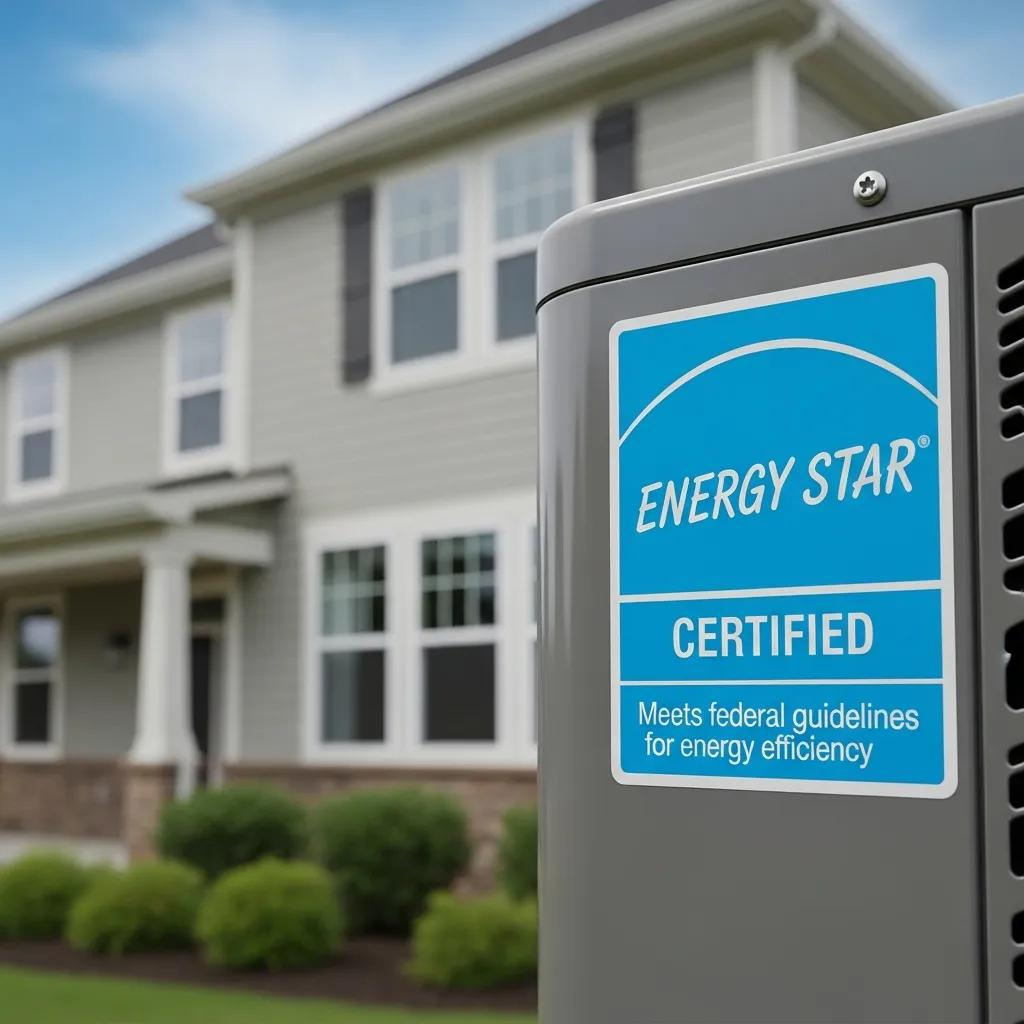
Energy Star certification is a crucial indicator of a product’s energy efficiency. HVAC systems that meet Energy Star criteria are tested and verified to perform at a higher efficiency level than standard models. This certification not only helps homeowners identify energy-efficient options but also often qualifies them for financial incentives, making it a valuable consideration when selecting a new HVAC system for your home.
How Can Energy Saving Heating and Cooling Reduce Your HVAC Energy Costs?
Energy-saving heating and cooling systems can significantly reduce HVAC energy costs through various mechanisms. By upgrading to high-efficiency units, homeowners can experience substantial savings on their energy bills. These systems are designed to operate more effectively, using less energy to achieve the same level of comfort in your home.
- Improved Efficiency Through Upgrades: Replacing older systems with high-efficiency models can lead to energy savings of 20-50%, depending on the age and efficiency of the replaced system. For guidance on selecting the right system, explore our best HVAC installation options.
- Smart Technology Benefits: Integrating smart thermostats allows for better temperature management, reducing energy waste when the home is unoccupied.
- Regular Maintenance Importance: Routine maintenance ensures that HVAC systems operate efficiently, preventing costly repairs and energy waste.
Calculating HVAC Energy Cost Savings for Your Home
To calculate potential energy cost savings from upgrading to a high-efficiency HVAC system for your home, homeowners can follow these steps:
- Determine Current Energy Costs: Review past utility bills to understand current energy consumption.
- Estimate Potential Savings: Use energy savings calculators available online to estimate savings based on the efficiency ratings of new systems.
- Consider Upfront Costs vs. Long-Term Savings: While high-efficiency systems may have higher initial costs, the long-term savings on energy bills often justify the investment.
Government Rebates and Incentives for Energy Efficient HVAC Systems
Homeowners can take advantage of various government rebates and incentives designed to encourage the adoption of energy-efficient HVAC systems for your home. These programs can significantly offset the initial costs of purchasing and installing new systems. Some common incentives include:
- Local Rebates: Many utility companies offer rebates for upgrading to Energy Star-rated systems.
- Federal Tax Credits: Homeowners may qualify for federal tax credits for certain energy-efficient home improvements, including HVAC systems, subject to current legislation.
- State Incentives: Various states provide additional incentives to promote energy efficiency, which can further reduce costs.
Reduce HVAC Energy Costs with Energy-Efficient Heating & Cooling
When considering efficient air conditioning systems for your home, several options stand out for their energy-saving potential. Each type has unique features that cater to different needs and preferences.
- Ductless Mini-Split Systems: These systems offer flexibility and efficiency, allowing for targeted cooling in specific areas of the home without the need for ductwork.
- Heat Pumps: Heat pumps provide both heating and cooling, making them a versatile choice for year-round comfort. They are particularly efficient in moderate to mild climates.
- Central Air Conditioning Systems: Modern central systems with high SEER ratings can deliver efficient cooling for larger homes, especially when paired with smart thermostats.
Comparing Air Conditioner Types for Energy Savings
This comparison highlights the energy efficiency and potential savings associated with each type of air conditioning system, helping homeowners make informed decisions for their home HVAC needs.
Integrating Smart Thermostats to Enhance Cooling Efficiency
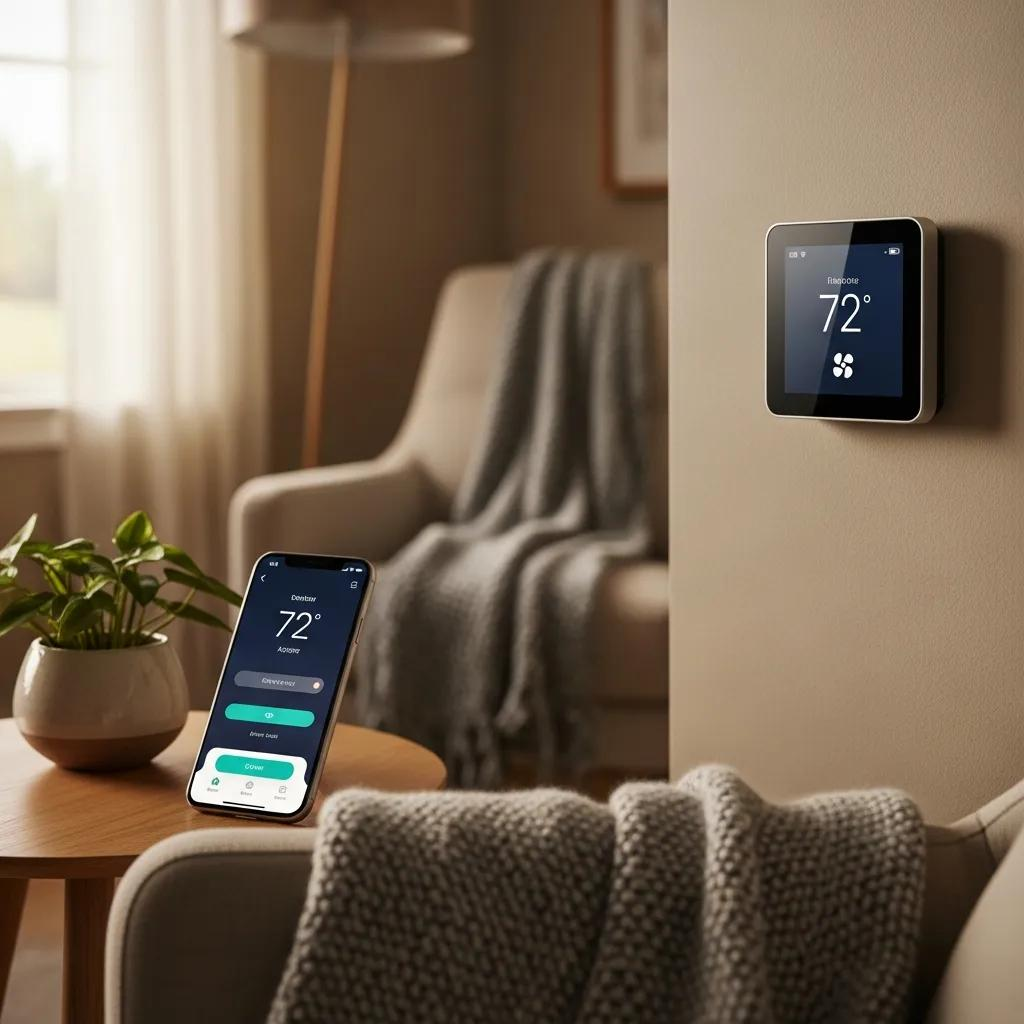
Smart thermostats play a crucial role in enhancing the efficiency of HVAC systems for your home. They allow homeowners to:
- Schedule Temperature Adjustments: Set specific temperatures for different times of the day, reducing energy use when the home is unoccupied.
- Monitor Energy Usage: Track energy consumption patterns and receive alerts for unusual activity, helping to identify potential issues.
- Control Remotely: Adjust settings from anywhere using a smartphone app, ensuring optimal comfort and efficiency.
Maintaining Your HVAC System for Optimal Energy Efficiency
Regular maintenance is essential for ensuring that HVAC systems operate at peak efficiency in your home. Homeowners can take several steps to maintain their systems effectively. For detailed guidance, see our routine HVAC maintenance recommendations.
Indeed, proper maintenance is critical, as many factors can contribute to significant energy loss in HVAC systems.
HVAC Maintenance & Energy Loss Prevention
Heating, ventilating and air conditioning (HVAC) systems consume the largest portion of energy used in a building. Many building faults that occur during a project life cycle hugely contribute to energy loss, including: operational faults from improper installation, poor testing and commissioning, poor integration with building management systems, equipment degradation, sensor offset failures and control logic problems.
Factors Affecting HVAC System Maintenance
- Inspect and Replace Air Filters: Regularly checking and replacing air filters can improve airflow and efficiency, preventing strain on the system.
- Clean System Coils: Keeping the coils clean helps maintain efficient heat exchange, which is crucial for both heating and cooling performance.
- Schedule Professional Inspections: Engaging professionals for routine maintenance can identify potential issues before they become costly repairs.
Routine Maintenance Tips to Maximize HVAC Performance
To maximize HVAC performance for your home, consider these routine maintenance tips:
- Check Thermostat Settings: Ensure that the thermostat is set to the desired temperature and functioning correctly.
- Inspect Ductwork: Look for leaks or blockages in ductwork that can hinder airflow and efficiency.
- Clear Surrounding Areas: Keep the area around outdoor units clear of debris to ensure proper airflow and operation.
Scheduling Professional HVAC Services with MD Heat and Air
For optimal performance and longevity of HVAC systems in your home, scheduling professional services is crucial. MD Heat and Air specializes in HVAC solutions, offering comprehensive maintenance and repair services. Homeowners can easily reach out to MD Heat and Air for expert assistance by calling 864-434-7405 or emailing info@mdheatingair.com.
By investing in energy-efficient HVAC systems for your home and maintaining them properly, homeowners can enjoy significant savings on energy costs while contributing to a more sustainable environment.