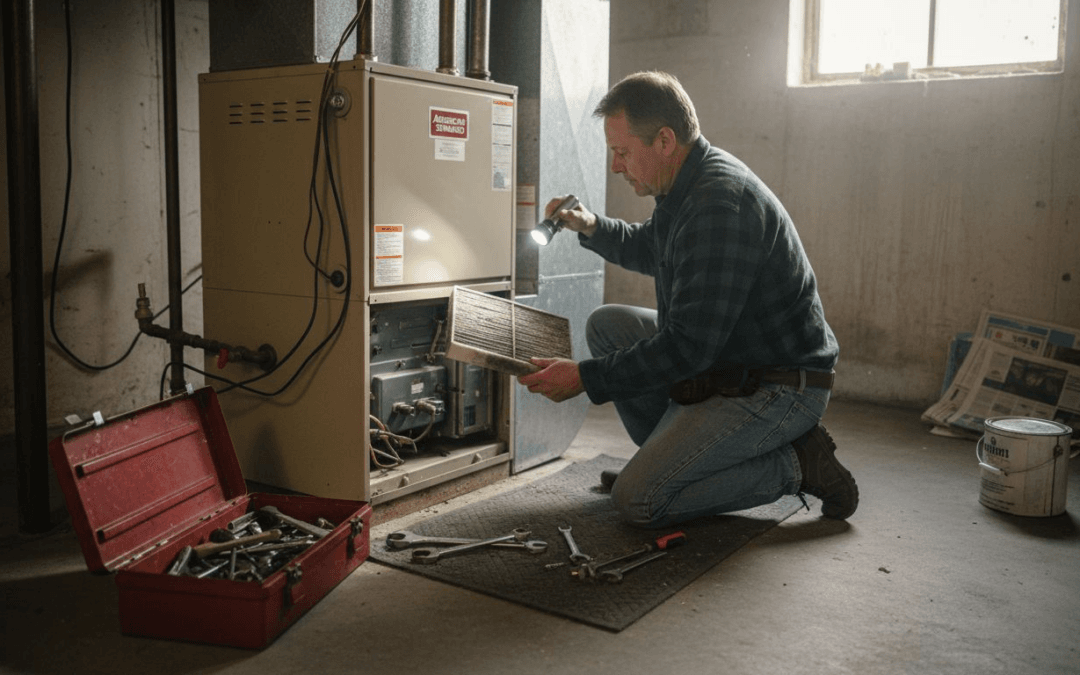
Heating and cooling breakdowns can catch any American homeowner off guard, especially when neglected maintenance leads to a surprise repair bill. For families in Greenville, SC, keeping the HVAC system running smoothly means more than comfort, it is about protecting your investment. Regular attention to your system does more than just keep costs predictable—well-maintained HVAC units can last up to 40 percent longer than those ignored—helping you skip the frustration of expensive, preventable problems.
Table of Contents
- Defining Regular HVAC Maintenance
- Key Maintenance Tasks and Frequency
- Impact on Energy Efficiency and Costs
- How Maintenance Extends System Lifespan
- Safety Risks and Avoidable Repairs
Key Takeaways
| Point | Details |
|---|---|
| Regular Maintenance is Essential | Systematic HVAC maintenance prevents breakdowns and enhances efficiency, extending the lifespan of equipment. |
| Scheduled Tasks for Optimal Performance | Adhering to a maintenance schedule, including monthly to annual tasks, ensures peak HVAC performance and prevents costly repairs. |
| Impact on Energy Costs | Consistent maintenance can reduce energy consumption by up to 15%, leading to significant savings on utility bills. |
| Safety First | Neglecting HVAC care poses serious safety risks, including electrical malfunctions and carbon monoxide exposure, which can be avoided with regular inspections. |
Defining Regular HVAC Maintenance
Regular HVAC maintenance represents a proactive approach to keeping your home’s heating and cooling systems running efficiently and effectively. Systematic inspections and servicing of heating, ventilation, and air conditioning systems ensures optimal performance, energy efficiency, and extended equipment longevity.
The core of regular maintenance involves comprehensive checks of critical system components. These include cleaning or replacing air filters, inspecting electrical connections, checking refrigerant levels, and evaluating system controls. Homeowners should understand that maintenance goes beyond simple filter changes – it’s about preventing potential breakdowns and maintaining peak system performance. Routine checks help prevent unexpected system failures and enhance overall equipment efficiency.
Typical maintenance activities encompass multiple technical and preventative steps:
- Comprehensive air filter assessment and replacement
- Thorough cleaning of system coils
- Electrical connection inspections
- Refrigerant level verification
- Calibration of thermostats and system controls
- Lubrication of moving mechanical parts
- Examination of ductwork for potential leaks or damage
Pro Tip: Schedule Professional Check: Contact a certified HVAC technician for a comprehensive annual maintenance review to catch potential issues before they become expensive repairs.
Key Maintenance Tasks and Frequency
Maintaining an HVAC system requires a strategic approach to addressing different components at specific intervals. Essential maintenance tasks should be performed with careful attention to recommended frequencies, ensuring optimal system performance and preventing potential breakdowns.
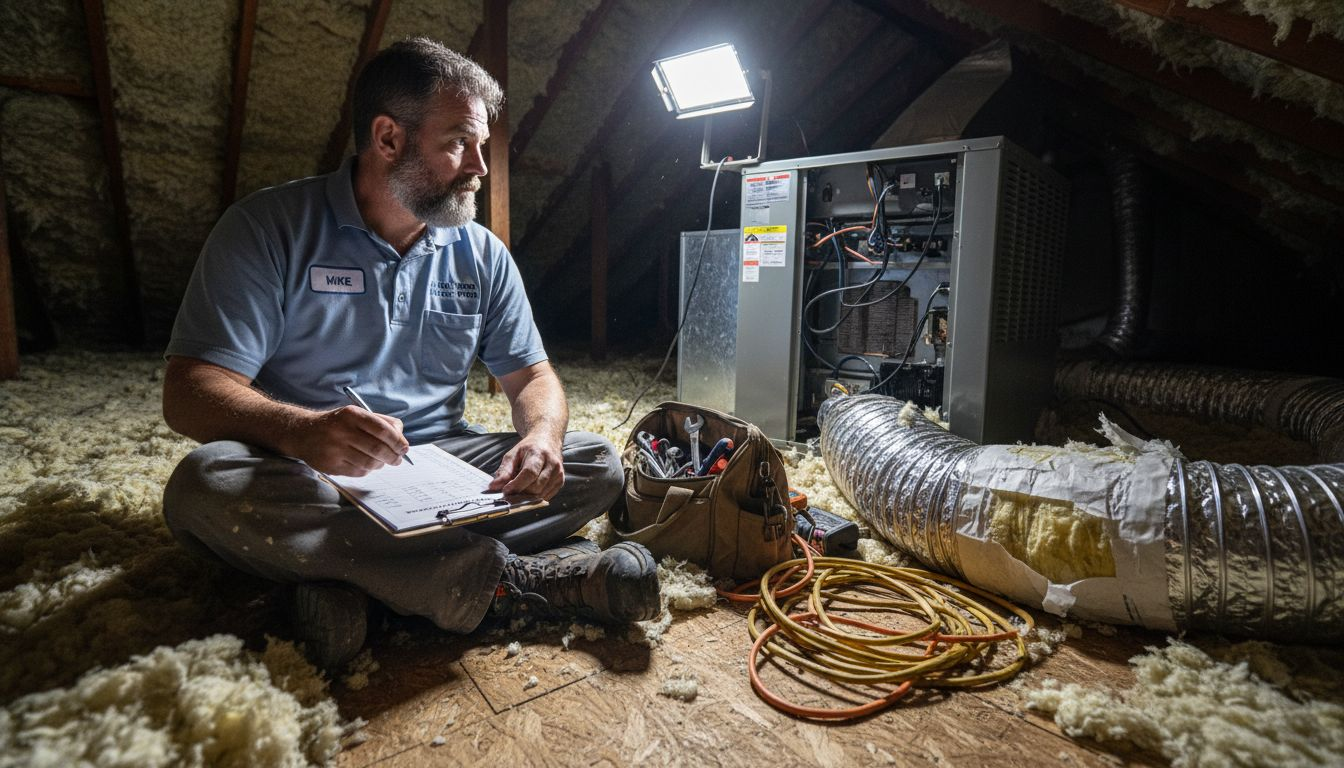
Homeowners should focus on several critical maintenance activities throughout the year. Regular inspection and cleaning of various system components help prevent efficiency losses and extend equipment lifespan. These tasks range from monthly to annual interventions, each designed to address specific aspects of HVAC system health.
Here’s a comprehensive breakdown of recommended maintenance frequencies:
Monthly Tasks:
- Inspect and replace air filters
- Check thermostat settings and battery
- Visually inspect exposed ductwork
Quarterly Tasks:
- Clean air vents and registers
- Check electrical connections
- Inspect outdoor unit for debris
Bi-Annual Tasks:
- Clean evaporator and condenser coils
- Lubricate moving mechanical parts
- Check refrigerant levels
- Inspect condensate drain lines
Annual Tasks:
- Professional comprehensive system inspection
- Deep clean entire HVAC system
- Check and seal ductwork
- Evaluate overall system performance
Pro Tip: Maintenance Calendar: Create a digital or physical calendar highlighting specific maintenance dates for each HVAC task to ensure you never miss a critical maintenance window.
Here’s a quick-reference table summarizing the maintenance frequency and the impact on system health:
| Maintenance Interval | Main Focus Areas | Impact on System Health |
|---|---|---|
| Monthly | Air filters, thermostat, visual inspection | Reduces dust, keeps airflow optimal |
| Quarterly | Vents, electrical connections, outdoor unit | Prevents local failures, improves air quality |
| Bi-Annual | Coils, mechanical parts, refrigerant, drains | Ensures efficient heat transfer, avoids leaks |
| Annual | Full-system inspection, deep clean, ductwork | Maximizes lifespan, detects hidden issues |
Impact on Energy Efficiency and Costs
Regular HVAC maintenance directly impacts home energy consumption and utility expenses, creating significant long-term financial benefits for homeowners. By implementing systematic maintenance strategies, households can reduce energy waste and optimize their heating and cooling systems’ performance.
The financial implications of consistent HVAC maintenance are substantial. Preventive maintenance programs can dramatically improve system efficiency and generate considerable cost savings. Unmaintained systems can lose 5-10% efficiency annually, translating to higher energy bills and increased operational costs.
Key areas where maintenance impacts energy efficiency include:
- Air filter cleanliness
- Refrigerant level optimization
- Electrical connection integrity
- Mechanical component lubrication
- Thermostat calibration
- Ductwork seal integrity
Potential energy and cost savings from regular maintenance can be significant:
- Reduced energy consumption by up to 15%
- Extended equipment lifespan by 3-5 years
- Decreased repair costs by preventing major system failures
- Lower monthly utility expenses
Pro Tip: Energy Tracking: Install a smart energy monitor to track your HVAC system’s efficiency before and after maintenance, providing concrete evidence of performance improvements.
How Maintenance Extends System Lifespan
Consistent HVAC maintenance is the primary strategy for preventing premature system failure and extending equipment operational life. By implementing regular care and systematic inspections, homeowners can significantly reduce wear and tear on critical system components, ultimately delaying expensive replacements.
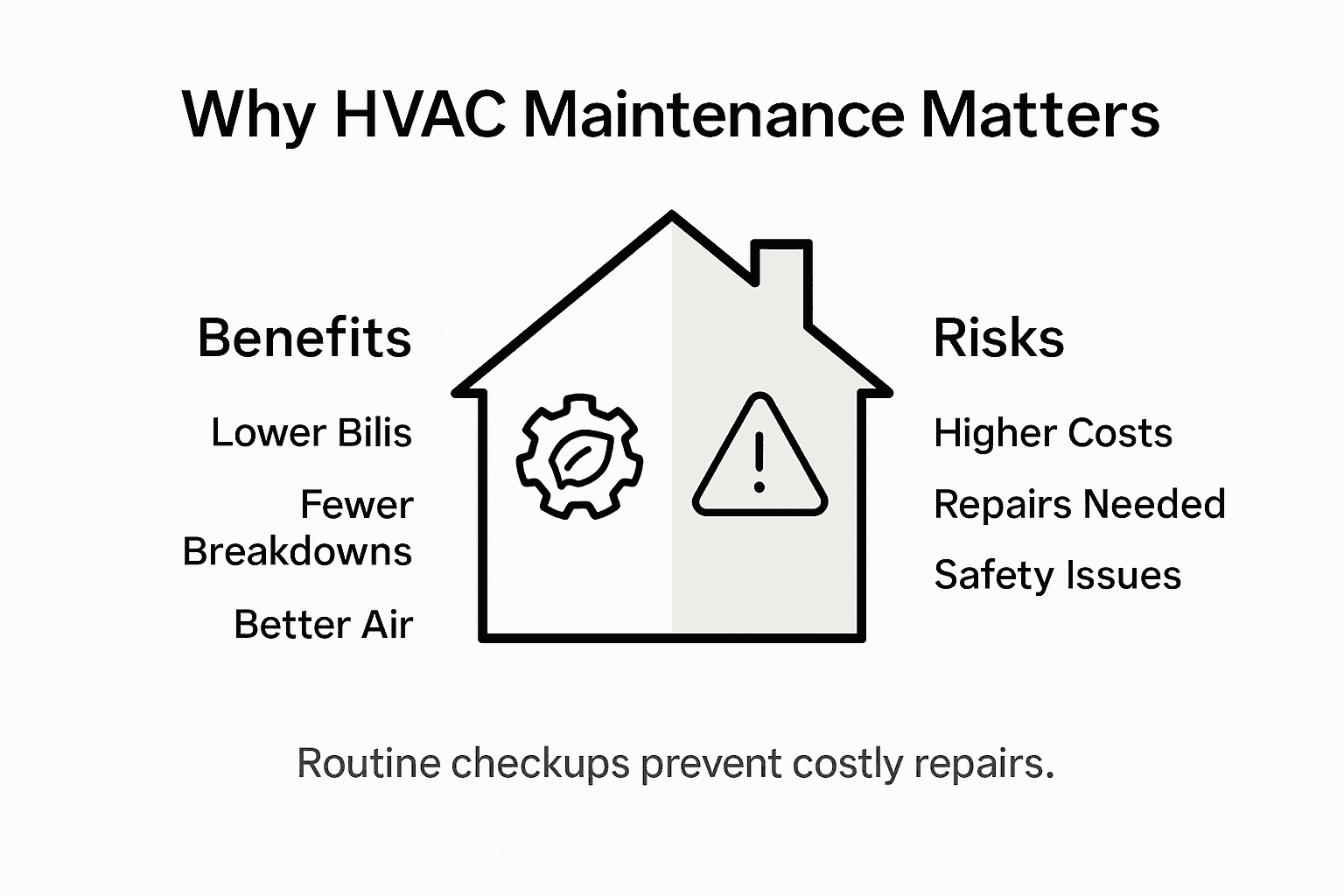
Strategic maintenance activities prevent system strain and potential component breakdown, addressing minor issues before they escalate into major systemic problems. Each maintenance intervention represents an opportunity to assess the system’s overall health, identify potential vulnerabilities, and implement preventative measures.
Key maintenance actions that directly impact system longevity include:
- Lubricating moving mechanical parts
- Cleaning and replacing air filters
- Checking electrical connection integrity
- Inspecting refrigerant levels
- Clearing condensate drain lines
- Calibrating thermostat settings
- Assessing ductwork for potential leaks
The potential lifespan extension through diligent maintenance is substantial:
- Well-maintained systems can operate 40% longer than neglected systems
- Regular care can prevent up to 95% of unexpected breakdowns
- Maintenance reduces the likelihood of complete system replacement
- Consistent care preserves manufacturer warranty conditions
Pro Tip: Maintenance Documentation: Keep a detailed logbook tracking each maintenance intervention, creating a comprehensive history that can help predict potential future issues and demonstrate consistent system care.
Safety Risks and Avoidable Repairs
Neglecting HVAC maintenance can create serious safety hazards that extend far beyond simple system performance issues. Unaddressed problems in heating and cooling systems can potentially expose homeowners to risks including electrical malfunctions, gas leaks, carbon monoxide exposure, and unexpected system failures that compromise household safety.
Preventive maintenance is critical for identifying and mitigating potential system risks before they escalate into dangerous or expensive emergencies. Regular professional inspections can detect subtle warning signs that homeowners might otherwise miss, such as fraying electrical connections, refrigerant leaks, or developing mechanical strain.
Potential safety risks resulting from inadequate maintenance include:
- Electrical system short circuits
- Gas line integrity compromises
- Carbon monoxide leakage
- Unexpected system overheating
- Potential fire hazards from mechanical failures
- Compromised indoor air quality
- Refrigerant chemical exposure
The financial implications of neglecting maintenance are equally significant:
- Emergency repairs can cost up to 500% more than planned maintenance
- Unaddressed issues can lead to complete system replacement
- Safety-related repairs often involve additional restoration expenses
- Insurance may not cover damages from poorly maintained systems
Pro Tip: Safety Baseline: Schedule a comprehensive professional HVAC inspection annually, focusing on identifying potential safety risks and addressing them proactively before they become critical emergencies.
The following table compares the risks and benefits of regular HVAC maintenance:
| Aspect | With Regular Maintenance | Without Maintenance |
|---|---|---|
| Energy Efficiency | Optimized, lower bills | Declines up to 10%/year |
| System Lifespan | Extended by several years | Premature major failures |
| Safety Risks | Proactively managed | Higher chance of hazards |
| Repair Costs | Predictable, lower overall | Emergency repairs cost much more |
Protect Your Home and Save with Expert HVAC Maintenance
Regular HVAC maintenance is essential to avoid unexpected breakdowns and costly repairs while enhancing your system’s energy efficiency and lifespan. If you are concerned about air quality, safety risks, or rising utility bills, MD Heating & Air Conditioning offers trusted solutions tailored to keep your heating and cooling systems running smoothly all year long. Our professionals understand the importance of tasks like filter replacement, coil cleaning, and ductwork inspection to prevent serious system failures.
Discover peace of mind by scheduling a maintenance check with our local experts. Visit MD Heating & Air: Heating Services & Maintenance Tips to learn how proper upkeep can lower your energy costs and extend your equipment’s life. Don’t wait for emergencies to strike — get your free estimate today at https://mdheatair.com and ensure your home stays comfortable and safe with our reliable HVAC care.
Frequently Asked Questions
What is regular HVAC maintenance?
Regular HVAC maintenance is a proactive approach involving systematic inspections and servicing of heating, ventilation, and air conditioning systems to ensure optimal performance, energy efficiency, and extended equipment longevity.
How often should I perform HVAC maintenance tasks?
HVAC maintenance tasks should be performed at different intervals: monthly for air filters and thermostat checks, quarterly for cleaning vents and inspecting electrical connections, bi-annually for coil cleaning and refrigerant checks, and annually for a comprehensive system inspection.
What are the benefits of regular HVAC maintenance?
Regular HVAC maintenance improves energy efficiency, reduces operational costs, extends the lifespan of the equipment, and helps prevent safety hazards and unexpected breakdowns, leading to significant long-term savings.
What safety risks are associated with neglecting HVAC maintenance?
Neglecting HVAC maintenance can lead to serious safety hazards such as electrical malfunctions, gas leaks, carbon monoxide exposure, and increased risk of system overheating, all of which can compromise household safety.