Understanding Different Types of HVAC Systems
HVAC systems come in various types, each designed to meet specific heating and cooling needs. The most common systems include central air conditioning, ductless mini-splits, and heat pumps, each offering unique benefits depending on the layout and requirements of the home.
For instance, central air conditioning systems are ideal for larger homes with existing ductwork, while ductless mini-splits provide flexibility and efficiency for homes without ducts. Understanding these differences helps homeowners choose the right system for their comfort and energy efficiency needs.
Benefits of Professional HVAC Installation
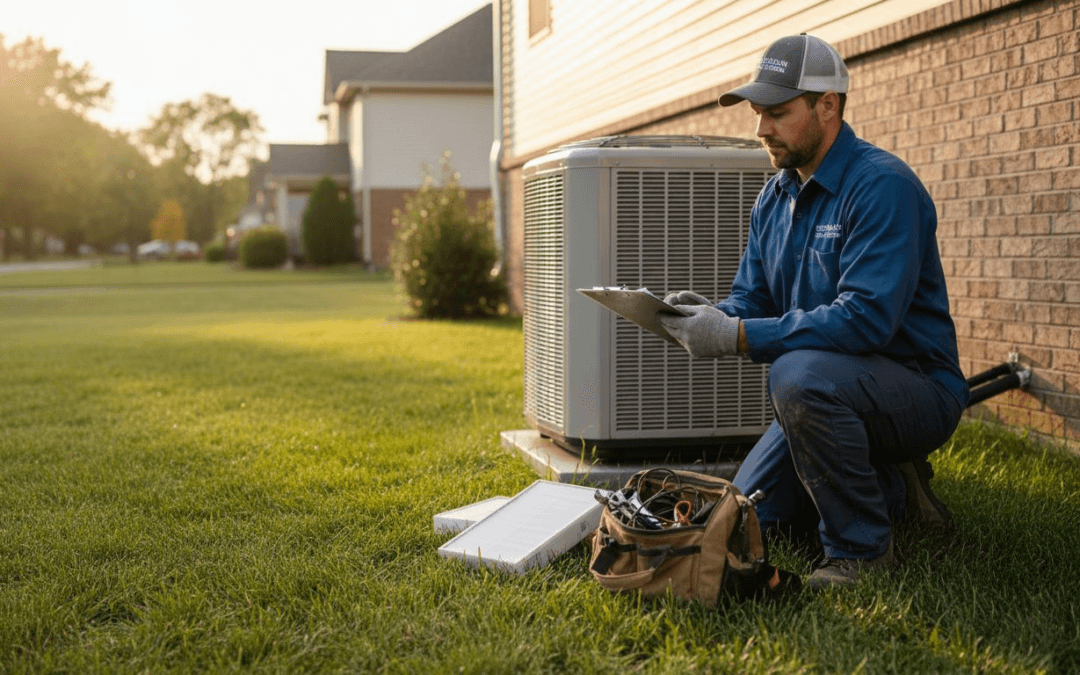
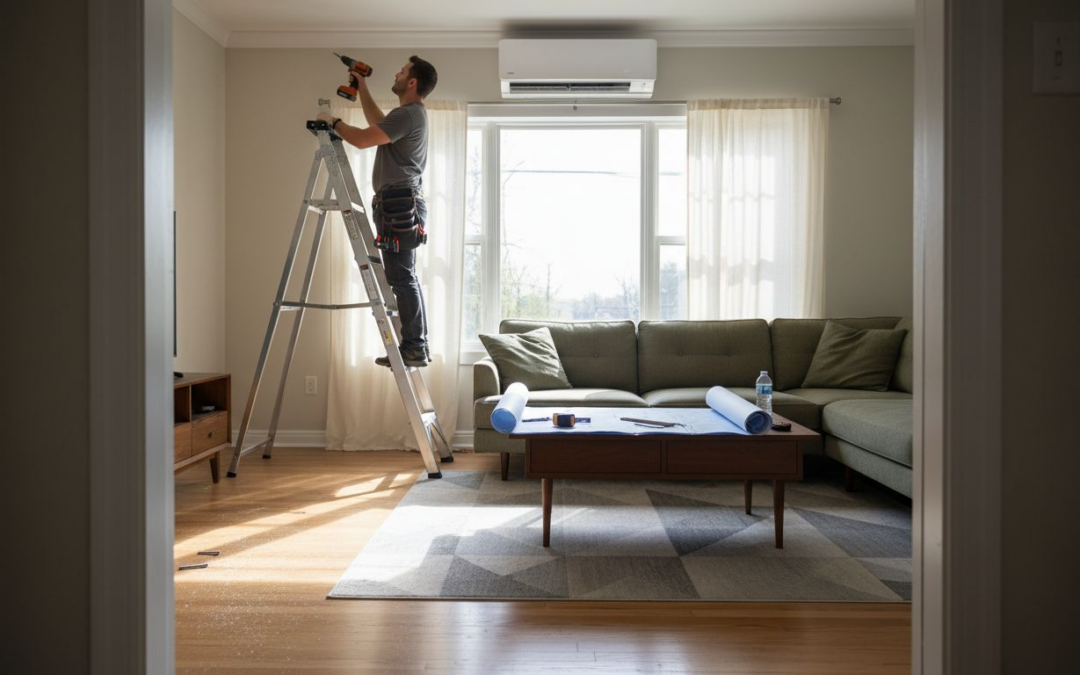
Professional installation of HVAC systems is crucial for ensuring optimal performance and longevity. Experienced technicians can assess the home's specific requirements, recommend suitable systems, and ensure that installations comply with local codes and regulations.
Moreover, proper installation minimizes the risk of future issues, such as inefficient heating and cooling, higher energy bills, and premature system failures. Investing in professional installation ultimately leads to a more comfortable living environment and peace of mind for homeowners.
Signs Your HVAC System Needs Repair
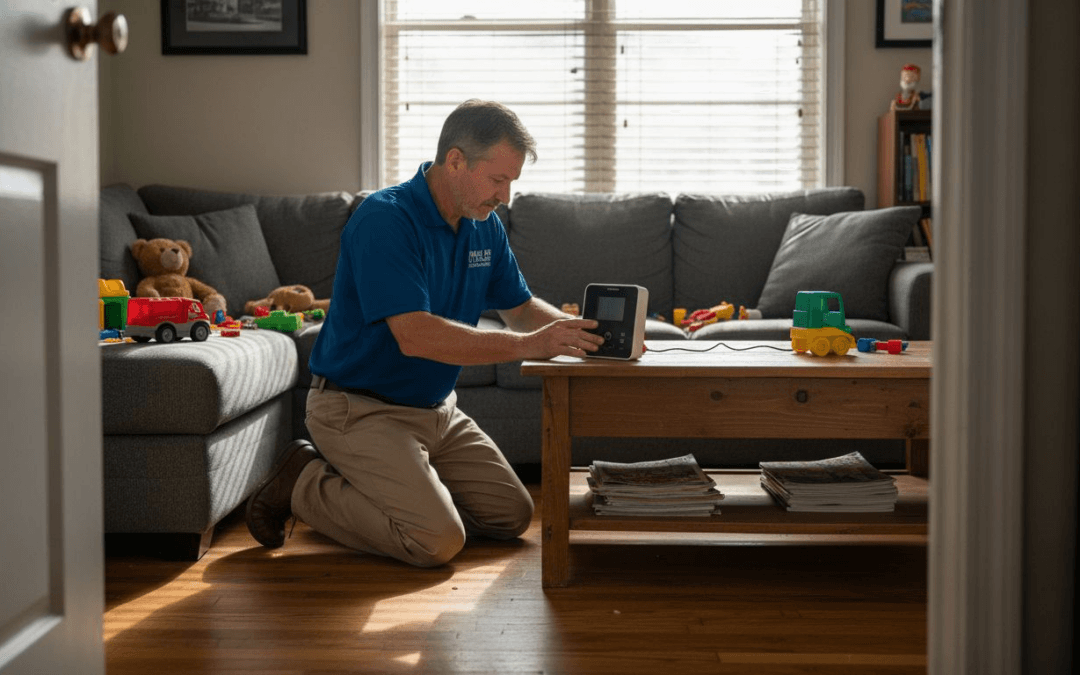
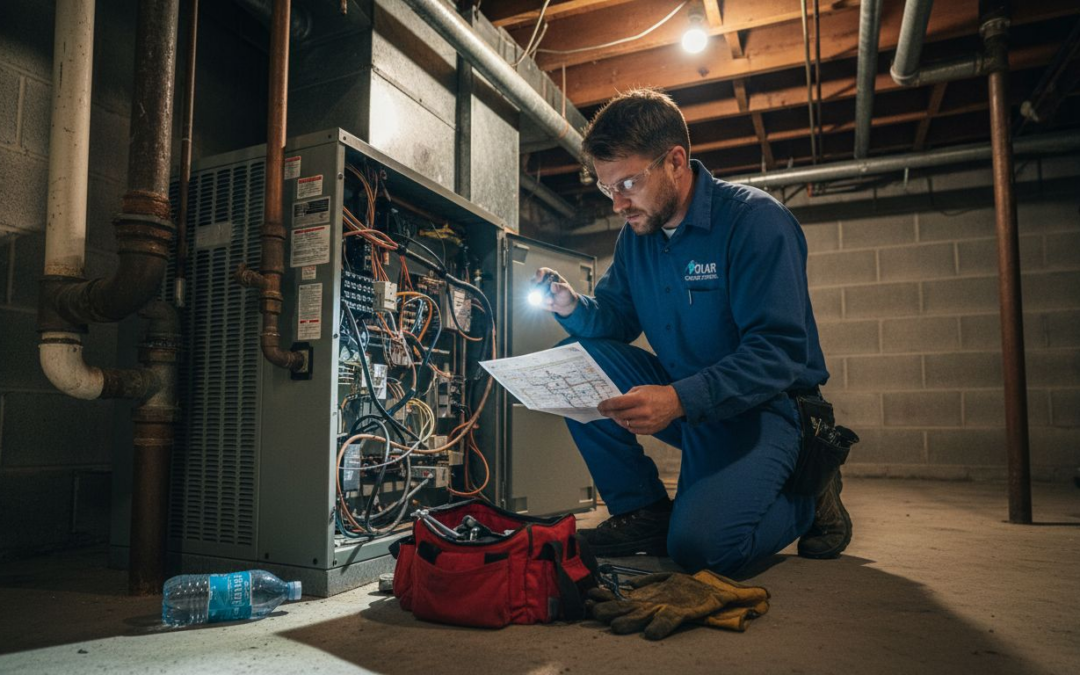
Recognizing the warning signs of an underperforming HVAC system can save homeowners from costly repairs and discomfort. Common indicators include unusual noises, inconsistent temperatures, and increased energy bills, all of which suggest that the system may require professional attention.
Ignoring these signs can lead to more extensive damage, making timely repairs essential. Homeowners should regularly monitor their HVAC systems and schedule maintenance checks to ensure they operate efficiently and effectively.
Seasonal HVAC Maintenance Checklist
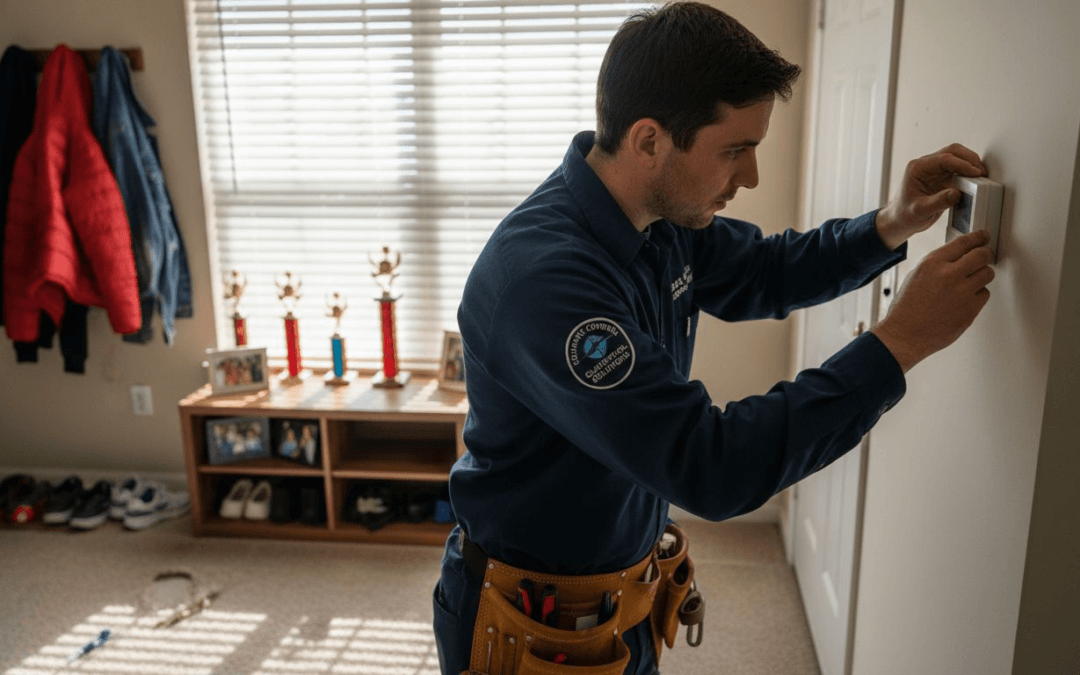
Regular maintenance is key to extending the lifespan of HVAC systems and ensuring optimal performance throughout the year. A seasonal maintenance checklist should include tasks like changing air filters, checking thermostat settings, and inspecting ductwork for leaks.
By performing these maintenance tasks seasonally, homeowners can improve energy efficiency, enhance indoor air quality, and prevent unexpected breakdowns. A proactive approach to HVAC maintenance not only ensures comfort but also helps in reducing energy costs over time.