


SEER, AFUE & HSPF: Key HVAC Efficiency Ratings
Understanding HVAC efficiency ratings is crucial for homeowners looking to optimize their energy consumption and reduce utility bills. This article will delve into the key efficiency metrics—, , and —that determine the performance of heating and cooling systems. By grasping these concepts, homeowners can make informed decisions about their HVAC systems, ensuring comfort and efficiency in their homes. We will explore how these ratings are calculated, their benefits, and why they matter for homeowners in Greenville, SC. Additionally, we will discuss how to choose the right high-efficiency HVAC system and the steps to maximize energy savings beyond efficiency ratings.
What is SEER and How Does It Impact Air Conditioner Efficiency?
The Seasonal Energy Efficiency Ratio (SEER) measures the cooling output of an air conditioner over a typical cooling season divided by the total electric energy input during the same period. A higher SEER rating indicates a more efficient air conditioning system, which translates to lower energy costs and improved comfort. Understanding SEER is essential for homeowners looking to invest in energy-efficient cooling solutions.
How is the Seasonal Energy Efficiency Ratio Calculated?
The SEER is calculated by taking the total cooling output (measured in BTUs) during a cooling season and dividing it by the total energy consumed (measured in watt-hours). The formula is as follows:
Factors such as the system’s design, installation quality, and maintenance practices can significantly affect the actual efficiency achieved, but the SEER rating itself is a standardized measure determined under specific test conditions. Accurate measurement is crucial for determining the efficiency of an air conditioning unit.
What Are the Benefits of Higher SEER Ratings for Greenville, SC Homes?
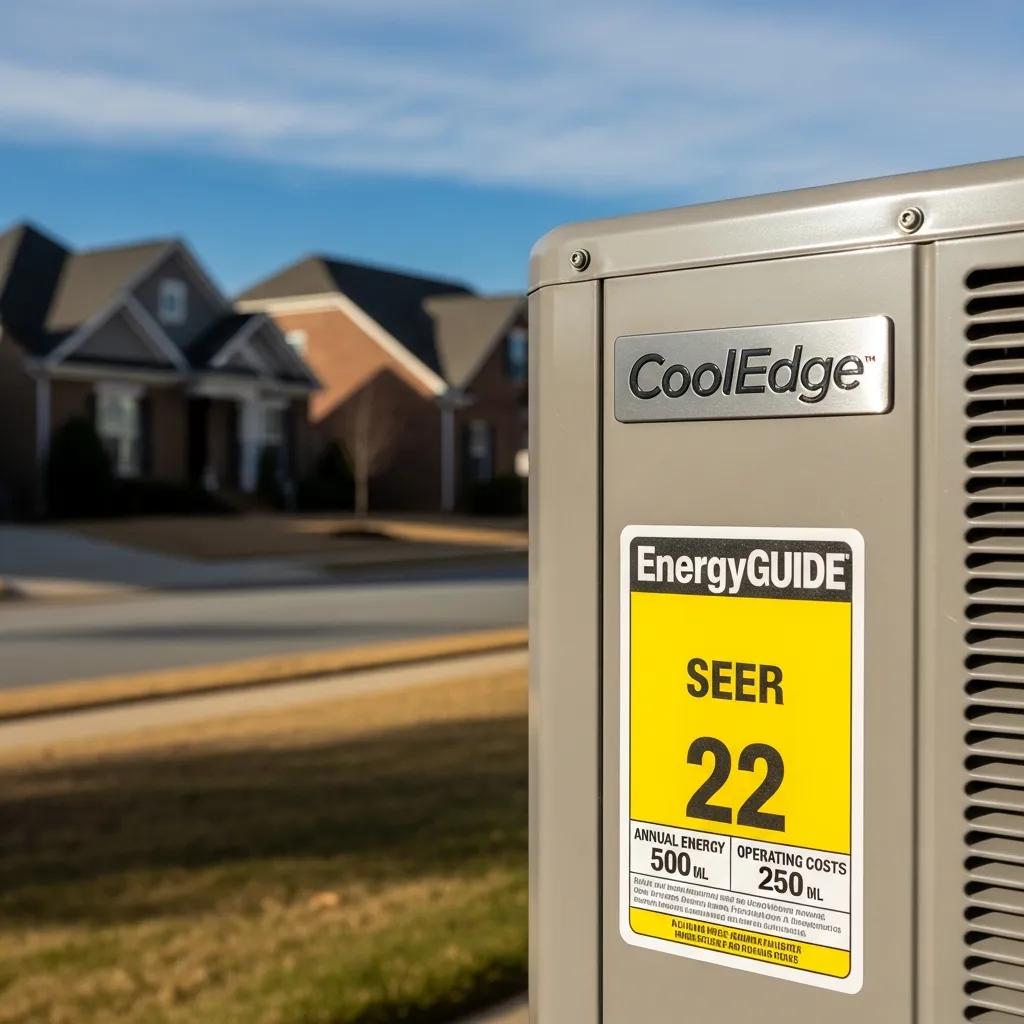
- Energy Cost Savings: Systems with higher SEER ratings consume less electricity, leading to lower monthly utility bills.
- Comfort Improvements: More efficient systems maintain consistent indoor temperatures and humidity levels, enhancing overall comfort.
- Environmental Impact: Increased efficiency reduces energy consumption, contributing to lower greenhouse gas emissions and a smaller carbon footprint.
Investing in a high-SEER air conditioning system can yield significant long-term savings and environmental benefits.
How Does AFUE Measure Furnace Efficiency and What Does It Mean?
The Annual Fuel Utilization Efficiency (AFUE) rating measures a furnace’s efficiency in converting fuel to heat over a year. It is expressed as a percentage, with higher percentages indicating more efficient furnaces. Understanding AFUE is vital for homeowners looking to maximize heating efficiency and minimize fuel costs.
What Does the Annual Fuel Utilization Efficiency Percentage Represent?
The AFUE percentage represents the ratio of the heat output of a furnace compared to the total energy consumed. For example, an AFUE of 90% means that 90% of the fuel’s energy content is converted into usable heat, while 10% is lost in the process. This metric is essential for evaluating the performance of heating systems and making informed purchasing decisions.
How to Choose a High-Efficiency Furnace Based on AFUE Ratings?
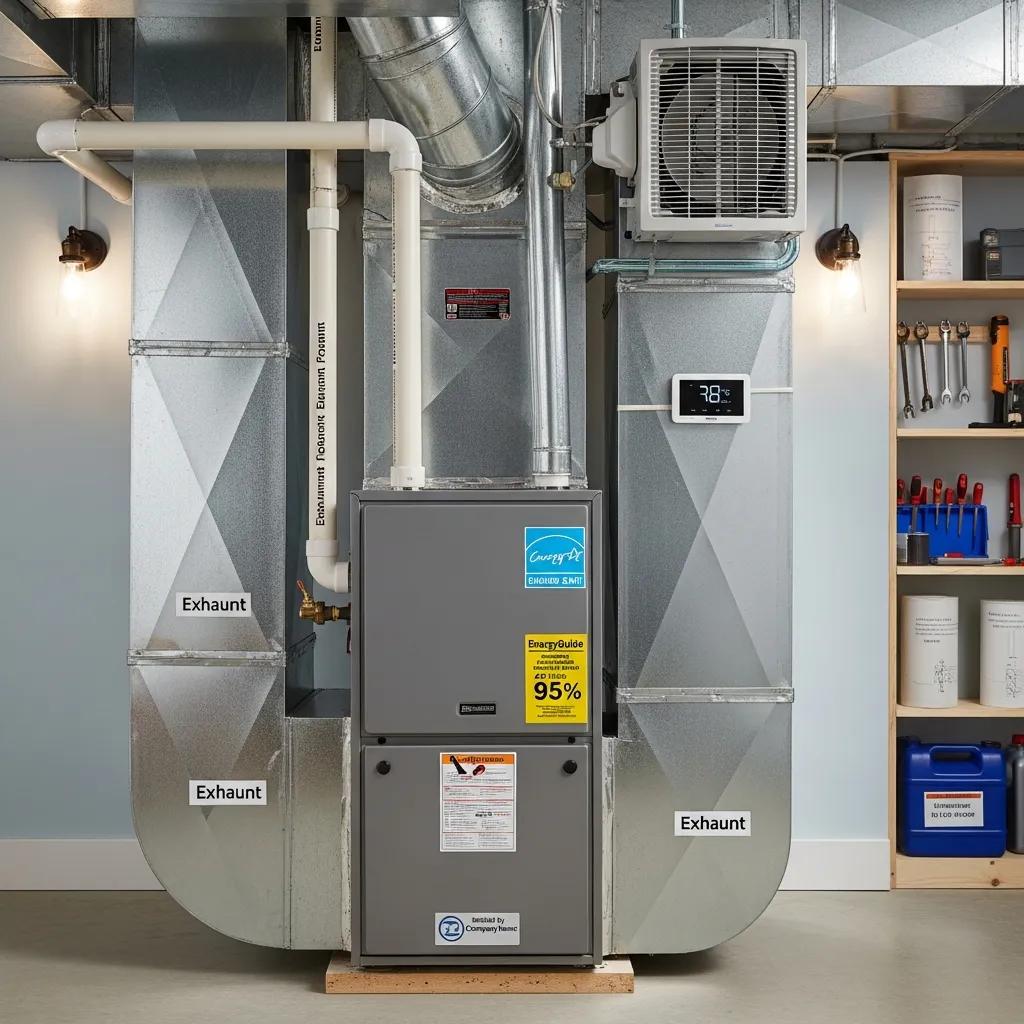
- AFUE Rating: Look for furnaces with an AFUE of 90% or higher for optimal efficiency.
- Fuel Type: Choose a furnace that uses a fuel source readily available in your area, such as natural gas or propane.
- Local Climate: Consider the climate in Greenville, SC, as it may influence the type of furnace best suited for your home.
Consulting with HVAC professionals can help ensure you select the right furnace for your needs.
What is HSPF and Why Is It Important for Heat Pump Performance?
The Heating Seasonal Performance Factor (HSPF) measures the efficiency of heat pumps during the heating season. Similar to SEER, a higher HSPF indicates a more efficient system, which can lead to significant energy savings. Understanding HSPF is crucial for homeowners considering heat pumps as a heating solution.
How is the Heating Seasonal Performance Factor Determined?
HSPF is calculated by dividing the total heating output (in BTUs) by the total energy consumed (in watt-hours) during the heating season. The formula is:
Factors such as the heat pump’s design, installation quality, and maintenance can impact the HSPF rating, making accurate measurement essential for evaluating performance.
What Are the Advantages of Higher HSPF Ratings in South Carolina Climates?
- Energy Cost Savings: More efficient heat pumps consume less energy, resulting in lower heating bills.
- Comfort Improvements: Efficient systems maintain consistent indoor temperatures, enhancing comfort during colder months.
- Environmental Impact: Increased efficiency reduces energy consumption, contributing to a smaller carbon footprint.
Investing in a high-HSPF heat pump can lead to substantial long-term savings and environmental benefits.
Why Do HVAC Efficiency Ratings Matter for Greenville, SC Homeowners?
HVAC efficiency ratings are crucial for homeowners in Greenville, SC, as they directly impact energy bills, comfort levels, and environmental sustainability. Understanding these ratings helps homeowners make informed decisions about their heating and cooling systems.
How Do Local Climate Conditions Affect HVAC Energy Savings?
Local climate conditions significantly influence HVAC energy savings. In Greenville, SC, where summers can be hot and humid, investing in high-efficiency cooling systems can lead to substantial energy savings. Similarly, during the winter months, efficient heating systems can help maintain comfort while minimizing energy costs.
What Are the Environmental and Cost Benefits of Energy-Efficient Systems?
- Reduced Energy Bills: Lower energy consumption translates to decreased utility costs.
- Environmental Impact: Efficient systems contribute to reduced greenhouse gas emissions, promoting a healthier environment.
- Increased Home Value: Energy-efficient homes are often more attractive to buyers, potentially increasing property value.
By prioritizing energy efficiency, homeowners can enjoy both financial and environmental benefits.
How to Choose the Right High-Efficiency HVAC System for Your Home
Selecting the right high-efficiency HVAC system involves considering several factors to ensure optimal performance and comfort.
What Factors Should Influence Your HVAC System Selection?
- Home Size: The size of your home will determine the capacity needed for heating and cooling.
- Energy Efficiency Ratings: Look for systems with high SEER, AFUE, and HSPF ratings for optimal efficiency.
- Budget: Consider both the initial investment and long-term operating costs when selecting a system.
How Can MD Heating & Air Conditioning Assist with Efficient Installations?
MD Heating & Air Conditioning specializes in comprehensive HVAC services, including the installation of high-efficiency systems. With expertise in AC installation, service, and repairs, they can help homeowners in Greenville, SC, select and install the right system for their needs. Their focus on customer service and local knowledge ensures that clients receive the best solutions for their homes.
What Additional Steps Maximize Energy Savings Beyond Efficiency Ratings?
While understanding HVAC efficiency ratings is essential, there are additional steps homeowners can take to maximize energy savings.
How Does Proper Installation and Maintenance Enhance HVAC Performance?
Proper installation and regular maintenance are critical for ensuring HVAC systems operate at peak efficiency. Homeowners should schedule routine maintenance checks to identify and address potential issues before they escalate. This proactive approach can lead to improved performance and extended system lifespan.
What Role Do Smart Thermostats and Indoor Air Quality Solutions Play?
Smart thermostats and indoor air quality solutions can significantly enhance HVAC efficiency. Smart thermostats allow homeowners to optimize energy usage by adjusting temperatures based on occupancy and preferences. Additionally, improving indoor air quality through filtration and ventilation systems can lead to a healthier living environment, further enhancing comfort and efficiency.
In conclusion, understanding HVAC efficiency ratings such as SEER, AFUE, and HSPF is essential for homeowners in Greenville, SC, looking to optimize their energy consumption and enhance comfort. By selecting high-efficiency systems and implementing additional energy-saving measures, homeowners can enjoy significant financial and environmental benefits.