Indoor Air Quality Solutions: Purification & Filtration in Greenville
Indoor air quality is a critical aspect of health and comfort in both residential and commercial spaces. Poor air quality can lead to various health issues, including respiratory problems and allergies, making effective air purification and filtration systems essential. This article explores the various indoor air quality solutions available in Greenville, SC, focusing on air purification and filtration systems. Readers will learn about the benefits of these systems, the types available, and how MD Heat and Air Conditioning can provide tailored solutions to meet specific needs. We will also discuss best practices for maintaining air quality and the role of emerging technologies in enhancing indoor environments.
Indeed, the complexity of indoor air pollution necessitates a broad range of treatment technologies to effectively safeguard human health.
Comprehensive Review of Indoor Air Treatment Technologies
Indoor air pollution is a complex issue involving a wide diversity and variability of pollutants that threats human health. In this context, major efforts should be made to enhance indoor air quality. This review presents a general overview of single treatment techniques such as mechanical and electrical filtration, adsorption, ozonation, photolysis, photocatalytic oxidation, biological processes, and membrane separation.
A review of indoor air treatment technologies, G Gallastegui, 2015
What Are the Benefits of HVAC Air Filtration and Air Purification Systems?
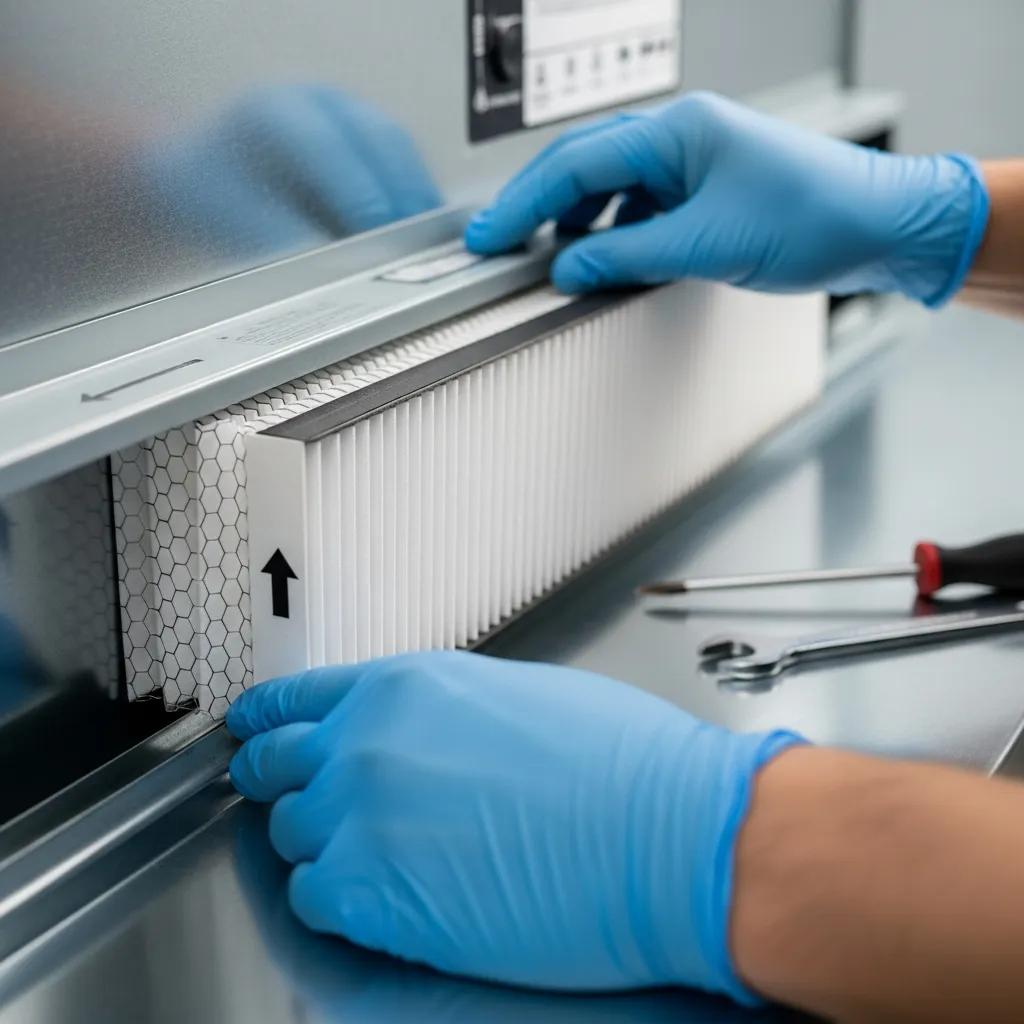
HVAC air filtration and air purification systems significantly improve indoor air quality by removing pollutants and allergens from the air. These systems work by utilizing various technologies to capture and neutralize harmful particles, leading to a healthier living environment. The primary benefits include enhanced comfort, improved health outcomes, and increased energy efficiency.
- Healthier Living Environment: By filtering out dust, pollen, and other allergens, these systems reduce the risk of respiratory issues and allergies.
- Enhanced Comfort: Clean air contributes to a more comfortable indoor atmosphere, making spaces more enjoyable for occupants.
- Increased Energy Efficiency: Efficient air filtration can reduce the workload on HVAC systems, leading to lower energy bills.
MD Heat and Air Conditioning specializes in providing high-quality air purification systems that cater to the unique needs of Greenville residents and businesses.
How Do Air Purifiers Improve Indoor Air Quality in Homes and Businesses?
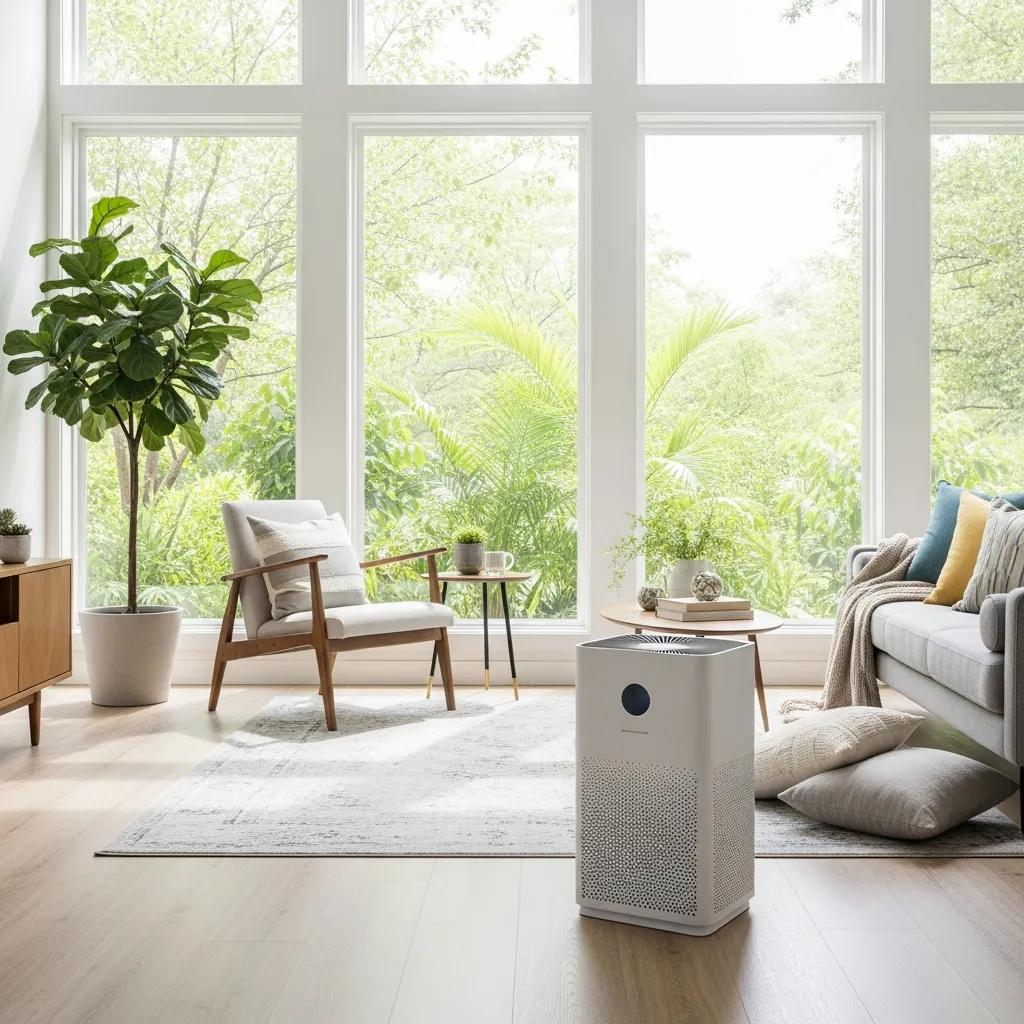
Air purifiers enhance indoor air quality by employing various technologies to eliminate pollutants. They effectively remove microscopic particles, such as dust, pet dander, and mold spores, which can trigger allergies and asthma. Additionally, air purifiers neutralize odors and harmful gases, creating a fresher indoor environment.
For instance, HEPA filters can capture 99.97% of particles as small as 0.3 microns, making them highly effective in improving air quality.
Studies have consistently demonstrated the remarkable ability of HEPA filtration to significantly reduce airborne microbial concentrations.
HEPA Filtration Efficacy in Reducing Airborne Microorganisms
The purpose of this study was to evaluate the effectiveness of high efficiency particulate air HEPA filters in reducing the concentration of air-borne microorganisms. In a DOR used for routine scaling with an ultrasonic instrument, the mean microbial air count of 21 viable particles VPcu ft without air filtration was reduced 90 percent when the air was filtered. It was concluded that under normal working conditions an 800-cfm HEPA filter unit is effective in reducing the concentration of airborne microorganisms in a DOR by about 70 percent.
Reduction of Microbial Concentration in Air of Dental Operating Rooms by HEPA Filtration, 1969
UV air purifiers further enhance this process by using ultraviolet light to inactivate bacteria and viruses, ensuring a healthier atmosphere in homes and businesses.
Further research highlights the antimicrobial efficacy of advanced UVGI systems, particularly in high-traffic environments where continuous human circulation poses a challenge.
Shielded UVGI for Ambient Air Purification in High-Traffic Areas
Computed tomography (CT) premises are one of the strategic points in the spread of hospital-acquired infections. Ultraviolet germicidal irradiation (UVGI) is an effective method that could potentially be used to purify the ambient air in them. However, it cannot be directly used in the presence of humans and, therefore, it is not operationally suitable in such units with continuous human circulation. Newer devices have been developed to purify air with more efficient and shielded UV-C sources. This study aims to assess the microbial air contamination in CT scanning rooms and investigates the efficacy and technical considerations of shielded UV-C arrays.
The antimicrobial efficacy of shielded ultraviolet germicidal irradiation in CT rooms with intense human circulation, HM Karakaş, 2021
Which Health and Energy Efficiency Benefits Result from Advanced Filtration Technologies?
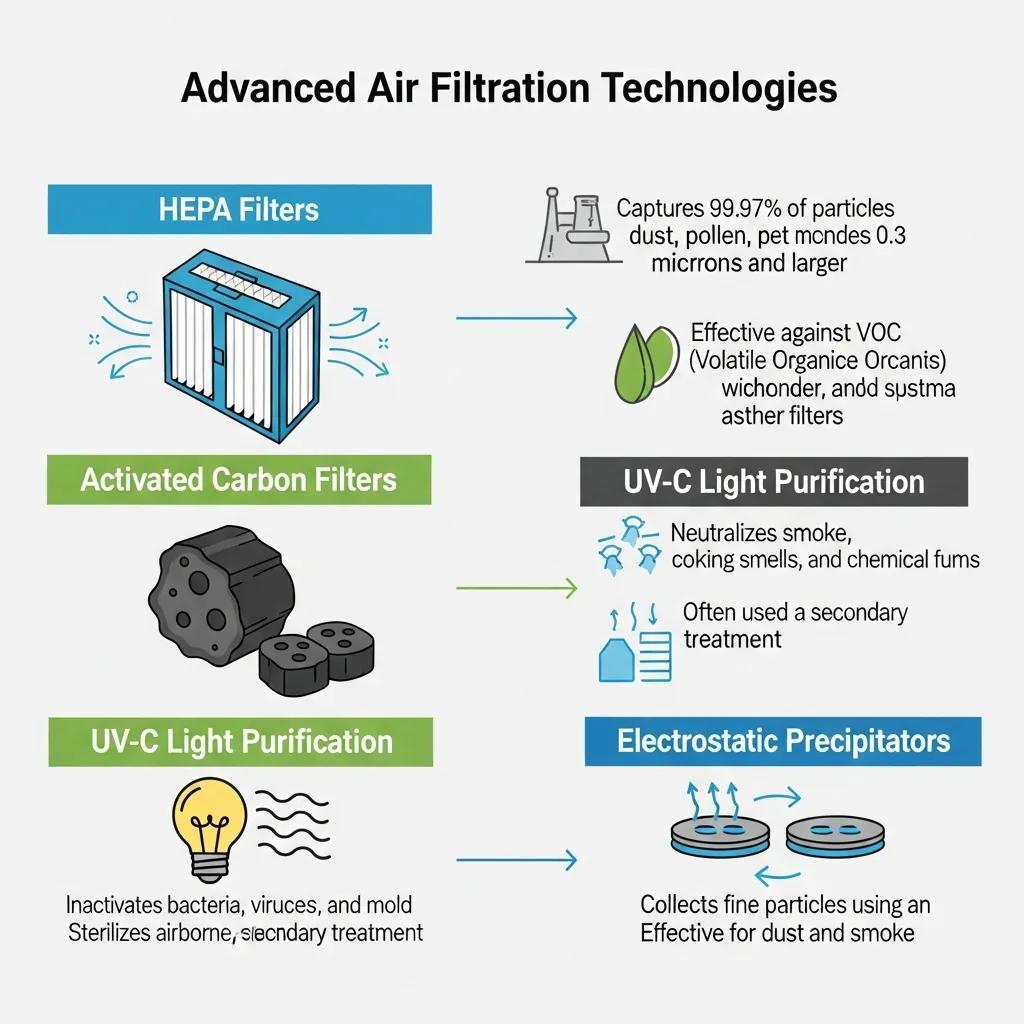
Advanced filtration technologies provide significant health and energy efficiency benefits. Improved indoor air quality leads to healthier living environments, reducing the incidence of respiratory illnesses and allergies. Furthermore, these systems can contribute to long-term cost savings by enhancing the efficiency of HVAC systems.
- Improved Indoor Air Quality: Advanced filters capture a wider range of pollutants, leading to cleaner air.
- Healthier Living Environments: Reduced allergens and pathogens contribute to better overall health for occupants.
- Long-Term Cost Savings: Efficient systems lower energy consumption, resulting in reduced utility bills over time.
Which Types of Air Purification and Filtration Systems Are Available in Greenville, SC?
In Greenville, SC, various air purification and filtration systems are available to meet diverse needs. These systems range from residential solutions to commercial-grade equipment, ensuring that all spaces can benefit from improved air quality.
- Air Purification Systems: These include HEPA filters, UV air purifiers, and activated carbon filters, each designed to target specific pollutants.
- Advanced Filtration Systems: Systems that utilize MERV-rated filters provide enhanced filtration capabilities, capturing smaller particles and improving overall air quality.
- Duct Cleaning Services: Regular duct cleaning is essential for maintaining air quality, as it removes accumulated dust and allergens from HVAC systems.
What Are the Differences Between HEPA, UV, and MERV Rated Filters?
Understanding the differences between HEPA, UV, and MERV-rated filters is crucial for selecting the right air purification system.
This comparison highlights how each filter type serves different purposes, allowing users to choose the best option for their specific air quality needs.
How Do Commercial Air Filtration Systems Differ from Residential Solutions?
Commercial air filtration systems differ from residential solutions primarily in scale and complexity.
- System Scale: Commercial systems are designed to handle larger volumes of air, making them suitable for bigger spaces.
- Maintenance Needs: Commercial systems often require more frequent maintenance due to higher usage and exposure to pollutants.
- Regulatory Requirements: Businesses may need to comply with specific air quality regulations, necessitating advanced filtration solutions.
How Does MD Heat and Air Provide Customized Indoor Air Quality Solutions in Greenville?
MD Heat and Air specializes in providing customized indoor air quality solutions tailored to the unique needs of both residential and commercial clients in Greenville. Their approach includes a thorough assessment of the space and specific air quality challenges.
What Is the Installation Process for Air Purification Systems and HVAC Filtration Upgrades?
The installation process for air purification systems and HVAC filtration upgrades involves several key steps:
- Professional Assessment: Technicians evaluate the existing HVAC system and air quality needs.
- Selecting Appropriate Filters: Based on the assessment, the right filters and purification systems are chosen.
- Regular Maintenance: Ongoing maintenance is scheduled to ensure optimal performance and air quality.
This structured approach ensures that clients receive effective solutions tailored to their specific requirements.
How Does MD Heat and Air Tailor Solutions for Residential and Commercial Clients?
MD Heat and Air tailors its solutions for residential and commercial clients by focusing on personalized service and transparent communication.
- Personalized Service: Each client receives a customized plan based on their unique air quality needs.
- Transparent Communication: Clients are kept informed throughout the process, ensuring they understand the solutions being implemented.
- Flexible Scheduling: Services are scheduled at convenient times to minimize disruption to clients’ daily activities.
What Are the Best Practices for Air Quality Testing and Maintenance in Greenville, SC?
Maintaining optimal air quality requires regular testing and maintenance of HVAC systems.
- Frequency of Filter Replacement: Filters should be replaced every 1-3 months, depending on usage and type.
- Local Air Quality Testing Services: Regular testing can identify pollutants and ensure systems are functioning effectively.
How Often Should HVAC Filters Be Replaced and Systems Maintained?
Regular maintenance is crucial for ensuring air quality. HVAC filters should be replaced every 1-3 months, while systems should be inspected and serviced at least once a year. This routine maintenance helps prevent the buildup of dust and allergens, ensuring clean air circulation.
What Air Quality Testing Services Are Available Locally?
In Greenville, several air quality testing services are available to help residents and businesses assess their indoor air quality. These services typically include:
- Comprehensive Assessments: Detailed evaluations of air quality, identifying pollutants and sources of contamination.
- Pollutant Measurement: Testing for specific allergens, mold spores, and volatile organic compounds (VOCs).
- Detailed Reporting: Providing clients with clear reports on air quality findings and recommendations for improvement.
How Can Smart HVAC Controls and Emerging Technologies Enhance Indoor Air Quality?
Smart HVAC controls and emerging technologies play a significant role in enhancing indoor air quality. These systems allow for real-time monitoring and automated adjustments to maintain optimal air quality levels.
What Are the Advantages of Integrating Smart Air Purification Systems?
Integrating smart air purification systems offers several advantages:
- Real-Time Data Monitoring: Users can track air quality metrics and receive alerts for any changes.
- Automation of Air Quality Management: Systems can automatically adjust settings based on real-time data, ensuring consistent air quality.
How Do UV and HEPA Technologies Address Current Health Concerns?
UV and HEPA technologies are particularly effective in addressing current health concerns related to airborne pathogens.
- HEPA Filter Efficiency: HEPA filters capture a high percentage of airborne particles, including allergens and pathogens.
- UV-C Light Function: UV air purifiers use UV-C light to inactivate bacteria and viruses, providing an additional layer of protection against illness.
Where Can Greenville Residents and Businesses Request Quotes and Schedule Air Quality Services?
Residents and businesses in Greenville can easily request quotes and schedule air quality services through MD Heat and Air.
How to Contact MD Heat and Air for Air Purifier Installation and Filtration Upgrades?
To contact MD Heat and Air for air purifier installation and filtration upgrades, clients can reach out via:
- Phone: (864) 434-7405
- Email: mdhomeimp@yahoo.com
What Are the Typical Costs and Financing Options for Air Quality Solutions?
The costs for air quality solutions can vary based on the type of system and installation requirements. MD Heat and Air offers flexible financing options, including low-interest loans and potential tax credits for energy-efficient upgrades. This makes it easier for clients to invest in their indoor air quality without financial strain.