Indoor Air Quality Solutions: Improve Your Home’s Air with Expert HVAC
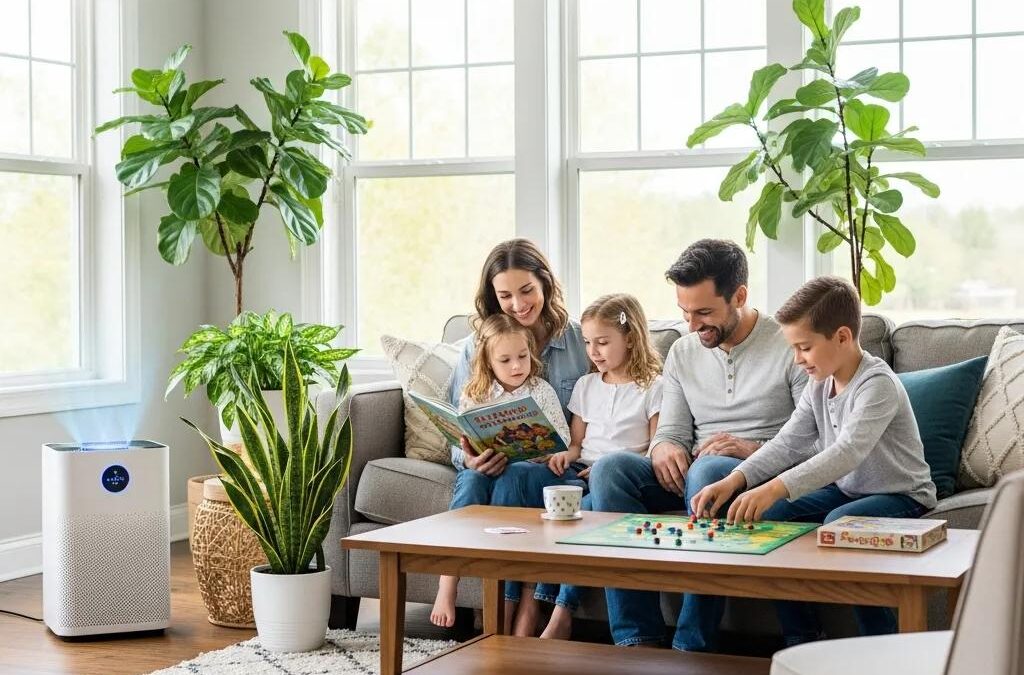
Indoor air quality (IAQ) is a critical aspect of maintaining a healthy living environment, yet many homeowners overlook its importance. This guide will provide you with essential insights into improving your home’s air quality through effective HVAC solutions. Understanding the factors that affect indoor air quality can help you reduce health risks associated with pollutants and allergens. By implementing the right strategies, you can create a cleaner, healthier home environment. This article will cover the significance of indoor air quality, common pollutants, air purification systems, filtration options, humidity control, and why MD Heating & Air Conditioning is your go-to provider for indoor air quality solutions.
What Is Indoor Air Quality and Why Is It Important for Your Health?
Indoor air quality refers to the cleanliness and healthiness of the air inside a building, which can be affected by dust, allergens, and pollutants. It is important for health because better indoor air quality contributes to cleaner and healthier air in your home, reducing the risk of respiratory issues and other health problems. Regular maintenance of HVAC systems helps improve indoor air quality by removing these contaminants and ensuring proper system function.
How Do Indoor Pollutants Affect Health and Comfort?
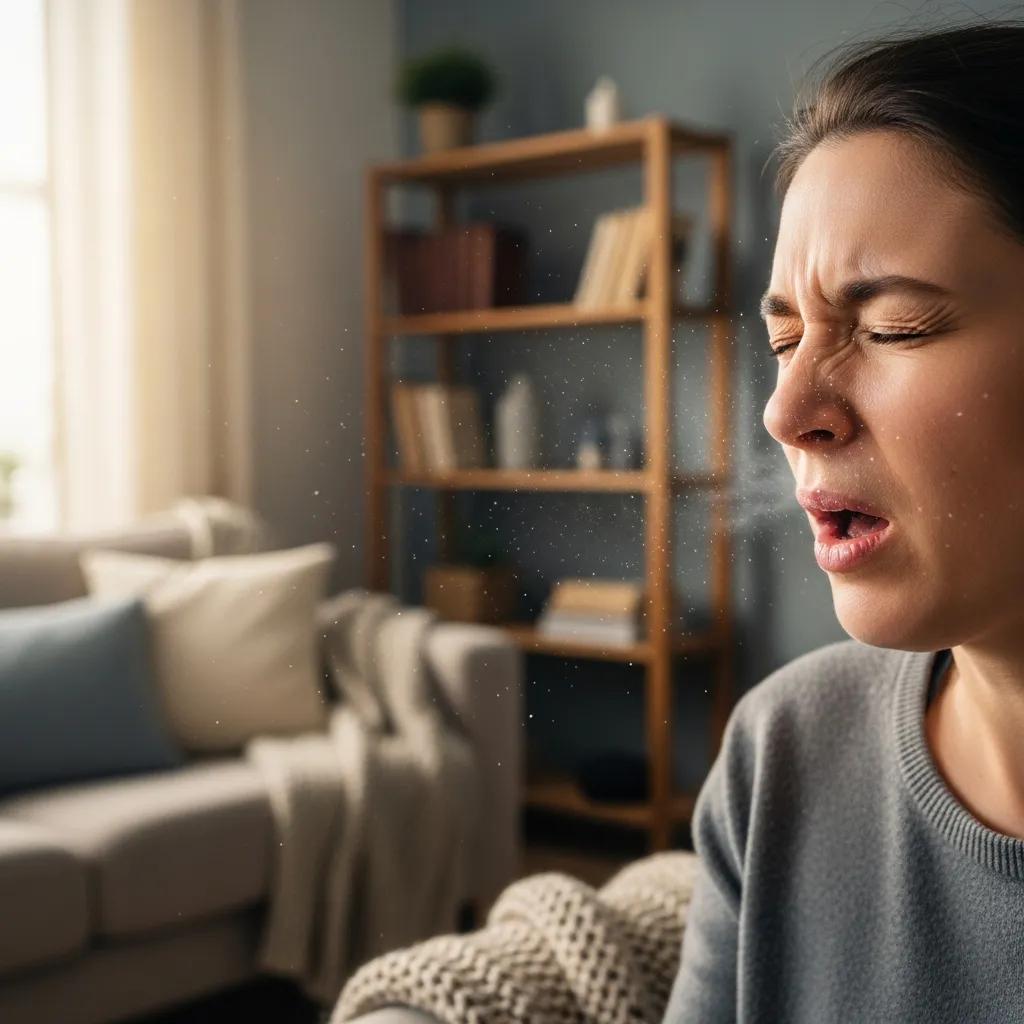
Indoor pollutants can negatively affect health by contributing to respiratory issues, allergies, and other health problems. Regular maintenance of HVAC systems helps remove dust, allergens, and pollutants, leading to better indoor air quality and a healthier living environment. Improved air quality also enhances overall comfort in the home.
What Are the Common Signs of Poor Indoor Air Quality?
Recognizing the signs of poor indoor air quality is crucial for maintaining a healthy home. Common symptoms include:
- Frequent headaches or migraines
- Persistent cough or throat irritation
- Allergic reactions such as sneezing or itchy eyes
- Fatigue or difficulty concentrating
- Unpleasant odors or musty smells
Addressing these symptoms promptly can help improve your indoor air quality and overall well-being.
Which Indoor Air Pollutants Should Greenville Homeowners Be Aware Of?
Greenville homeowners should be aware of several indoor air pollutants that can impact their health. Understanding these pollutants is essential for effective mitigation.
What Are Volatile Organic Compounds and Their Sources?
Volatile Organic Compounds (VOCs) are chemicals found in many household products, including paints, cleaning supplies, and air fresheners. These compounds can evaporate into the air, leading to poor indoor air quality. Prolonged exposure to VOCs can cause headaches, dizziness, and respiratory issues. To minimize VOC exposure, choose low-VOC products and ensure proper ventilation when using these items.
How Do Mold, Radon, and Allergens Impact Indoor Air?
Mold, radon, and allergens are significant contributors to poor indoor air quality. Mold can grow in damp areas, releasing spores that can trigger allergies and respiratory problems. Radon, a colorless, odorless gas that can seep into homes from the ground, is a known carcinogen and the second leading cause of lung cancer in the U.S. Allergens such as dust mites, pet dander, and pollen can exacerbate asthma and allergy symptoms. Regular cleaning, proper ventilation, and testing for radon can help mitigate these risks.
How Do Whole-Home Air Purification Systems Enhance HVAC Air Quality?
Whole-home air purification systems enhance HVAC air quality by removing dust, allergens, and pollutants from the air, contributing to cleaner and healthier indoor air. Regular maintenance of these systems helps ensure optimal performance, which further improves air quality in the home.
What Technologies Are Used in Whole-Home Air Purifiers?
Whole-home air purifiers utilize various technologies to improve air quality. Common technologies include:
- HEPA Filters: These filters capture 99.97% of particles as small as 0.3 microns, effectively removing allergens and pollutants.
- UV-C Lights: These lights kill or inactivate bacteria and viruses in the air, reducing the risk of airborne illnesses.
- Activated Carbon Filters: These filters absorb odors and harmful gases, improving overall air freshness.
Each technology plays a vital role in maintaining a healthy indoor environment.
How Do UV-C Lights and Energy Recovery Ventilators Work?
UV-C lights work by emitting ultraviolet light that disrupts the DNA or RNA of microorganisms, effectively neutralizing them. Energy Recovery Ventilators (ERVs) help maintain fresh air in the home by exchanging stale indoor air with fresh outdoor air while minimizing energy loss. Together, these technologies enhance indoor air quality and energy efficiency.
What Are the Best Air Filtration Systems for Allergies and Air Quality?
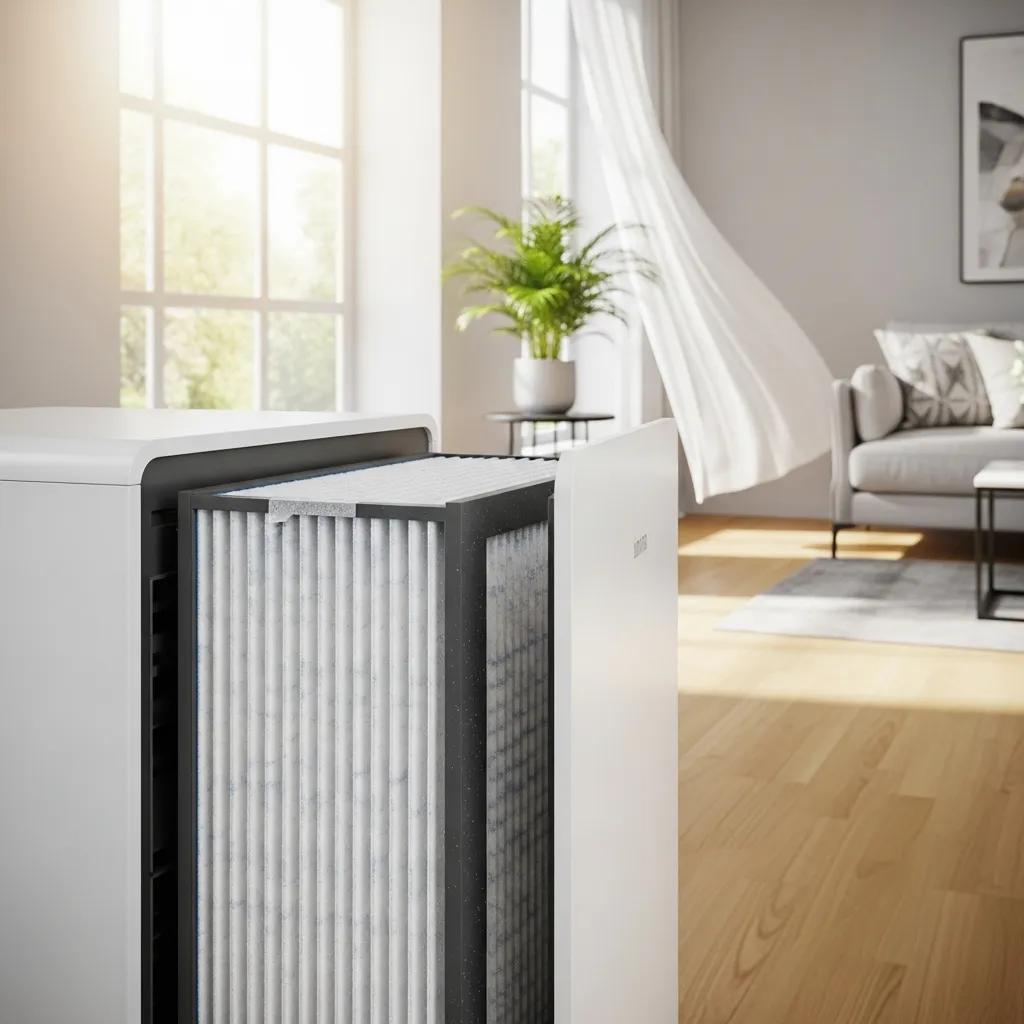
Choosing the right air filtration system is essential for allergy sufferers and those concerned about indoor air quality. Effective filtration systems can significantly reduce airborne contaminants.
How Do MERV Ratings and HEPA Filters Improve Air Filtration?
MERV (Minimum Efficiency Reporting Value) ratings indicate the effectiveness of air filters. Filters with higher MERV ratings capture smaller particles, improving air quality. HEPA filters, which meet strict efficiency standards, are particularly effective for allergy sufferers as they trap allergens and pollutants, providing cleaner air.
When Should HVAC Air Filters Be Replaced for Optimal Performance?
HVAC air filters should be replaced regularly as part of a seasonal maintenance checklist to ensure optimal performance. Regular checks can prevent unexpected breakdowns and improve indoor air quality. A good rule of thumb is to replace filters every 1-3 months, depending on usage, filter type, and household factors such as pets or allergies.
How Can Humidity Control and Ventilation Improve Indoor Air Quality?
Humidity control and ventilation can improve indoor air quality by reducing dust, allergens, and pollutants, contributing to cleaner and healthier environments. Regular maintenance of HVAC systems, which includes checking humidity levels and ensuring proper ventilation, helps maintain optimal air quality and comfort in homes.
What Are the Benefits of Dehumidifiers and Humidifiers?
Dehumidifiers help reduce excess moisture in the air, preventing mold growth and dust mites, while humidifiers add moisture to dry air, alleviating respiratory discomfort. Maintaining balanced humidity levels (ideally between 30-50%) is crucial for optimal indoor air quality and comfort.
How Do Ventilation Systems and ERVs Maintain Fresh Air?
Ventilation systems and Energy Recovery Ventilators (ERVs) play a vital role in maintaining fresh air in homes. These systems ensure a continuous flow of outdoor air while filtering out pollutants, enhancing indoor air quality. Proper ventilation reduces the concentration of indoor pollutants and helps maintain a comfortable living environment.
Why Choose MD Heating & Air Conditioning for Indoor Air Quality Testing Services?
You should choose MD Heating & Air Conditioning for indoor air quality testing services because they are committed to improving indoor air quality, energy efficiency, and overall comfort. Their experienced technicians prioritize customer satisfaction and provide tailored solutions to meet individual needs. They also offer free estimates, flexible scheduling, and 24/7 emergency support, ensuring reliable service when you need it most. Additionally, their routine maintenance helps remove dust, allergens, and pollutants, contributing to cleaner and healthier air in your home.
What Does Professional Indoor Air Quality Testing Include?
Professional indoor air quality testing includes a comprehensive assessment of your home’s air quality, identifying pollutants and sources of contamination. Technicians will measure levels of VOCs, particulate matter, radon, and humidity, providing you with a detailed report and recommendations for improvement.
How Do Local IAQ Solutions Address Greenville’s Unique Climate Challenges?
Local indoor air quality solutions are tailored to address the specific climate challenges faced by Greenville residents. High humidity levels and seasonal allergens require specialized approaches to ensure optimal air quality. MD Heating & Air Conditioning understands these local challenges and offers customized solutions to meet the needs of homeowners in the area.
This table highlights the various indoor air pollutants, their sources, and associated health effects, emphasizing the importance of addressing these issues for better indoor air quality.
In conclusion, maintaining good indoor air quality is essential for health and comfort. By understanding the pollutants that affect your home and implementing effective HVAC solutions, you can create a healthier living environment. MD Heating & Air Conditioning is here to help you with all your indoor air quality needs, ensuring your home remains a safe and comfortable space for you and your family.