
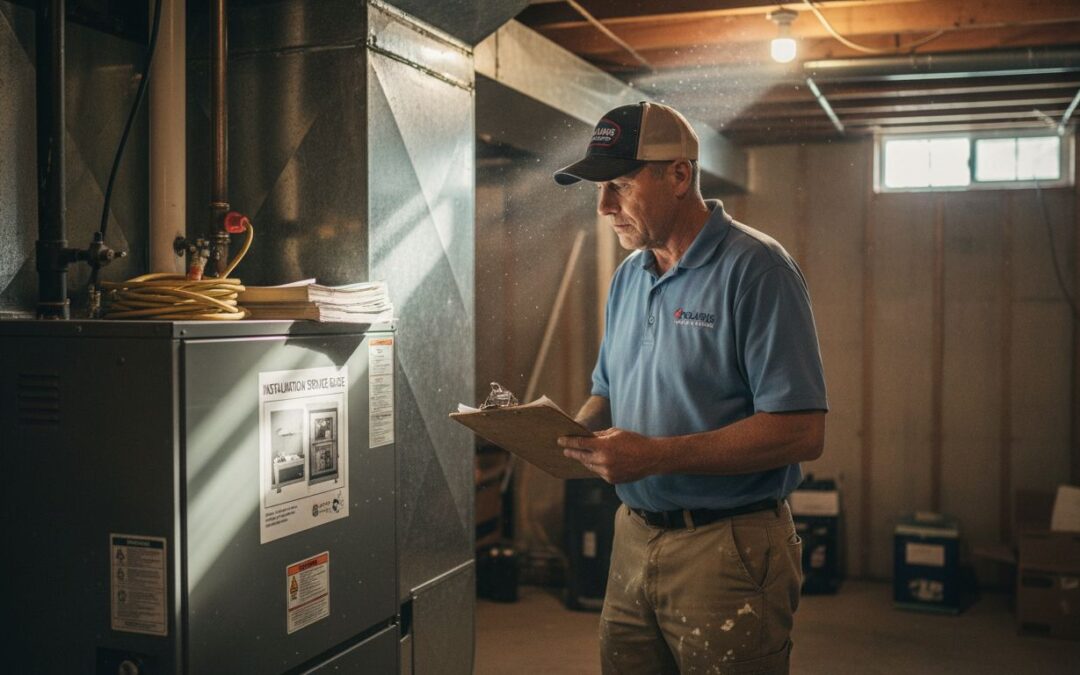
Over 90 percent of American households rely on HVAC systems to keep their homes comfortable year-round. These essential technologies do more than regulate temperature—they also help manage air quality and humidity, shaping the health and energy costs of every family. Gaining a clear understanding of the basics behind HVAC systems and their main types empowers homeowners to make smarter choices for lasting comfort and efficiency.
HVAC System Comparison Recap: Efficiency, Cost & Maintenance Insights
- Defining HVAC Systems And Key Terms
- Major Types Of Residential HVAC Systems
- How Common HVAC Systems Operate
- Energy Efficiency And Comfort Factors
- Cost, Maintenance, And Long-Term Value
- Choosing The Right HVAC For Your Space
Key Takeaways
| Point | Details |
|---|---|
| Understanding HVAC Systems | HVAC systems integrate heating, ventilation, and air conditioning to control indoor climate, enhancing comfort and air quality. |
| Types of HVAC Systems | Homeowners can choose from various systems like split, hybrid, ductless mini-split, and packaged systems based on their specific needs and spaces. |
| Energy Efficiency Considerations | Evaluating energy efficiency metrics, such as SEER ratings and smart technology, is crucial for long-term savings and comfort. |
| Importance of Maintenance | Regular professional maintenance is essential for optimizing HVAC performance, reducing costs, and extending system lifespan. |
Defining HVAC Systems and Key Terms
Heating, Ventilation, and Air Conditioning (HVAC) systems represent the technological backbone of modern indoor climate control, designed to create comfortable and healthy living environments. Understanding how HVAC systems regulate indoor environments involves recognizing their complex integration of thermodynamics, fluid mechanics, and heat transfer principles.
HVAC systems fundamentally consist of three primary components that work together to manage temperature, humidity, and air quality:
- Heating Units: Responsible for warming indoor spaces during colder periods, typically using furnaces, heat pumps, or boilers
- Ventilation Systems: Manage air circulation, removing stale air and introducing fresh outdoor air while filtering contaminants
- Air Conditioning Units: Cool and dehumidify indoor spaces during warmer seasons
Modern HVAC technology goes beyond simple temperature management. These sophisticated systems incorporate advanced sensors, smart controls, and energy-efficient technologies that can adapt to changing environmental conditions and user preferences. Property owners can now select from a range of system types, including central air conditioning, ductless mini-splits, heat pumps, and geothermal systems, each offering unique benefits for different spaces and climates.
While exploring HVAC options, homeowners should consider critical factors such as energy efficiency ratings, installation costs, maintenance requirements, and the specific climate challenges of their region. Professional HVAC maintenance agreements can help ensure optimal system performance and longevity, protecting your investment and maintaining consistent indoor comfort.
Major Types of Residential HVAC Systems
Residential HVAC systems offer homeowners a range of options to manage indoor climate effectively, each with unique characteristics designed to meet specific comfort and efficiency needs. Understanding these different system types can help you make an informed decision about the most suitable solution for your home.
Split Systems represent the most traditional residential HVAC configuration, featuring:
- Separate indoor and outdoor units
- Connected by refrigerant lines
- Typically include a furnace and air conditioner
- Provide comprehensive heating and cooling capabilities
Hybrid Systems offer enhanced energy efficiency by enabling homeowners to switch between gas and electric power for heating. These intelligent systems can automatically select the most cost-effective and environmentally friendly heating method based on current energy prices and outdoor temperatures.
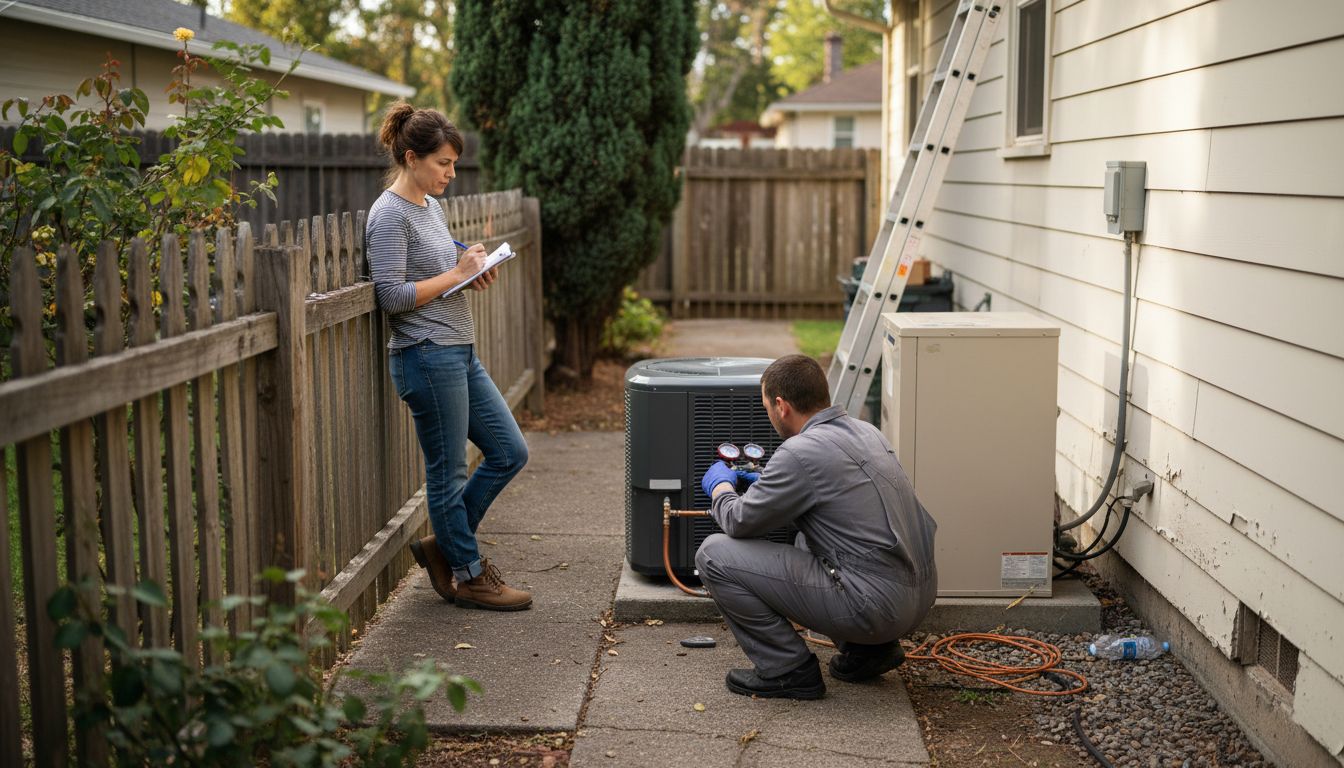
Duct-Free Mini-Split Systems provide exceptional flexibility for homes without existing ductwork or requiring targeted temperature control. These compact systems allow individual room temperature management, making them ideal for additions, renovations, or spaces with unique heating and cooling requirements. Their modular design enables precise climate control while potentially reducing overall energy consumption.
Lastly, Packaged Systems consolidate all heating and cooling components into a single outdoor unit, making them perfect for homes with limited indoor space. While typically used in smaller residences or specific regional contexts, these systems offer streamlined installation and maintenance advantages. Professional maintenance agreements can help homeowners maximize the performance and longevity of their chosen HVAC system, regardless of the type selected.
How Common HVAC Systems Operate
HVAC systems function by regulating indoor environments through a sophisticated network of heating, cooling, and ventilation processes that work together to maintain optimal comfort and air quality. These intricate systems transform raw energy into precise temperature and humidity control, ensuring consistent indoor comfort across varying environmental conditions.
Heating Mechanisms typically involve two primary approaches:
- Furnaces that generate heat through combustion or electrical resistance
- Boilers that warm water or steam for distribution through radiators
- Heat pumps that transfer thermal energy from external sources
Cooling Processes operate through complex refrigeration cycles. Air conditioning units extract heat from indoor air using refrigerant chemicals, transferring thermal energy outside and circulating cooled air throughout living spaces. Variable refrigerant flow systems represent an advanced technology that allows simultaneous heating and cooling in different zones, maximizing energy efficiency and personalized comfort.
The Ventilation Component plays a critical role in maintaining indoor air quality by facilitating continuous air exchange. Mechanical ventilation systems remove stale air, introduce fresh outdoor air, and filter potential contaminants. Some advanced systems incorporate humidity controls and air purification technologies to further enhance environmental quality. Professional maintenance agreements can help homeowners ensure these complex systems operate at peak performance, preventing potential breakdowns and optimizing overall system efficiency.
Energy Efficiency and Comfort Factors
Modern HVAC systems integrate advanced technologies to balance optimal energy efficiency with superior indoor comfort. Homeowners today face increasingly complex decisions about climate control, requiring a nuanced understanding of how system design directly impacts both utility costs and personal living experience.
Energy Efficiency Metrics play a critical role in system selection:
- SEER (Seasonal Energy Efficiency Ratio) ratings
- Annual energy consumption estimates
- Heat pump coefficient of performance
- Smart thermostat compatibility
- Zonal temperature control capabilities
Comfort Factors extend beyond simple temperature management. Advanced systems now offer precision climate control that adapts to individual preferences, tracking humidity levels, air quality, and personal thermal zones. Intelligent sensors can automatically adjust airflow, temperature, and ventilation based on occupancy, time of day, and external weather conditions.
The intersection of technology and human comfort requires careful consideration. Homeowners must balance initial equipment costs with long-term energy savings, understanding that higher efficiency systems often provide substantial financial benefits over their operational lifecycle. Professional maintenance agreements can further optimize system performance, ensuring consistent comfort while minimizing unexpected repair expenses.
Cost, Maintenance, and Long-Term Value
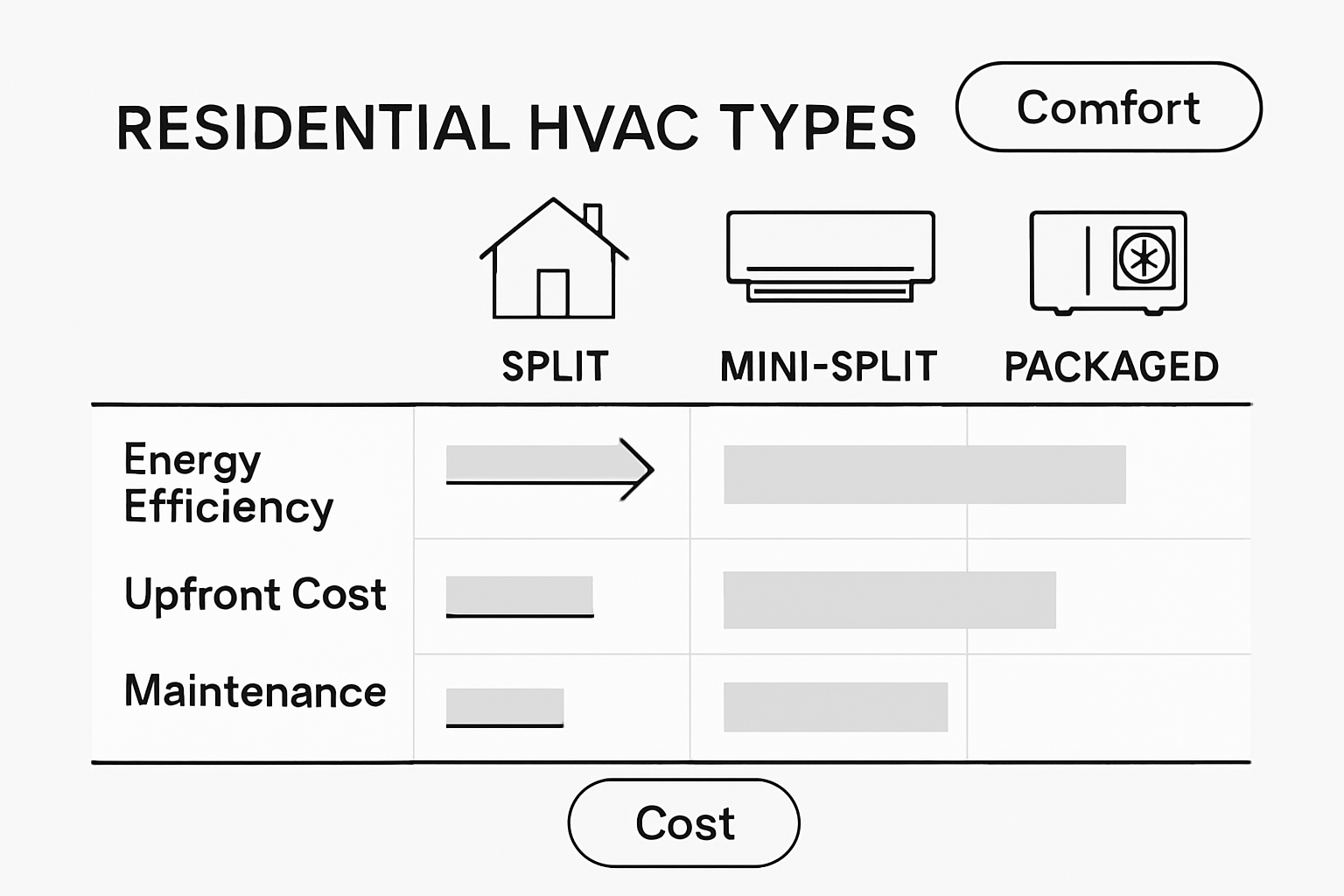
HVAC system costs encompass a complex landscape of initial investment, operational expenses, and long-term performance considerations, demanding careful financial planning and strategic decision-making from homeowners seeking optimal climate control solutions.
Initial Investment Breakdown:
- Standard split systems: $6,000 – $7,500
- High-efficiency hybrid systems: $7,500 – $9,500
- Ductless mini-split configurations: $4,000 – $8,000
- Comprehensive boiler and AC combinations: Up to $9,500
Maintenance Factors play a critical role in system longevity and performance. Regular professional servicing prevents unexpected breakdowns, extends equipment lifespan, and maintains energy efficiency. Comprehensive maintenance strategies typically include:
- Quarterly filter replacements
- Annual professional system inspections
- Cleaning of internal components
- Refrigerant level checks
- Calibration of thermostatic controls
Long-term value extends beyond immediate costs. Energy-efficient systems can generate substantial savings through reduced utility expenses, potential tax incentives, and improved home comfort. Professional maintenance agreements provide homeowners with predictable maintenance schedules, preventing costly emergency repairs and ensuring consistent system performance throughout the equipment’s operational lifecycle.
Choosing the Right HVAC for Your Space
Selecting the ideal HVAC system requires a comprehensive evaluation of multiple critical factors that extend far beyond simple square footage measurements. Homeowners must navigate a complex landscape of technical specifications, energy efficiency ratings, installation constraints, and long-term performance expectations.
Key Selection Criteria include:
- Total square footage of living space
- Regional climate conditions
- Home insulation quality
- Existing ductwork infrastructure
- Personal comfort preferences
- Budget limitations
System Configuration Considerations:
- Window units: Best for small, single-room cooling
- Split systems: Ideal for moderate-sized homes with existing ductwork
- Ductless mini-splits: Perfect for room additions or homes without central ducting
- Packaged systems: Suitable for compact spaces with limited installation options
- Central chiller/boiler systems: Recommended for larger residential or commercial properties
Making an informed decision requires careful analysis and often professional guidance. Free HVAC estimate services can provide homeowners with personalized recommendations, helping them balance immediate budget constraints with long-term comfort and energy efficiency goals. Professional consultation ensures that your chosen system matches your specific spatial and environmental requirements, ultimately delivering optimal performance and value.
Find the Perfect HVAC System for Your Home with MD Heating & Air
Choosing the right HVAC system can feel overwhelming given the many options and technical details involved like split systems, ductless mini-splits, or hybrid units. You want a solution that fits your home’s size, climate, and energy goals while providing reliable comfort year-round. At MD Heating & Air, we understand these challenges and are ready to help you navigate the options with confidence. Whether you seek expert guidance on installation or need ongoing support, our heating services and maintenance tips are designed to keep your system running smoothly in Greenville and beyond.

Don’t settle for uncertainty about your HVAC choice. Act now to get a free personalized estimate from trusted local professionals who prioritize your comfort and energy efficiency. Visit MD Heating & Air today and take the first step toward a smarter, more comfortable home.
Frequently Asked Questions
What are the main components of an HVAC system?
The main components of an HVAC system include heating units (furnaces, heat pumps, or boilers), ventilation systems for air circulation, and air conditioning units that cool and dehumidify the indoor spaces.
How do I determine the best HVAC system for my home?
To determine the best HVAC system for your home, consider factors such as total square footage, regional climate conditions, insulation quality, existing ductwork, personal comfort preferences, and budget limitations.
What are the benefits of a ductless mini-split HVAC system?
Ductless mini-split systems offer exceptional flexibility for homes without existing ductwork, allowing for individual room temperature control. They are ideal for renovations, additions, or specific spaces needing unique heating and cooling.
How can I improve the energy efficiency of my HVAC system?
You can improve the energy efficiency of your HVAC system by choosing a high-efficiency model, regularly replacing filters, scheduling annual professional inspections, and using smart thermostats to optimize temperature control.