HVAC Maintenance Tips for Energy Efficiency: How to Lower Your Heating and Cooling Bills
Maintaining an efficient HVAC system is crucial for reducing energy costs and ensuring comfort in your home. This article will provide practical tips on HVAC maintenance that can help you lower your heating and cooling bills. By understanding the importance of regular maintenance, utilizing smart technology, and implementing best practices, you can significantly enhance your HVAC system’s performance. Many homeowners face high energy bills due to inefficient HVAC operations, but with the right strategies, you can achieve substantial savings. We will explore essential maintenance tips, the role of smart thermostats, air filter practices, duct sealing, and local energy-saving programs available in Greenville, SC.
Why Is Regular HVAC Maintenance Essential for Energy Savings?
Regular HVAC maintenance is vital for ensuring energy efficiency and prolonging the lifespan of your system. By scheduling routine check-ups, you can identify potential issues before they escalate into costly repairs. Regular maintenance helps to optimize system performance, which directly translates to lower energy consumption. Additionally, a well-maintained HVAC system operates more efficiently, providing consistent comfort throughout your home.
How Does Annual HVAC Tune-Up Improve Efficiency?
An annual HVAC tune-up can significantly enhance your system’s efficiency. During a tune-up, a qualified technician will inspect and clean various components, ensuring they function optimally. This process can lead to improved airflow, reduced energy consumption, and lower utility bills. Studies show that regular tune-ups can increase system efficiency by around 5-15%, making it a worthwhile investment for homeowners.
What Are the Benefits of Preventative HVAC Maintenance?
Preventative HVAC maintenance offers numerous benefits that contribute to energy savings. Regular inspections can help identify and rectify minor issues before they develop into major problems, which can be costly to repair. Furthermore, maintaining your HVAC system can extend its lifespan, reducing the need for premature replacements. Homeowners who invest in preventative maintenance often experience improved indoor air quality, as clean systems circulate air more effectively.
How Can Smart Thermostats Help Reduce Your Energy Costs?
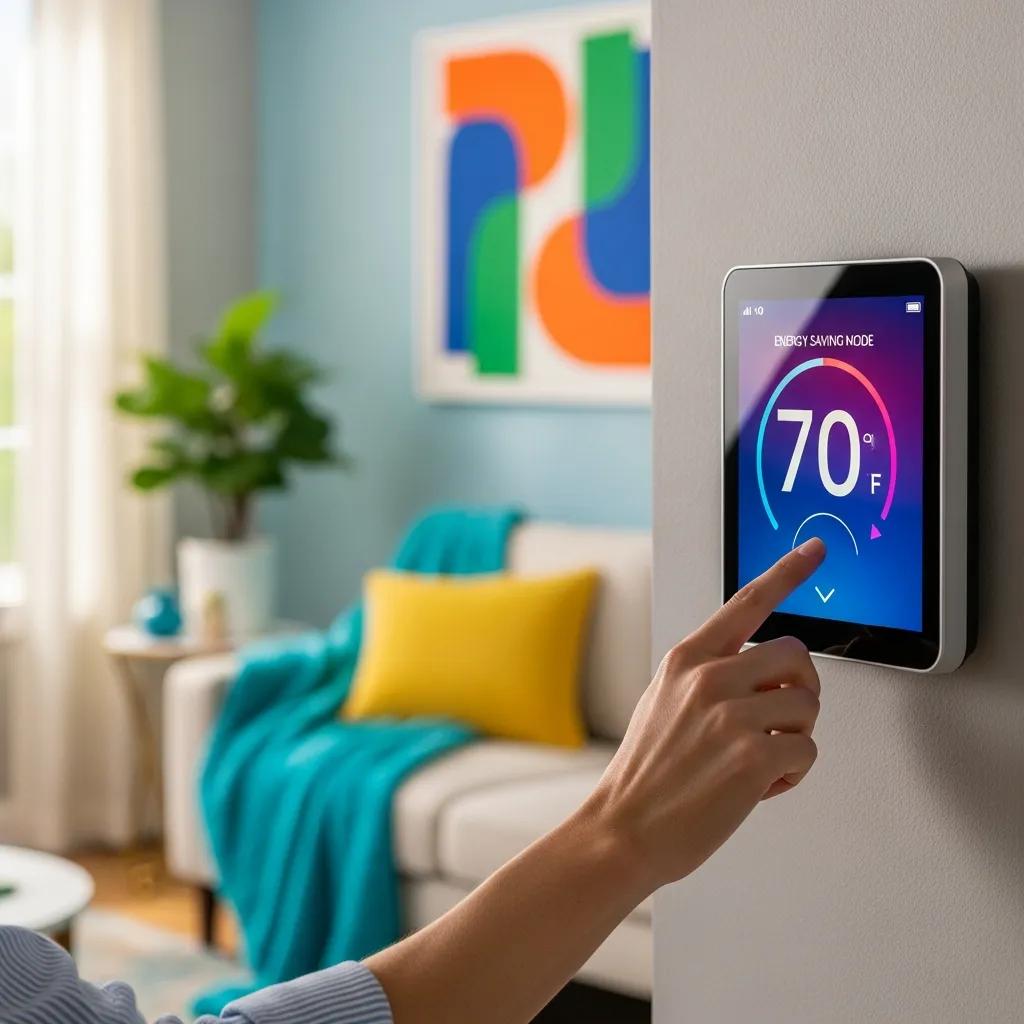
Smart thermostats are an excellent tool for enhancing HVAC efficiency and reducing energy costs. These devices allow homeowners to control their heating and cooling systems remotely, optimizing energy use based on their schedules and preferences. By learning your habits, smart thermostats can adjust temperatures automatically, ensuring that energy is not wasted when you are not home.
What Features Make Smart Thermostats Energy Efficient?
Several features make smart thermostats particularly energy-efficient. For instance, scheduling options allow you to set specific temperatures for different times of the day, while geofencing capabilities adjust settings based on your location. Additionally, many smart thermostats provide energy usage reports, helping you understand your consumption patterns and make informed decisions about your energy use.
How to Program Your Thermostat for Maximum Savings?
To maximize savings with your smart thermostat, start by programming it to align with your daily routine. Set the temperature lower during the winter and higher during the summer when you are away from home. Utilize energy-saving modes during peak hours to reduce consumption. Regularly review your energy usage reports to identify trends and adjust your settings accordingly for optimal savings.
What Are the Best Practices for Air Filter Replacement?
Air filter maintenance is crucial for ensuring efficient HVAC operation. Clogged or dirty filters can restrict airflow, forcing your system to work harder and consume more energy. Regularly replacing your air filters can improve indoor air quality and enhance system efficiency.
How Often Should You Change HVAC Air Filters?
The frequency of air filter changes depends on several factors, including the type of filter, usage, and household conditions. Generally, it is recommended to check filters monthly and replace them every 1-3 months. Homes with pets or allergies may require more frequent changes to maintain optimal air quality and system performance.
Which Air Filter Types Optimize Energy Efficiency?
Different air filter types can impact your HVAC system’s efficiency. High-efficiency particulate air (HEPA) filters are excellent for trapping small particles and allergens, but they are not typically used in standard residential HVAC systems due to airflow restrictions. Pleated filters offer a good balance between airflow and filtration. Understanding the MERV (Minimum Efficiency Reporting Value) ratings can help you choose the right filter for your system, ensuring optimal performance and energy savings.
This table illustrates how different air filter types can affect HVAC efficiency and air quality. Choosing the right filter can lead to significant energy savings and improved indoor air conditions.
How Does Proper Duct Sealing and Home Insulation Impact HVAC Efficiency?
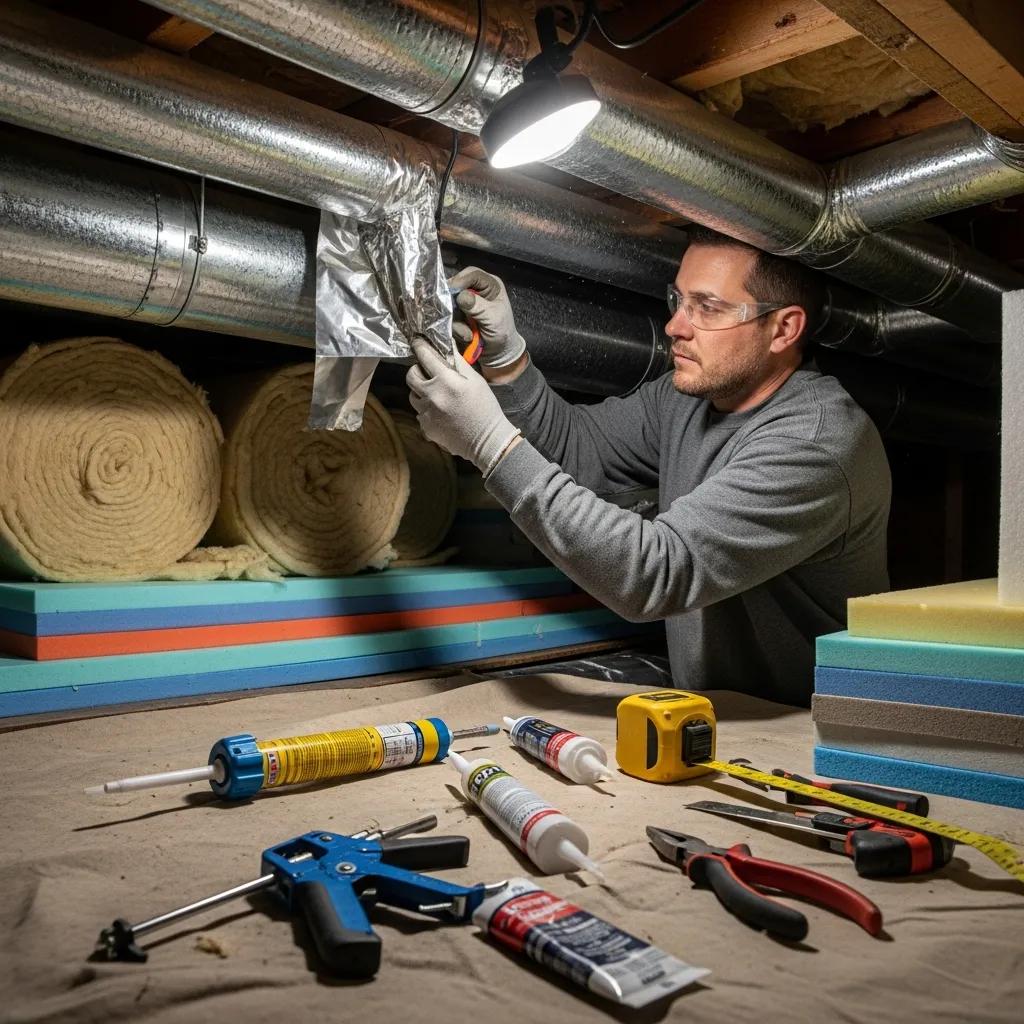
Proper duct sealing and home insulation are critical components of an energy-efficient HVAC system. Leaky ducts can lead to significant energy loss, while inadequate insulation can cause temperature fluctuations, forcing your system to work harder.
Why Is Duct Sealing Critical for Reducing Energy Loss?
Duct sealing is essential for preventing air leaks that can waste energy and reduce system efficiency. Sealing ducts can improve airflow and ensure that conditioned air reaches its intended destination. Studies indicate that sealing ducts can improve HVAC efficiency by up to 20%, leading to lower energy bills.
How Does Home Insulation Affect Heating and Cooling Bills?
Home insulation plays a vital role in maintaining comfortable indoor temperatures. Proper insulation reduces heat transfer, keeping your home warmer in the winter and cooler in the summer. This efficiency translates to lower heating and cooling costs, as your HVAC system does not have to work as hard to maintain desired temperatures.
When Should You Consider Energy-Efficient HVAC Upgrades?
Upgrading to energy-efficient HVAC systems can provide long-term savings and improved comfort. If your system is over 15 years old or requires frequent repairs, it may be time to consider an upgrade.
What Are the Benefits of Upgrading to High-Efficiency Heat Pumps?
High-efficiency heat pumps offer several advantages, including lower energy consumption and reduced greenhouse gas emissions. These systems can provide both heating and cooling, making them versatile options for year-round comfort. Additionally, many utility companies offer incentives for upgrading to energy-efficient systems, further enhancing the financial benefits.
How Do SEER, AFUE, and HSPF Ratings Influence Energy Savings?
Understanding efficiency ratings such as SEER (Seasonal Energy Efficiency Ratio), AFUE (Annual Fuel Utilization Efficiency), and HSPF (Heating Seasonal Performance Factor) is crucial when selecting an HVAC system. Higher ratings indicate better energy efficiency, which can lead to significant savings on utility bills over time. Investing in systems with high ratings can provide long-term benefits and reduce your environmental impact.
What Local HVAC Energy Saving Programs and Seasonal Tips Apply in Greenville, SC?
Greenville residents can take advantage of various local energy-saving programs designed to promote HVAC efficiency. These programs often provide financial incentives for upgrading to energy-efficient systems or participating in energy audits.
Which Energy Incentives and Rebates Are Available Locally?
Local utility companies may offer rebates for energy-efficient HVAC upgrades, including heat pumps and smart thermostats. Additionally, federal tax credits may be available for qualifying energy-efficient home improvements. Homeowners should check with local providers for specific programs and eligibility requirements.
How to Adjust HVAC Maintenance for South Carolina’s Climate?
In South Carolina, HVAC maintenance should be tailored to the local climate, which can be hot and humid. Regularly cleaning and replacing air filters is essential, as is ensuring that your system is equipped to handle high humidity levels. Scheduling maintenance before peak seasons can help ensure your system operates efficiently when you need it most.
MD Heating & Air Conditioning, led by owner Michael Donnelly, has served Greenville County, SC, and surrounding areas since 2014, specializing in HVAC services. The company offers a comprehensive range of solutions including AC installation, service, maintenance, repairs, and replacement, as well as heating installation, service, maintenance, repairs, and replacement. They also provide heat pump services, indoor air quality solutions, and chimney liners.