Prepare Your Home Heating System for Winter: Essential Steps
As winter approaches, ensuring your heating system is ready for the cold months ahead is crucial for maintaining comfort and safety in your home. This comprehensive guide will walk you through essential steps to prepare your heating system for winter, focusing on the importance of maintenance, safety checks, and energy efficiency. Many homeowners overlook the significance of winter preparation, which can lead to unexpected breakdowns and increased energy costs. By following these steps, you can ensure your heating system operates efficiently and safely throughout the winter season. This article will cover the importance of preparation, key DIY checklist steps, when to schedule professional services, how to inspect HVAC components, safety measures to take, and advanced winterization tips.
What Is the Importance of Winter Heating System Preparation?
Preparing your heating system for winter is vital for several reasons. First, it enhances safety by reducing the risk of carbon monoxide leaks and other hazards associated with malfunctioning systems. Second, proper maintenance improves heating efficiency, which can lead to significant cost savings on energy bills. Lastly, a well-prepared heating system ensures consistent comfort throughout the colder months, preventing unexpected breakdowns during peak usage times.
How Does Proper Maintenance Improve Heating Efficiency and Safety?
Regular maintenance of your heating system plays a crucial role in enhancing both efficiency and safety. By scheduling routine inspections and servicing, you can identify potential issues before they escalate into costly repairs. For instance, cleaning or replacing air filters can improve airflow, allowing your system to operate more efficiently. Additionally, regular maintenance helps prevent dangerous situations, such as carbon monoxide leaks, by ensuring that all components are functioning correctly.
What Are the Cost Savings and Comfort Benefits of Winter Prep?
Investing time and resources into winter preparation can lead to substantial cost savings and increased comfort. Homeowners who prepare their heating systems often experience lower energy bills due to improved efficiency. Furthermore, a well-maintained system provides consistent heating, reducing the likelihood of cold spots in your home. This proactive approach not only enhances comfort but also extends the lifespan of your heating system, saving you money in the long run.
What Are the Key DIY Winter Heating System Checklist Steps?
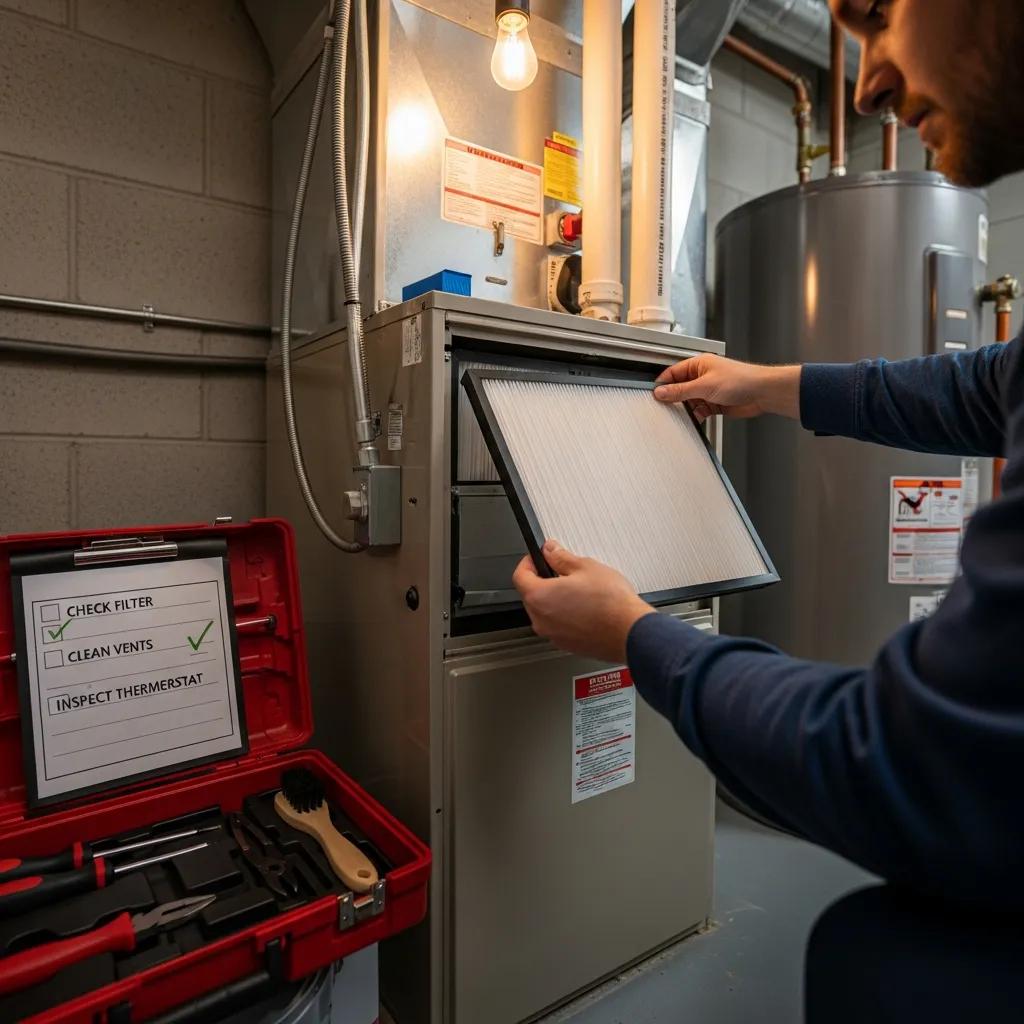
- Change the Air Filter: Regularly replacing your furnace air filter ensures optimal airflow and efficiency. Choose a high-efficiency filter to capture more dust and allergens.
- Test Your Thermostat: Ensure your thermostat is functioning correctly by testing its settings. Consider upgrading to a smart thermostat for better energy management.
- Inspect Ductwork: Check for any leaks or blockages in your ductwork. Sealing ducts can improve efficiency and indoor air quality.
For those looking for professional assistance, MD Heating & Air Conditioning offers comprehensive HVAC services, including installation, maintenance, and repair for both residential and commercial clients.
How to Change and Choose the Right Furnace Air Filter for Winter?
Changing your furnace air filter is a simple yet essential task. Start by identifying the correct size and type of filter for your system. High-efficiency filters are recommended as they trap more particles, improving indoor air quality. Replace the filter every 1-3 months, especially during peak usage seasons, to maintain optimal airflow and efficiency.
How to Test and Optimize Your Thermostat for Energy Savings?
Testing your thermostat is crucial for ensuring your heating system operates efficiently. Begin by setting the thermostat to your desired temperature and observing if the system responds accordingly. For energy savings, consider programming your thermostat to lower temperatures during the night or when you are away from home. Smart thermostats can automatically adjust settings based on your habits, further enhancing energy efficiency.
When Should You Schedule Professional Heating System Tune-Up Services?
Scheduling a professional heating system tune-up is essential for maintaining optimal performance. Ideally, you should arrange for a tune-up before the winter season begins, allowing ample time for any necessary repairs. A professional service can identify issues that may not be apparent during a DIY inspection, ensuring your system is ready for the cold months ahead.
What Does a Comprehensive Furnace Tune-Up Include?
- Inspection of Key Components: Technicians will check critical parts such as the heat exchanger, burners, and blower motor for any signs of wear or damage.
- Cleaning Procedures: Cleaning the furnace and its components helps improve efficiency and prolongs the system’s lifespan.
- Safety Checks: Technicians will perform safety checks to ensure there are no carbon monoxide leaks and that the system operates safely.
Why Is Heat Exchanger Inspection Critical for Carbon Monoxide Safety?
The heat exchanger is a vital component of your heating system, responsible for transferring heat to the air circulating in your home. Regular inspection of the heat exchanger is critical for preventing carbon monoxide leaks, which can pose serious health risks. Signs of a failing heat exchanger include unusual noises, rust, or cracks. If you suspect an issue, contact a professional immediately.
How to Inspect and Maintain HVAC Components for Winter Efficiency?
Inspecting and maintaining your HVAC components is essential for ensuring efficient operation during winter. Regular checks can help identify potential issues before they become significant problems.
What Are the Benefits of Ductwork Inspection and Sealing?
- Improved Airflow: Sealing leaks in your ductwork ensures that heated air reaches all areas of your home, improving overall comfort.
- Energy Savings: By preventing heated air from escaping, you can reduce your energy bills significantly.
- Enhanced Indoor Air Quality: Sealed ducts prevent dust and allergens from entering your home, improving air quality.
How to Prepare Heat Pumps for Winter Performance?
- Clear Debris: Ensure that the outdoor unit is free from leaves, snow, and other debris that could obstruct airflow.
- Check Refrigerant Levels: Low refrigerant levels can hinder performance. Have a professional check and refill if necessary.
- Inspect Electrical Components: Regularly check electrical connections and components for wear or damage to ensure safe operation.
What Safety Measures Should Be Taken Before Winter Heating Use?
Before using your heating system for the first time in winter, it’s essential to take specific safety measures to ensure safe operation.
How to Test and Maintain Carbon Monoxide Detectors?
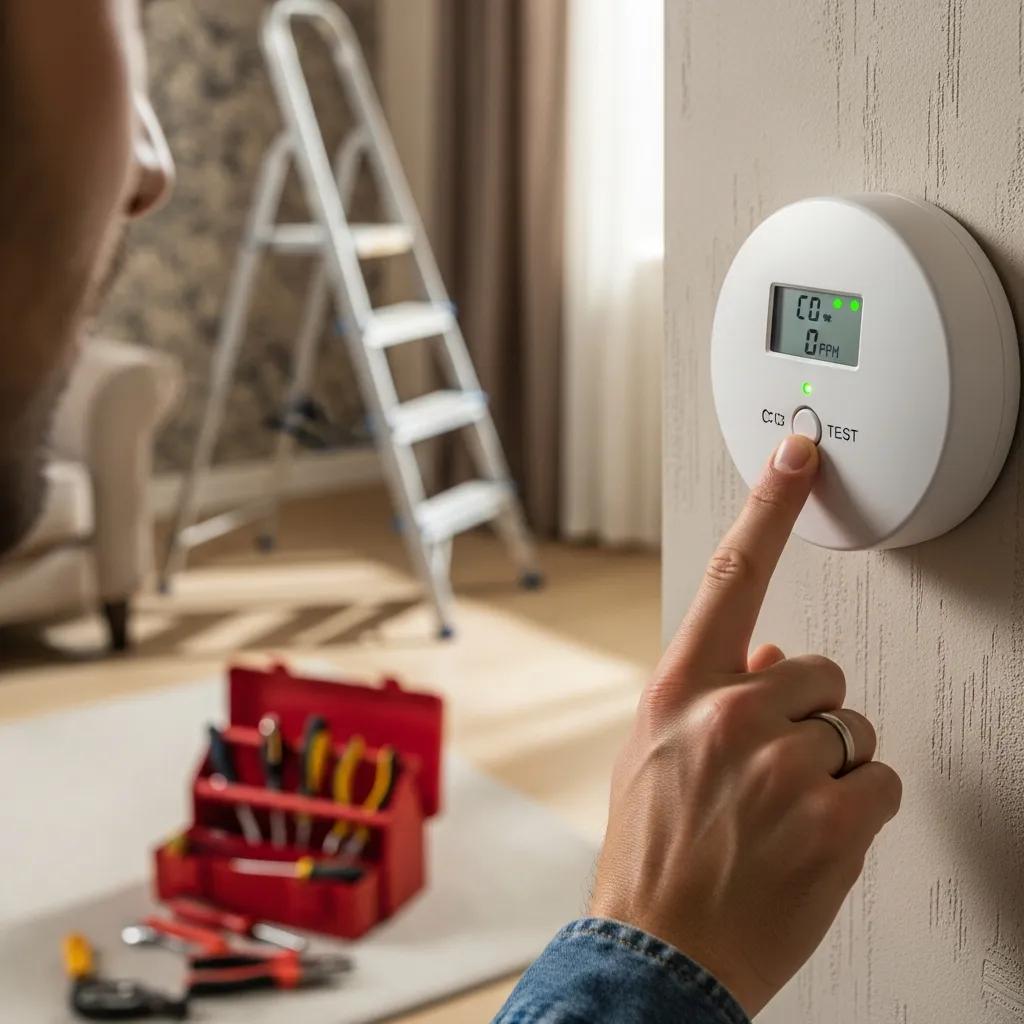
- Test Monthly: Press the test button on your detectors monthly to ensure they are functioning correctly.
- Replace Batteries: Change the batteries at least once a year or when the detector chirps, indicating low battery.
- Replace Detectors: Carbon monoxide detectors should be replaced every 5-7 years, depending on the manufacturer’s recommendations.
What Are the Signs of Furnace Problems Requiring Emergency Repair?
- Unusual Noises: Loud banging or clanking sounds may indicate mechanical issues.
- Inconsistent Heating: If some rooms are significantly colder than others, it may signal a problem with your system.
- Furnace Shutdowns: Frequent shutdowns or failure to start can indicate serious issues that require immediate attention.
How Can Advanced Winterization Tips Enhance Home Heating Comfort?
In addition to basic preparation, advanced winterization tips can further enhance your home’s heating comfort.
What Are the Advantages of Programmable and Smart Thermostats?
- Energy Savings: These devices can automatically adjust temperatures based on your schedule, reducing energy consumption.
- Remote Access: Many smart thermostats allow you to control your heating system remotely via smartphone apps.
- Learning Capabilities: Some models learn your habits and adjust settings accordingly, optimizing comfort and efficiency.
How Do Indoor Air Quality Solutions Improve Winter Home Environment?
- Air Purifiers: Using HEPA air purifiers can help remove allergens and pollutants from the air.
- Humidifiers: Maintaining optimal humidity levels (between 30-50%) can prevent dry skin and respiratory issues during the winter months.
- Ventilation Systems: Proper ventilation helps reduce indoor air pollutants and ensures a steady supply of fresh air.