How to Improve Your Home’s Indoor Air Quality: Essential Strategies
Indoor air quality (IAQ) is a critical aspect of maintaining a healthy home environment, yet many homeowners overlook its importance. Poor indoor air quality can lead to various health issues, including respiratory problems, allergies, and overall discomfort. This comprehensive guide will explore effective strategies to improve indoor air quality, ensuring a healthier living space for you and your family. We will delve into the definition of indoor air quality, common pollutants, and practical solutions to enhance your home’s air quality. Additionally, we will discuss the role of ventilation and humidity control, the importance of air quality testing, and maintenance practices that support long-term improvements. By the end of this article, you will have a clear understanding of how to create a healthier indoor environment.
What Is Indoor Air Quality and Why Does It Matter?
Indoor air quality refers to the condition of the air within buildings, particularly as it relates to the health and comfort of occupants. It is influenced by various factors, including the presence of pollutants, humidity levels, and ventilation. Maintaining good indoor air quality is essential because it directly impacts health, comfort, and overall well-being. Poor IAQ can lead to a range of health issues, including headaches, fatigue, and respiratory problems, making it crucial for homeowners to understand its significance.
How Does Indoor Air Quality Affect Health and Comfort?
The link between indoor air quality and health is well-documented. Poor IAQ can exacerbate respiratory issues, trigger allergies, and contribute to long-term health problems. For instance, studies show that individuals exposed to high levels of indoor pollutants, such as volatile organic compounds (VOCs) and particulate matter, are at a greater risk of developing asthma and other respiratory conditions. Furthermore, good indoor air quality enhances comfort by reducing odors and maintaining a pleasant living environment.
What Are Common Indoor Air Pollutants in Homes?
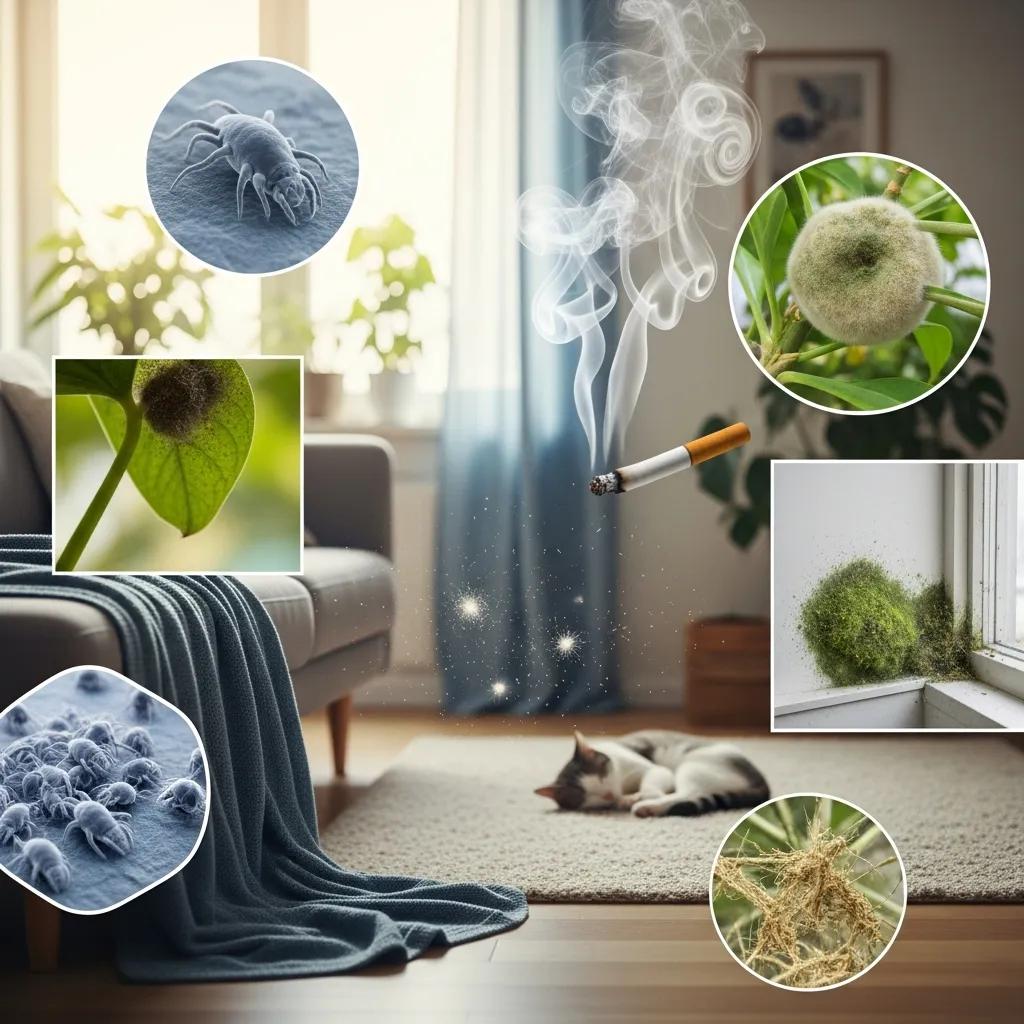
Common indoor air pollutants include dust mites, mold, pet dander, tobacco smoke, and VOCs emitted from household products. These pollutants can accumulate in the home, particularly in poorly ventilated areas, leading to decreased air quality. Understanding the sources of these pollutants is essential for homeowners looking to improve their indoor environment. Regular cleaning, proper ventilation, and the use of air purifiers can help mitigate these issues.
Which Indoor Air Quality Solutions Can Improve Your Home’s Air?
There are several effective solutions available to enhance indoor air quality. Homeowners can choose from a variety of air quality solutions tailored to their specific needs. These solutions range from air purification systems to HVAC improvements that can significantly impact the air quality in your home.
How Do Whole House Air Purification Systems Work?
Whole house air purification systems work by filtering and cleaning the air throughout the entire home. These systems typically use advanced filtration technologies, such as HEPA filters and UV light, to remove airborne particles and pathogens. By continuously circulating and purifying the air, these systems help reduce allergens and improve overall air quality, making them an excellent investment for homeowners concerned about IAQ.
What Are the Benefits of HVAC Air Quality Improvements?
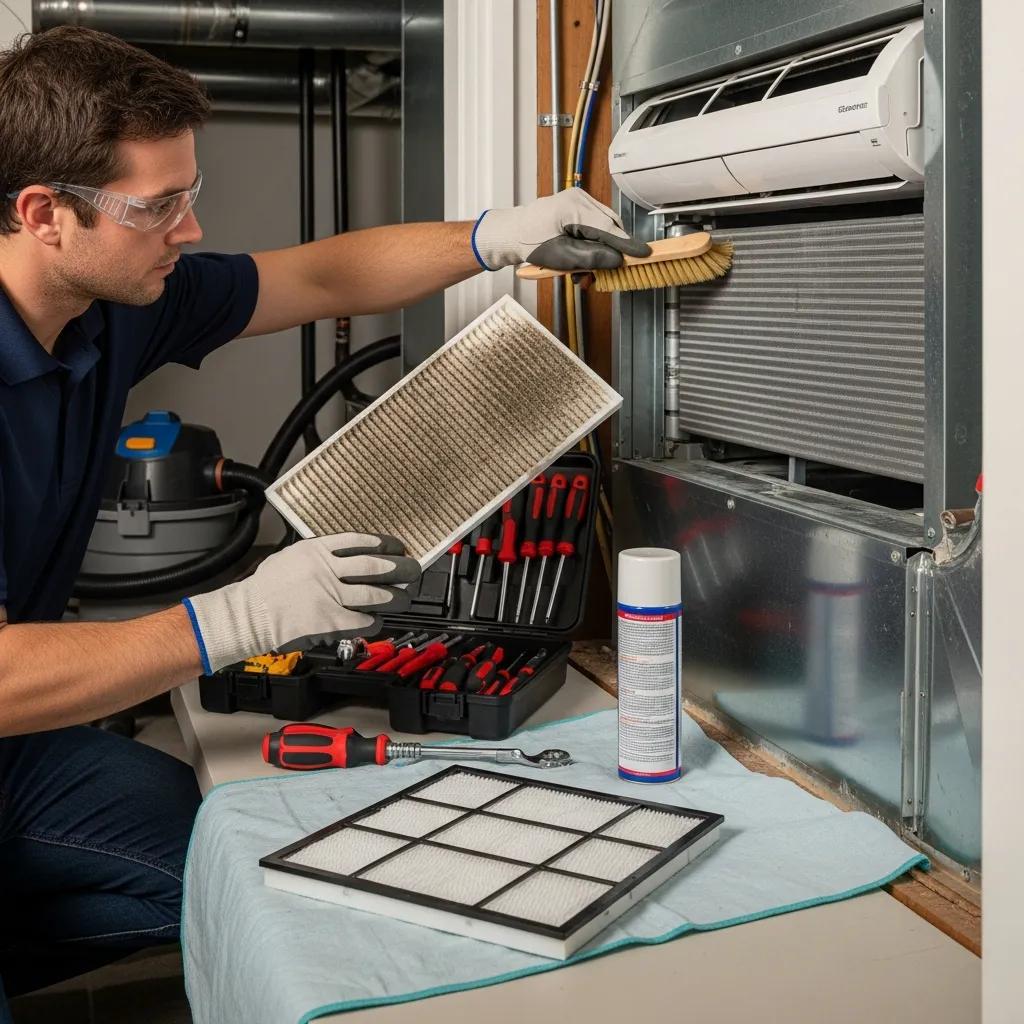
Improving the air quality of your HVAC system can lead to numerous benefits. Enhanced filtration systems can trap more dust, pollen, and other pollutants, resulting in cleaner air. Additionally, regular maintenance of HVAC systems ensures optimal performance, reducing energy consumption and lowering utility bills. Homeowners who invest in air quality improvements often experience fewer respiratory issues and a more comfortable living environment.
How Can Home Ventilation and Humidity Control Enhance Indoor Air Quality?
Proper ventilation and humidity control are vital components of maintaining good indoor air quality. Effective ventilation systems help to remove stale air and introduce fresh air, while humidity control prevents the growth of mold and mildew.
What Are Effective Home Ventilation Solutions Like ERVs and HRVs?
Energy Recovery Ventilators (ERVs) and Heat Recovery Ventilators (HRVs) are effective solutions for improving home ventilation. These systems work by exchanging stale indoor air with fresh outdoor air while recovering energy from the outgoing air. This process helps maintain comfortable indoor temperatures and humidity levels, contributing to better overall air quality.
How Do Humidifiers and Dehumidifiers Maintain Healthy Air Moisture Levels?
Humidifiers and dehumidifiers play a crucial role in maintaining healthy moisture levels in the air. Humidifiers add moisture to the air, which can alleviate dry skin and respiratory issues, especially in winter months. Conversely, dehumidifiers reduce excess moisture, preventing mold growth and improving comfort. By using these devices appropriately, homeowners can create a balanced indoor environment that supports better air quality.
When and How Should You Perform Air Quality Testing at Home?
Regular air quality testing is essential for identifying potential issues and ensuring a healthy living environment. Homeowners should consider testing their indoor air quality at least once every 1-3 years or when experiencing unexplained health symptoms.
What Are Professional Indoor Air Quality Testing Services?
Professional indoor air quality testing services assess the levels of various pollutants in your home. These services typically include comprehensive evaluations of air quality, identifying sources of contamination, and providing recommendations for improvement. Engaging a professional can help homeowners understand their specific air quality challenges and implement effective solutions.
How to Identify Signs of Poor Indoor Air Quality in Your Home?
Signs of poor indoor air quality can manifest in various ways, including persistent odors, increased allergy symptoms, and visible mold growth. Homeowners should be vigilant for these indicators and take action to address any issues promptly. Regular inspections and maintenance can help prevent the deterioration of indoor air quality.
What Maintenance Practices Support Long-Term Indoor Air Quality?
Maintaining good indoor air quality requires ongoing attention and care. Implementing regular maintenance practices can significantly enhance the longevity and effectiveness of air quality solutions.
How Often Should HVAC Filters Be Replaced for Optimal Air Quality?
Replacing HVAC filters regularly is crucial for maintaining optimal air quality. Homeowners should check their filters monthly and replace them every 1-3 months, depending on usage, filter type, and household conditions such as pets or allergies. Clean filters ensure that the HVAC system operates efficiently, trapping dust and allergens effectively.
What Are the Benefits of Professional Air Duct Cleaning Services?
Professional air duct cleaning services can significantly improve indoor air quality by removing dust, debris, and allergens from the ductwork. This process enhances the efficiency of the HVAC system and reduces the risk of respiratory issues caused by contaminated air. While regular duct cleaning can be beneficial, it is generally recommended every 3-5 years or when visible mold, pests, or excessive dust buildup is present.
Why Choose MD Heating & Air Conditioning for Indoor Air Quality Solutions in Greenville, SC?
When it comes to enhancing indoor air quality, choosing the right service provider is essential. MD Heating & Air Conditioning, led by owner Michael Donnelly since 2014, offers a range of HVAC services tailored to meet the needs of homeowners in Greenville County, SC.
What Unique Services Does MD Heating & Air Provide for IAQ Improvement?
MD Heating & Air Conditioning specializes in indoor air quality solutions, including the installation of advanced air purification systems and HVAC improvements. Their expertise ensures that homeowners receive tailored solutions that effectively address their specific air quality concerns.
How Does Local Expertise Benefit Greenville County Homeowners?
Local expertise is invaluable for homeowners seeking to improve their indoor air quality. MD Heating & Air Conditioning understands the unique challenges faced by residents in Greenville County, providing prompt and effective solutions. Their commitment to customer satisfaction and quality service makes them a trusted partner in creating healthier indoor environments.