Expert Heat Pump Repair & Installation in Greenville, SC
Heat pump services include installation, repair, maintenance, and replacement of systems that heat and cool by moving heat rather than creating it. For Greenville homeowners, they’re a practical way to stay comfortable all year. This guide walks through how heat pumps perform in our local climate, common problems we see, and the service options that fix them. You’ll get straightforward advice on maintenance timing, when to repair versus replace, and typical costs and financing. If you’re dealing with higher energy bills, uneven comfort, or repeated breakdowns, these diagnostic pointers and decision checkpoints will help you choose the best path. We also explain what to expect during installation and emergency service and highlight the local capabilities and trust signals from MD Heating & Air Conditioning. Read on to better understand your options for efficient heating and cooling in Greenville.
What Are Heat Pumps and How They Fit Greenville’s Climate
A heat pump is a home comfort system that transfers heat between indoors and outdoors using a refrigerant cycle. It provides heating and cooling without combustion, making it an efficient year‑round choice. In heating mode the unit pulls available heat from outside and moves it inside; in cooling mode it reverses and sends heat outdoors. Greenville’s mild winters and humid summers mean heat pumps often run efficiently here and can cost less to operate than electric resistance heat. They also work well with ductless mini‑split setups for homes without ductwork. Knowing this basic cycle explains why a single system can cover both seasonal needs and help control humidity locally.
How One Unit Gives Both Heating and Cooling
A heat pump does both jobs by flipping refrigerant flow with a reversing valve so the same compressor and coils either absorb heat or release it. Refrigerant evaporates at low pressure to pick up heat and condenses at higher pressure to dump heat, with the compressor and expansion device controlling the process. In winter the outdoor coil acts like the evaporator and the indoor coil becomes the condenser; in summer they swap roles so indoor air is cooled while heat is moved outside. That reversible cycle lets one system handle heating and cooling with fewer parts than separate furnace and AC setups. Below we explain why that flexibility is especially useful for Greenville homes.
Why Heat Pumps Work Well in Greenville, SC
Heat pumps suit Greenville because they deliver efficient heat at the moderate temperatures we usually see and strong cooling during humid summers. Unlike electric resistance heat, heat pumps move energy instead of creating it, so they often lower heating costs while keeping indoor temperatures steady. Modern systems include defrost cycles to handle occasional cold snaps and provide consistent dehumidification in cooling mode. If you face extended cold spells, auxiliary or backup heat can support performance, which is why proper sizing and control choices matter at installation.
What Heat Pump Services MD Heating & Air Provides in Greenville
We offer the full range of heat pump services: accurate sizing and professional installation, diagnostic repairs, scheduled maintenance, replacement planning, and ductless mini‑split solutions for zoned comfort. Good service starts with a load calculation to match capacity to your home, followed by certified installation, safe refrigerant handling, and commissioning to confirm efficiency. Our repair work covers refrigerant leaks, airflow issues, and electrical faults, and regular maintenance keeps systems running longer. The table below compares common heat pump types to help you pick the right approach for your home and budget.
That comparison clarifies tradeoffs around efficiency, lifespan, and installation difficulty. The best choice depends on your floorplan, existing ductwork, budget, and long‑term energy goals. MD Heating & Air Conditioning is a local, family‑owned company led by owner Michael Donnelly; we field NATE‑certified technicians, offer 24/7 emergency support, provide transparent written estimates, and make financing available to help Greenville homeowners move forward with repairs or upgrades.
What Happens During a Heat Pump Installation in Greenville?
Installation begins with a manual load calculation to size the system correctly. From there we prepare the site, select equipment, and position components for optimal airflow and efficiency. Technicians run refrigerant lines, make electrical connections, and handle any ductwork adjustments while following codes and manufacturer specs. Commissioning includes charging refrigerant to spec, calibrating thermostats, testing defrost cycles, and confirming airflow and electrical safety. Depending on system complexity and any upgrades needed, installation can take from one day to several. Clear communication during the job reduces surprises and limits callbacks.
How Heat Pump Repair Tackles Common Problems
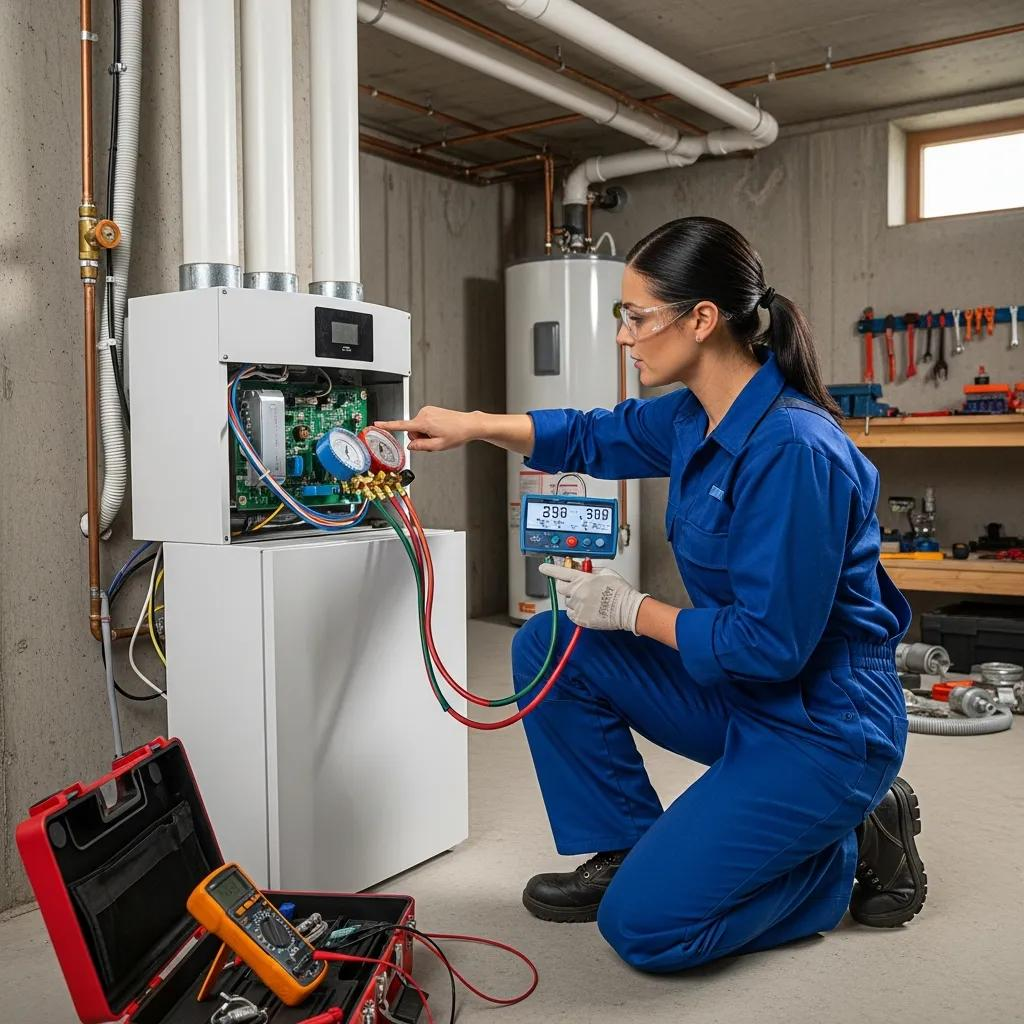
Repairs start with a step‑by‑step diagnosis: visual checks, electrical testing, refrigerant pressure readings, and airflow measurement. Typical issues include thermostat or control failures, refrigerant leaks that need evacuation and recharge, frozen coils caused by airflow restriction, and compressor or reversing valve faults. Professional repair follows safe refrigerant practices and focuses on restoring efficiency while preventing future failures. Emergency repairs are prioritized when safety or comfort is at risk—timely diagnosis often avoids costlier damage later, which is why routine maintenance is so valuable.
How Regular Maintenance Extends Life and Keeps Efficiency High
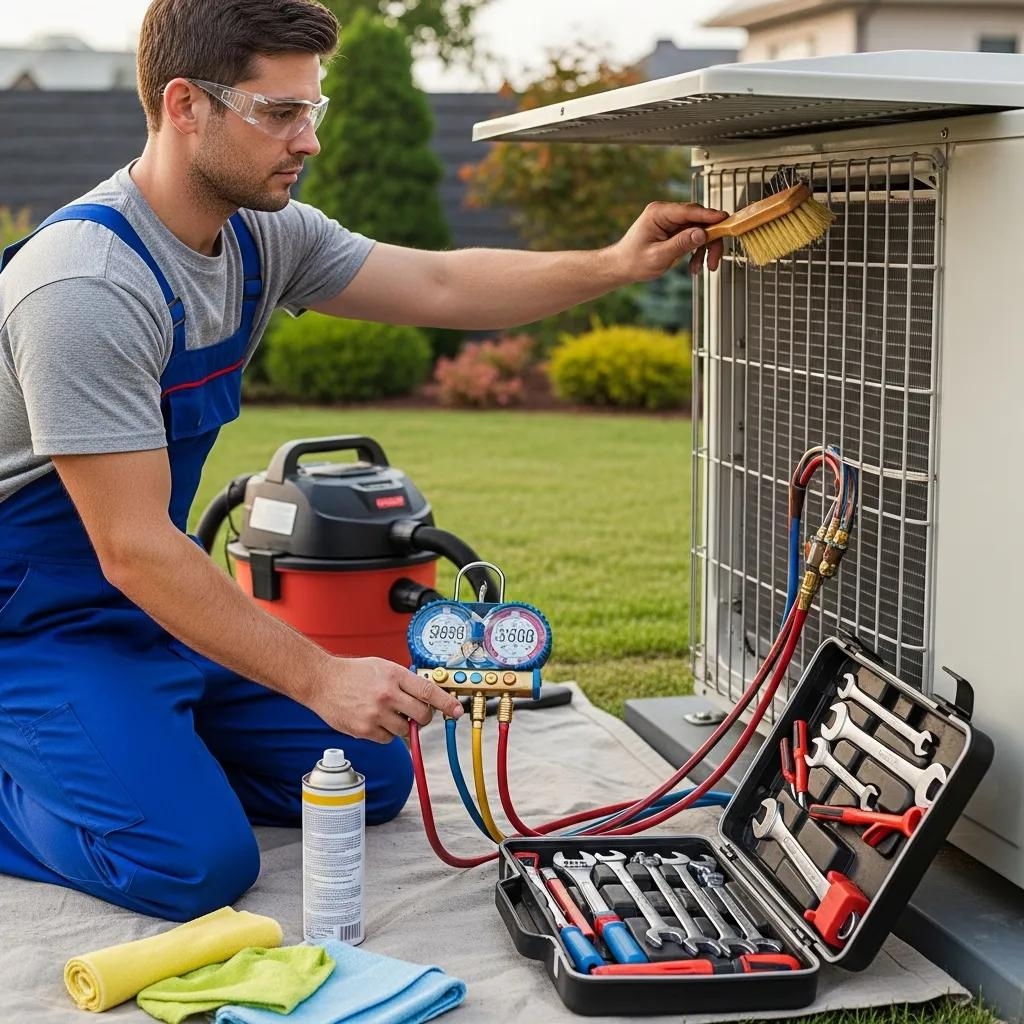
Regular maintenance keeps a heat pump operating efficiently by ensuring clean coils, correct refrigerant charge, tight electrical connections, and free airflow. Typical tune‑ups include filter changes, coil cleaning, leak checks, lubrication of moving parts, and testing controls and safety devices. Regular service can add years to a system’s life and help it hold its rated SEER and HSPF performance, which lowers energy bills and cuts emergency repairs. Below are the routine tasks homeowners and technicians should follow and the recommended timing for professional visits.
- Monthly: Inspect and clean or replace filters to protect airflow and indoor air quality.
- Seasonal (spring/fall): Clear debris around the outdoor unit, clean coils, and verify refrigerant pressures.
- Annual: Have a certified technician check electrical connections, test safety controls, and confirm thermostat calibration.
Keeping to a maintenance schedule reduces surprises and improves comfort. The next section explains what tasks you and your technician should handle in Greenville.
Recommended Maintenance Tasks for Greenville Homeowners
Greenville homeowners should handle basic upkeep and schedule professional service twice a year to catch seasonal issues early. Homeowner tasks: check filters monthly, keep the outdoor unit clear of plants and debris, and avoid blocking vents and registers. Technician tasks: measure refrigerant pressures, tighten electrical connections, test the defrost cycle, clean coils, and verify controls and thermostats. Working together this way preserves efficiency, lowers energy costs, and reduces the chance of major failures.
How Often Should You Schedule Professional Maintenance?
We recommend a professional inspection twice a year—spring and fall—to prepare the system for both cooling and heating seasons and catch wear before peak demand. Homes with heavy usage, older equipment, or pets may need more frequent checks. New systems under warranty also require following manufacturer service intervals. If you notice performance drop, strange noises, or rising bills between visits, call for an interim inspection.
When to Consider Replacing Your Heat Pump in Greenville, SC
Think about replacement when the system nears typical end‑of‑life, repair frequency increases, efficiency drops noticeably, or major components fail and refrigerant availability becomes an issue. New heat pumps deliver higher SEER and HSPF ratings, better controls, quieter operation, and stronger warranties—translating to energy savings and improved comfort. Use the decision table below to weigh repair versus replace based on age, repair cost versus replacement cost, and ongoing performance problems.
This framework helps balance short‑term repair costs against long‑term replacement value. MD Heating & Air can assess your equipment and provide a written estimate comparing repair cost, expected remaining life, and likely efficiency gains to support a data‑driven choice.
How to Choose Between Repair and Replacement
Ask three practical questions: (1) How old is the system? (2) How does the repair cost compare to replacement? (3) Will a new system lower your operating costs significantly? If the unit is near or past 12–15 years, or a repair runs roughly 30–50% of replacement cost, replacement is often the smarter investment. For example, a $2,000 compressor repair on a 14‑year‑old unit usually favors replacement because a rebuild may not recover lost seasonal efficiency. Always get a written diagnostic estimate from a certified technician to compare projected savings from newer, more efficient models.
Benefits of Upgrading to a New Heat Pump
A modern heat pump brings higher SEER and HSPF ratings, better humidity control, quieter operation, and improved compatibility with zoning and smart thermostats. Newer units often include longer warranties and variable‑speed compressors that match load more precisely to reduce cycling losses. You may also qualify for local rebates or incentives that improve return on investment. Efficiency gains can range from roughly 15–30% depending on your current system and usage, which is why many Greenville homeowners upgrade when systems fail.
Typical Costs and Financing for Heat Pump Services in Greenville
Costs vary by scope: minor thermostat or control repairs sit at the low end, refrigerant or coil work is midrange, and compressor replacement or full system installs are at the high end. Financing can spread payments for larger projects, and clear written estimates let you compare monthly payments to expected energy savings. The table below summarizes typical price ranges, job times, and when each service is appropriate.
Those ranges show why written estimates are essential. The next section covers common financing approaches and why transparent pricing matters when you compare options.
Financing approaches and considerations:
- MD Heating & Air offers financing options and provides transparent, written estimates so you can compare choices before committing.
- Request an itemized estimate that lists equipment, labor, and projected efficiency to weigh monthly payments against energy savings.
- Factor long‑term savings from higher efficiency into financing decisions to understand lifecycle cost.
How Much Does Heat Pump Repair and Installation Cost in Greenville?
Repair cost depends on the failed part: thermostat or relay fixes may be under a few hundred dollars; refrigerant leak repairs typically range from several hundred to over $1,000 depending on severity; compressor or reversing valve replacements commonly fall in the mid‑thousands. Full installations vary by system size, type (air‑source, ductless, or geothermal), and any ductwork or electrical upgrades required—air‑source installs for typical homes usually fit the ranges in the table above. Exact pricing requires an on‑site inspection for load calculations and equipment selection; always request a written estimate that breaks out parts and labor so you know what to expect.
What Financing Plans Does MD Heating & Air Offer?
MD Heating & Air provides financing alongside free, transparent estimates to help homeowners manage upfront costs for major projects. Specific plan details and rates vary, so ask for options during your estimate appointment to understand monthly payments and qualification requirements. A payment estimator or prequalification discussion during the consultation helps you compare financing to expected energy savings. When reviewing offers, prioritize written terms, total interest, and how payments line up with projected efficiency gains from a new system.
Why Choose MD Heating & Air for Heat Pump Service in Greenville, SC?
Choosing a contractor means trusting their technical skill, pricing clarity, and emergency responsiveness. MD Heating & Air is a local, family‑owned company led by Michael Donnelly with NATE‑certified technicians, 24/7 emergency service, free written estimates, and financing to support larger projects. That combination helps ensure correct diagnosis, safe refrigerant handling, and proper installation practices that protect warranties. Below you’ll find the key reasons local homeowners rely on us and what to expect when you call for service.
Reasons to consider MD Heating & Air:
- NATE‑Certified Technicians: Industry certification shows formal training in HVAC installation and service.
- 24/7 Emergency Support: We respond when comfort or safety is at stake.
- Transparent Pricing and Free Estimates: Written estimates make it easy to compare scope and cost before work begins.
- Financing Availability: Payment plans help manage the cost of replacements and upgrades.
Those commitments support confident decisions for Greenville homeowners. The sections below explain technician qualifications and how our pricing and emergency response work in practice.
What Training Do MD Heating & Air’s NATE‑Certified Technicians Have?
NATE certification means technicians have passed nationally recognized tests covering HVAC installation, service, and repair. That training supports accurate diagnostics, correct system commissioning, and safe work practices. Certified techs are trained in proper refrigerant handling, accurate load calculations, and following manufacturer instructions that affect warranty coverage. Working with certified technicians reduces the chance of misdiagnosis or installation mistakes that shorten equipment life and helps homeowners understand recommended solutions.
How MD Heating & Air Delivers Transparent Pricing and 24/7 Support
We provide written estimates that itemize equipment, labor, and optional upgrades so you can compare offers and know the scope before we start. MD Heating & Air offers free estimates and around‑the‑clock emergency service—ask about typical response times when you request service so expectations are clear. For emergencies that threaten safety or leave you without heat or cooling in extreme weather, call immediately and our team will triage and prioritize dispatch. Clear documentation and direct communication minimize surprises and help you make informed choices.
For immediate service or a free written estimate in Greenville, contact MD Heating & Air to schedule an on‑site evaluation and discuss financing and timing for repairs or installations.
Call to Action
If your home in Greenville is losing comfort, your energy bills are climbing, or you’re seeing repeated heat pump problems, schedule an on‑site evaluation with MD Heating & Air. Our NATE‑certified technicians provide written diagnostics, transparent pricing, financing options, and emergency availability to keep your home comfortable year‑round. Request a free estimate to compare repair versus replacement and get a plan tailored to your home.
Frequently Asked Questions
What are the signs that my heat pump needs repair?
Watch for inconsistent heating or cooling, odd noises like grinding or hissing, and rising energy bills with no change in use. Frequent short cycling, visible ice on the outdoor unit, or weak airflow also point to trouble. Regular maintenance helps catch issues early, but if you notice any of these signs, contact a qualified technician for a full diagnosis.
How can I improve the efficiency of my heat pump?
Keep filters clean or replaced regularly, clear debris from around the outdoor unit, and make sure your home has good insulation and sealed ducts. Use a programmable thermostat to match comfort to your schedule. If your unit is old, upgrading to a higher‑efficiency model can deliver meaningful long‑term savings.
What is the average lifespan of a heat pump?
Most heat pumps last about 12–15 years with proper care. Geothermal systems typically last longer—20–25 years or more. Regular maintenance and timely repairs can extend service life and keep systems running efficiently.
Are there any energy incentives for upgrading my heat pump?
Many homeowners qualify for rebates or incentives when they install higher‑efficiency equipment. These programs come from utilities, state initiatives, or federal tax credits. Check with your local utility and ask your technician about current incentives that may apply to your project.
What should I expect during a heat pump installation?
Expect a multi‑step process: a load calculation to size the system, site preparation, equipment installation, refrigerant and electrical hookups, and commissioning tests to verify performance. Depending on complexity and any required upgrades, installation can take from one day to several.
How do I choose the right heat pump for my home?
Consider your home’s size, insulation, ductwork, and budget. Compare efficiency ratings (SEER and HSPF) and the type of system—air‑source, ductless mini‑split, or geothermal—that fits your needs. A professional assessment from a certified technician will give the best recommendation and an accurate estimate.
Conclusion
Smart heat pump service—proper installation, routine maintenance, and timely repairs—keeps Greenville homes comfortable and energy costs down. MD Heating & Air offers transparent estimates, financing options, and NATE‑certified technicians to help you make the right choice for your home. Contact us today for a free written estimate and take the next step toward reliable, year‑round comfort.