

Prepare Your HVAC for Fall: 8-Point Inspection Checklist
As the leaves change and temperatures drop, ensuring your HVAC system is ready for the colder months becomes essential. A fall HVAC inspection not only enhances energy efficiency but also safeguards your home against potential hazards. This comprehensive guide will walk you through an 8-point preventive checklist designed to optimize your HVAC system’s performance during the fall season. By following this checklist, you can prevent costly repairs and ensure a comfortable living environment throughout the winter. We will explore the importance of seasonal maintenance, the specific steps involved in the inspection process, and whether to tackle these tasks yourself or hire a professional.
Why Is Fall the Best Time for HVAC Maintenance?
Fall is an ideal time for HVAC maintenance due to several key factors that contribute to system efficiency and safety.
- Energy Efficiency Improvements: Regular inspections can identify issues that may lead to increased energy consumption. By addressing these problems before winter, homeowners can save significantly on heating bills.
- Safety Benefits: Seasonal inspections help detect potential hazards, such as carbon monoxide leaks or electrical issues, ensuring a safe environment for your family.
- Cost Savings: Proactive maintenance can prevent costly repairs and extend the lifespan of your HVAC system, ultimately saving you money in the long run.
How Does Fall HVAC Inspection Improve Energy Efficiency?
A fall HVAC inspection enhances energy efficiency by identifying and rectifying issues that may hinder system performance. For instance, cleaning or replacing air filters can improve airflow, allowing the system to operate more efficiently. Additionally, checking and calibrating the thermostat ensures that your heating system runs only when necessary, further reducing energy consumption. Studies show that regular maintenance can lead to energy savings of up to 15%, making it a worthwhile investment for homeowners.
What Safety Benefits Does Seasonal HVAC Inspection Provide?
Seasonal HVAC inspections provide critical safety benefits by identifying potential hazards before they escalate. For example, a thorough inspection can reveal carbon monoxide leaks, which pose serious health risks. Additionally, checking electrical connections and components can prevent fire hazards, ensuring that your HVAC system operates safely and reliably throughout the winter months. By prioritizing safety during your fall inspection, you can protect your home and loved ones from unforeseen dangers.
What Are the 8 Essential Steps in the Fall HVAC Inspection Checklist?

To ensure your HVAC system is ready for the colder months, follow this 8-point preventive checklist:
- Inspect and Replace Air Filters: Regularly changing air filters improves indoor air quality and system efficiency.
- Test Thermostat Settings and Calibration: Ensure your thermostat is functioning correctly to maintain optimal temperatures.
- Clean and Inspect Outdoor HVAC Units: Remove debris and check for any signs of wear or damage.
- Check Furnace Components: Inspect critical components like the heat exchanger and burners for proper operation.
- Examine Electrical Connections: Ensure all electrical connections are secure and free from corrosion.
- Inspect Ductwork: Check for air leaks and blockages that can reduce system efficiency.
- Maintain Condensate Drain Lines: Clear any obstructions to prevent water damage and ensure proper drainage.
- Verify Safety Controls: Test carbon monoxide detectors and smoke alarms to ensure they are functioning correctly.
How to Inspect and Replace Air Filters for Better Indoor Air Quality?
Inspecting and replacing air filters is a straightforward yet crucial task. Start by locating the filter compartment, usually near the air handler or furnace. Remove the old filter and check its condition; if it appears dirty or clogged, replace it with a new one. Choose filters with a MERV rating suitable for your home, as higher ratings can capture smaller particles, improving indoor air quality. Regularly changing filters every 1-3 months can significantly enhance your HVAC system’s efficiency and the air quality in your home.
Why Test Thermostat Settings and Calibration Before Winter?
Testing thermostat settings and calibration is essential to ensure your heating system operates efficiently. Begin by setting the thermostat to the desired temperature and observing whether the system responds appropriately. If the temperature does not reach the set point, recalibrate the thermostat according to the manufacturer’s instructions. Proper calibration ensures that your heating system runs only when needed, preventing unnecessary energy consumption and maintaining a comfortable indoor environment.
How to Clean and Inspect Outdoor HVAC Units for Fall?
Cleaning and inspecting outdoor HVAC units is vital for maintaining system efficiency. Start by turning off the power to the unit and removing any debris, such as leaves or dirt, that may have accumulated around it. Use a soft brush or cloth to clean the fins and coils gently. Inspect the unit for any signs of damage, such as rust or bent fins, and address these issues promptly. A clean and well-maintained outdoor unit can significantly improve your HVAC system’s performance and longevity.
What Should Be Checked in Furnace Components During Fall Maintenance?
During fall maintenance, several critical furnace components should be inspected to ensure safe and efficient operation. Key components include:
- Heat Exchanger: Check for cracks or corrosion, as these can lead to dangerous gas leaks.
- Burners: Ensure they are clean and free from obstructions to promote efficient combustion.
- Ignition System: Test the ignition system to confirm it ignites the burners reliably.
Regularly inspecting these components can prevent costly repairs and ensure your furnace operates safely throughout the winter.
How to Examine Electrical Connections for Safety and Reliability?
Examining electrical connections is crucial for ensuring the safety and reliability of your HVAC system. Start by turning off the power to the unit and inspecting all visible wiring for signs of wear or damage. Tighten any loose connections and replace any frayed wires. Additionally, check the circuit breaker and fuses to ensure they are functioning correctly. Proper electrical maintenance can prevent system failures and reduce the risk of electrical fires.
Why Is Ductwork Inspection Critical in Fall HVAC Maintenance?
Ductwork inspection is a critical aspect of fall HVAC maintenance, as it directly impacts system efficiency and indoor air quality. Over time, ducts can develop leaks or blockages that hinder airflow, leading to increased energy consumption and reduced comfort levels. Regular inspections can identify these issues early, allowing for timely repairs and improvements.
How to Detect and Repair Air Leaks and Blockages in Ducts?
Detecting and repairing air leaks and blockages in ducts can significantly enhance HVAC efficiency. Start by visually inspecting the ductwork for any visible gaps or holes. Use mastic sealant or UL 181-rated foil tape to seal any leaks. For blockages, consider using a duct cleaning service to remove dust and debris that may be obstructing airflow. Regular maintenance of ductwork ensures optimal performance and improves indoor air quality.
What Are the Energy Loss Implications of Poor Ductwork?
Poor ductwork can lead to significant energy loss, resulting in higher utility bills and reduced comfort. Studies indicate that leaky ducts can waste between 20% to 30% of the energy used for heating and cooling. This inefficiency not only impacts your wallet but also contributes to increased greenhouse gas emissions. By addressing ductwork issues promptly, homeowners can improve energy efficiency and reduce their environmental footprint.
How to Maintain Condensate Drain Lines and Safety Controls?
Maintaining condensate drain lines and safety controls is essential for preventing water damage and ensuring system safety. Clogged drain lines can lead to water buildup, causing damage to your HVAC system and home.
Why Clear Condensate Drain Lines to Prevent Water Damage?
Clearing condensate drain lines is crucial to prevent water damage. Start by inspecting the drain line for clogs and using a wet/dry vacuum or a stiff wire to remove any blockages. Regular maintenance of drain lines ensures proper drainage and prevents costly water damage to your home.
How to Verify Carbon Monoxide Detectors and Smoke Alarms Functionality?
Verifying the functionality of carbon monoxide detectors and smoke alarms is vital for home safety. Test each device by pressing the test button and ensuring it emits a loud alarm. Replace batteries as needed and consider replacing units that are more than 7-10 years old, depending on manufacturer recommendations. Regular checks of these safety devices can provide peace of mind and protect your family from potential hazards.
Should You Choose DIY or Professional Fall HVAC Service?
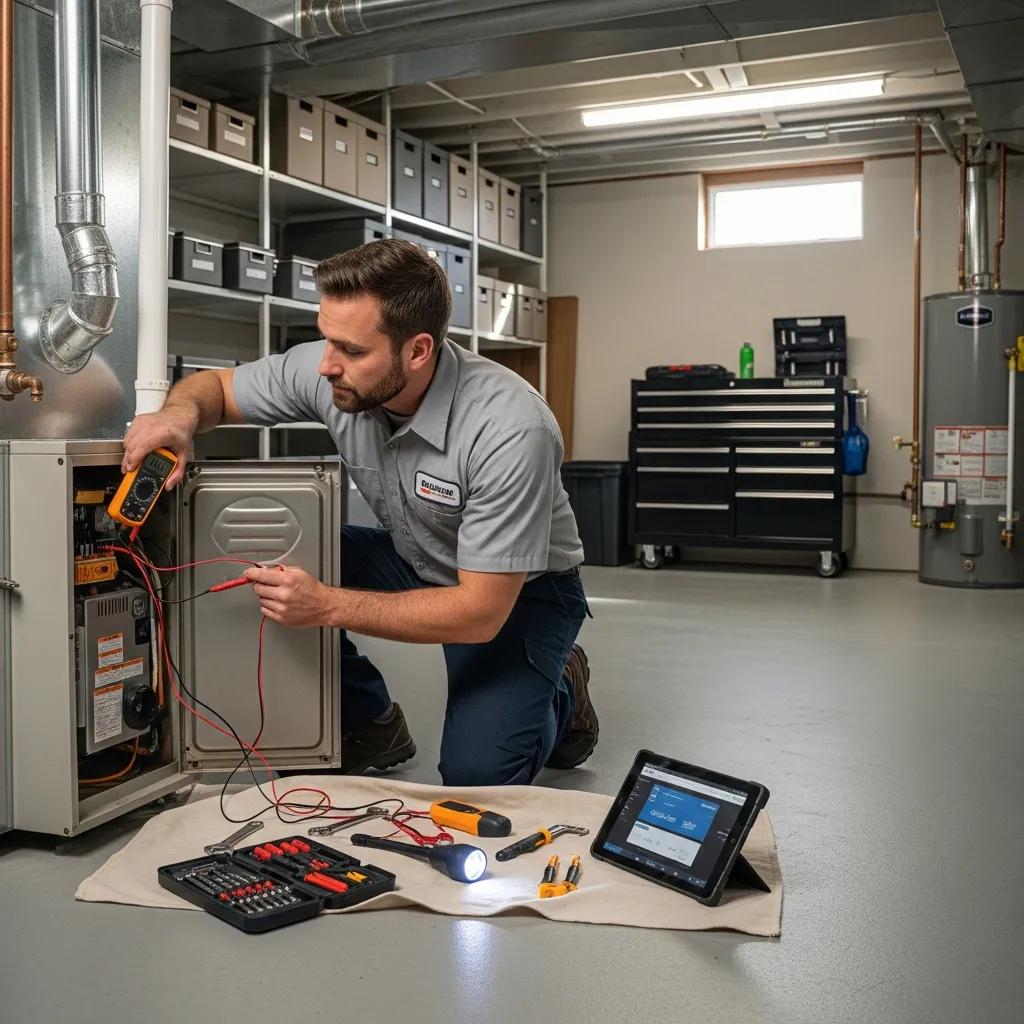
Deciding between DIY maintenance and hiring a professional HVAC technician depends on your comfort level and the complexity of the tasks involved. While some homeowners may feel confident tackling basic maintenance tasks, others may prefer the expertise of a professional.
What DIY Tasks Can Homeowners Safely Perform?
Homeowners can safely perform several DIY tasks, including:
- Changing Air Filters: Regularly replacing filters is simple and effective.
- Testing Thermostat Settings: Ensuring the thermostat functions correctly is manageable.
- Cleaning Outdoor Units: Basic cleaning can enhance system performance.
These tasks can help maintain your HVAC system without requiring professional assistance.
When Is It Essential to Hire a Professional HVAC Technician?
Certain tasks require the expertise of a professional HVAC technician, including:
- Furnace Inspections: Complex inspections should be left to trained professionals.
- Electrical Repairs: Handling electrical components can be dangerous without proper training.
- Ductwork Cleaning and Repairs: Professional cleaning ensures thorough removal of debris and blockages, and repairs require specialized tools and knowledge.
Hiring a professional for these tasks can ensure safety and optimal system performance.
By following this fall HVAC inspection guide and checklist, homeowners can ensure their systems are ready for the winter months. Regular maintenance not only enhances energy efficiency but also promotes safety and comfort. Whether you choose to tackle these tasks yourself or hire a professional, prioritizing HVAC maintenance is essential for a warm and worry-free winter season.