
Key Factors That Affect AC Installation Costs in Greenville, SC
Understanding air conditioning installation costs in Greenville, SC means knowing what goes into the final price—equipment, installation labor, ductwork, permits, and warranty coverage—and how those parts add up. This guide lays out 2024 cost ranges for central air systems, ductless mini-splits, and heat pumps, then walks through the main cost drivers like home size, SEER ratings, and duct condition so you can budget with confidence. Many homeowners worry about surprise fees and long-term operating costs; here we cover typical upfront prices, how higher-SEER systems can lower operating bills, and financing options that ease the initial expense. We also compare systems for Greenville’s climate, show sample line-item estimates, and explain how to read local contractor quotes. Finally, you’ll see how MD Heating & Air approaches transparent pricing, free estimates, and flexible financing to help homeowners make clear, informed choices. Read on for localized cost context, practical buying tips, and next steps for getting accurate quotes.
What Are the Average AC Installation Costs in Greenville SC for 2024?
Average AC installation prices in Greenville for 2024 depend on system type, efficiency level, and the scope of work. The ranges below reflect equipment plus installation labor, any required ductwork, and permit fees. Central air prices vary widely because tonnage and SEER affect equipment cost; ductless mini-splits change with the number of zones; and heat pumps often cost more up front but can save on energy in Greenville’s mild winters. Below are quick one-line ranges for reference, followed by a more detailed break down and a comparison table showing typical local price bands and key influences.
Keep in mind quotes will vary by home-specific needs such as a Manual J load calculation and duct condition—an on-site estimate reveals the real cost drivers for your house and ensures correct sizing. With that in mind, the next sections explain typical central-air and mini-split pricing and what pushes costs up or down in Greenville.
This table shows the primary price bands and highlights that SEER rating, ductwork condition, and electrical work are often the biggest cost levers. For an accurate, local estimate, an on-site assessment is essential—later sections explain how to prepare for that visit.
How Much Does Central Air Conditioner Installation Typically Cost?
A central air installation includes the outdoor condenser/compressor, indoor air handler or furnace coil, refrigerant, installation labor, and any ductwork or permit work. In Greenville, a properly sized 2–3 ton central system usually falls in the mid-range of these local prices. Equipment cost rises with SEER: lower-SEER models cost less up front while high-SEER options carry a premium but typically cut energy use over time. Labor and ductwork can add substantially; homes with intact ducts and a simple swap-out land toward the low end, while houses needing duct sealing or replacement hit the higher end. A professional load calculation ensures correct sizing—oversized or undersized systems hurt comfort and increase operating costs.
Knowing component-level pricing—compressor, condenser, evaporator coil, air handler—helps you compare itemized quotes and spot where savings are real. Next we’ll explain how mini-splits differ in price structure and install approach.
What Are the Price Ranges for Ductless Mini-Split Installation in Greenville?

Ductless mini-splits are priced per indoor head plus the outdoor condenser and installation work—single-zone setups start near the low end of local ranges, while multi-zone systems rise with each additional indoor unit. Cost drivers include line-set length between indoor and outdoor units, wall-penetration complexity, and any electrical upgrades needed to run inverter compressors. Mini-splits often use inverter technology and deliver high seasonal efficiency, so higher up-front costs can pay back quickly in the right situations—additions, garages, or homes without ducts in particular. Installation skill matters: correct refrigerant charging and leak testing are crucial for long-term performance, and that affects labor cost.
Because mini-splits avoid duct losses, they can improve comfort and energy use by zone, but homeowners should balance the number of zones with budget and aesthetics. The next section compares heat pumps to these options, focusing on upfront cost versus lifetime value.
How Do Heat Pump Installation Costs Compare in Greenville SC?
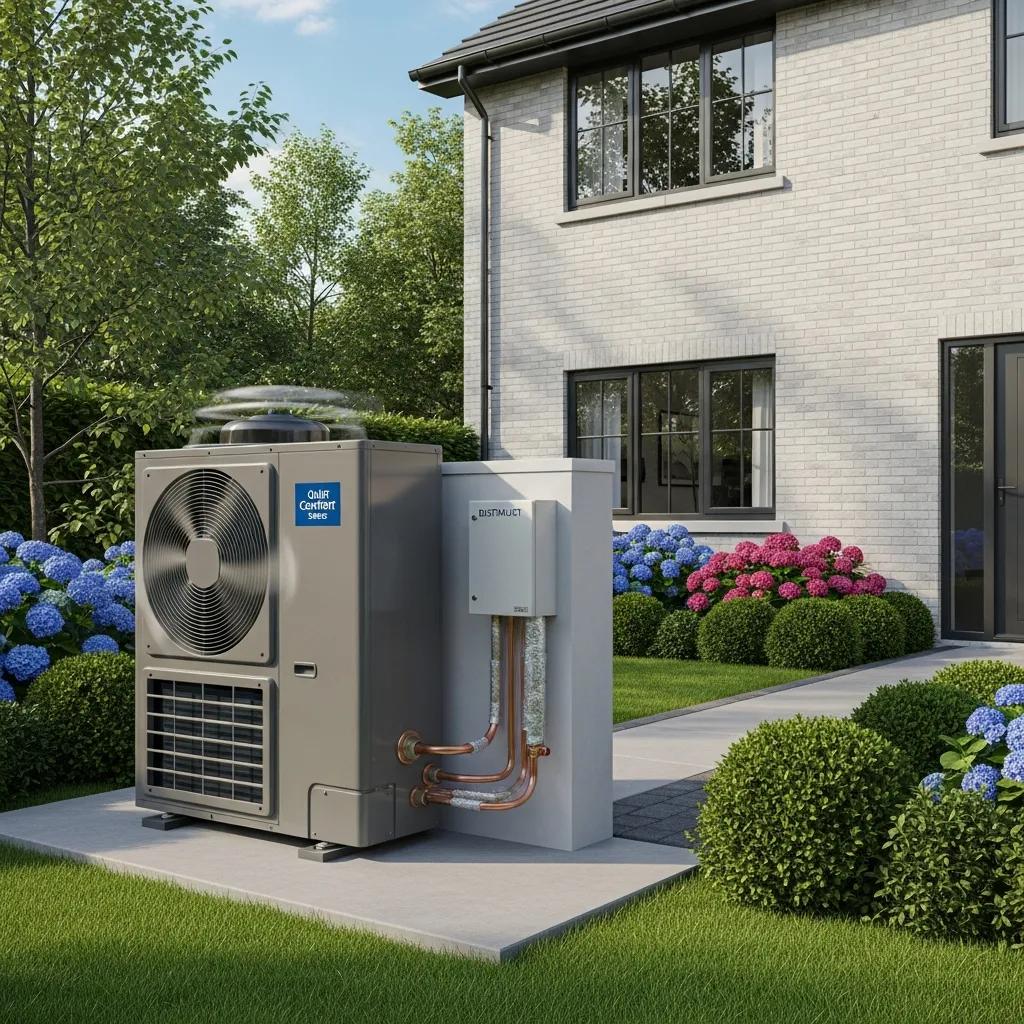
Heat pump installations often carry higher equipment and possible electrical-upgrade costs than standard central air, but they provide both heating and cooling in a single system, which can lower annual energy bills during Greenville’s mild winters. In many homes a heat pump replaces a furnace-plus-AC setup, simplifying maintenance and sometimes offsetting the initial premium. Incentives and higher HSPF/SEER2 ratings can shorten payback, while local electricity prices and usage patterns influence the precise ROI. In short: heat pumps usually cost more up front but can be more cost-effective over a 5–15 year period depending on usage and available incentives.
This side-by-side highlights that while heat pumps can cost more initially, their year-round efficiency and elimination of a separate fuel source may deliver better lifecycle value. Next we’ll cover the specific variables that push heat pump prices up or down.
What Factors Affect Heat Pump Installation Pricing?
Heat pump cost is shaped by unit capacity, SEER/HSPF ratings, electrical panel capacity, and installation complexity like long line-set runs or defrost-control needs. Larger-capacity units for bigger homes cost more but avoid the performance problems of undersized equipment, and higher-efficiency models carry a premium that usually lowers operating costs over time. If your home needs an electrical service upgrade to run a high-efficiency heat pump, expect a noticeable increase from permitting and electrician work. Skilled labor matters for correct refrigerant charge and defrost setup—proper installation reduces callbacks and keeps seasonal efficiency on target.
Providing square footage and HVAC history when requesting a quote helps contractors anticipate these variables and reduces the chance of surprise change orders. The next subsection looks at long-term cost-effectiveness and payback examples.
Are Heat Pumps More Energy Efficient and Cost-Effective Long Term?
Heat pumps usually deliver better seasonal performance metrics (SEER2 for cooling, HSPF2 for heating) than older split systems, which can mean lower annual energy use in Greenville’s mixed climate and stronger lifecycle economics for many homeowners. Savings depend on your local electricity rates and whether you’re replacing a low-efficiency system—moving from a 10 SEER unit to a 16+ SEER heat pump can cut cooling energy use substantially while replacing separate heating equipment. Typical payback examples fall in a 5–12 year range in moderate climates when rebates, efficiency gains, and avoided furnace costs are included. Warranty length and installation quality also affect total cost of ownership, because regular maintenance preserves efficiency gains.
Estimating annual kWh savings and a simple payback helps you decide whether the higher upfront cost makes sense for your home. The next major section covers the main factors that shape any AC installation estimate.
What Key Factors Influence Your AC Installation Quote in Greenville SC?
An AC installation quote reflects several variables—home square footage and required BTU/tonnage, chosen SEER rating, ductwork condition, and labor/permit fees—each of which affects price in a specific way. Home size and BTU needs determine equipment capacity; higher SEER ratings raise equipment cost but lower operating bills; and poor ductwork can turn a simple swap into a larger remodel. Labor rates and permitting show up as predictable line items, while warranty tiers and manufacturer incentives affect long-term value. Knowing these factors helps you compare itemized estimates instead of relying on vague “starting at” numbers.
This table highlights where to focus your questions when comparing bids. The next subsections break down each factor in practical terms so you can prepare for an accurate on-site assessment.
How Does Home Size and BTU Capacity Impact Installation Costs?
Home size and required BTU/tonnage set the baseline equipment spec: square footage roughly maps to tonnage needs, and higher tonnage increases both equipment cost and installation scope. A professional Manual J load calculation estimates your BTU needs and ensures correct sizing—without it, oversized units short-cycle and undersized units struggle to meet comfort targets. Moving from a 2‑ton to a 3‑ton system not only raises the unit price but can require larger ducts, stronger mounting, or a higher-capacity air handler, each adding materials and labor. Investing in a proper load calculation prevents wasted expense and improves long-term comfort and efficiency.
Ask contractors whether a Manual J was performed and how it shaped the proposed tonnage to verify the quote’s technical basis. The next subsection discusses SEER trade-offs and ROI.
What Role Do SEER Ratings and Energy Efficiency Play in Pricing?
SEER rating is a major factor balancing equipment cost and operating cost: each step up in SEER generally adds an upfront premium that is offset over time by lower energy use. High-SEER and SEER2 units may cost several hundred to over a thousand dollars more than standard models, but annual savings can make the upgrade worthwhile depending on run hours and local electric rates. Manufacturers often back high-efficiency units with longer or enhanced warranties, which add value. Comparing projected annual savings to the price premium gives a simple ROI to help homeowners choose the right efficiency level.
Knowing the expected payback period for an efficiency upgrade is key when deciding on SEER level. The next subsection explains how ductwork and labor show up on your final invoice.
How Do Ductwork and Labor Costs Affect Your Total Installation Price?
Ductwork condition is often the single most unpredictable factor: sealed, properly sized ducts keep costs down, while repairs, rerouting, or full replacement add material, labor, and time. Labor covers skilled tasks like brazing refrigerant lines, balancing airflow, and verifying refrigerant charge—experienced technicians cost more but reduce the chance of poor installation and callbacks. Permit and inspection fees are additional line items in many Greenville jurisdictions and should be included in your estimate to avoid surprises. Itemized estimates that separate duct and labor costs make it easier to compare bids and identify where savings are possible without sacrificing performance.
When reviewing proposals, ask for explicit line items for ductwork, labor hours, and permit fees so you can make a transparent, confident choice. The next section covers financing options that can lower upfront barriers.
What Financing Options Are Available for AC Installation in Greenville SC?
Homeowners can use several financing approaches to spread the up-front cost: contractor payment plans, home improvement loans or HELOCs, and energy-efficiency rebates that reduce the financed amount. These options lower immediate cash needs and can align monthly payments with expected energy savings, making higher-efficiency upgrades more affordable. Understand common terms—length of plan, interest or promotional rates, and credit requirements—so you can evaluate monthly-payment scenarios. Note that some incentives require specific efficiency thresholds, so pairing financing with rebate-eligible equipment often yields the best net value.
Importantly, MD Heating & Air’s financing and flexible payment plans are designed to reduce upfront barriers and help homeowners choose the right equipment—contact us for plan details and eligibility. Below are common payment approaches and practical considerations.
- Contractor payment plans that allow staged payments and sometimes promotional rates.
- Home improvement loans or HELOCs that spread costs over several years with fixed or variable rates.
- Utility or manufacturer rebates applied at purchase to reduce the financed amount.
These financing options change monthly cost and lifetime expense, so compare APRs, term lengths, and rebate rules before committing.
How Can Flexible Payment Plans Make AC Installation More Affordable?
Flexible payment plans lower initial cash needs by spreading the installation cost into monthly payments, from short promotional terms to multi-year amortization. That makes high-efficiency upgrades easier to afford without a large outlay. For example, financing a $7,000 mid-range installation over 60 months at a competitive rate creates a predictable monthly payment you can compare against estimated cooling savings. Eligibility depends on credit and underwriting; some plans offer deferred-interest promotions that require full payoff to avoid charges. Understand the plan’s APR, term, and fees so financing actually saves money rather than obscuring costs.
Ask your provider for a clear amortization example so you can see monthly cash-flow impacts and compare that to projected energy savings. The next subsection explains how rebates and incentives can further reduce what you finance.
Are There Local Rebates or Incentives to Lower Installation Costs?
Greenville homeowners may qualify for federal tax credits, utility rebates, or manufacturer promotions for high-efficiency equipment that lower net cost and shorten payback—but availability and eligibility change frequently, so verify programs at purchase. Rebates usually require equipment meeting specific SEER/HSPF thresholds and sometimes contractor registration or pre-approval. Combining rebates with financing lowers the financed principal and improves monthly affordability, so factor incentives into quotes. MD Heating & Air can help identify current incentives during your estimate and show rebate assumptions on an itemized proposal.
Confirm programs before you buy and include expected rebate amounts when comparing financing scenarios to understand true net cost.
Why Choose MD Heating & Air for Transparent AC Installation Pricing in Greenville SC?
MD Heating & Air Conditioning is a family-owned local HVAC company serving Greenville County and nearby areas. We focus on transparent pricing, free on-site estimates, and a customer-first approach to installations. Our team understands Greenville’s climate needs and includes NATE-certified technicians who follow industry best practices to reduce callbacks and keep systems running efficiently. MD Heating & Air’s strengths include clear, itemized pricing, financing options, and 24/7 emergency support when unexpected issues arise. Below we summarize why those trust signals matter and what to expect when you request a quote.
Here are the practical benefits homeowners should look for when picking a local installer:
- NATE-certified technicians who follow correct installation procedures and reduce performance issues.
- Transparent, itemized estimates that show equipment, labor, ductwork, permits, and warranty details.
- Financing options and a customer-first service approach to make upgrades easier and less stressful.
Technical certification, clear pricing, and flexible financing work together to protect your investment and deliver reliable comfort. The next subsections explain certification and what our free estimate includes.
How Do NATE-Certified Technicians Ensure Quality Installation?
NATE-certified technicians have passed industry-recognized exams that demonstrate HVAC knowledge across installation, diagnostics, and performance tuning. Certified techs follow best practices—accurate refrigerant charge, proper duct balancing, and correct start-up procedures—that preserve warranty coverage and seasonal efficiency. Because installation quality greatly affects system lifespan and operating cost, choosing a certified installer helps ensure the quoted performance matches what you receive. Homeowners benefit from fewer callbacks, better airflow, and documentation that supports manufacturer warranty claims.
Prioritizing certification helps you choose quality over the lowest price. The next subsection details what MD Heating & Air includes in its free estimate to keep pricing transparent.
What Does MD Heating & Air’s Transparent Pricing and Free Estimates Include?
MD Heating & Air offers free on-site estimates that break costs into equipment, labor, ductwork, permits, and warranty items so you clearly see what you’re paying for and why. Our estimates explain the recommended SEER/HSPF level and any local rebate eligibility. The line-item format shows whether quoted prices include necessary electrical upgrades, thermostat changes, or coil replacements and lists expected timelines for installation and inspections. This transparent approach makes it easier to compare bids and reduces surprise change orders. To request a free estimate, contact MD Heating & Air through our website or Google Business Profile to schedule an on-site assessment.
A transparent estimate lets you compare proposals on technical merit rather than marketing claims. The next section answers common homeowner questions that come up during the buying process.
What Are the Most Common Questions About AC Installation Costs in Greenville SC?
Homeowners often ask about installation timelines, whether it’s cheaper to replace the furnace and AC together, and expected system lifespan and warranty—short, clear answers reduce friction and help you prepare for an on-site visit. Below are concise, practical responses to those frequent questions and guidance on when to ask for more detail from your installer.
The following list summarizes the most common questions with direct answers:
- How long does installation usually take? Most simple central AC replacements finish within a day; complex jobs take longer.
- Is it cheaper to replace furnace and AC together? Often yes—shared labor and matched components can save money—but it depends on age and compatibility.
- What is expected lifespan and warranty? Modern systems last 12–20 years with regular maintenance; warranty terms vary by manufacturer and installer.
How Long Does AC Installation Usually Take in Greenville?
A straightforward central AC swap with compatible existing ductwork typically finishes in one workday—about four to eight hours depending on crew size and scope. More complex installs—duct replacement, electrical upgrades, or permit inspections—can extend into one or two days or longer when coordinating inspections and other trades. Ductless multi-zone installs and full heat pump changeouts that require panel upgrades may also take extra time due to coordination. Clearing the work area and ensuring good access speeds the job and reduces time on site.
Confirm the projected timeline in your estimate and ask how the work will be staged to minimize disruption. The next question covers combined replacements.
Is It Cheaper to Replace Furnace and AC Together?
Replacing both furnace and AC at the same time can be more cost-effective because you get shared labor, matched components, and fewer compatibility issues than doing two separate jobs. Matched systems improve heat exchange, airflow, and control integration, which helps efficiency and can simplify warranty coverage. If one component is still relatively new and in good shape, staggered replacement may be smarter. Ask installers for combined vs. separate pricing so you can weigh the incremental cost against lifecycle benefits.
Consider warranty alignment, efficiency gains, and upfront cash flow when deciding. The next subsection covers lifespan and warranty expectations.
What Is the Expected Lifespan and Warranty for New AC Systems?
Well-installed and maintained modern AC systems typically last 12–20 years depending on usage and upkeep. Regular maintenance—filter changes, coil cleaning, and annual tune-ups—preserves efficiency and helps prevent premature failure. Ask for detailed warranty documentation that spells out equipment and labor coverage so you know your long-term protection.
Keep installation records and scheduled service receipts to support warranty claims and maximize system life.
Get Your Free AC Installation Estimate Today!
If you’re planning an AC replacement or considering a high-efficiency upgrade, request a free, itemized on-site estimate to see how local price drivers apply to your home. MD Heating & Air Conditioning offers transparent pricing, NATE-certified technicians, free estimates, and financing options to help Greenville homeowners make informed decisions with predictable outcomes. Contact MD Heating & Air through our website or Google Business Profile to schedule an assessment, discuss financing, and review rebate and warranty options.
This page provides localized 2024 cost context, practical guidance for comparing quotes, and clear steps for getting a transparent estimate so you can plan your AC investment with confidence.
Frequently Asked Questions
What is the best time of year to install an air conditioning system in Greenville SC?
The best time to install an AC in Greenville is spring or fall. Temperatures are milder, making work easier for technicians and less disruptive for homeowners. Off-peak seasons also mean better contractor availability and sometimes lower prices compared with the busy summer months.
How can I prepare my home for an AC installation?
To prepare, clear furniture and obstacles around indoor and outdoor unit locations so crews can work safely. Check whether your electrical panel is adequate and consider pre-arranging any needed upgrades. Gathering past HVAC service records also helps the installer evaluate your system history.
What should I look for in an AC installation contract?
Look for a clear scope of work that lists specific equipment, labor costs, and any fees for permits or ductwork. Check equipment and labor warranty details and the installation timeline, plus payment conditions. An itemized contract avoids misunderstandings and sets expectations for the whole project.
Are there maintenance requirements after installation?
Yes—regular maintenance keeps your system efficient and reliable. Schedule annual professional inspections and tune-ups (coils, refrigerant levels, electrical checks), and change or clean filters every 1–3 months. Proper maintenance prevents costly repairs and extends system life.
What are the signs that I need to replace my AC system?
Consider replacement if your unit is 10–15+ years old, needs frequent repairs, or fails to cool effectively. Rising energy bills, odd noises, or unpleasant odors during operation also signal potential failure and may mean replacement is the better option.
Can I install an AC system myself?
DIY AC installation is not recommended. Proper installation requires electrical work, refrigerant handling, and compliance with local codes. Mistakes can lead to poor performance, safety risks, and voided warranties. Hiring a licensed professional ensures correct installation and peace of mind.
Conclusion
Knowing what affects air conditioning installation costs in Greenville, SC helps you make smart decisions that match your budget and comfort goals. By weighing system type, efficiency, and financing options, you can optimize your investment for long-term savings and reliable comfort. For personalized guidance and transparent pricing, reach out to MD Heating & Air for a free, on-site estimate tailored to your home. Take the first step toward a cooler, more efficient house—contact us today.