

Expert Heating Repair Services in Greenville, SC — Reliable Solutions from MD Heating & Air Conditioning
When Greenville winters hit, fast, accurate heating repair keeps your home warm, safe, and energy-efficient. This guide walks Greenville County homeowners through the most common heating failures we see, how professional diagnostics find the real problem, and what repairs and maintenance restore reliable comfort while lowering operating costs. You’ll learn how to spot urgent symptoms, what to expect from heating-system diagnostics, how different systems (furnaces, heat pumps, boilers, ductless units) need specific service, and how preventative maintenance cuts down on emergency calls. We also share straightforward checks you can do before calling a technician. For trusted local help, MD Heating & Air Conditioning is family-owned, NATE-certified, offers free estimates and 24/7 emergency service — to schedule, call (864) 434-7405. Next up: the most common heating problems so you can triage quickly and know when to call a pro.
What Are the Most Common Heating System Problems in Greenville, SC?
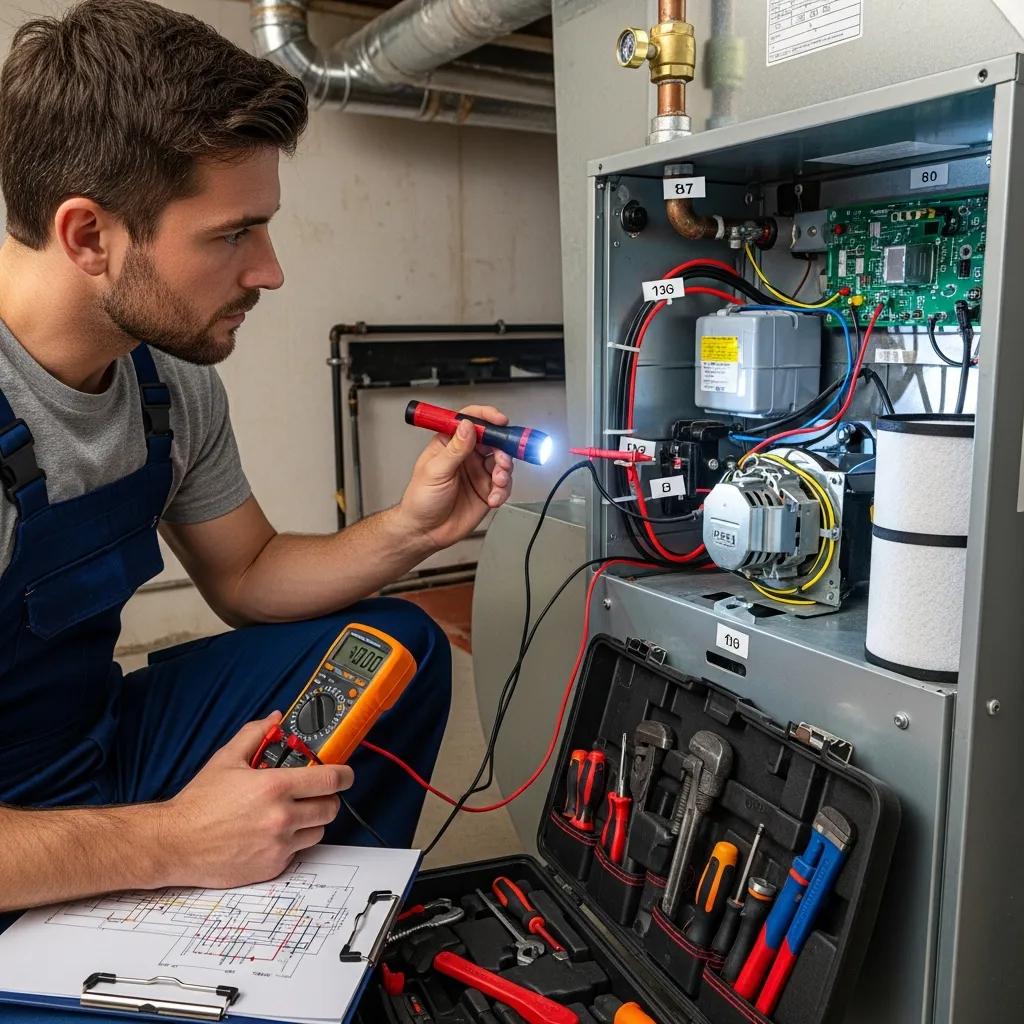
Greenville homeowners typically run into the same handful of heating issues—wear and tear, blocked airflow, control failures, or combustion problems. Knowing the usual symptoms helps you prioritize repairs and avoid safety risks. Common signs include no heat, cold air when the system runs, odd noises, short cycling, higher energy bills, and ignition troubles—each pointing to different parts like filters, thermostats, burners, or the heat exchanger. Spotting a problem early speeds up diagnostics and cuts downtime. Recognizing symptoms that need an immediate shutdown also keeps your household safe. Below are the common issues and simple checks you can do while waiting for a tech.
Common heating problems homeowners encounter in Greenville:
- No heat: The unit runs but no warm air comes out — often a thermostat setting, power issue, or ignition failure.
- Blowing cold air: You have airflow but not heat — usually an incorrect thermostat mode, a heat pump/compressor problem, or a gas supply interruption.
- Unusual noises: Grinding, squealing, or banging usually means mechanical wear like a failing blower motor or loose parts.
- Short cycling: The system turns on and off too often — a sign of clogged filters, oversized equipment, or faulty controls.
- High energy bills: Falling efficiency from dirty coils, leaky ducts, or failing components drives up costs.
- Pilot/ignition issues: Repeated ignition failures typically trace to the igniter, flame sensor, or fuel supply.
These quick checks help triage problems before a technician performs formal diagnostics. If you see life-safety signs, follow the safety steps below and call for emergency service.
Intro to the table: The table below links common homeowner symptoms to likely causes so you can scan for issues and decide whether an immediate service call is needed.
Why Is My Furnace Not Heating or Blowing Cold Air?
A furnace that runs but won’t heat usually points to the thermostat, airflow restrictions, or ignition parts. Start with simple homeowner checks: confirm the thermostat is set to heat and at the right temperature, replace a dirty air filter, and verify the furnace switch and circuit breaker are on—these fixes solve many issues. If those steps don’t help, common component failures include a bad igniter, a stuck gas valve, or a dirty/defective flame sensor—these require a trained technician for safe inspection and repair. Persistent cold airflow can also indicate a cracked heat exchanger or a blower motor problem; because combustion and safety are involved, stop troubleshooting and call a professional if you smell gas or burning.
Knowing these likely causes helps when you and your technician move on to diagnosing unusual sounds or mechanical faults.
What Do Unusual Noises from Your Heater Indicate?
Noises can tell you a lot about what’s wrong: grinding often means motor or bearing failure, squealing suggests a slipping belt, and banging can be delayed ignition or loose ductwork. Safety-critical sounds—like loud rattling with a noticeable odor or frequent clicking without ignition—should prompt immediate shutdown and an emergency service call, since they can signal combustion or electrical danger. For less urgent noises, routine maintenance like belt replacement, lubrication, and blower inspection usually fixes the problem and extends component life. Write down when noises occur (start-up, during operation, or shutdown); that helps technicians reproduce and diagnose the issue faster on site.
These sound-based clues feed directly into professional repair workflows and explain why methodical diagnostics restore safe, quiet operation.
Greenville, SC Heating Repair | MD Heating & Air Conditioning
MD Heating & Air uses a clear, safety-first diagnostic and repair process designed to find root causes and give you straightforward pricing. We start with focused system diagnostics—safety checks, control-code scans, and temperature/pressure measurements where needed—so we fix the real issue, not just symptoms. After diagnosis, our technicians present an itemized estimate that outlines parts, labor, and options for repair versus replacement; free estimates are part of our commitment to transparent service. Repairs use quality parts, followed by testing to verify performance and safety before we finish the job.
Below is the step-by-step process our NATE-certified team follows on every heating repair job.
- Dispatch and on-site safety triage: Confirm household safety, check CO detectors, and perform a visual inspection.
- Diagnostics and measurements: Use system-level checks—temperature splits, electrical tests, and fuel or pressure measurements—to find root causes.
- Estimate and approval: Give an itemized estimate and explain repair options, timelines, and expected results.
- Repair and parts replacement: Install verified parts, adjust controls, and fix airflow or combustion issues.
- Testing and verification: Run the system through cycles, measure performance improvements, and confirm safe operation.
- Follow-up and documentation: Leave you with a detailed report and recommended maintenance steps.
What Is the Step-by-Step Heating Repair Process?
Our repair process protects you by documenting findings, offering clear options, and verifying work with measurable tests. It begins with a safety-first inspection, then detailed diagnostics—checking electrical continuity, testing igniters and flame sensors, measuring temperature differentials, and inspecting refrigerant or pressure where relevant—to avoid needless parts changes. After diagnosis we present an itemized estimate showing parts, labor, and timeline so you can approve an informed plan. Repairs use quality replacement components and calibrated adjustments; finally, we cycle-test the system and walk you through preventive steps to reduce future risk.
How Do NATE-Certified Technicians Ensure Quality Repairs?
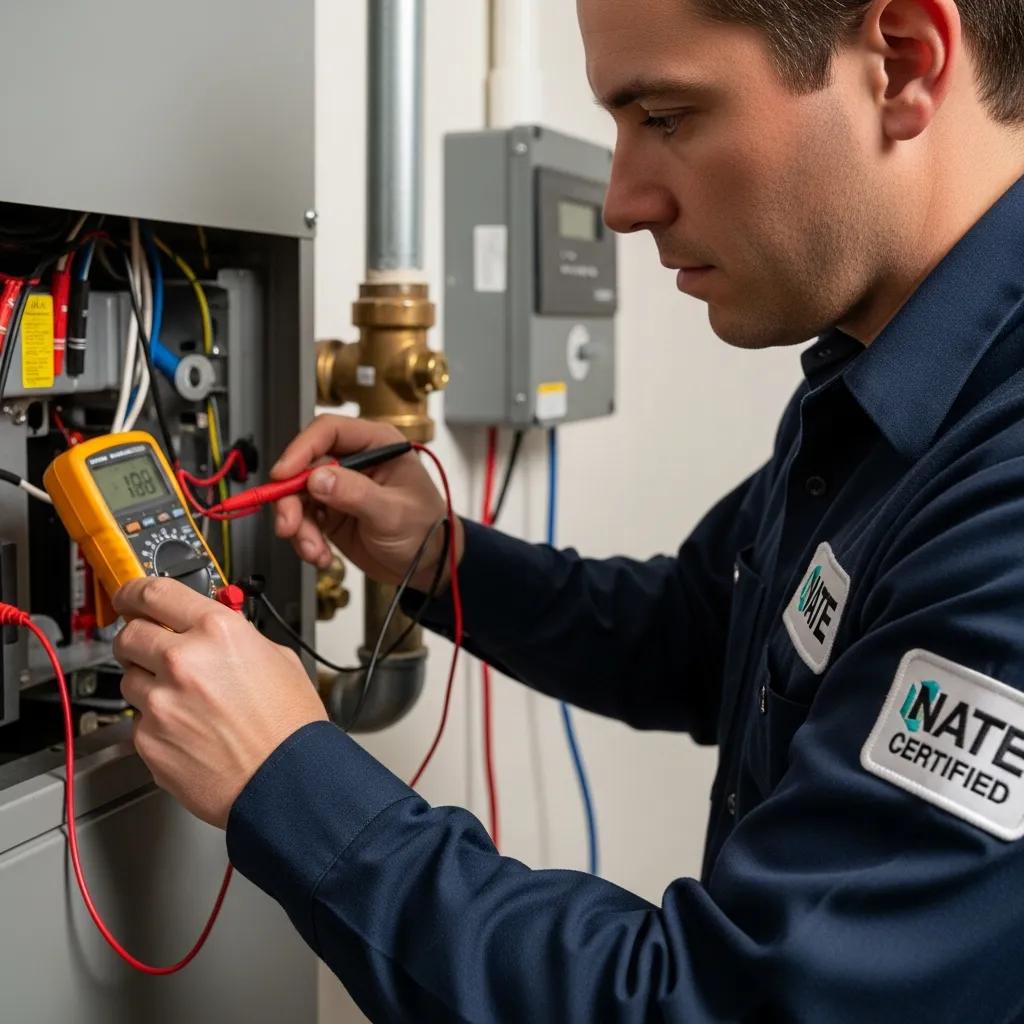
NATE certification means a technician has passed industry-standard exams for installation, maintenance, and diagnostics across heating systems—so repairs are safer and more accurate. Our certified techs follow standardized diagnostic methods, understand combustion analysis, and stick to manufacturer specs, which lowers the chance of repeat failures and ensures correct parts and calibration. That expertise shortens diagnostic time and often reduces repair costs because we target root causes instead of guessing. For homeowners, NATE-certified technicians provide confidence that key safety checks—like heat exchanger inspections and combustion testing—are done to professional standards.
Why Choose MD Heating & Air for Heating Repair Services in Greenville, SC?
MD Heating & Air is a local, family-owned team that pairs certified technicians with fast response, clear estimates, and around-the-clock emergency availability to minimize downtime and risk. Our approach is built on integrity and straightforward communication: we explain recommended work, show itemized pricing before you approve anything, and stand behind our repairs. Free estimates and 24/7 emergency service match real homeowner needs during cold snaps and after-hours failures. Local crews also cut travel time and bring experience with the common equipment and installation types in Greenville County.
Key value points for homeowners include:
- Local expertise: Faster response and familiarity with Greenville homes and common system setups.
- Certified technicians: NATE-certified pros who run accurate diagnostics and safe repairs.
- Transparent pricing: Itemized estimates and clear options so you choose the right path.
- Emergency availability: 24/7 dispatch for urgent no-heat or safety situations.
Those benefits mean fewer repeat calls, quicker comfort restoration, and clearer cost expectations—especially important when weather or safety is on the line.
How Does Local Expertise Benefit Greenville Homeowners?
Local experience shortens response times, tailors repair strategies to regional equipment patterns, and factors seasonal needs—like pre-winter startups—into recommendations. Our technicians know common duct layouts, frequent causes of short cycling in local homes, and which neighborhoods see faster demand during cold snaps. That familiarity helps us suggest targeted repairs or upgrades that fit Greenville building types and find parts quickly. Faster diagnosis and locally informed suggestions reduce time without heat and often cut down on repeat visits.
What Emergency Heating Repair Services Are Available 24/7?
Our emergency heating service handles immediate safety and comfort threats: total loss of heat, suspected carbon monoxide exposure, and loud combustion-related noises that suggest imminent failure. Typical emergency response includes rapid dispatch, on-site triage to secure the home (shutting off fuel if needed), temporary measures to restore safe operation when possible, and clear communication about next steps and repair timing. Be ready to describe symptoms, recent maintenance, and any safety indicators—the dispatcher will prioritize life-safety issues and give an ETA. Our 24/7 availability focuses on reducing risk and providing interim solutions until full repairs are completed.
Which Heating Systems Does MD Heating & Air Service in Greenville?
We service the full range of residential heating systems common in Greenville: gas and electric furnaces, heat pumps, boilers, and ductless mini-splits. Each system needs its own diagnostic approach—furnaces require combustion and airflow checks; heat pumps need refrigerant and defrost inspections; boilers need pressure and combustion analysis; ductless systems require indoor/outdoor diagnostics and refrigerant verification. Knowing the differences helps set expectations for repair time and parts. The table below summarizes system types, typical issues, and our usual repair approach.
Intro to the comparison table: This chart helps homeowners match symptoms with system-specific diagnostic and repair methods used by our technicians.
What Types of Furnaces Are Repaired?
Our techs repair gas, electric, and hybrid furnaces—each with different failure modes and safety needs. Gas furnaces require careful combustion and heat exchanger inspections; we commonly repair igniters, gas valves, and flame sensors and check venting for safety. Electric furnaces usually need element replacement or control board work and focus on electrical safety. In all cases, airflow and duct checks matter. Age and overall condition help guide whether repair or replacement is the smarter long-term choice; technicians explain the options during the estimate.
Next, here’s how we diagnose and maintain heat pumps and boilers for Greenville’s climate.
How Are Heat Pumps and Boilers Serviced?
Heat pump service focuses on refrigerant charge, compressor health, and defrost performance—key factors in heating capacity during cool weather and year-round efficiency. We check electrical connections, reversing valve operation, and outdoor coil condition; refrigerant leaks or compressor issues typically need parts and a precise recharge. Boiler service centers on pressure control, leak repair, combustion tuning, and safety-device testing to ensure efficient, safe operation. Seasonal prep—like readying heat pumps for colder spells and getting boilers set for steady winter loads—helps prevent emergency repairs.
Understanding system-specific drivers also helps homeowners anticipate repair costs, which we cover next.
What Factors Influence Heating Repair Costs in Greenville, SC?
Repair costs vary by repair type, required parts, labor time, system age, and whether the call happens during regular hours or as an emergency. Small fixes—filter or igniter replacement—are inexpensive, while major work—compressors, heat exchangers, or control boards—can be costly and sometimes justify replacement for older units. Emergency or after-hours calls raise labor rates; difficult access, obsolete parts, and extended diagnostics also increase price. MD Heating & Air provides clear, itemized estimates and free estimates to help you compare repair versus replacement.
Below is local pricing guidance showing typical ranges and the main cost drivers so you understand why estimates differ.
How Do Repair Type and System Age Affect Pricing?
Small repairs—filters, thermostats, igniters—take less time and cost less. Major jobs—compressor swaps or heat exchanger work—can be expensive and may make replacement the better option for older units. Older systems are more likely to have multiple failing parts and harder-to-find components, which raises labor and parts costs. During diagnostics, technicians assess component condition, expected remaining life, and repair vs. replacement payback so you get an informed recommendation. Our free, itemized estimates help you weigh those choices.
Are Free Estimates and Transparent Pricing Offered?
Yes. MD Heating & Air provides free estimates and transparent, itemized pricing so Greenville homeowners can compare options and approve work with full cost visibility. To get an estimate, tell us about the issue and schedule a diagnostic visit; our technician will present findings and clear repair or replacement options. Transparent pricing reduces surprise charges and supports financing or phased repairs when available. Estimates also note warranty and parts information so you know what’s covered after service.
How Can Preventative Heating Maintenance Reduce Repair Needs in Greenville?
Preventative maintenance cuts repair needs by catching wear early, preserving airflow, ensuring safe combustion, and keeping efficiency high. Annual tune-ups find small problems before they lead to failures or safety hazards. Typical maintenance tasks—cleaning burners, checking heat exchangers, lubricating motors, calibrating thermostats, and verifying pressure or refrigerant—improve performance and lower energy bills. A maintenance program documents equipment condition, helping you plan replacements and avoid costly cold-weather emergencies. The checklist below covers common tune-up items that significantly reduce mid-season breakdowns in Greenville.
Maintenance checklist for annual heating tune-up:
- Replace or clean air filters to maintain airflow and reduce blower strain.
- Inspect and test ignition components and safety controls to prevent combustion failures.
- Lubricate motors and check belts to prevent mechanical wear and noisy operation.
- Measure system temperatures and pressures to confirm efficient operation and spot leaks.
- Check ducts and vents for obstructions and sealing issues that hurt efficiency.
Regular upkeep extends equipment life and reduces emergency calls by stopping the cascade of failures that follow neglected components. The next section explains the measurable benefits of maintenance on lifespan and efficiency.
Why Is Annual Heating System Tune-Up Important?
An annual tune-up uncovers worn parts, blocked airflow, and safety concerns before they cause a breakdown, and it optimizes combustion and airflow so the system runs more efficiently. Tasks like filter changes, burner cleaning, and control calibration reduce stress on motors and compressors and lower the risk of electrical and mechanical failures. Maintenance records also help preserve warranties and make future diagnostics quicker. Scheduling a fall tune-up prepares your system for peak winter demand and reduces the chance of emergency repairs when you need heat most.
How Does Maintenance Extend System Lifespan and Efficiency?
Routine maintenance lowers component stress by keeping airflow correct, ensuring lubrication, and maintaining proper refrigerant and combustion settings—these actions slow wear and prevent major failures. Clean filters and correct refrigerant charge let compressors and blowers operate as designed, reducing cycle frequency and heat exchanger stress, which can extend equipment life by years. Efficiency gains from maintenance translate into real energy savings; combined with timely part replacements, maintenance can postpone costly full-system replacements. For homeowners focused on long-term savings and reliability, scheduled tune-ups are a practical, cost-effective strategy.
As seasonal demand increases, act early. MD Heating & Air offers free estimates, NATE-certified technicians, and 24/7 emergency dispatch to support Greenville households — to request service, call (864) 434-7405 and book an inspection or tune-up.
Frequently Asked Questions
What should I do if my heating system is making strange noises?
Start by identifying the sound. Grinding often means motor or bearing trouble; squealing usually points to a slipping belt; banging can be delayed ignition or loose ducts. If you hear loud rattling with an unusual odor or repeated clicking without ignition, shut the system off and call emergency service—those can be safety issues. Note when the noise happens (start-up, during operation, or shutdown) and share that with your technician to speed diagnosis.
How often should I schedule maintenance for my heating system?
We recommend at least one annual maintenance visit—ideally in the fall before winter—so your system is tuned and ready for peak use. Annual tune-ups catch small issues early, keep efficiency high, and reduce the chance of unexpected breakdowns. Regular tasks include changing filters, inspecting ignition parts, and checking airflow.
What are the signs that my heating system needs to be replaced?
Signs it may be time to replace your system include frequent breakdowns, steadily rising energy bills with similar usage, uneven heating, and equipment older than about 15 years. If repair costs are increasing or the system can’t keep up with comfort needs, replacement may be more cost-effective. During diagnostics we’ll review age, condition, and cost-to-repair to help you decide.
Can I perform any maintenance on my heating system myself?
Yes—simple tasks like regularly replacing or cleaning air filters and clearing vents are safe and help system performance. You can also keep the area around outdoor units clear and check thermostat settings. For anything involving ignition parts, combustion checks, refrigerant, or electrical work, call a professional to ensure safety and proper handling.
What should I expect during a heating system diagnostic visit?
A technician will do a thorough inspection to find the issue: safety control checks, temperature and pressure measurements, scanning for error codes, and visual and electrical inspections. After diagnosing the problem, you’ll get an itemized estimate that explains necessary repairs, parts, labor, and timelines so you can make an informed decision.
How can I improve the energy efficiency of my heating system?
Start with regular maintenance—clean filters, proper airflow, and tuned combustion. Upgrade to a programmable or smart thermostat to match heating to your schedule. Seal duct leaks and add insulation where needed to reduce heat loss. If your system is old, consider replacing it with a newer, higher-efficiency model for long-term savings.
Conclusion
Choosing MD Heating & Air means prompt, dependable service from NATE-certified technicians who put safety and efficiency first. Our transparent pricing and free estimates help you make clear, confident decisions during repairs. With regular maintenance and professional diagnostics, you can extend your heating system’s life and improve performance. Ready to schedule an inspection or tune-up? Call us at (864) 434-7405 and let our Greenville team keep your home comfortable and safe.