Energy Savings Calculator: How Much Will Your New HVAC System Save?
Upgrading to a new HVAC system can significantly impact your energy bills, making it essential to understand the potential savings involved. This article will guide you through the energy savings calculator, helping you estimate how much a new HVAC system can save you. Many homeowners are unaware of the substantial reductions in energy costs that can be achieved with modern, energy-efficient HVAC systems. By understanding the factors that influence these savings, you can make informed decisions about your HVAC investments. We will explore typical energy savings percentages, the importance of efficiency ratings, and how local energy costs affect your savings. Additionally, we will discuss the financial benefits of upgrading to energy-efficient systems and when it might be time to replace your old HVAC system.
How Much Can a New HVAC System Reduce Your Energy Bills?
A new HVAC system can lead to significant reductions in energy bills, often ranging from 20% to 40% depending on various factors. The efficiency of the new system, local energy costs, and the condition of your existing system all play crucial roles in determining your potential savings. By investing in a high-efficiency HVAC system, homeowners can not only reduce their monthly utility bills but also contribute to a more sustainable environment.
What Are Typical Energy Savings Percentages for HVAC Upgrades?
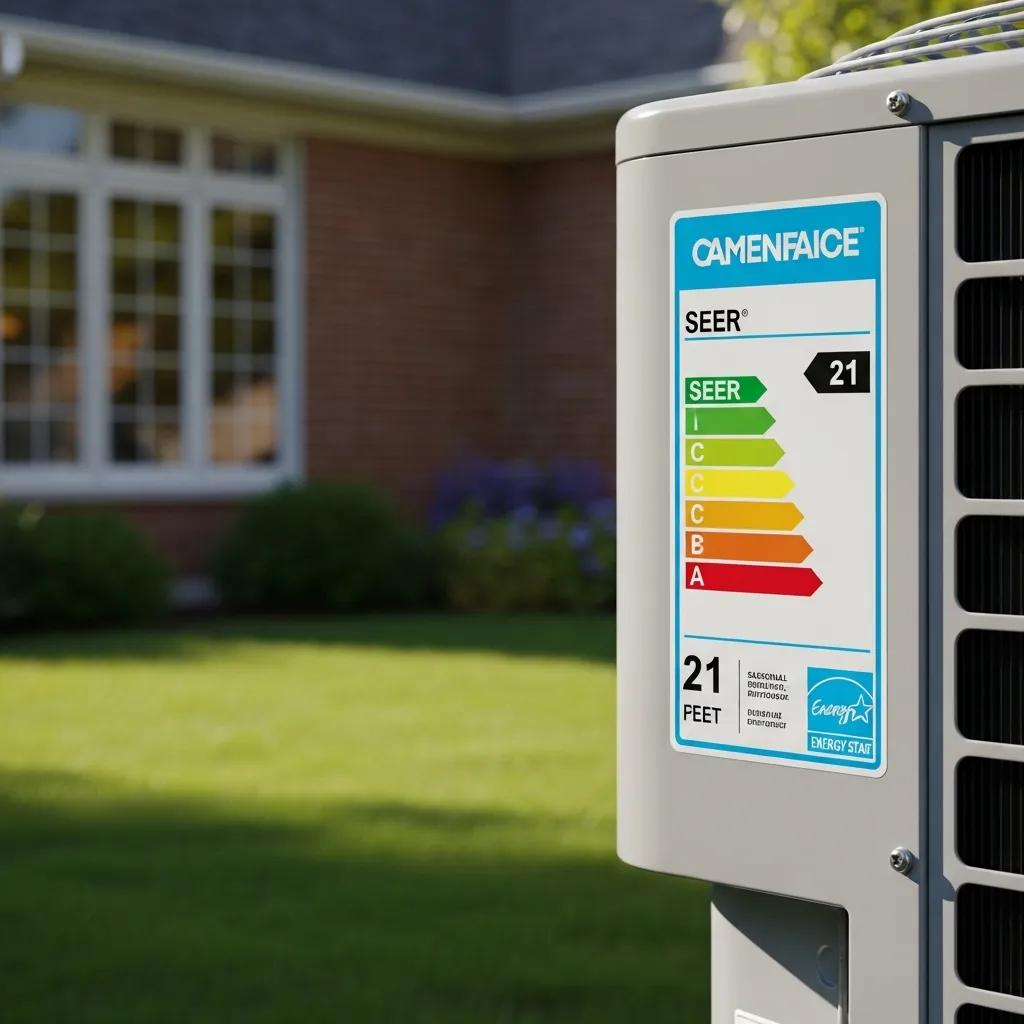
When upgrading to a new HVAC system, homeowners can expect typical energy savings percentages that vary based on the system’s efficiency. Generally, high-efficiency systems can save between 20% to 40% on energy costs compared to older, less efficient models. For instance, a system with a SEER rating of 16 or higher can yield substantial savings over time. Factors influencing these savings include the age of the existing system, the type of fuel used, and the overall energy efficiency of the home.
How Do Local Greenville, SC Energy Costs Affect Your Savings?
Local energy costs significantly impact the overall savings from a new HVAC system. In Greenville, SC, energy rates are close to the national average, affecting how much homeowners save on their utility bills. For example, if the average energy cost is higher than the national average, the potential savings from upgrading to an energy-efficient HVAC system become even more pronounced. Homeowners should consider current energy rates and how they compare to national averages when calculating potential savings.
What Do SEER, AFUE, and HSPF Ratings Mean for HVAC Efficiency?
Understanding HVAC efficiency ratings is crucial for making informed decisions about system upgrades. SEER (Seasonal Energy Efficiency Ratio), AFUE (Annual Fuel Utilization Efficiency), and HSPF (Heating Seasonal Performance Factor) are key metrics that indicate how efficiently an HVAC system operates. Higher ratings typically correlate with greater energy savings and lower utility bills.
How Does SEER Rating Influence Air Conditioner Energy Savings?
The SEER rating measures the cooling efficiency of air conditioning systems. A higher SEER rating indicates a more efficient system, which can lead to significant energy savings. For example, an air conditioner with a SEER rating of 20 can be up to twice as efficient as one with a rating of 10. This efficiency translates into lower energy bills, making it a critical factor to consider when purchasing a new air conditioning unit.
Why Are AFUE and HSPF Important for Heating System Savings?
AFUE and HSPF ratings are essential for evaluating the efficiency of heating systems. AFUE measures the efficiency of furnaces and boilers, while HSPF assesses the efficiency of heat pumps. Higher ratings in both categories indicate better energy performance, leading to reduced heating costs. For instance, a furnace with an AFUE of 90% converts 90% of its fuel into heat, resulting in lower energy expenses for homeowners.
How Does the MD Heating & Air Energy Savings Calculator Work?
The MD Heating & Air Energy Savings Calculator is a valuable tool for homeowners looking to estimate their potential savings from a new HVAC system. By inputting specific data about their current system and local energy rates, users can receive a tailored estimate of their energy savings.
What Inputs Are Needed to Estimate Your HVAC Savings?
To use the energy savings calculator effectively, homeowners need to provide several key inputs, including the current system’s efficiency rating, the type of fuel used, and local energy costs. Additionally, information about the size of the home and the number of occupants can help refine the savings estimate. Accurate data ensures that the calculator provides a realistic projection of potential savings.
How Does the Calculator Incorporate Local Energy Rates and Usage?
The calculator takes into account local energy rates and typical usage patterns to provide a comprehensive savings estimate. By analyzing current energy costs in Greenville, SC, the calculator can offer insights into how much homeowners can expect to save with a new, energy-efficient HVAC system. This localized approach ensures that the estimates are relevant and actionable.
How Do Energy-Efficient HVAC Upgrades Lower Your Energy Bills?
Upgrading to energy-efficient HVAC systems not only reduces energy bills but also offers various financial benefits. Homeowners can enjoy long-term savings, increased property value, and potential rebates or tax credits for energy-efficient upgrades.
How Much Can You Save on Utility Bills with High-Efficiency AC and Heating?
High-efficiency AC and heating systems can lead to substantial savings on utility bills. Homeowners can save hundreds of dollars annually by switching to systems with higher efficiency ratings. For example, a high-efficiency air conditioner can save a household approximately $200 to $300 per year compared to a standard model. Over time, these savings can offset the initial investment in a new system.
What Local Rebates and Tax Credits Are Available in Greenville, SC?
In Greenville, SC, homeowners may qualify for various local rebates and tax credits when upgrading to energy-efficient HVAC systems. These incentives can significantly reduce the upfront costs of purchasing and installing a new system. Homeowners should check with local utility companies and government programs to explore available financial incentives that can enhance the overall savings from their HVAC upgrade.
When Is It Time to Replace Your Old HVAC System for Maximum Savings?
Recognizing when to replace an old HVAC system is crucial for maximizing energy savings. Several signs indicate that it may be time for an upgrade, including rising energy bills, frequent repairs, and inconsistent temperatures throughout the home.
What Are the Signs of Inefficient or Aging HVAC Equipment?
Common signs of inefficient or aging HVAC equipment include unusual noises, poor airflow, and increased energy bills. If a system requires frequent repairs or is over 15 years old, it may be time to consider a replacement. Homeowners should also monitor the system’s performance during peak heating and cooling seasons, as inefficiencies often become more apparent during these times.
How Do Repair Costs Compare to Energy Savings from New Systems?
When evaluating whether to repair or replace an HVAC system, homeowners should consider the long-term savings associated with a new, energy-efficient system. While repair costs may seem manageable in the short term, they can add up over time. In contrast, a new system can provide immediate energy savings, making it a more cost-effective solution in the long run.
How Can Smart Thermostats and Maintenance Maximize Your HVAC Energy Savings?
Integrating smart thermostats and regular maintenance into your HVAC system can further enhance energy savings. Smart thermostats allow homeowners to optimize their heating and cooling schedules, while routine maintenance ensures that systems operate at peak efficiency.
What Energy Savings Do Smart Thermostats Provide?
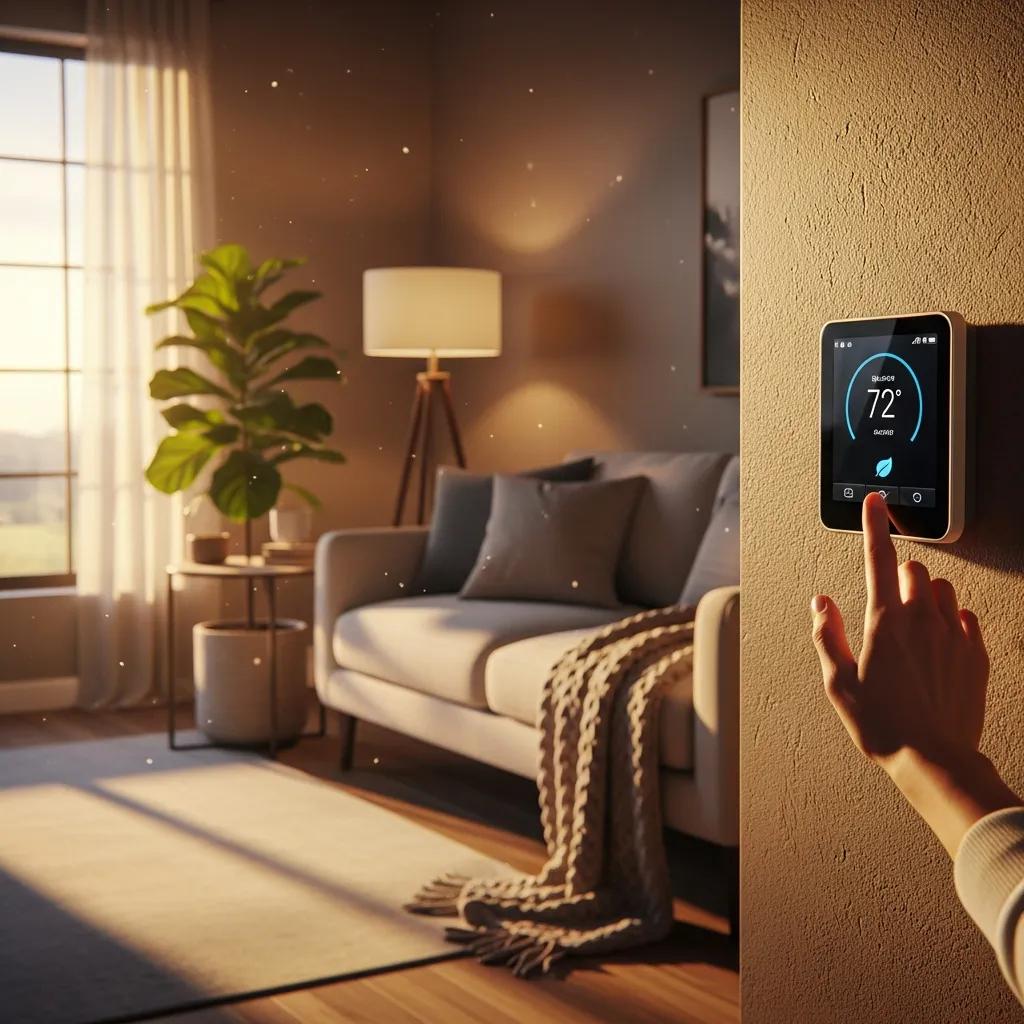
Smart thermostats can lead to significant energy savings by allowing homeowners to program their heating and cooling schedules based on their daily routines. By adjusting temperatures when the home is unoccupied, users can reduce energy consumption without sacrificing comfort. Studies show that smart thermostats can save homeowners up to 10-12% on their heating and cooling energy bills annually.
Why Is Regular HVAC Maintenance Crucial for Efficiency?
Regular HVAC maintenance is essential for ensuring that systems operate efficiently and effectively. Routine inspections and tune-ups can identify potential issues before they become costly repairs, helping to maintain optimal performance. Additionally, well-maintained systems are more likely to achieve their rated efficiency, leading to lower energy bills and extended equipment lifespan.