

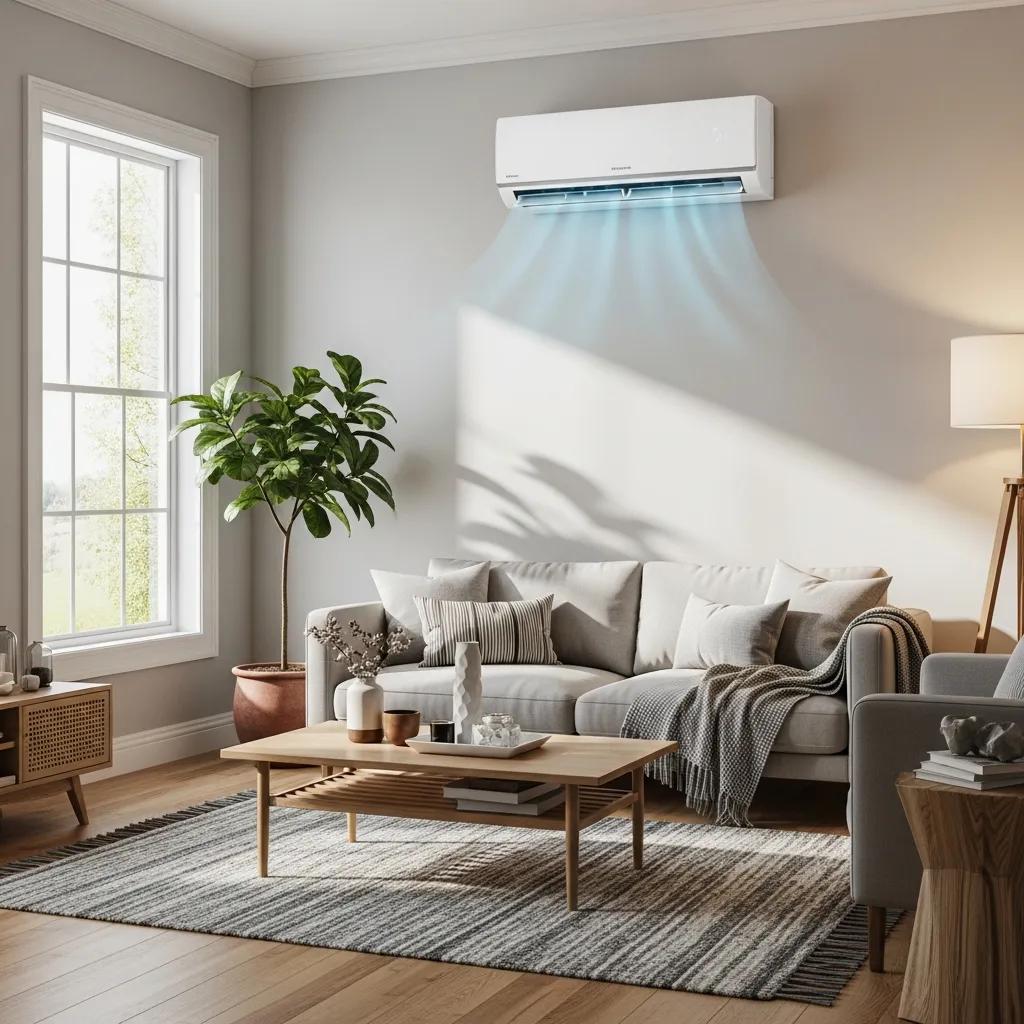
Ductless Mini-Split Installation in Greenville, SC: Expert Services, Costs, and Benefits
Ductless mini-split systems are a practical, energy-smart option for Greenville homeowners dealing with hot, humid summers or older homes that don’t have ductwork. This guide explains what mini-splits are, how they work, the advantages for local houses, and what to expect when a pro installs one. You’ll learn the difference between single‑zone and multi‑zone systems, typical installed costs and financing choices, and how to keep a system running reliably. If you’re comparing mini‑splits to central air or considering an efficient heat pump, the step‑by‑step installation overview and cost breakdown will help you make a clear decision. We also cover what to look for in a local installer — including NATE certification — and how MD Heating & Air Conditioning helps with sizing, free estimates, and after‑service in Greenville. Start with a simple definition and practical overview, then follow sections on benefits, installation workflow, costs and incentives, reasons to hire a trusted local contractor, and upkeep tips.
What Are Ductless Mini-Split Systems and How Do They Work?
A ductless mini‑split links one outdoor compressor/condenser to one or more indoor air handlers via refrigerant lines, giving you heating and cooling without ducts. Refrigerant moves between the outdoor unit and each indoor head to move heat in or out of the rooms being conditioned, allowing independent temperature control by zone. Electronic expansion valves and thermostatic controls manage the refrigerant loop so the system runs efficiently and lets you set different temperatures for each room. Knowing the main components and basic operation makes it easier to decide whether a mini‑split fits an addition, sunroom, or a whole‑house zoned setup. The sections below break down components and compare single‑zone versus multi‑zone options to help you choose.
What Components Make Up a Ductless Mini-Split System?
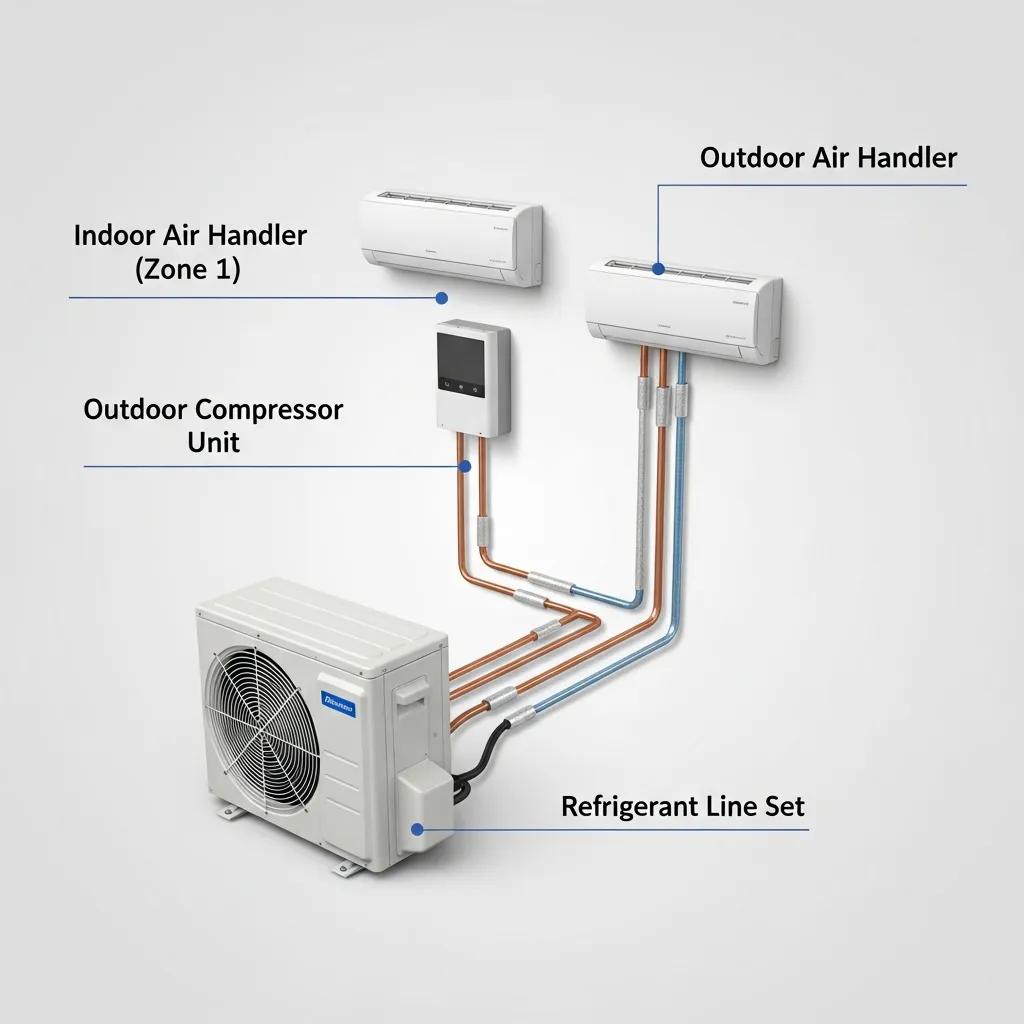
A standard mini‑split includes an outdoor compressor/condenser, one or more indoor air handlers, refrigerant line sets, electrical wiring, and controls (remotes or wall thermostats). Indoor units are available as wall‑mounts, ceiling cassettes, or floor units so you can match the layout and look of each room. The outdoor unit contains the compressor and condenser coil that move heat, while accessories like mounting brackets, condensate drains and filters complete the installation and affect maintenance needs. Technicians perform load calculations to size equipment correctly so SEER and HSPF ratings achieve the expected efficiency. Understanding each part clarifies installation, placement, noise expectations, and access for future service.
How Do Single-Zone and Multi-Zone Mini-Splits Differ?
Single‑zone mini‑splits serve one indoor area and are a great choice for a single room, addition, or garage where ducts aren’t practical. Multi‑zone systems connect several indoor heads to one outdoor compressor so you can control temperatures in multiple rooms while keeping a single outdoor footprint. Costs and installation complexity rise with the number of zones—the more indoor heads and the longer the refrigerant runs, the higher the labor and material costs—but multi‑zone setups can save energy by conditioning only occupied spaces. For many Greenville homes, the right choice depends on how you use rooms, retrofit limitations, and budget, so accurate load calculations are essential.
Greenville Ductless Mini-Split Installation: Savings, Costs & Benefits
Ductless mini‑splits offer Greenville homeowners focused comfort, strong energy performance, better indoor air quality, and flexible installation where ducts don’t exist. Because each indoor head runs independently, you can reduce energy use by conditioning only occupied rooms and avoid the losses common with older, leaky duct systems. Mini‑splits are typically quieter than window units, include modern filtration to improve air quality, and adapt to a variety of homes—from single‑room retrofits to multi‑zone whole‑house systems. These advantages match Greenville’s climate and housing styles, making mini‑splits a smart option for many retrofit and new‑build situations. The lists and table below summarize efficiency and practical benefits to help with local planning.
Ductless mini‑splits deliver measurable energy and comfort advantages:
- Zoned Comfort: Room‑by‑room control reduces wasted conditioning and keeps temperatures steady where you need them.
- Energy Efficiency: High SEER/HSPF ratings and no duct losses lower utility bills in hot, humid climates.
- Improved Indoor Air Quality: Built‑in filters cut particulates and allergens, which helps occupants with sensitivities.
These benefits address Greenville homeowners’ most common issues: heavy cooling demand, uneven temperatures, and aging ductwork that reduces efficiency. Knowing likely savings and practical uses makes it easier to decide if a mini‑split is the right investment.
Different models and layouts affect energy impact; the table below compares representative performance and expected savings for planning purposes.
How Does the Ductless Mini-Split Installation Process Work in Greenville, SC?
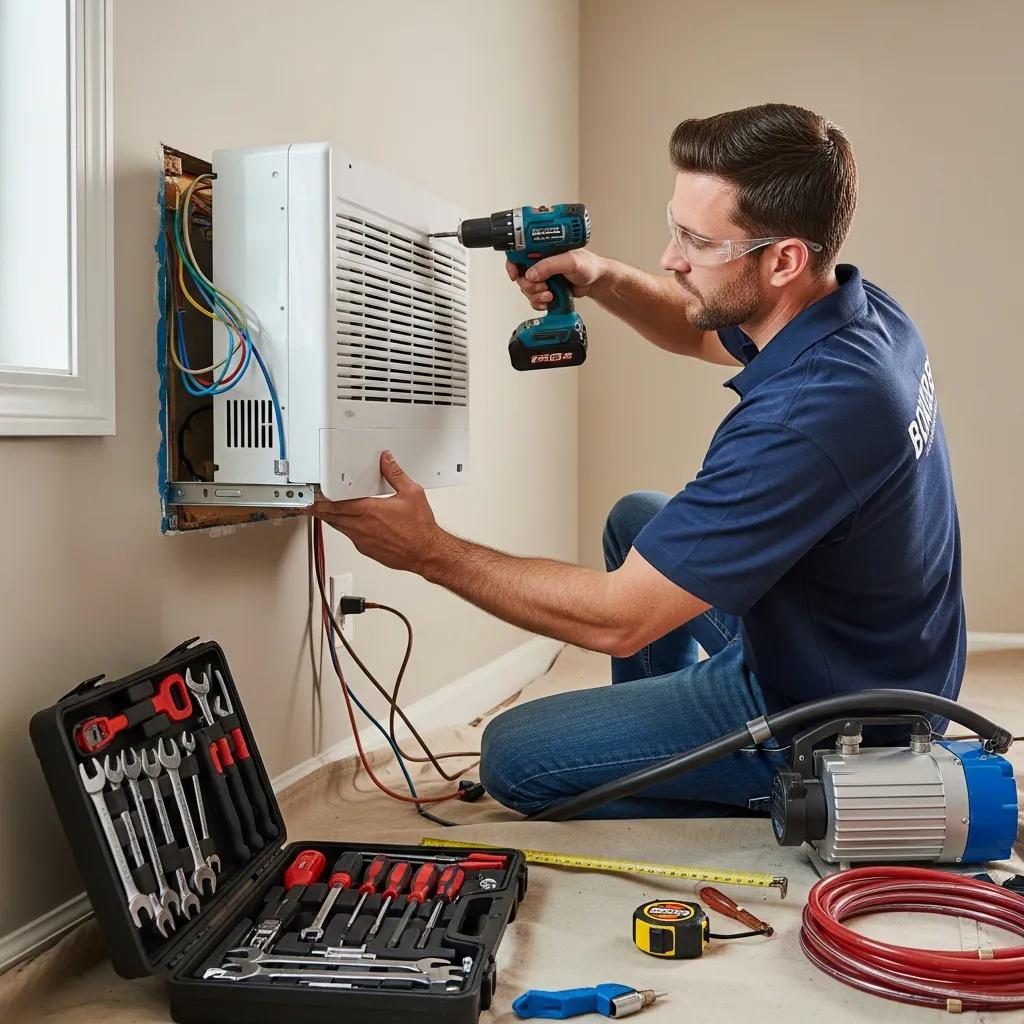
Professional installation starts with a site visit and room‑by‑room load calculation to pick the right size and optimal indoor head locations. Technicians inspect for outdoor unit placement, refrigerant run length, and electrical needs, then provide a written estimate listing equipment, labor, warranty, and timeline. On install day crews mount indoor units, set the outdoor compressor on a pad or bracket, run refrigerant and condensate lines through a small hole, and evacuate and charge the system before testing. Final commissioning includes system balancing, a homeowner walkthrough, filter orientation, and paperwork covering warranty and maintenance so you know how to operate and care for the system. The numbered list below summarizes the typical installation steps in order.
The installation workflow typically follows these steps:
- Assessment and Load Calculation: Measure rooms and determine capacity and placement requirements.
- Equipment Selection and Quoting: Choose single‑ or multi‑zone systems and present a detailed written estimate.
- Installation and Line Routing: Mount indoor heads, install outdoor unit, and run refrigerant and condensate lines.
- Evacuation, Charging, and Commissioning: Vacuum the lines, charge refrigerant, test operation, and perform homeowner walkthrough.
That sequence sets expectations for timing, site preparation, and the final handoff. The next section explains how MD Heating & Air Conditioning handles each step and what sets our process apart.
What Steps Are Involved in Professional Installation by MD Heating & Air?
At MD Heating & Air Conditioning we begin with a detailed assessment and load calculation to recommend the right single‑zone or multi‑zone setup and the best indoor head styles. Our NATE‑certified technicians follow a checklist during every install to ensure secure mounting, correct refrigerant routing, proper electrical connections, and reliable condensate management. We place outdoor units on weather‑protected pads or brackets, evacuate and charge refrigerant with calibrated tools, run performance tests, and register manufacturer warranties during the final walkthrough. Because we offer free estimates and financing options, homeowners get a no‑obligation proposal that explains equipment choices, expected energy outcomes, and the project timeline. These quality checks reduce callbacks and help systems run efficiently for years.
What Should Homeowners Expect During Installation?
Expect steady daytime activity for a typical mini‑split install. Most single‑head installs finish in a day; multi‑zone projects can take one to several days depending on scope. Technicians will ask that the work area be clear and may need temporary power access; they’ll protect flooring and tidy up at the end of each day. You’ll hear short‑term noise from drilling and compressor start‑up, and technicians will explain normal sounds versus issues that need follow‑up. At handoff they’ll demonstrate controls, show filter locations, provide warranty paperwork, and review routine maintenance to keep the system efficient and compliant with manufacturer terms. Preparing pets and confirming timelines makes the process smoother.
What Are the Typical Costs and Financing Options for Mini-Split Installation in Greenville?
Installed costs depend on system type, number of zones, brand and efficiency level, and the complexity of the installation. Single‑zone wall‑mounted units are the most budget‑friendly for individual rooms, while multi‑zone systems and high‑efficiency heat pumps cost more up front but often save more over the system’s life. Major cost drivers include the number of indoor heads, outdoor unit capacity, refrigerant line length, electrical upgrades, and whether custom mounting or concealment is required. Always get written, itemized estimates to compare proposals, and consider financing to spread payments. MD Heating & Air Conditioning provides free estimates and offers financing options to help manage upfront costs; homeowners should also check current federal guidance on tax credits before finalizing a purchase.
Key cost factors to collect for accurate quotes:
- Number of Zones: More indoor heads increase equipment and labor costs.
- Brand and Efficiency: Higher SEER/HSPF models cost more but can lower operating bills long term.
- Installation Complexity: Long refrigerant runs, finished walls, and electrical work raise labor time.
Before you ask for bids, gather site details—room sizes, preferred indoor unit styles, and access points—so estimates are accurate. The table below shows common system types and typical installed cost ranges for planning.
This table shows how scope and capacity affect upfront cost and helps you pick a configuration that fits your budget and goals. The next section explains other financial support options and how to capture federal incentives.
What Factors Affect the Cost of Ductless Mini-Split Systems?
Installed cost reflects several tangible factors: the number of indoor units, the outdoor unit’s capacity, refrigerant line length and routing, any required electrical upgrades, and the chosen indoor head style. Structural constraints—finished walls, multiple stories, or hidden chases—add labor and materials, while premium brands with higher SEER/HSPF ratings have a higher sticker price but often lower lifetime operating costs. Ask for itemized quotes that include model numbers, labor hours, and any additional work like pad installation or panel upgrades. To lower cost consider phased installations, choosing wall‑mounted heads over cassettes where practical, or selecting mid‑range efficiency models that balance upfront price with long‑term savings.
How Can Homeowners Benefit from Financing and Federal Tax Credits?
Financing helps spread the cost of higher‑efficiency mini‑split installations so monthly payments fit your budget, and MD Heating & Air Conditioning offers financing options alongside free estimates to help compare payment scenarios. Federal incentives and tax credits may be available for qualifying heat pump systems; check current IRS and DOE guidance for eligibility, limits, and documentation rules. We can help with the paperwork by supplying equipment specs and invoices needed to claim credits, though homeowners should confirm details with their tax advisor. Understanding financing terms and incentive rules helps lower net costs and maximize lifetime savings.
Why Choose MD Heating & Air Conditioning for Your Greenville Mini-Split Installation?
MD Heating & Air Conditioning is a local, family‑owned HVAC company serving Greenville County and nearby areas, focused on experienced technicians and straightforward customer service. We highlight NATE‑certified technicians, 24/7 emergency response, free estimates, and flexible financing as trust signals for homeowners who want reliable installation and long‑term support. Working with a local installer makes follow‑up service easier, and certified technicians ensure correct load calculations, safe refrigerant handling, and adherence to manufacturer installation requirements. The table below summarizes what we offer for mini‑split projects so you can compare value clearly.
This comparison highlights how MD Heating & Air supports cost control, installation quality, and reliable follow‑up. The sections below go into technician expertise and customer support in more detail.
What Expertise Do NATE-Certified Technicians Bring to Installations?
NATE certification means technicians have proven skills through standardized testing across HVAC installation, service, and troubleshooting. Certified techs are more likely to perform accurate load calculations and avoid common installation mistakes. They follow best practices for refrigerant charging, pressure testing, and electrical connections and are more likely to meet manufacturer requirements that protect your warranty. Combined with local knowledge of Greenville’s climate and home types, NATE certification is a practical sign of reliable installation quality.
How Does MD Heating & Air Ensure Customer Satisfaction and Support?
We focus on transparent, written estimates, a technician walkthrough at project completion, and clear maintenance recommendations to keep systems running well. Our 24/7 emergency service gives homeowners access to repairs outside normal hours, and the financing options help manage upfront cost. After installation, technicians provide a homeowner orientation covering controls, filter replacement, and simple troubleshooting so you feel confident operating the system. To schedule a free estimate or discuss timing, reach out to Michael Donnelly or call the company number to start a no‑obligation assessment and plan.
What Maintenance and Repair Services Are Available for Ductless Mini-Splits in Greenville?
Regular maintenance and timely repairs help preserve efficiency, extend component life, and keep manufacturer warranties valid. Routine tasks include cleaning or replacing filters, periodic coil cleaning, checking and clearing condensate drains, and an annual professional tune‑up to verify refrigerant charge, electrical connections, and system diagnostics. Quick response to refrigerant leaks, compressor faults, or control failures prevents secondary damage and restores comfort faster. The list below covers common services and helps you decide when to tackle something yourself and when to call a pro.
Common maintenance and repair services include the following:
- Filter Cleaning and Replacement: Clean washable filters or replace disposable ones regularly to maintain airflow and indoor air quality.
- Annual Tune-Up: A professional inspection verifies refrigerant levels, checks electrical integrity, and optimizes performance.
- Drain and Coil Service: Clearing condensate drains and cleaning coils prevents moisture problems and microbial growth.
Combining homeowner upkeep with scheduled professional service keeps systems efficient and reduces the chance of expensive failures. The next section describes typical failure modes and when to call a technician.
What Are Common Mini-Split Issues and How Are They Resolved?
Typical symptoms include weak airflow from dirty filters or blocked indoor units, reduced heating or cooling caused by low refrigerant or leaks, and unusual noises from fans or compressors. Homeowners can try basic checks: clean filters, clear obstructions, and reset breakers for intermittent electrical issues. However, refrigerant work, compressor replacement, and complex electrical repairs should be handled by certified technicians. Quick diagnosis and professional repair of refrigerant leaks and electrical faults reduce environmental risk and restore reliable performance. Knowing which issues are DIY and which need a pro keeps you safe and protects warranty coverage.
Why Is Regular Maintenance Important for System Longevity?
Regular maintenance helps systems keep peak efficiency, lowers operating costs, and prevents small problems from turning into expensive failures that shorten equipment life. Routine cleaning and annual professional inspections keep refrigerant charge correct, secure electrical connections, and ensure proper drainage—actions that support energy performance and warranty compliance. Maintenance plans with scheduled visits and priority service reduce downtime and make budgeting easier. Investing in regular care pays off with better comfort, lower bills, and longer service life.
Call to Action: Ready to evaluate ductless mini‑split options in Greenville? Request a free estimate or call MD Heating & Air Conditioning to schedule an assessment with our NATE‑certified technicians. For direct help, contact Michael Donnelly at the company phone to arrange a no‑obligation quote and discuss financing options.
Frequently Asked Questions
What is the lifespan of a ductless mini-split system?
Most ductless mini‑split systems last 15 to 20 years, depending on usage, maintenance, and installation quality. Regular maintenance—filter care and annual professional tune‑ups—helps extend life. Choosing quality equipment and proper installation by certified technicians also improves longevity. As systems age, efficiency typically declines, so monitor performance and plan replacement when it makes financial sense.
Can ductless mini-splits be used for heating in winter?
Yes. Many mini‑splits use heat‑pump technology to extract heat from outdoor air and provide efficient heating in winter. Modern units can perform well in our climate, but choose a model with the right heating capacity for your space and make sure it’s installed correctly to get consistent comfort in cold weather.
Are ductless mini-splits noisy during operation?
Mini‑splits are generally quieter than window units or older central systems. Indoor heads often run at noise levels comparable to a whisper, making them suitable for bedrooms and living areas. The outdoor unit makes some sound, but newer models are much quieter than older compressors. Overall, you should notice a quieter home while enjoying efficient heating and cooling.
How do I choose the right size ductless mini-split system?
Picking the right size requires a load calculation that factors room size, insulation, and local climate. A professional technician will assess these variables and recommend the correct capacity. An undersized unit will struggle to maintain comfort; an oversized unit can short‑cycle and waste energy. Let a certified tech size the system for best results.
What are the energy efficiency ratings for ductless mini-splits?
Mini‑splits are rated by SEER (Seasonal Energy Efficiency Ratio) for cooling and HSPF (Heating Seasonal Performance Factor) for heating. Higher numbers mean better efficiency and lower utility bills. Many modern mini‑splits have SEER ratings above 20 and HSPF ratings above 10. When choosing equipment, look for higher ratings to maximize savings and comfort.
Can I install a ductless mini-split system myself?
DIY installation is not recommended. Proper installation requires refrigerant handling, electrical work, and accurate load calculations to meet codes and manufacturer requirements. Mistakes can cause inefficiency, system failure, or void warranties. Hiring a NATE‑certified technician ensures the job is done safely and correctly.
What maintenance is required for ductless mini-split systems?
Routine maintenance includes cleaning or replacing filters, inspecting and clearing condensate drains, and yearly professional tune‑ups. Check filters monthly and clean as needed to preserve airflow and indoor air quality. Professional service should include refrigerant checks, electrical inspections, and system diagnostics. Regular upkeep improves efficiency, extends equipment life, and protects warranty coverage.
Conclusion
Installing a ductless mini‑split can give Greenville homeowners better comfort, improved energy efficiency, and cleaner indoor air—tailored to each home’s needs. With professional installation and routine maintenance from NATE‑certified technicians, you’ll get reliable performance and longer equipment life. Ready to explore options? Request a free estimate from MD Heating & Air Conditioning today and take the first step toward a more comfortable home.