Discover Heat Pump Installation in South Carolina: Expert Solutions for Energy Efficiency and Comfort
Heat pumps are becoming increasingly popular in South Carolina, particularly in Greenville County, due to their energy efficiency and dual functionality for heating and cooling. They work by transferring heat rather than generating it, which can lead to significant energy savings and lower utility bills. Heat pumps are also environmentally friendly, reducing greenhouse gas emissions and improving indoor air quality. Various types of heat pumps are available, including air-source, ground-source, and ductless mini-split systems, allowing homeowners to choose the best option for their needs.
What Are the Benefits of Installing Heat Pumps in South Carolina?
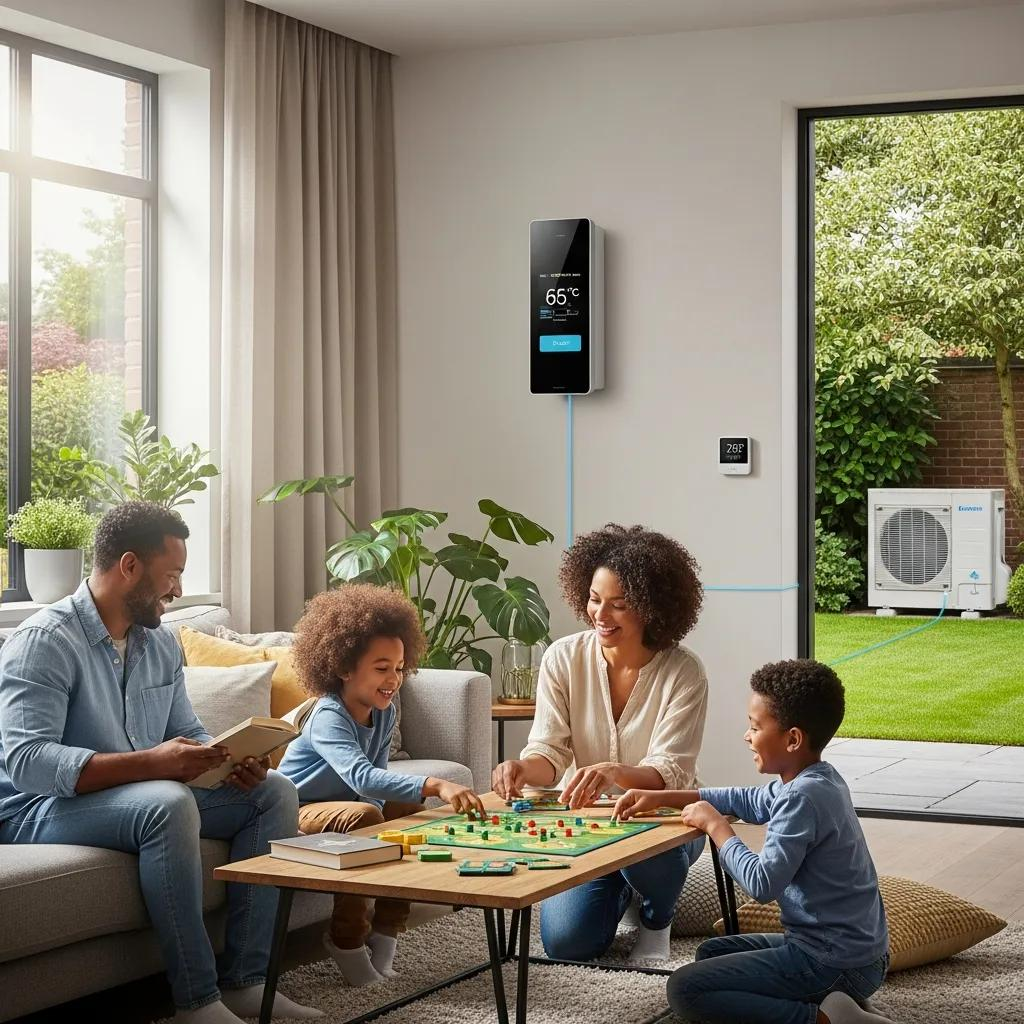
The benefits of installing heat pumps in South Carolina include:
- Energy Efficiency: Heat pumps deliver more energy than they consume, resulting in significant savings on energy bills.
- Cost Savings: By using less energy for heating and cooling, heat pumps can lower monthly utility costs.
- Year-Round Comfort: They provide both heating and cooling capabilities, ensuring a comfortable indoor environment throughout the year.
- Reduced Carbon Footprint: Heat pumps significantly reduce greenhouse gas emissions compared to traditional heating systems, making them an environmentally friendly choice.
- Improved Indoor Air Quality: Many models feature advanced filtration systems that capture dust, allergens, and pollutants, leading to cleaner air inside homes.
- Versatile Applications: Heat pumps can be used for various applications, including space heating, cooling, and sometimes water heating.
- Longer Lifespan and Lower Maintenance: They have fewer moving parts and require less maintenance than traditional HVAC systems, leading to longer lifespans and fewer repairs.
For homeowners in South Carolina, the installation of heat pumps not only enhances comfort but also contributes to significant energy savings. MD Heating and Air Conditioning specializes in “HVAC services” with a focus on heat pump installation, ensuring that residents can benefit from these energy-efficient systems tailored for their specific needs.
How Do Energy Efficient Heat Pumps Save You Money?
Energy-efficient heat pumps save money by providing both heating and cooling in a single system, which can lower annual energy bills, especially in mild climates. Although they may have higher upfront installation costs compared to traditional systems, they often replace separate furnace and AC setups, simplifying maintenance and potentially offsetting initial expenses. Over a 5–15 year period, heat pumps can be more cost-effective due to their efficiency, lower operational costs, and eligibility for rebates and incentives. Additionally, they require less maintenance and have longer lifespans, further contributing to savings.
Why Choose Heat Pumps Over Traditional HVAC Systems?
Heat pumps are often chosen over traditional HVAC systems for several reasons:
- Energy Efficiency: Heat pumps transfer heat rather than generate it, making them more energy-efficient and often resulting in lower utility bills.
- Dual Functionality: They provide both heating and cooling, which can be ideal for moderate climates.
- Environmental Benefits: Heat pumps significantly reduce greenhouse gas emissions and can integrate with renewable energy sources, minimizing the carbon footprint.
- Improved Indoor Air Quality: Many heat pump models feature advanced filtration systems that capture dust, allergens, and pollutants.
- Lower Maintenance Needs: Heat pumps have fewer moving parts compared to traditional systems, leading to less maintenance and longer lifespans.
- Cost-Effective: The efficiency and reduced operational costs make heat pumps a cost-effective investment for many homeowners.
These advantages make heat pumps an attractive option for those looking to balance comfort, “efficiency”, and environmental impact.
Energy-Efficient Heat Pump Installation Services in South Carolina
The best types of heat pumps for South Carolina homes and businesses include:
- Air-Source Heat Pumps: Effective in moderate climates like South Carolina, they extract heat from the outside air and can operate efficiently down to about 25°F, though efficiency decreases at lower temperatures.
- Ductless Mini-Split Heat Pumps: These offer flexibility in installation and allow for temperature control in individual rooms, making them suitable for homes with specific heating and cooling needs.
- Geothermal Heat Pumps: Although they have a higher initial installation cost, they utilize stable underground temperatures for efficient heating and cooling, providing long-term savings and environmental benefits.
These options cater to the climate and energy efficiency needs of South Carolina residents.
What Are the Advantages of Ductless Heat Pump Systems?
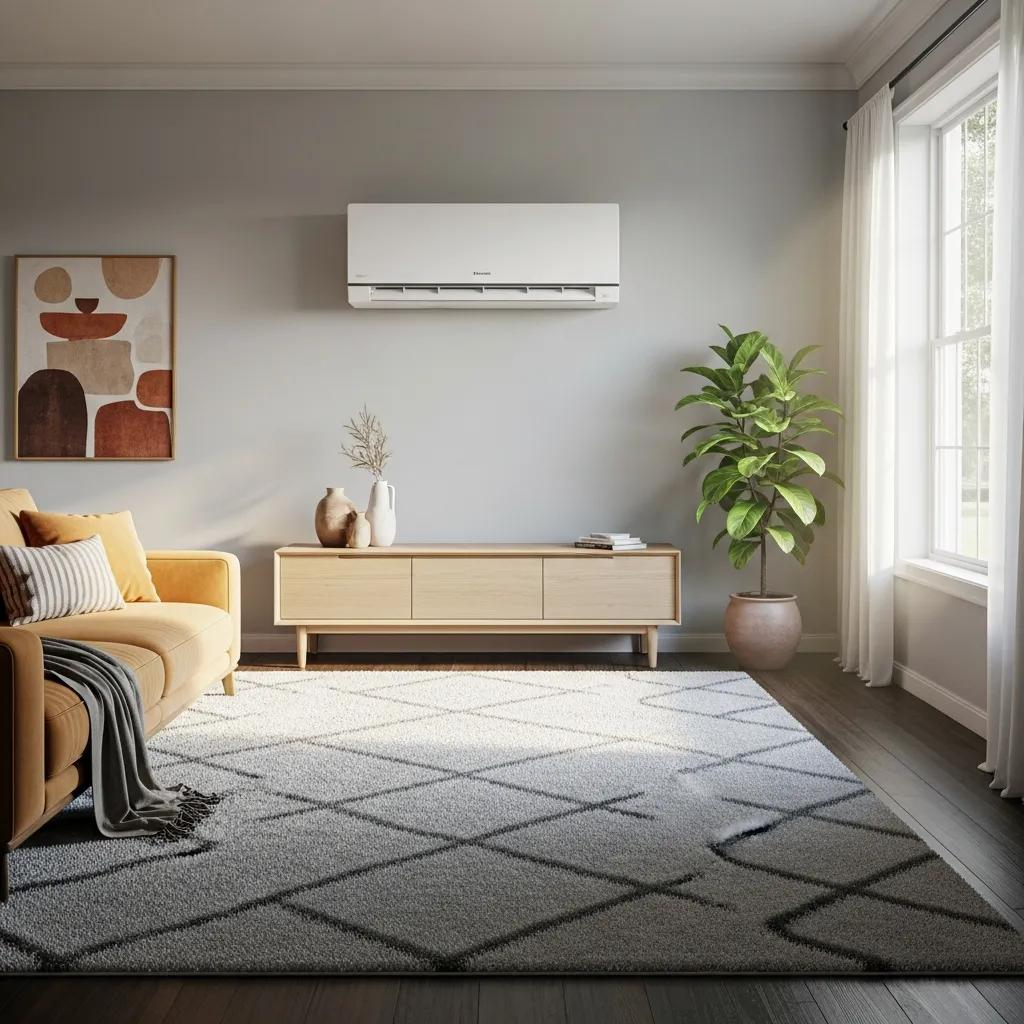
The advantages of ductless heat pump systems include:
- Energy Efficiency: They often achieve higher SEER ratings than traditional systems, leading to significant savings on energy bills.
- Flexible Installation: No ductwork is required, making them suitable for homes without existing ducts or hard-to-reach areas.
- Zoned Cooling: Users can customize temperatures in individual rooms, cooling only the spaces in use for additional energy savings.
- Improved Air Quality: Advanced filtration systems remove dust, allergens, and pollutants, enhancing indoor air quality.
- Quiet Operation: They operate quietly, making them ideal for bedrooms and offices.
- Easy Maintenance: With fewer components, they are easier to maintain, requiring regular filter cleaning and occasional professional servicing.
How Do Commercial Heat Pump Systems Differ from Residential Options?
Commercial heat pump systems differ from residential options primarily in their capacity and design. They are typically larger and designed to handle the heating and cooling needs of larger spaces. Additionally, commercial systems often have more complex controls and may integrate with building management systems for enhanced efficiency. Understanding these differences is crucial for businesses looking to implement effective “HVAC solutions”.
How Does the Heat Pump Installation Process Work in Greenville County?
The installation process for heat pumps in Greenville County involves several key steps to ensure a successful setup.
- Consultation & Assessment: A qualified technician evaluates the home or business to determine the best heat pump system for the specific needs.
- Sizing & Equipment Selection: The technician will analyze the space and recommend the appropriate size and type of heat pump.
- Installation Day(s): The actual installation can take anywhere from a few hours to a full day, depending on the complexity of the system being installed.
- Testing & Commissioning: After installation, the system is tested to ensure it operates correctly and efficiently.
What Is the Typical Timeline for Heat Pump Installation?
The typical timeline for heat pump installation includes the following phases:
- Consultation & Assessment: 1–2 hours
- Sizing & Equipment Selection: 1–3 days (analysis)
- Installation Day(s): 4–16 hours (for a single-day replacement)
- Testing & Commissioning: 1–2 hours
Overall, the entire process can take from one to three days, depending on the complexity of the installation.
What Should You Expect During a Professional Installation?
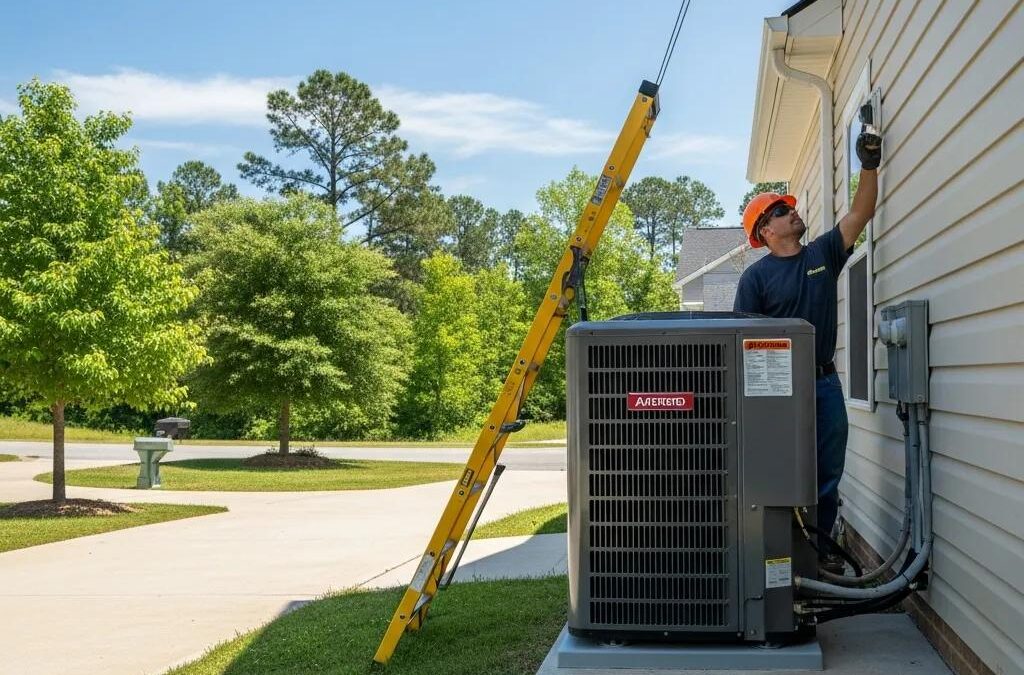
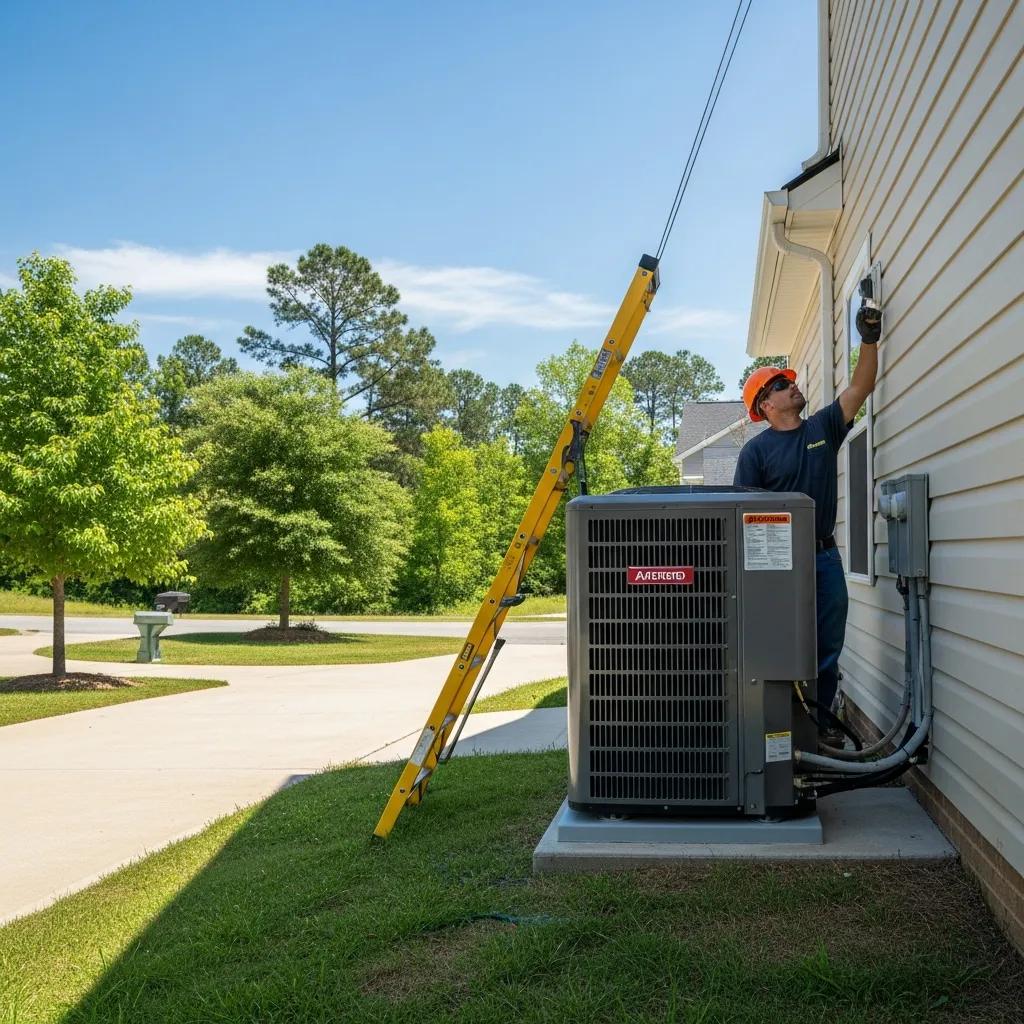
During a professional installation, homeowners can expect the crew to arrive with tools, protective coverings, and the planned equipment. The process begins with site protection and safety checks. Simple condenser swaps typically finish within a business day, while full system replacements or ductwork may take longer. Technicians will check electrical capacity, set the outdoor unit on a level pad, connect refrigerant lines and controls, and seal or retrofit ductwork as needed. Cleanup and disposal of the old unit are standard, and final commissioning includes measuring refrigerant charge and airflow, demonstrating thermostat operation, and providing maintenance tips and a filter schedule. Clear communication throughout the day is emphasized to keep homeowners informed of progress.
What Are the Costs and Financing Options for Heat Pump Installation in South Carolina?
The cost of heat pump installation in Greenville and surrounding areas typically ranges from $4,000 to $9,000 for a standard air-source heat pump system. Homeowners should consider the long-term energy savings associated with heat pumps, as they are often more energy-efficient than traditional heating systems.
For financing options, homeowners in South Carolina can explore various local and federal rebates or tax credits that may be available for energy-efficient HVAC upgrades. Local utility companies like Duke Energy and Dominion Energy South Carolina (formerly SCE&G) may offer rebates, and federal tax credits under the Inflation Reduction Act can cover a percentage of the cost for qualifying systems. It’s advisable to check with local programs and consult a tax professional for specific details.
How Much Does Ductless Heat Pump Installation Typically Cost?
Ductless mini-split installation typically costs between $2,500 and $5,500 for a single-zone system in Greenville, SC. Multi-zone systems can range from $6,000 to $12,000 depending on the number of indoor units and installation complexity.
Are There Rebates or Incentives Available for Heat Pumps in South Carolina?
Yes, there are rebates and incentives available for heat pumps in South Carolina. Homeowners can benefit from local utility company rebates, such as those from Duke Energy and Dominion Energy South Carolina, as well as state-sponsored programs aimed at promoting energy efficiency. Additionally, federal tax credits for energy-efficient HVAC upgrades may also apply. It’s advisable to research and apply for these options to maximize savings.
How Can You Maintain and Repair Your Heat Pump for Long-Term Efficiency?
To maintain and repair your heat pump for long-term efficiency, homeowners should:
- Schedule Annual Inspections: Have a qualified technician check refrigerant levels, clean filters, and assess overall system performance to prevent issues.
- Change Filters Regularly: Replace filters every 1–3 months to enhance efficiency.
- Keep Outdoor Units Clear: Ensure that outdoor units are free from debris to maintain airflow and performance.
- Monitor for Signs of Issues: Be aware of unusual noises, inconsistent heating, or increased energy bills, which may indicate the need for repairs.
- Address Repairs Promptly: Common repairs may include replacing dirty filters, cleaning components, and fixing refrigerant leaks.
- Consider Professional Help for Repairs: Engage certified technicians for repairs, especially for refrigerant handling and pressure testing.
By adhering to these practices, homeowners can maximize energy savings and extend the life of their heat pump systems.
What Are Common Heat Pump Maintenance Services Offered in South Carolina?
Common heat pump maintenance services offered in South Carolina include:
- Preventative Maintenance: Regular check-ups to ensure optimal performance and efficiency.
- Filter Cleaning/Replacement: Addressing clogged or dirty air filters to improve airflow and efficiency.
- Thermostat Calibration: Ensuring the thermostat functions correctly for consistent temperature control.
- Duct Inspection and Sealing: Checking for leaks in ductwork to prevent heat loss and improve efficiency.
- Refrigerant Level Check: Ensuring proper refrigerant levels for effective heating and cooling.
- Electrical Component Inspection: Checking electrical connections and components for safety and functionality.
- System Cleaning: Cleaning the heat pump components to maintain efficiency and prolong lifespan.
These services help prevent unexpected breakdowns and enhance the overall efficiency of heat pumps.
When Should You Schedule Heat Pump Repair Services?
You should schedule heat pump repair services when you notice issues such as frosting on the unit, diminished airflow, abnormal sounds, or if the system struggles to maintain a consistent temperature. Additionally, if you experience recurring failures or if the heat pump is not operating efficiently, it may be time to seek repairs. Regular maintenance and prompt repairs can enhance comfort, lower energy bills, and improve the lifespan of your heat pump.