
Trusted Greenville, SC HVAC Services for Comfort & Indoor Air Quality
Greenville homeowners deserve reliable heating, ventilation, and air conditioning services that keep homes comfortable, save energy, and improve indoor air year‑round. This guide walks through the full range of HVAC services available in Greenville, SC — from emergency AC repair to planned maintenance and indoor air quality upgrades — and explains how the right design and service lower costs and extend equipment life. MD Heating & Air Conditioning is a local, family‑owned company serving Greenville County with NATE‑certified technicians, 24/7 emergency service, and straightforward pricing plus free estimates to help you decide with confidence.
You’ll learn how technicians diagnose repairs, how AC systems are chosen and sized for Greenville’s humid summers, when heating equipment should be repaired or replaced, why routine maintenance matters, and which indoor air quality upgrades cut allergens and mold risk. Practical comparison charts and simple troubleshooting lists make it easier to compare central AC, ductless mini‑splits, and heat pumps by efficiency and fit. Maintenance and IAQ sections include clear, actionable checklists so homeowners in Greenville, Spartanburg County, and nearby towns know when to request a service visit or a free estimate.
What HVAC Repair Services Are Available in Greenville, SC?
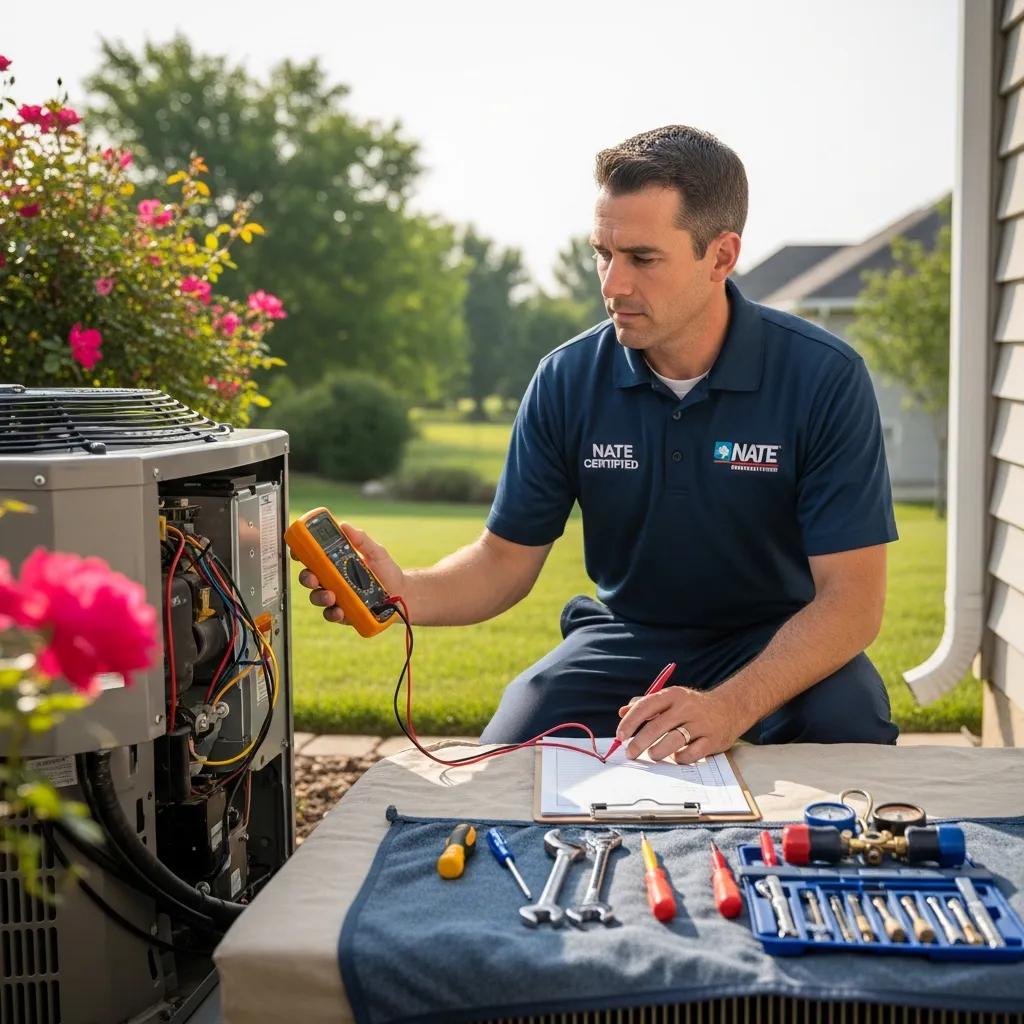
Repair services in Greenville cover air conditioners, heat pumps, furnaces, ductwork, thermostats, and emergency diagnostics to restore safe, efficient operation. Our technicians diagnose electrical, refrigerant, airflow, and mechanical issues using careful inspection and targeted tests, then outline repair options and estimated costs so you can choose repair or replacement. Around‑the‑clock emergency service handles sudden failures during peak heat or cold, reducing discomfort and protecting your home. Below is a quick summary of common repairs and the typical benefits when problems are fixed promptly.
- AC Compressor and Condenser Repairs: Restores cooling capacity and prevents system lockups by repairing or replacing key components and coils.
- Refrigerant Leak Detection and Recharge: Finds leaks, repairs the lines or fittings, and restores the correct refrigerant charge for efficient cooling.
- Thermostat and Controls Troubleshooting: Calibrates or replaces controls to fix uneven temperatures and reduce short‑cycling.
- Duct and Blower Motor Repairs: Seals duct leaks and repairs blower faults to restore airflow, improve comfort, and cut energy waste.
Targeted repairs like these reduce repeat calls and improve system reliability by addressing root causes, not just symptoms. Quick diagnosis often prevents secondary damage and helps homeowners evaluate repair ROI versus replacement with clear expectations about remaining life and performance.
How Do We Diagnose and Fix Common HVAC Problems?
We follow a step‑by‑step diagnostic process: visual inspection, electrical testing, refrigerant and pressure checks, and airflow measurement. Technicians begin with safety checks and symptom verification, then isolate the failed subsystem before presenting repair options and a timeline. For example, weak cooling is usually caused by restricted airflow, dirty coils, or low refrigerant; fixes range from filter changes and coil cleaning to leak repair and recharge. We explain parts, labor, and warranty implications so you can weigh costs and benefits while technicians prioritize safe, efficient solutions.
After repairs, technicians document findings and perform verification tests to confirm the system meets design parameters. That final check reduces callbacks by ensuring the repair solved the root cause and that controls, refrigerant charge, and airflow are within spec. Understanding our diagnostic sequence helps you see the value of certified technicians and avoid rushed or incomplete fixes.
Why Choose NATE-Certified Technicians for HVAC Repairs?
NATE certification shows a technician has passed industry‑recognized exams and demonstrated practical HVAC skills. Choosing NATE‑certified techs increases the chance of accurate diagnosis, correct part selection, and safe repairs — which lowers repeat service calls and surprise costs. Certified technicians follow best practices for combustion safety, refrigerant handling, electrical diagnostics, and airflow measurement, delivering consistent, verifiable results.
When hiring local providers in Greenville, asking for NATE certification is a simple way to ensure quality workmanship and long‑term performance. MD Heating & Air Conditioning highlights NATE‑certified technicians as a trust signal, so you can request certified service and clear estimates before work begins.
How Does AC Installation in Greenville, SC Enhance Home Cooling?
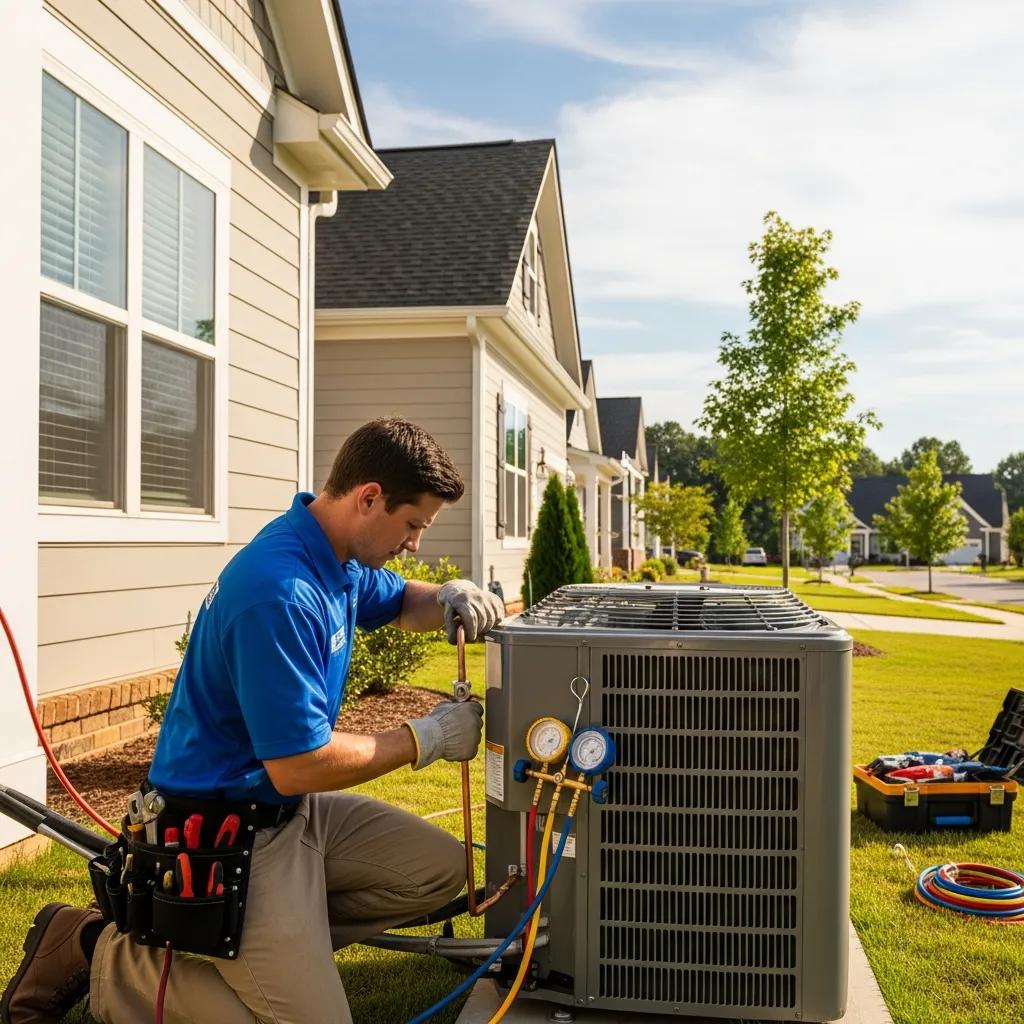
A proper AC installation connects the right system type, accurate sizing, and humidity control to real improvements in comfort and energy use for Greenville’s humid climate. Professional installation ensures the chosen SEER rating is realized in the home by doing precise load calculations, setting the correct refrigerant charge, and sealing ducts — all necessary to turn rated efficiency into real savings and steady cooling. Good installs also improve indoor air quality by addressing moisture control and filtration during the design phase, which reduces mold and allergen growth. The table below helps homeowners compare central AC, ductless mini‑splits, and heat pumps by efficiency, ideal home type, and typical cost range for the Greenville area.
The table below compares common cooling system types for Greenville homes:
This comparison clarifies which systems suit different homes and budgets, while stressing that correct sizing and installation quality matter as much as equipment efficiency. Choose a contractor who performs detailed load calculations and guarantees airflow and refrigerant charge to get the expected performance.
What Are the Benefits of Central AC and Ductless Mini-Split Systems?
Central AC and ductless mini‑splits each have clear advantages depending on your layout and goals. Central AC is efficient for whole‑house comfort when ducts are sized and sealed correctly, offering even temperatures and compatibility with existing HVAC setups. Ductless mini‑splits provide flexible zoning for individual rooms or additions, cutting energy waste by cooling only occupied spaces and simplifying installation where ducts aren’t available. Initial cost, efficiency, and installation complexity vary, so the right choice depends on priorities and existing system condition.
Comparing these options helps you weigh full‑house comfort against targeted, on‑demand cooling. For many Greenville homes, pairing a high‑efficiency central system with improved dehumidification balances comfort and IAQ, while ductless units solve spot problems like attic conversions or sunrooms.
How Is AC Installation Tailored to Greenville’s Climate Needs?
Greenville’s humid subtropical climate makes humidity removal, proper airflow, and corrosion resistance priorities for AC installs. Contractors should recommend higher‑SEER units with strong dehumidification, insulate ducts to prevent condensation, and balance airflow to avoid short‑cycling. Choosing coils and drainage that resist corrosion and promote drainage reduces mold risk and improves comfort during long humid stretches. Practical homeowner tips include using programmable thermostats for setback strategies and scheduling seasonal checks before peak cooling demand.
Designing installs for the local climate reduces energy waste and prevents moisture‑related IAQ problems. A well‑specified system that addresses dehumidification and duct integrity delivers immediate comfort and long‑term reliability for Greenville homeowners.
What Heating System Repair Services Does MD Heating and Air Provide?
Heating repairs include furnace and heat pump diagnostics, safety testing, electrical and combustion checks, blower and ignition repairs, and seasonal tune‑ups that keep winter comfort reliable. Technicians inspect heat exchangers, controls, refrigerant circuits (for heat pumps), and airflow to find failures and recommend repair or replacement based on safety, efficiency, and remaining life. For Greenville homes that rely on heat pumps through mild winters or use hybrid systems, diagnostics vary by equipment and fuel. Clear replacement criteria help homeowners decide when a new system delivers better value than repeated repairs.
MD Heating & Air Conditioning provides transparent estimates and practical guidance on repair vs. replacement, focusing on safety and efficiency for Greenville’s mixed heating needs. You’ll get inspection findings tied to realistic cost and longevity expectations.
How Do We Address Furnace and Heat Pump Repairs?
Furnace work starts with combustion safety checks, burner and ignition inspection, and heat exchanger review, followed by electrical and blower motor tests to ensure safe operation. Heat pump diagnostics emphasize refrigerant charge, reversing valve function, defrost cycle operation, and compressor health to restore both heating and cooling. Technicians explain common symptoms — for example, frequent cycling from thermostat errors or restricted airflow — and outline expected timelines and parts required. Safety steps and written test results are standard to protect occupants and maintain warranties.
Giving homeowners a clear timeline and proof that operating parameters were restored builds confidence in the repair. Visits are planned to limit disruption while ensuring thorough post‑repair testing and guidance on follow‑up maintenance to avoid repeat issues.
When Is Heating System Replacement Recommended?
Replacement is usually recommended when systems exceed typical service life, need frequent expensive repairs, lose significant efficiency, or have safety issues like cracked heat exchangers. Consider replacement if repair costs approach a large fraction of a new system or if the expected remaining life is short. Assess replacement ROI by factoring projected energy savings, available incentives, and improved lifespan from new equipment. A checklist approach helps prioritize replacement when reliability and safety matter most.
A structured replacement decision balances upfront cost against long‑term savings and comfort. Work with a qualified provider who can model energy savings and recommend properly sized, efficient equipment so replacement choices fit your budget and local climate needs.
Why Is Regular HVAC Maintenance Essential for Greenville Homes?
Regular maintenance prevents surprise breakdowns, boosts energy efficiency, extends equipment life, and reduces IAQ problems caused by humidity and dust buildup. Seasonal tune‑ups include filter changes, coil cleaning, refrigerant verification, electrical inspection, and thermostat calibration — steps that restore performance and catch problems early. Maintenance cuts operating costs and lowers the chance of emergency service during high‑demand periods, which is especially important in Greenville’s humid summers and changeable seasons. The table below lists common maintenance tasks and their typical benefits for planning.
Maintenance plan components and expected benefits:
Together, these routine tasks help systems maintain design performance and avoid accelerated wear. Signing up for a maintenance plan reduces surprise costs and keeps equipment running near rated efficiency.
What Does a Comprehensive HVAC Maintenance Plan Include?
A comprehensive plan covers filter changes, coil cleaning, refrigerant checks, electrical and safety tests, thermostat calibration, and blower and duct inspections on a set schedule. Each visit includes documented checks and a service report highlighting findings and recommended priorities so you understand your system’s condition. Regular maintenance often preserves manufacturer warranties and catches small issues before they become costly failures. A clear cadence — spring for cooling, fall for heating — aligns service with seasonal needs and peak usage.
Offering scheduled reminders and clear reporting increases consistency with recommended intervals. The visible benefits include steadier indoor temperatures, lower bills, and fewer emergency repairs during extreme weather.
How Does Maintenance Improve Energy Efficiency and System Lifespan?
Maintenance restores clean heat‑transfer surfaces, correct refrigerant charge, and sealed ductwork, which together reduce run time and energy draw to deliver the same comfort. Clean coils and properly adjusted blowers lower stress on compressors and motors, extending component life and reducing part failures. Small efficiency gains from regular tune‑ups add up over years into meaningful savings and delay premature replacement. Documented examples show measurable seasonal savings from planned service, reinforcing the cost‑effectiveness of routine maintenance.
Routine maintenance is a proactive investment that creates predictable performance and fewer disruptions. Homeowners who track service history and follow technician recommendations usually see lower lifecycle costs and greater reliability.
How Can Indoor Air Quality Services Improve Health in Greenville, SC?
Indoor air quality services target common Greenville pollutants — mold spores, dust mites, pollen, and VOCs — using filtration, dehumidification, UV germicidal treatment, and duct cleaning to reduce exposure and respiratory triggers. Solutions are chosen based on the dominant pollutant and the home’s systems: HEPA‑grade filters and UV lights work well for biological contaminants, while dehumidifiers control moisture that encourages mold. Better IAQ reduces allergy and asthma symptoms, limits mold during humid months, and lowers particulate levels linked to long‑term health concerns. The table below compares IAQ options by pollutant, maintenance needs, and expected health benefits.
IAQ solution comparison:
What Solutions Are Offered for Air Purification and Duct Cleaning?
Air purification options include upgraded media or HEPA filters in your HVAC system, portable HEPA purifiers for problem rooms, UV germicidal lights to limit biological growth on coils, and whole‑home dehumidification to control moisture. Duct cleaning removes built‑up dust and debris that can hold allergens and reduce airflow; it’s recommended after an inspection that shows visible contamination or after construction. Each solution has different maintenance needs — filters need periodic replacement, UV lamps need annual checks, and dehumidifiers require seasonal servicing — so plan lifecycle costs alongside the initial investment.
Combining IAQ measures tailored to household sensitivities delivers the best health results. In humid areas, pairing improved filtration with dehumidification addresses both particulates and biological risks, lowering allergy symptoms and improving overall comfort.
Why Is Indoor Air Quality Critical in Greenville’s Humid Climate?
High humidity increases mold growth, helps dust mites thrive, and accelerates biological activity in building materials, creating persistent IAQ challenges that strain HVAC systems and affect health. Systems without adequate dehumidification can have condensate problems, microbial growth on coils, and reduced heat‑transfer efficiency, which raises energy use and maintenance needs. Practical mitigations include keeping indoor relative humidity between 40–60%, ensuring proper drainage and coil care, and improving ventilation to reduce pollutant buildup. Homeowners who add humidity control to HVAC design see both comfort and health improvements, especially during long humid periods.
Addressing humidity‑related IAQ issues prevents structural damage and lowers chronic allergen exposure, producing measurable benefits for sensitive occupants. Combining prevention (dehumidification, ventilation) with active filtration or UV treatment creates a layered defense suited to Greenville’s climate.
Contact and Service Area
MD Heating & Air Conditioning serves Greenville County and nearby communities with local service, free, transparent estimates, and 24/7 emergency response to restore comfort and indoor air quickly. We cover Greenville County and towns like Greer, Simpsonville, and Woodruff, and emphasize NATE‑certified technicians and family‑owned, local expertise when sizing repair, installation, maintenance, or IAQ solutions. To request service or a free estimate, call (864) 434-7405 or mail to 315 Fort Shoals Rd, Woodruff, SC 29388; technicians provide a clear scope of work and honest pricing before any work begins.
Frequently Asked Questions
What should I consider when choosing an HVAC system for my home?
Think about your home’s size, existing ductwork, energy ratings (SEER for cooling, HSPF for heating), and local climate. Accurate load calculations are essential so the system is sized correctly. Balance upfront cost against long‑term energy savings and consider maintenance needs for each system. Consulting with a qualified technician helps you pick the best option for your home.
How often should I schedule HVAC maintenance?
Schedule maintenance at least twice a year — spring for cooling and fall for heating. Regular tune‑ups keep systems running efficiently, extend equipment life, and prevent unexpected failures. During visits, technicians handle filter changes, coil cleaning, and system checks that improve energy use and indoor air quality. Sticking to a schedule can save you money over time.
What are the signs that my HVAC system needs repair?
Look for uneven temperatures, strange noises (banging, hissing), higher energy bills, and weak airflow from vents. Odd odors or frequent on/off cycling are also warning signs. If you notice any of these, contact a qualified technician for an inspection before problems worsen.
What is the importance of indoor air quality (IAQ) in my home?
IAQ directly affects your family’s health and comfort. Poor air quality can cause respiratory problems, allergies, and other issues from dust, mold, and VOCs. Solutions like better ventilation, air purifiers, and humidity control reduce these risks. Regular HVAC maintenance and cleaning also play a big role in keeping indoor air healthy.
How can I improve the energy efficiency of my HVAC system?
Improve efficiency with regular maintenance (filter changes, coil cleaning), upgrading to higher‑SEER equipment, and installing a programmable thermostat to manage temperatures around your schedule. Sealing ducts and adding insulation prevent energy loss, and using ceiling fans or natural ventilation can reduce HVAC load.
What are the benefits of using NATE-certified technicians?
NATE‑certified technicians have proven their HVAC knowledge through rigorous testing and follow industry best practices. Hiring certified pros reduces the chance of repeat issues and ensures repairs and installs are done safely and correctly. That expertise often saves time and money by avoiding unnecessary callbacks and improving system performance.
Conclusion
Investing in comprehensive HVAC services helps Greenville homeowners enjoy steady comfort, better energy efficiency, and healthier indoor air all year. Choosing a local, trusted provider like MD Heating & Air Conditioning gives you access to experienced technicians who put your needs first and deliver dependable solutions. Regular maintenance and timely repairs extend equipment life and improve your home environment. Contact us today for a free estimate and see the difference in your comfort.