South Carolina HVAC FAQ: Top Heating & Cooling Questions Answered
Understanding HVAC systems is essential for homeowners in Maryland, where seasonal temperature fluctuations can significantly impact comfort and energy costs. This comprehensive FAQ aims to address common questions about heating, ventilation, and air conditioning systems, providing valuable insights into their maintenance, lifespan, and emergency repair needs. By exploring these topics, readers will gain a clearer understanding of how to optimize their HVAC systems for efficiency and longevity. Many homeowners face challenges related to HVAC maintenance and unexpected repairs, which can lead to discomfort and increased expenses. This article will guide you through essential HVAC knowledge, including system lifespan, maintenance costs, emergency repair signs, financing options, and indoor air quality solutions.
How Long Does an HVAC System Last in Maryland?
The lifespan of an HVAC system in Maryland typically ranges from 15 to 20 years, depending on various factors that influence its durability and efficiency. Understanding these factors can help homeowners make informed decisions about maintenance and replacement.
What Factors Affect HVAC System Lifespan in Maryland Homes?
The factors that affect HVAC system lifespan in Maryland homes include:
- Routine Maintenance: Regular maintenance helps prevent unexpected repairs and enhances system performance, extending its life.
- Professional Service: Hiring certified HVAC technicians ensures proper installation and maintenance, which is crucial for longevity.
- Quality of Installation: Proper installation by experienced professionals can significantly impact the system’s lifespan.
- Environmental Conditions: Local climate and environmental factors can influence how hard the system has to work, affecting its durability.
- Usage Patterns: How often and how intensively the HVAC system is used can also impact its lifespan.
These factors contribute to the overall efficiency and longevity of HVAC systems.
How Does Regular Maintenance Extend HVAC Lifespan?
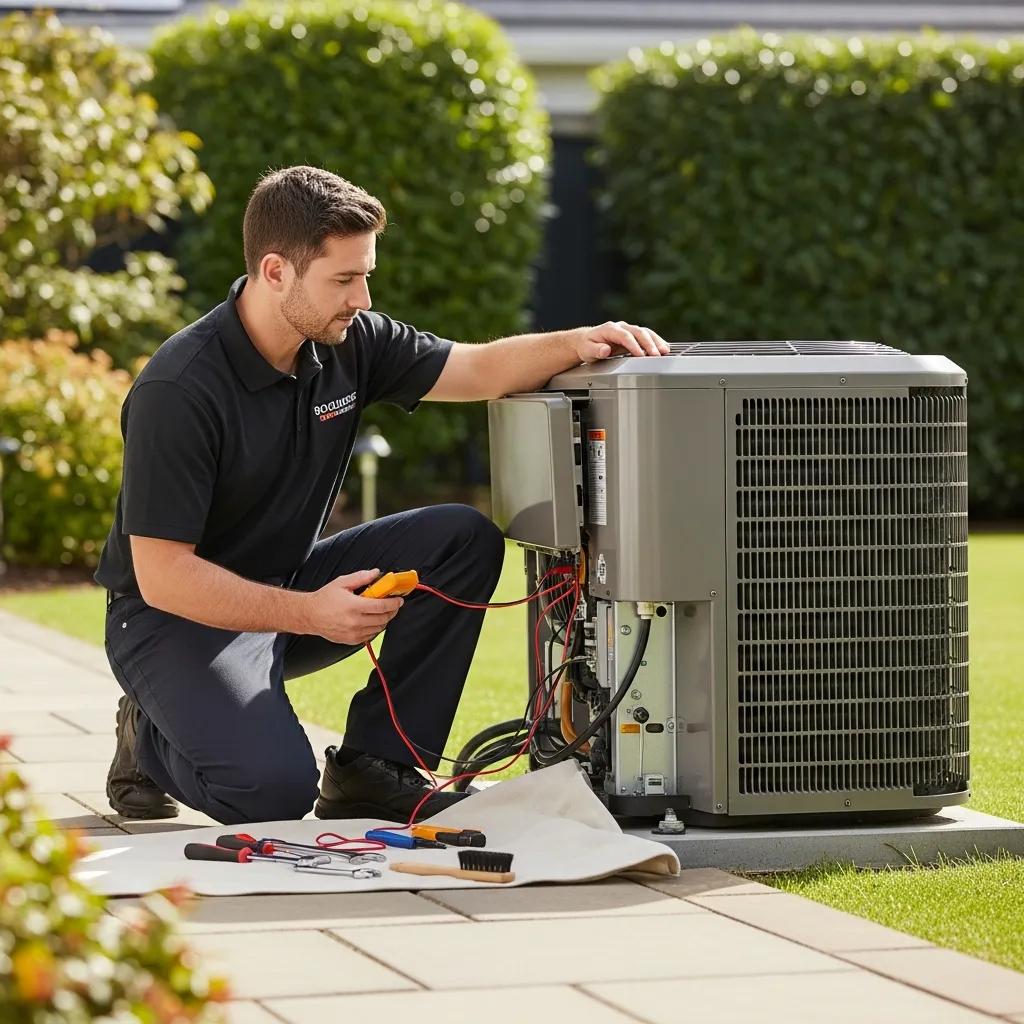
Regular maintenance extends the lifespan of HVAC systems by preventing unexpected breakdowns, enhancing performance, and ensuring efficient operation. Tasks such as changing air filters, inspecting ductwork for leaks, and checking thermostat settings contribute to optimal system condition. Routine maintenance also helps avoid minor issues from escalating into major repairs, ultimately protecting the investment in the HVAC system and reducing the need for early replacements.
What Are the Typical HVAC Maintenance Costs in Maryland?
Understanding the costs associated with HVAC maintenance is crucial for homeowners in Maryland. Regular maintenance can prevent costly repairs and ensure efficient operation, making it a worthwhile investment.
Which Maintenance Tasks Impact Your HVAC Costs Most?
Several maintenance tasks significantly impact HVAC costs, including:
- Filter Changes: Regularly changing air filters can improve system efficiency and reduce energy costs.
- System Inspections: Annual inspections help identify potential issues before they become major problems, saving money in the long run.
- Repairs vs. Replacements: Understanding when to repair versus replace components can affect overall maintenance costs.
How Often Should Maryland Homeowners Schedule HVAC Maintenance?
Maryland homeowners should schedule HVAC maintenance at least once a year, ideally in the spring or fall. However, scheduling maintenance twice a year—once before the cooling season and once before the heating season—is recommended for optimal performance. Factors such as system age, usage patterns, and local climate conditions can also influence maintenance frequency.
For those looking to optimize their HVAC systems, MD Heating & Air Conditioning offers comprehensive maintenance services tailored to meet the specific needs of Maryland homeowners.
When Should You Call for Emergency HVAC Repair in Maryland?
You should call for emergency HVAC repair in Maryland when safety or property is at immediate risk. This includes situations such as persistent gas odors, visible flames or smoke, total loss of heat during freezing conditions, or signs of carbon monoxide exposure (like headaches, nausea, or dizziness). Immediate actions include evacuating the premises and ventilating indoor spaces if a gas odor is present.
What Are Common Signs You Need Emergency HVAC Service?
Common signs you need emergency HVAC service include:
- Persistent gas odors: This could indicate a gas leak, which is a serious safety hazard.
- Visible flames or smoke: Any signs of fire or smoke require immediate attention.
- Total loss of heat during freezing conditions: This can lead to dangerous living conditions.
- Signs of carbon monoxide exposure: Symptoms like headaches, nausea, or dizziness are critical indicators.
If you experience any of these issues, it’s crucial to evacuate the premises and contact emergency services.
How to Prepare for Emergency HVAC Repairs in Maryland?
To prepare for emergency HVAC repairs in Maryland, consider the following steps:
- Know When to Call: Contact emergency services if there are safety risks such as gas odors, visible flames or smoke, total loss of heat in freezing conditions, or signs of carbon monoxide exposure.
- Immediate Actions: If you detect a gas odor, evacuate the premises and ventilate indoor spaces. Shut off fuel sources only if it can be done safely.
- Choose a Reliable Service: Opt for a service like MD Heating & Air Conditioning that offers 24/7 availability, same-day appointments, and rapid dispatch by skilled technicians.
- Routine Maintenance: Regular maintenance can help prevent unexpected repairs and ensure your system operates efficiently.
- Emergency Preparedness: Familiarize yourself with the HVAC system and have contact information for emergency services readily available.
These steps can help ensure a swift response and minimize risks during HVAC emergencies.
What HVAC Financing Options Are Available in Maryland?
Financing options for HVAC services can help homeowners manage costs effectively, making it easier to invest in necessary repairs or system replacements. Understanding available programs and financing plans is essential for making informed decisions.
Which Maryland Programs and Rebates Support HVAC Financing?
Several state programs and rebates support HVAC financing in Maryland, including:
Indeed, various state programs are designed to assist homeowners with energy-related expenses and upgrades.
Maryland Home Energy Efficiency Programs
Program administrators currently work with agencies and organizations providing payment assistance for energy bills, such as the Maryland Office of Home Energy Programs (OHEP).
Making Maryland Homes More Affordable through Energy Efficiency, 2017
- Energy Efficiency Programs: These programs often provide rebates for upgrading to energy-efficient systems.
- Low-Interest Loans: Some local governments offer low-interest loans for HVAC upgrades, making financing more accessible.
- Tax Credits: Homeowners may qualify for federal tax credits when installing energy-efficient HVAC systems that meet ENERGY STAR® standards.
How Do Financing Plans Work for HVAC Installation and Repairs?
Financing plans for HVAC installation and repairs typically involve:
- Monthly Payments: Homeowners can spread the cost of installation or repairs over several months, making it more manageable.
- Interest Rates: Financing options may come with varying interest rates, so it’s essential to compare offers.
- Terms and Conditions: Understanding the terms of the financing plan, including any fees or penalties, is crucial for making an informed decision.
By exploring these financing options, Maryland homeowners can better manage the costs associated with HVAC services.
How Can Indoor Air Quality Solutions Improve Maryland Homes?
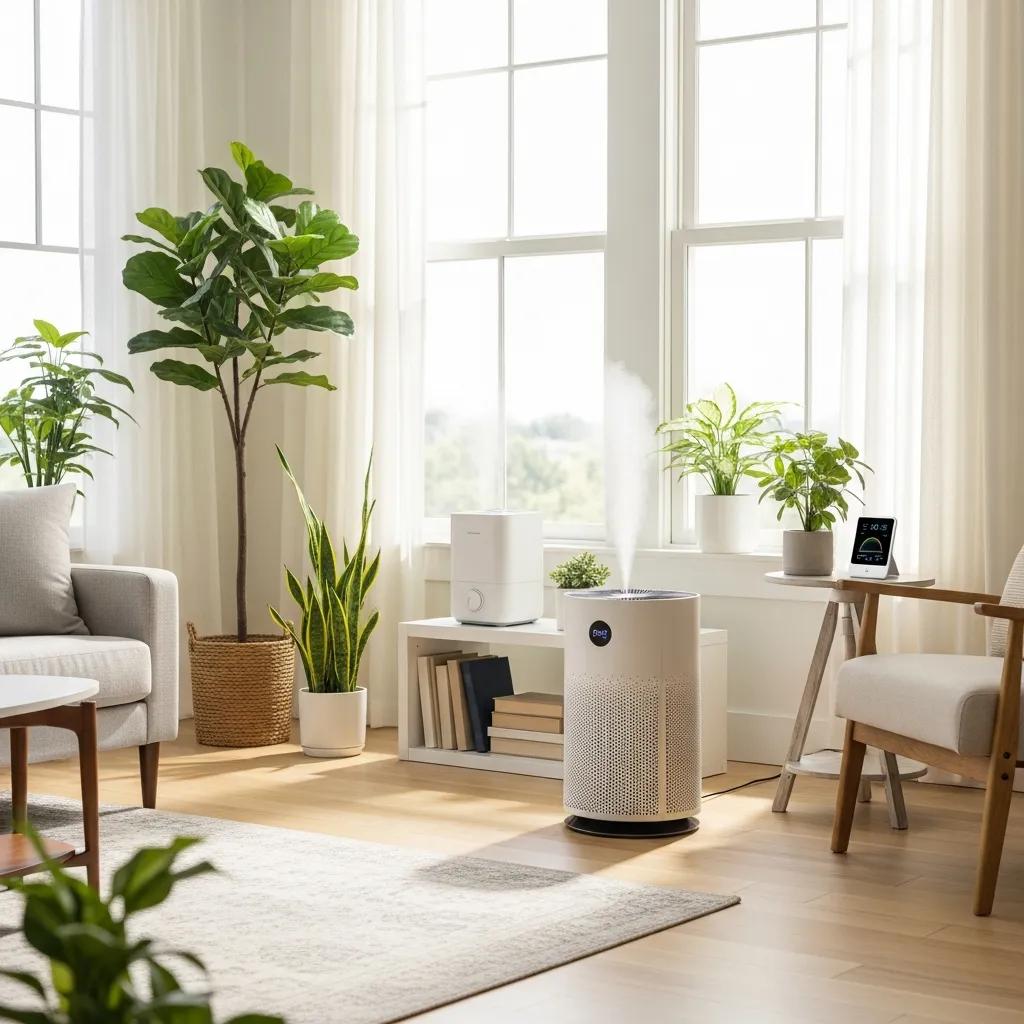
Indoor air quality solutions can improve Maryland homes by ensuring cleaner and healthier air through regular maintenance that removes dust, allergens, and pollutants from HVAC systems. This contributes to better indoor air quality, enhances comfort by providing consistent temperatures and airflow, and can extend the life of HVAC equipment, ultimately protecting homeowners’ investments.
What Indoor Air Quality Products Are Recommended for Maryland Residents?
Several indoor air quality products are recommended for Maryland residents, including:
- Air Purifiers: These devices help remove airborne pollutants, improving overall air quality.
- Humidifiers: Maintaining optimal humidity levels (between 30-50%) can enhance comfort and reduce respiratory issues.
- Ventilation Systems: Proper ventilation helps circulate fresh air and reduce indoor pollutants.
How Does HVAC Maintenance Affect Indoor Air Quality?
HVAC maintenance affects indoor air quality by helping to remove dust, allergens, and pollutants from the system. Regular maintenance ensures that the HVAC system operates efficiently, contributing to cleaner and healthier air in your home. Tasks such as changing air filters and cleaning ductwork are essential for maintaining optimal indoor air quality.
This table outlines typical HVAC maintenance tasks, their cost estimates, and recommended frequencies, helping homeowners budget for essential services.
In summary, understanding HVAC systems and their maintenance is crucial for Maryland homeowners. By addressing common questions and concerns, this FAQ serves as a valuable resource for optimizing heating and cooling systems, ensuring comfort, and enhancing indoor air quality.