HVAC Maintenance Tips for Efficient Operation
Maintaining an efficient HVAC system is crucial for ensuring comfort in your home throughout the year. This comprehensive guide will provide you with essential tips and insights into HVAC maintenance, helping you keep your heating and cooling systems running smoothly. Regular maintenance not only extends the lifespan of your equipment but also enhances energy efficiency, ultimately saving you money on utility bills. In this article, we will explore the importance of HVAC maintenance, the core components of your system, a detailed AC maintenance checklist, winter preparation tips, safe DIY tasks, and when to call a professional technician.
Why Is Regular HVAC System Maintenance Crucial?
Regular HVAC system maintenance is essential for several reasons. It helps extend the lifespan of your equipment, prevents costly repairs, and improves energy efficiency. By scheduling routine maintenance, you can identify potential issues before they escalate, ensuring your system operates at peak performance.
How Does HVAC Maintenance Extend System Lifespan and Prevent Costly Repairs?
Routine maintenance checks can significantly extend the lifespan of your HVAC system. Regular inspections allow technicians to identify and address minor issues before they develop into major problems. For instance, replacing worn-out parts and cleaning components can prevent breakdowns that might require expensive repairs. Studies show that well-maintained systems can last up to 15-20 years, compared to 10-15 years for neglected systems.
What Energy Efficiency Benefits Result from Preventive HVAC Service?
Preventive HVAC service leads to improved energy efficiency, which translates to lower utility bills. Regular maintenance ensures that your system operates efficiently, reducing energy consumption. For example, a clean air filter can improve airflow, allowing your system to work less hard to maintain the desired temperature. According to the U.S. Department of Energy, regular maintenance can improve system efficiency by up to 15%.
MD Heating & Air Conditioning, led by owner Michael Donnelly, emphasizes the importance of regular HVAC maintenance. They offer comprehensive services to ensure your system runs efficiently, helping you save on energy costs.
What Are the Core Components of Your HVAC System?
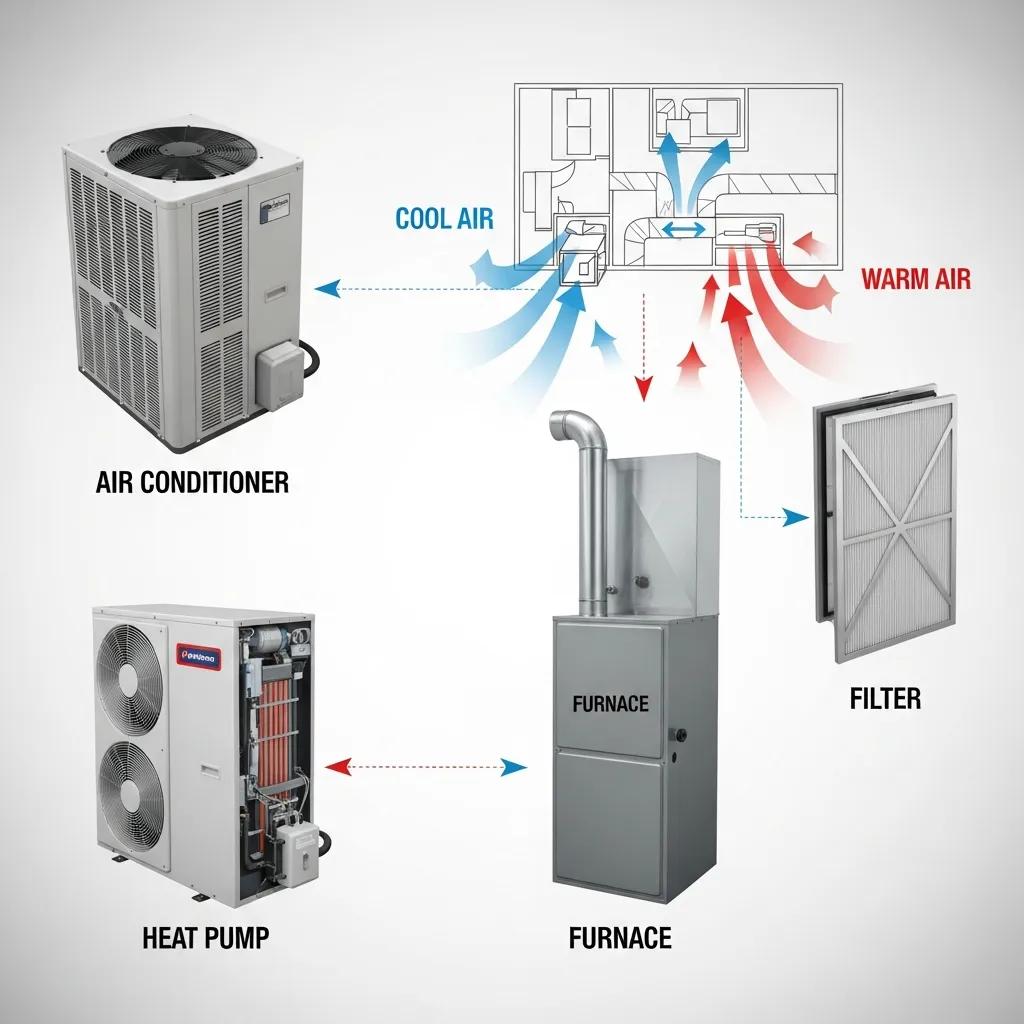
Understanding the core components of your HVAC system is vital for effective maintenance. The main elements include air conditioners, furnaces, heat pumps, filters, coils, and thermostats. Each component plays a crucial role in the overall performance of your system.
How Do Air Conditioners, Furnaces, and Heat Pumps Work Together?
Air conditioners, furnaces, and heat pumps work in tandem to regulate indoor temperatures. The air conditioner cools the air during warmer months, while the furnace heats it in colder months. Heat pumps can provide both heating and cooling, making them versatile options for year-round comfort. Proper maintenance of each component ensures seamless operation and optimal energy efficiency.
Why Are Filters, Coils, and Thermostats Vital for HVAC Performance?
Filters, coils, and thermostats are essential for maintaining HVAC performance. Filters trap dust and allergens, improving indoor air quality. Coils facilitate heat exchange, and thermostats regulate temperature settings. Neglecting these components can lead to reduced efficiency and increased energy costs. Regularly replacing filters and cleaning coils can significantly enhance system performance.
What Is Included in a Comprehensive AC Maintenance Checklist?
A comprehensive AC maintenance checklist is crucial for ensuring your air conditioning system operates efficiently. Here are key tasks to include:
- Check and Replace Air Filters: Dirty filters restrict airflow and reduce efficiency. Replace them every 1-3 months.
- Clean AC Coils: Dust and debris can accumulate on coils, hindering heat exchange. Clean them at least once a year.
- Inspect Refrigerant Levels: Low refrigerant levels can indicate leaks. Ensure levels are adequate for optimal cooling performance.
How to Clean AC Coils and Check Refrigerant Levels for Peak Summer Performance
Cleaning AC coils involves turning off the power to the unit, removing debris, and using a soft brush or vacuum to clean the coils. Checking refrigerant levels requires a professional technician, as they can safely handle refrigerants and identify leaks. Regular maintenance ensures your AC operates efficiently during peak summer months.
What Are Essential Ductless Mini-Split Maintenance Tips?
Ductless mini-split systems require specific maintenance to ensure efficiency. Key tips include:
- Clean the Indoor Unit: Wipe down the indoor unit and clean the filters regularly.
- Inspect the Outdoor Unit: Ensure the outdoor unit is free from debris and has proper airflow.
- Schedule Professional Maintenance: Have a technician inspect the system annually for optimal performance.
How Should You Prepare Your Heating System for Winter?
Preparing your heating system for winter is essential to ensure reliable performance during colder months. Key tasks include checking the furnace, inspecting ductwork, and ensuring proper insulation.
What Are Key Furnace Maintenance Tips for Safe and Efficient Operation?
To maintain your furnace, consider the following tips:
- Change the Air Filter: A clean filter ensures proper airflow and efficiency.
- Inspect the Thermostat: Ensure the thermostat is functioning correctly and calibrated.
- Schedule a Professional Inspection: Have a technician inspect the furnace for safety and efficiency.
How to Maintain Heat Pumps for Year-Round Efficiency?
Heat pumps require specific maintenance to function efficiently throughout the year. Key maintenance tasks include:
- Clean the Outdoor Unit: Remove debris and ensure proper airflow.
- Check the Refrigerant Levels: Ensure levels are adequate for optimal heating and cooling.
- Schedule Regular Inspections: Have a technician inspect the system annually for optimal performance.
Which DIY HVAC Maintenance Tasks Can Homeowners Safely Perform?
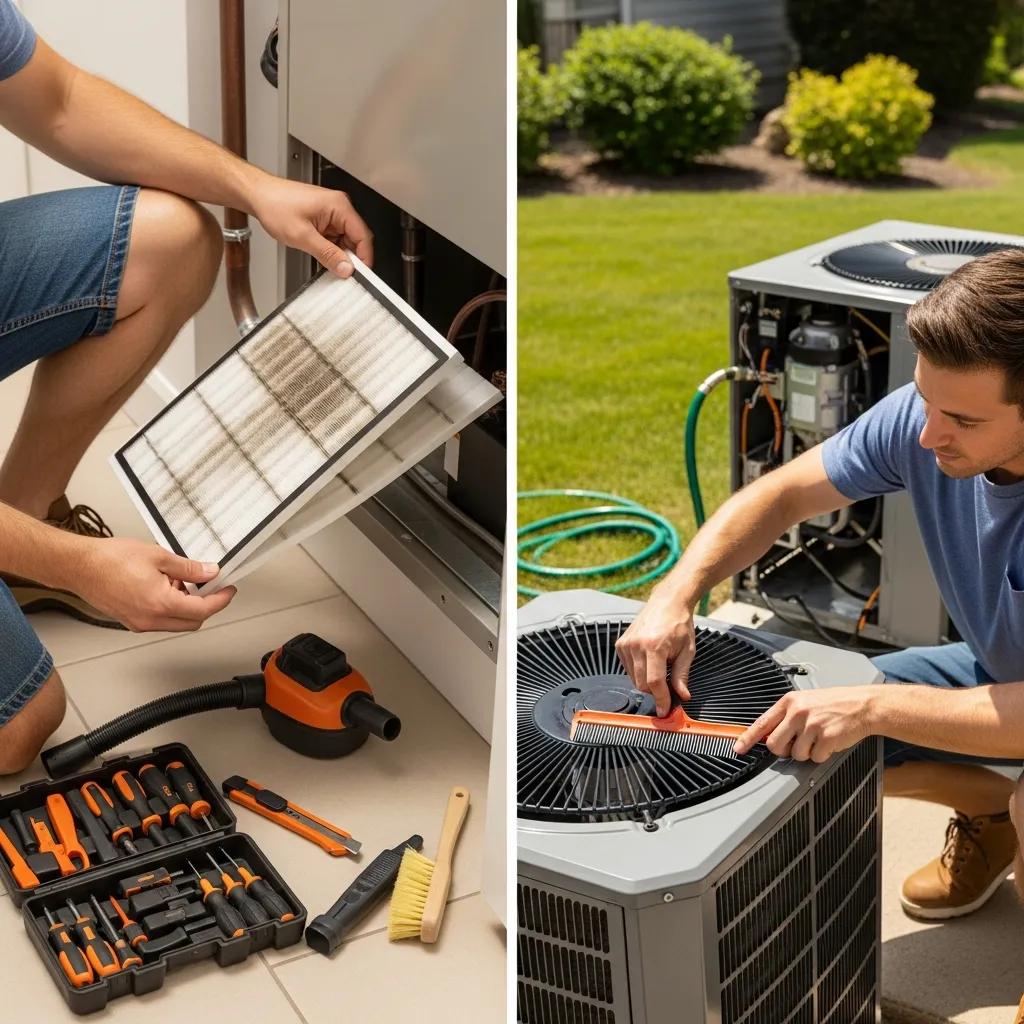
Homeowners can perform several DIY HVAC maintenance tasks to keep their systems running efficiently. These tasks include changing air filters, cleaning outdoor units, and clearing drain lines.
How to Change Your HVAC Air Filter: Step-by-Step Guide
Changing your HVAC air filter is a simple process:
- Turn Off the System: Ensure the system is powered down before starting.
- Locate the Filter: Find the filter compartment, usually near the air handler.
- Remove the Old Filter: Take out the old filter and dispose of it properly.
- Insert the New Filter: Place the new filter in the correct orientation, ensuring it fits snugly.
- Turn the System Back On: Power the system back on and check for proper airflow.
What Are Best Practices for Cleaning Outdoor AC Units and Clearing Drain Lines?
Cleaning outdoor AC units involves:
- Turning Off Power: Always turn off the power before cleaning.
- Removing Debris: Clear leaves, dirt, and other debris from around the unit.
- Cleaning the Fins: Use a soft brush or cloth to clean the fins gently.
- Clearing Drain Lines: Ensure drain lines are clear to prevent water buildup.
When Should You Call a Professional HVAC Technician?
Knowing when to call a professional HVAC technician is crucial for maintaining your system’s efficiency and safety. Signs that indicate the need for professional help include unusual noises, inconsistent temperatures, and frequent cycling.
What Complex Diagnostics and Repairs Require Expert Attention?
Complex diagnostics and repairs that require expert attention include:
- Refrigerant Leaks: Handling refrigerants requires specialized training and equipment.
- Electrical Issues: Problems with wiring or electrical components should be addressed by a professional.
- System Overhauls: Major repairs or replacements should always be performed by qualified technicians.
How Do MD Heating & Air Conditioning’s Service Plans Support Preventive Maintenance?
MD Heating & Air Conditioning offers service plans designed to support preventive maintenance. These plans include regular inspections, priority service, and discounts on repairs, ensuring your HVAC system remains in optimal condition year-round. By investing in a service plan, you can enjoy peace of mind knowing that your system is well-maintained and efficient.
This table summarizes essential maintenance tasks for key HVAC components, helping homeowners stay on top of their system’s needs.
In conclusion, regular HVAC maintenance is vital for ensuring the efficiency and longevity of your heating and cooling systems. By following the tips outlined in this guide, you can keep your HVAC system running smoothly and efficiently, ultimately saving money on energy costs and preventing costly repairs. For comprehensive HVAC services, consider reaching out to MD Heating & Air Conditioning for expert assistance.