Chimney Liner Installation Greenville, SC – Expert Safety & Efficiency Service for Homeowners
Chimney liners play a crucial role in ensuring the safety and efficiency of heating systems in homes. In Greenville, SC, understanding the importance of chimney liner installation can help homeowners prevent potential hazards such as chimney fires and carbon monoxide poisoning. This article will explore what chimney liners are, their benefits, the types available, and the installation process. Additionally, we will discuss common chimney liner problems and the importance of regular inspections. By the end, homeowners will have a comprehensive understanding of chimney liner installation and maintenance, ensuring their homes remain safe and efficient.
What Is a Chimney Liner and Why Is It Essential for Greenville Homes?
A chimney liner is a protective barrier that lines the interior of a chimney, providing a safe passage for smoke and gases to exit the home. It is essential for preventing heat transfer to combustible materials surrounding the chimney, thereby reducing the risk of chimney fires. Additionally, a properly installed chimney liner enhances heating efficiency by ensuring that flue gases are expelled effectively, which is particularly important in the variable climate of Greenville, SC.
How Does a Chimney Liner Improve Safety and Heating Efficiency?
Chimney liners improve safety by containing the heat and corrosive byproducts of combustion, which can otherwise damage the chimney structure and pose fire hazards. They also reduce the risk of carbon monoxide leaks, a silent but deadly threat in homes. By ensuring that flue gases are vented properly, chimney liners enhance heating efficiency, allowing heating systems to operate more effectively and potentially reducing energy costs.
Research further emphasizes the critical role of proper chimney design and liner integrity in preventing dangerous situations.
Chimney Fire Hazard: Flue Gas Temperature & Design Risks
The results indicate that the flue gas temperatures given in the CE markings of fireplaces may be too low for the designing of chimneys. This may cause a fire hazard at chimney penetrations.
Experimental study on fire safety of chimneys in real use and actual site conditions, 2017
What Are the Key Benefits of Proper Chimney Liner Installation?
Proper chimney liner installation offers several key benefits:
- Enhanced Safety: Reduces the risk of chimney fires and carbon monoxide poisoning.
- Improved Heating Efficiency: Ensures optimal venting of flue gases, enhancing the performance of heating systems.
- Extended Lifespan of the Chimney: Protects the chimney structure from corrosive byproducts, prolonging its life.
These benefits highlight the importance of investing in professional chimney liner installation services.
Professional Chimney Liner Installation for Greenville SC Homeowners
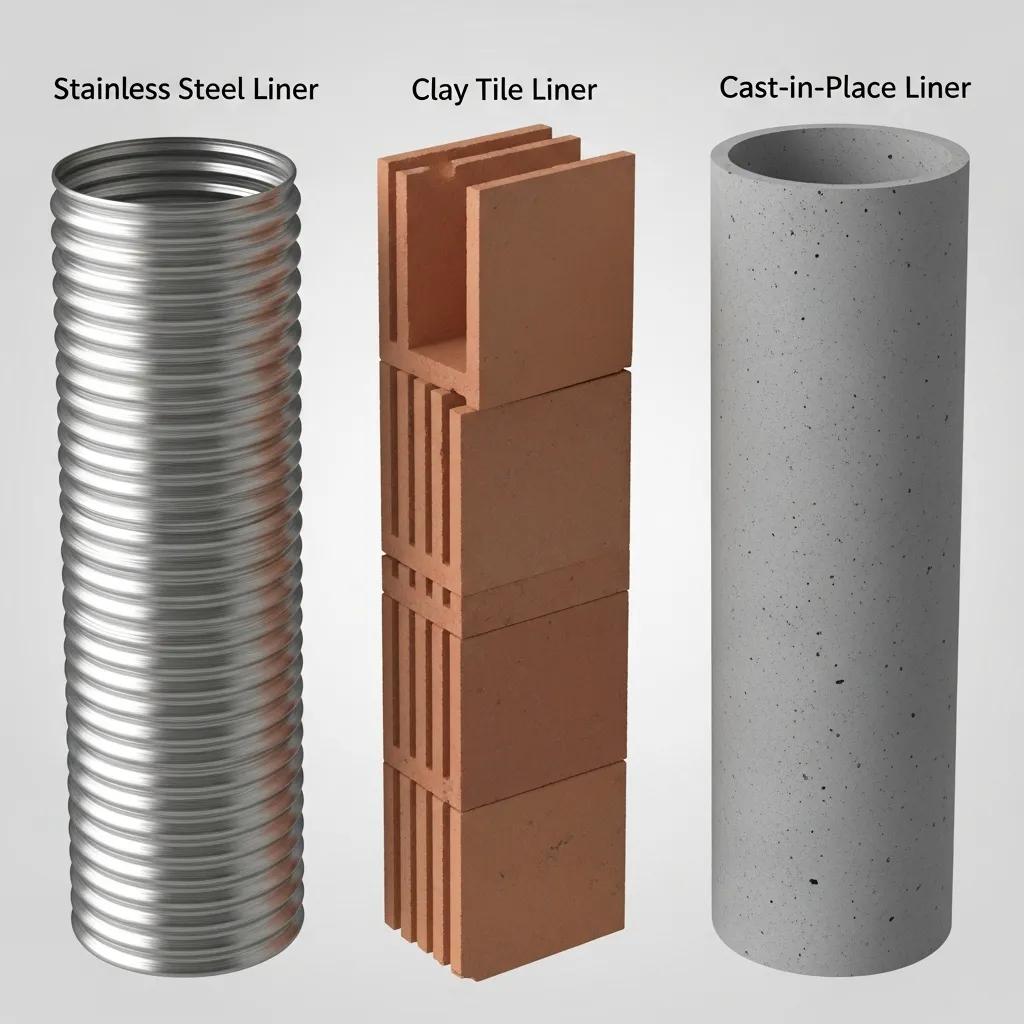
When selecting a chimney liner, homeowners in Greenville should consider the various types available, each with its unique advantages. The most common types include stainless steel, clay tile, and cast-in-place liners.
What Are the Advantages of Stainless Steel Chimney Liners?
Stainless steel chimney liners are highly durable and resistant to corrosion, making them an excellent choice for homes in Greenville. They can withstand high temperatures and are less likely to crack compared to clay tile liners. Additionally, stainless steel liners are relatively easy to install and can be used for both gas and wood-burning appliances, providing versatility for homeowners.
How Do Clay Tile and Cast-in-Place Liners Compare?
Clay tile liners are traditional and offer good thermal insulation, but they can be prone to cracking and are less flexible than stainless steel options. Cast-in-place liners, on the other hand, are poured directly into the chimney and create a seamless, durable lining. While they can be more expensive, they provide excellent protection against leaks and are ideal for older chimneys that may require extensive repairs.
This comparison helps homeowners make informed decisions based on their specific needs and chimney conditions.
How Is Chimney Liner Installation Performed by Experts in Greenville, SC?
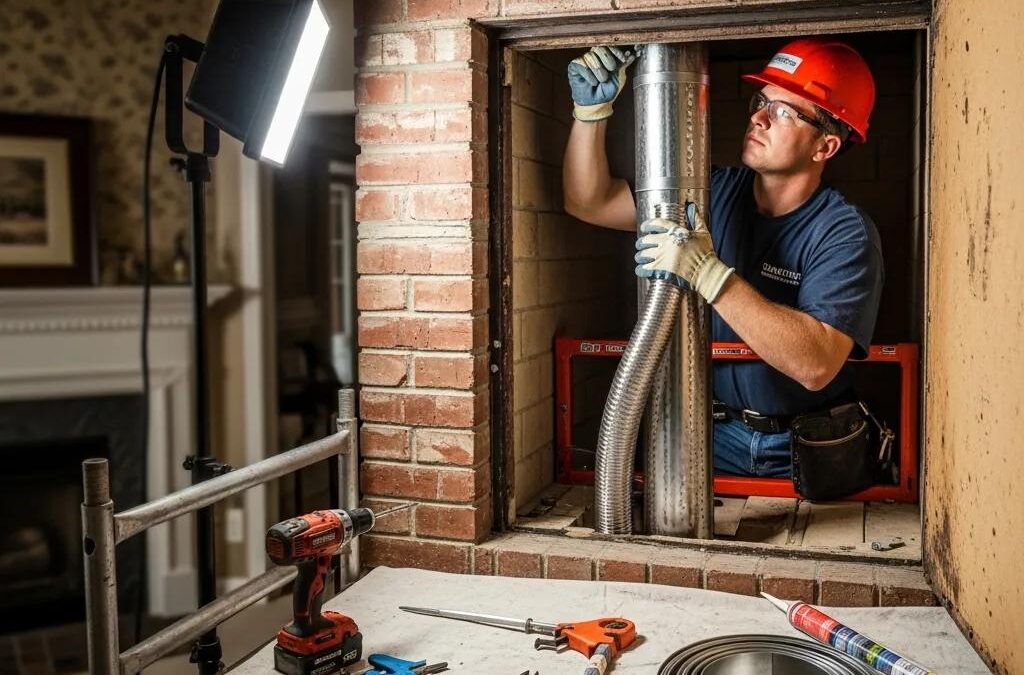
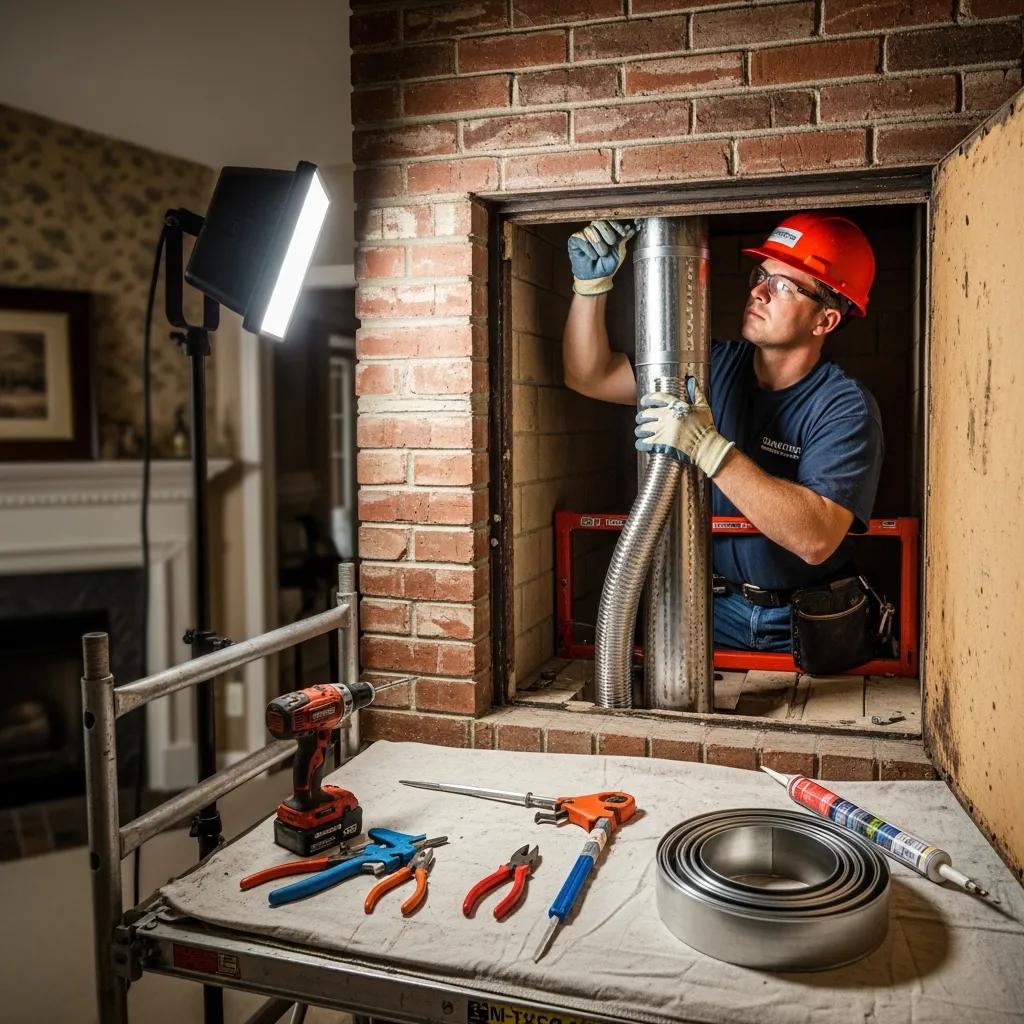
Professional chimney liner installation involves several critical steps to ensure safety and compliance with local regulations. Understanding this process can help homeowners appreciate the value of hiring experienced professionals.
What Are the Step-by-Step Processes for Professional Installation?
- Initial Inspection: A thorough inspection of the chimney is conducted to assess its condition and determine the appropriate liner type.
- Preparation: The area is prepared, and any necessary repairs to the chimney structure are made.
- Liner Installation: The chosen liner is installed according to manufacturer specifications and local building codes.
- Final Inspection: A final inspection ensures that the installation meets safety standards and functions correctly.
How Do NFPA 211 Standards Ensure Safe and Compliant Installation?
The National Fire Protection Association (NFPA) 211 standards provide guidelines for the installation and maintenance of chimneys, fireplaces, and vents. Adhering to these standards ensures that installations are safe, reducing the risk of fire hazards and ensuring compliance with local regulations. Professionals in Greenville are trained to follow these standards, providing peace of mind to homeowners.
What Are Common Chimney Liner Problems and How Does Repair Work?
Chimney liners can experience various issues over time, necessitating timely repairs to maintain safety and efficiency.
What Signs Indicate the Need for Chimney Relining or Repair?
- Cracks in the Liner: Visible cracks can lead to dangerous leaks.
- Creosote Buildup: Excessive creosote can indicate poor venting and increase fire risk.
- Water Damage: Signs of water damage around the chimney may suggest liner failure.
Which Repair Solutions Are Available, Including HeatShield and Stainless Steel Inserts?
Several repair solutions are available for damaged chimney liners. HeatShield is a brand of chimney liner products, including stainless steel liners and relining systems, rather than a sealant applied to repair cracks. Repairs typically involve installing a new stainless steel liner or cast-in-place liner to restore the chimney’s integrity. Both options help ensure the chimney operates safely and efficiently.
Why Is Regular Chimney Inspection Crucial for Safety in Greenville, SC?
Regular chimney inspections are essential for maintaining safety and efficiency in homes. They help identify potential issues before they become serious problems.
What Are the Differences Between Level 1, 2, and 3 Chimney Inspections?
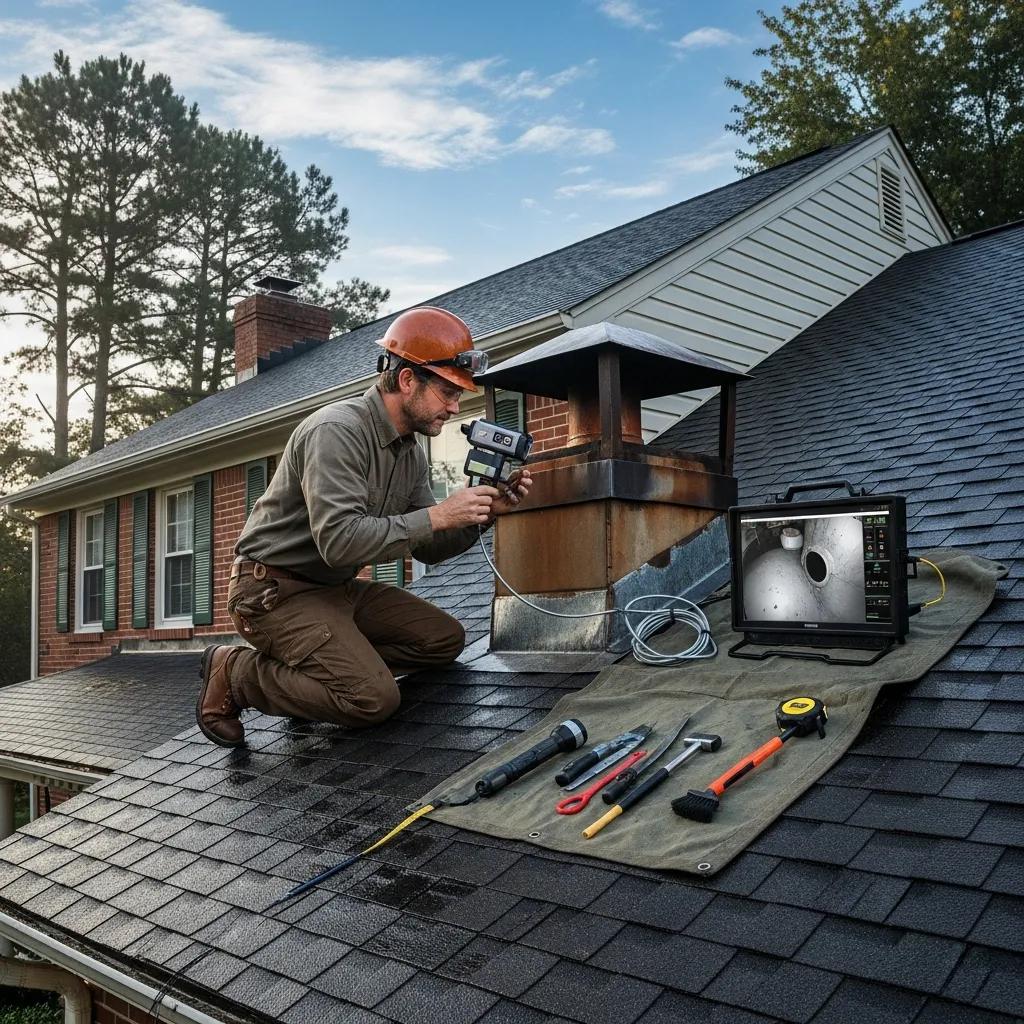
- Level 1: Basic inspection of accessible areas, typically performed annually.
- Level 2: More detailed inspection, including video scanning, often required during real estate transactions or after changes to the system.
- Level 3: Comprehensive inspection that may involve dismantling parts of the chimney to assess hidden areas, performed when serious hazards are suspected.
How Do Inspections Detect Hazards Like Creosote Buildup and Carbon Monoxide?
During inspections, professionals look for signs of creosote buildup, which can ignite and cause chimney fires. They also check for blockages and damage that could lead to carbon monoxide leaks, ensuring that the chimney is safe for use. Regular inspections help homeowners address these hazards proactively.
How Can Greenville Homeowners Maintain Chimney Safety and Efficiency?
Maintaining chimney safety and efficiency requires regular care and attention. Homeowners can take several steps to ensure their chimneys remain in good condition.
What Are Essential Chimney Cleaning and Maintenance Tips?
- Regular Cleaning: Schedule annual cleanings to remove creosote and debris.
- Check for Damage: Inspect the chimney for cracks or signs of wear regularly.
- Use a Chimney Cap: Install a chimney cap to prevent water intrusion and animal entry.
How Does MD Heating & Air Conditioning Ensure Expert Service and Local Compliance?
MD Heating & Air Conditioning is committed to providing expert chimney services in Greenville, SC. Their team is knowledgeable about local regulations and safety standards, ensuring that all installations and repairs are performed to the highest quality. By prioritizing customer safety and satisfaction, they help homeowners maintain efficient and safe heating systems.