Understanding HVAC Systems: Types and Benefits
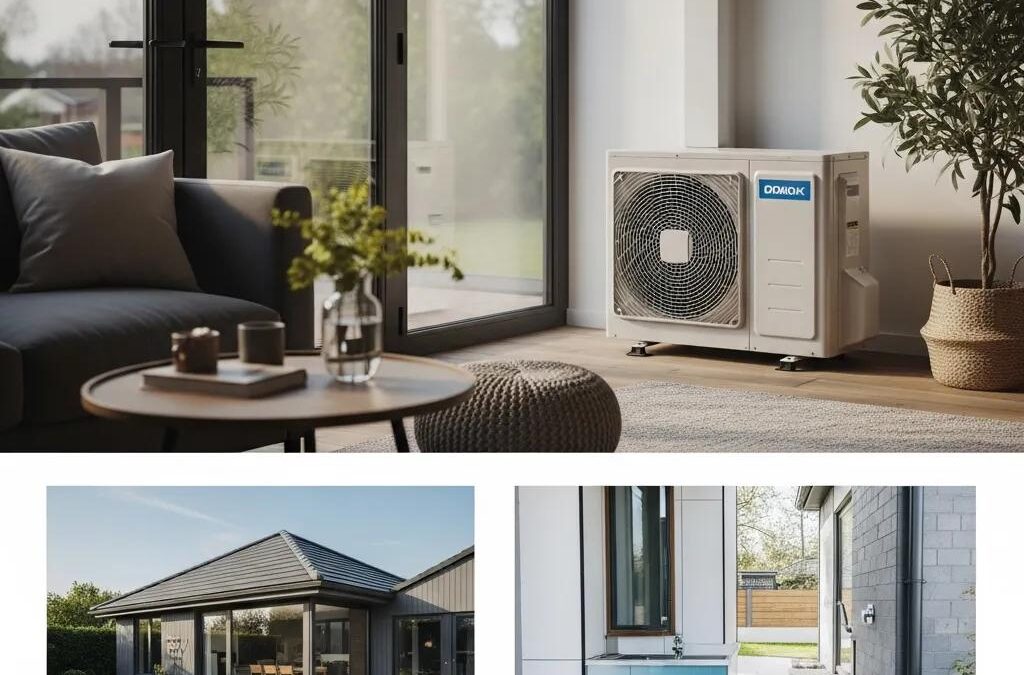
HVAC systems are essential for maintaining comfortable indoor environments, and understanding the different types can help homeowners make informed choices. There are various systems, including central air conditioning, ductless mini-splits, and heat pumps, each offering unique benefits tailored to different home layouts and climates.
For instance, central air conditioning systems are ideal for larger homes as they provide even cooling through ductwork, while ductless mini-splits are perfect for smaller spaces or homes without existing ducts. Additionally, heat pumps can efficiently heat and cool a home, making them a versatile option for year-round comfort.
Choosing the Right HVAC Contractor: What to Look For
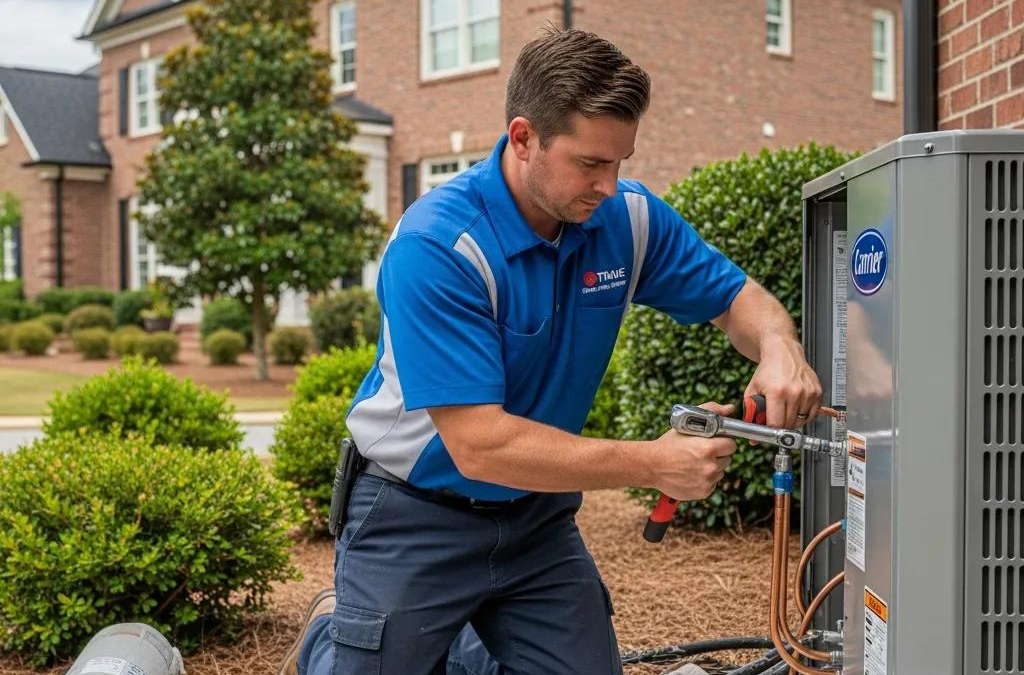
Selecting a qualified HVAC contractor is crucial for ensuring proper installation and maintenance of your system. Homeowners should look for licensed and insured professionals with positive customer reviews and a solid reputation in the community. It's also beneficial to check for certifications from recognized organizations, which indicate a contractor's commitment to quality and ongoing education in the field.
Moreover, getting multiple quotes can help homeowners compare services and prices. A trustworthy contractor will provide a detailed estimate and explain the work involved, ensuring transparency throughout the process. This approach not only helps in making an informed decision but also fosters a positive working relationship with the contractor.
Seasonal HVAC Maintenance: Preparing for Summer and Winter
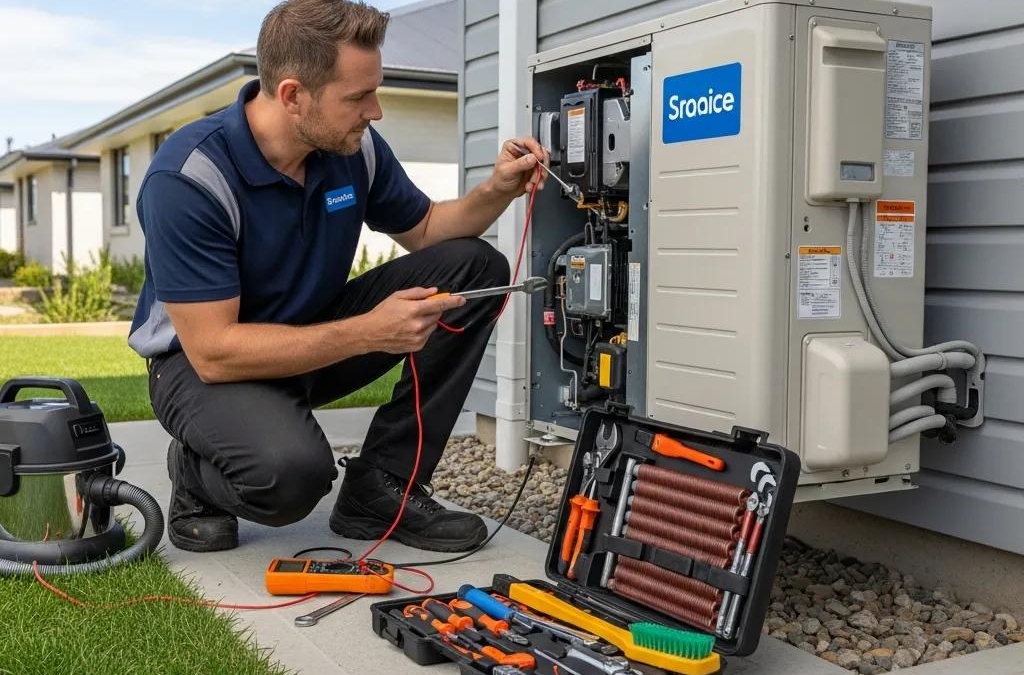
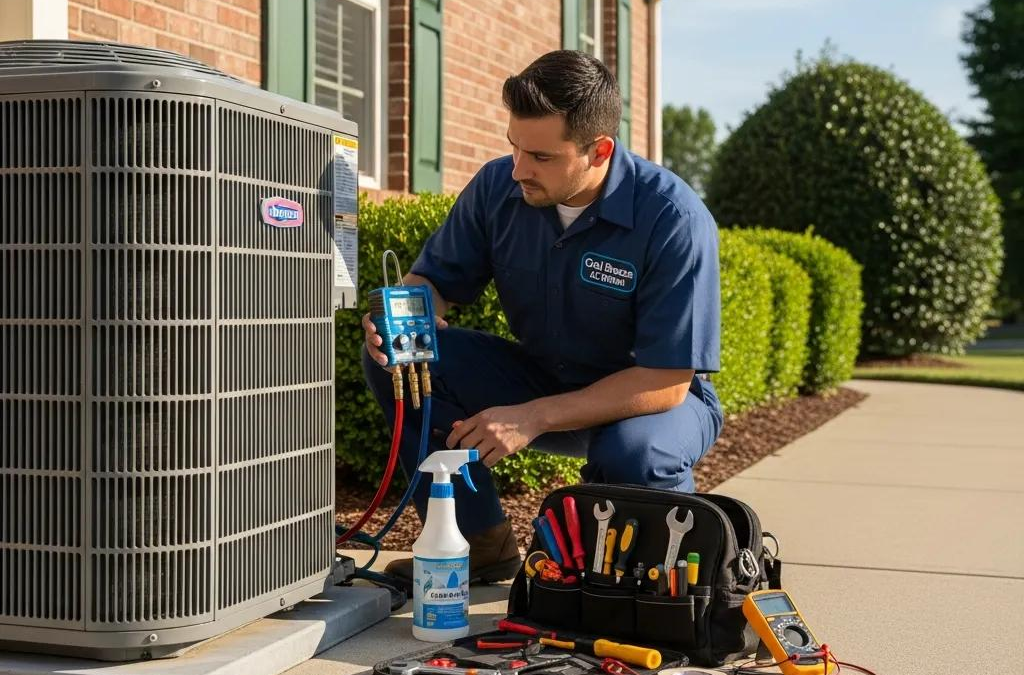
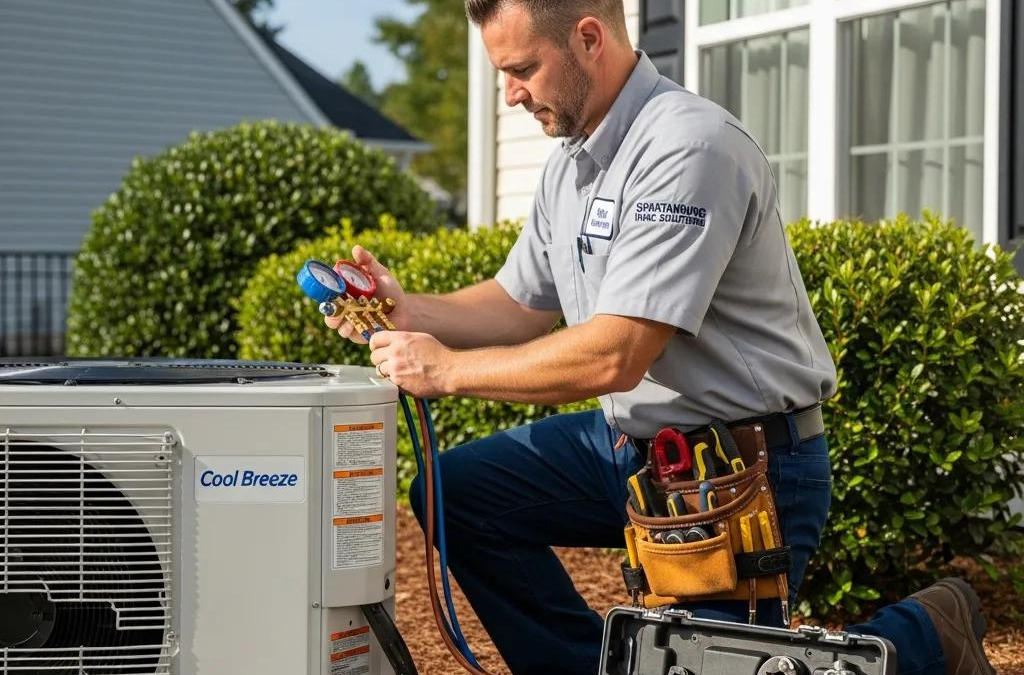
Regular seasonal maintenance is vital for keeping HVAC systems running efficiently throughout the year. For summer, homeowners should focus on cleaning or replacing air filters, checking refrigerant levels, and ensuring that outdoor units are free from debris. This proactive approach can prevent breakdowns and enhance energy efficiency during peak cooling months.
In winter, it's essential to inspect heating systems, clean ducts, and check for any signs of wear and tear. Scheduling a professional maintenance check before the cold sets in can help identify potential issues early, ensuring that the heating system operates reliably when temperatures drop.
Energy Efficiency Ratings: Understanding SEER and AFUE
Energy efficiency ratings are crucial for homeowners looking to reduce energy costs and environmental impact. The Seasonal Energy Efficiency Ratio (SEER) measures the cooling efficiency of air conditioning systems, while the Annual Fuel Utilization Efficiency (AFUE) rating indicates the efficiency of heating systems. Higher ratings typically translate to lower energy bills and reduced greenhouse gas emissions.
For example, a system with a SEER rating of 16 is significantly more efficient than one with a rating of 12, resulting in substantial savings over time. Homeowners should consider these ratings when purchasing new HVAC equipment to ensure they choose systems that offer both comfort and efficiency.