Understanding HVAC System Components
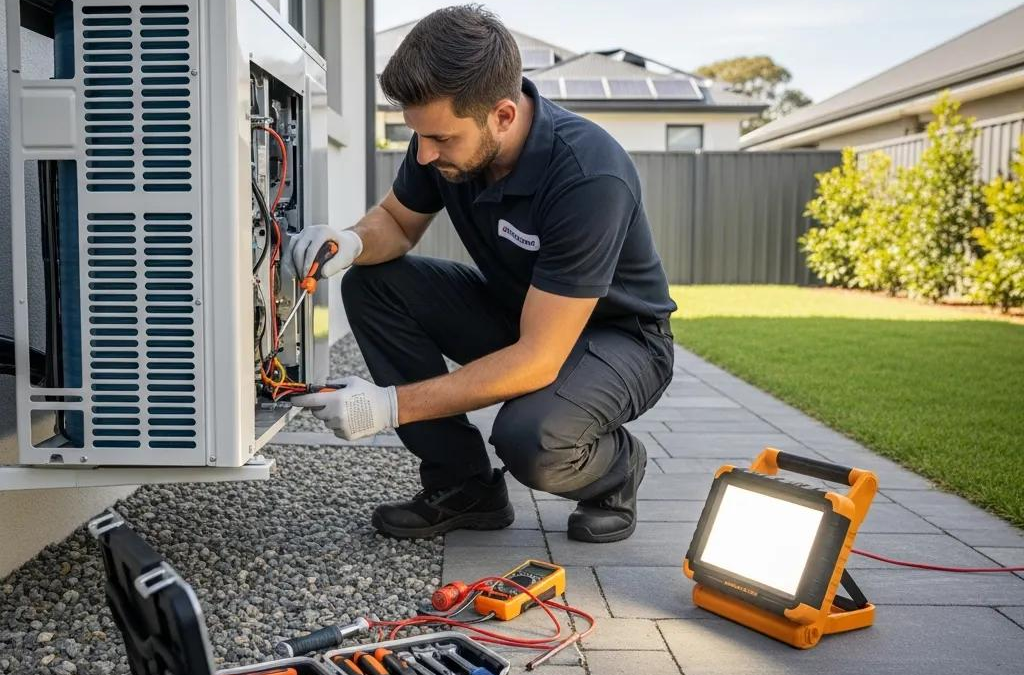
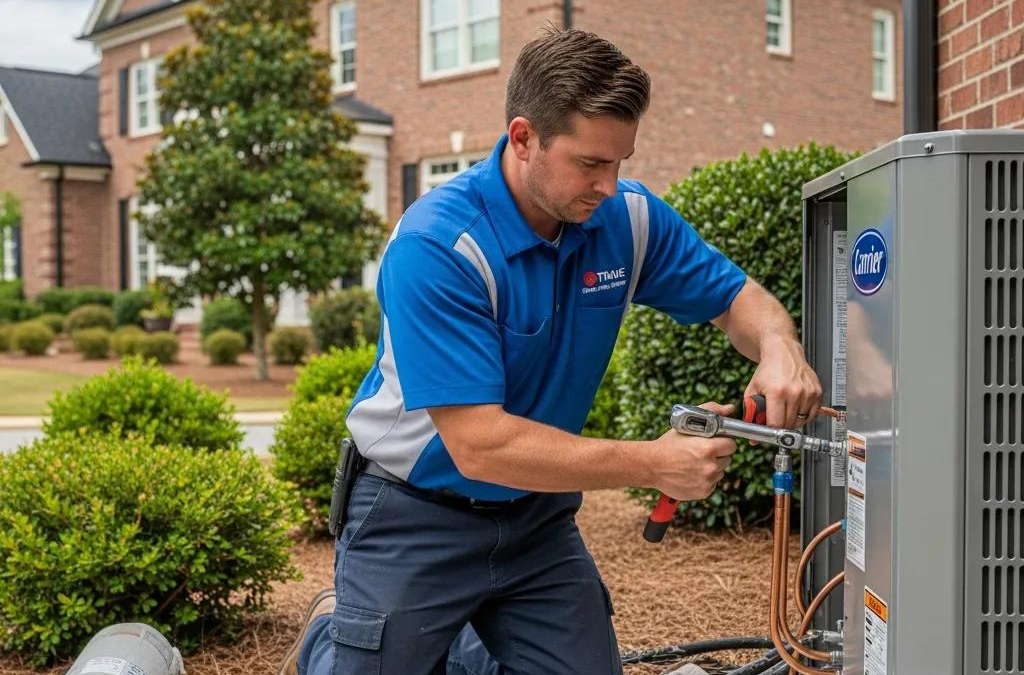
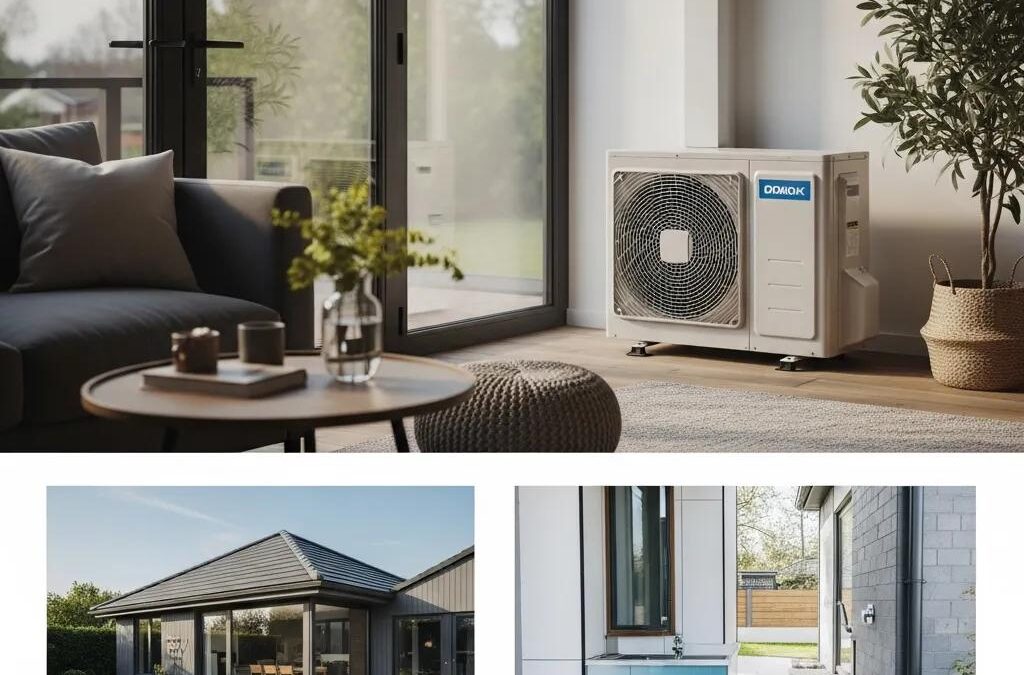
To effectively maintain and repair HVAC systems, it's crucial to understand their main components, including the compressor, evaporator coil, and condenser. Each part plays a vital role in the heating and cooling process, and familiarity with these elements can help homeowners identify issues early on.
For instance, the compressor is responsible for circulating refrigerant throughout the system, while the evaporator coil absorbs heat from the indoor air. Recognizing these components can empower homeowners to communicate more effectively with HVAC professionals and make informed decisions regarding repairs or replacements.
Signs Your HVAC System Needs Repair
Homeowners should be aware of the warning signs that indicate their HVAC system may require repairs. Common indicators include unusual noises, inconsistent temperature control, and increased energy bills. Recognizing these signs early can prevent more costly repairs down the line.
For example, if you notice your air conditioning unit is making a grinding noise, it could signify a failing motor or a problem with the compressor. Addressing these issues promptly not only ensures comfort but also extends the lifespan of the system.
Benefits of Regular HVAC Maintenance
Regular maintenance of HVAC systems is essential for ensuring optimal performance and efficiency. Scheduled check-ups can help identify potential issues before they escalate, saving homeowners both time and money in the long run.
For instance, routine maintenance includes tasks such as changing filters, cleaning coils, and checking refrigerant levels. These practices not only enhance system efficiency but also improve indoor air quality, leading to a healthier living environment for families.
Choosing the Right HVAC System for Your Home
Selecting the appropriate HVAC system for your home involves considering factors such as size, efficiency ratings, and fuel type. An ideal system should match the specific heating and cooling needs of your space to ensure comfort and efficiency.
For example, a system that is too large can lead to short cycling, which wastes energy and increases wear and tear. Consulting with a professional can help homeowners make informed choices based on their unique requirements and budget constraints.