Understanding the Importance of HVAC Maintenance
Regular HVAC maintenance is crucial for ensuring the longevity and efficiency of your heating and cooling systems. It involves routine inspections, cleaning, and adjustments that help prevent breakdowns and improve system performance.
By scheduling annual maintenance, homeowners can identify potential issues before they escalate into costly repairs. This proactive approach not only enhances energy efficiency but also extends the lifespan of equipment, ultimately saving money on energy bills and replacement costs.
Common HVAC Problems and How to Fix Them
Homeowners often face common HVAC issues such as poor airflow, unusual noises, or inconsistent temperatures. Recognizing these problems early can lead to quick and effective solutions, ensuring comfort throughout the home.
For instance, a clogged air filter can restrict airflow, leading to higher energy consumption and reduced efficiency. Regularly checking and replacing filters, along with seeking professional help for more complex issues, can keep your HVAC system running smoothly.
Choosing the Right HVAC System for Your Home
Selecting the appropriate HVAC system for your home is essential for maximizing comfort and efficiency. Factors such as home size, layout, and climate play a significant role in determining the best system to meet your needs.
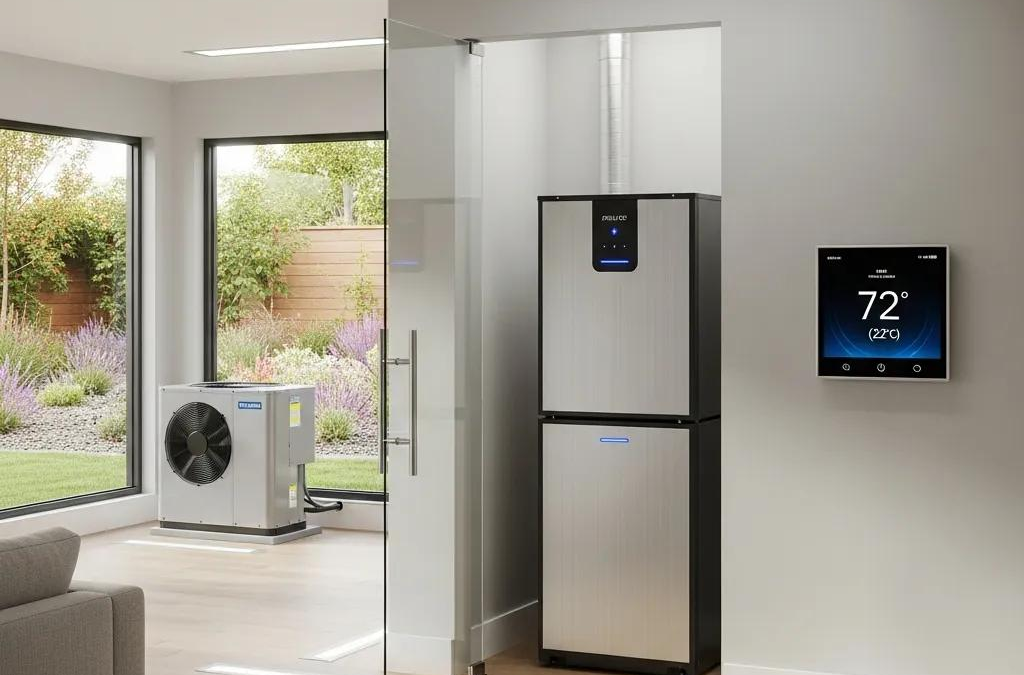
For example, larger homes may benefit from a zoned system that allows for individualized temperature control in different areas, while smaller spaces might be adequately served by a compact ductless system. Consulting with HVAC professionals can provide valuable insights tailored to your specific situation.
Energy Efficiency Tips for HVAC Systems
Improving the energy efficiency of your HVAC system not only reduces utility bills but also minimizes environmental impact. Simple adjustments and upgrades can lead to significant savings over time.
Consider investing in a programmable thermostat, sealing ductwork, and ensuring proper insulation in your home. These measures help maintain consistent temperatures and reduce the workload on your HVAC system, leading to enhanced performance and lower energy consumption.