
AC Installation & Replacement Guide: Steps, Costs & Energy Savings
Installing or replacing an air conditioning (AC) system is a significant investment for homeowners and businesses alike. This guide provides a comprehensive overview of the AC installation process, the types of systems available, and the costs associated with installation and replacement. Understanding these elements is crucial for making informed decisions that enhance comfort and energy efficiency in your space. Many individuals face challenges in selecting the right system and understanding the installation process, which can lead to confusion and potential overspending. This article will clarify the steps involved in AC installation, the various types of systems available, and the financial aspects of installation and replacement. We will also explore the importance of energy efficiency and how to choose the right service provider for your needs.
What Is the AC Installation Process and How Long Does It Take?
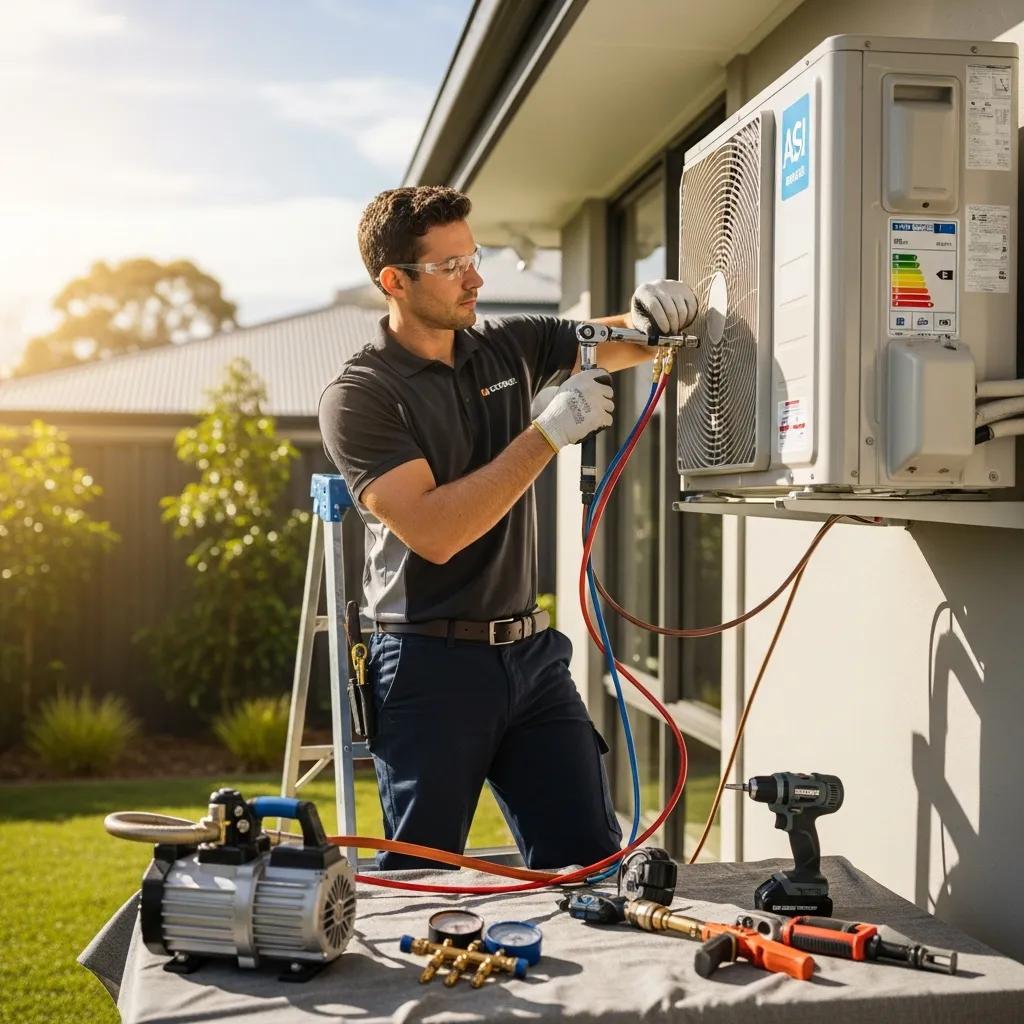
The AC installation process involves several critical steps to ensure that the system operates efficiently and effectively. Understanding this process can help homeowners prepare for the installation and set realistic expectations regarding timelines and outcomes.
Step-by-step guide to central air and ductless mini-split installation
- Assessment: A qualified technician evaluates the home or business to determine the appropriate size and type of AC system needed.
- Preparation: The installation area is prepared, which may include removing old units, clearing debris, and ensuring proper access to electrical and plumbing systems.
- Installation of Indoor Unit: For central air systems, the indoor unit is installed, typically in a basement, attic, or utility closet. For ductless mini-splits, the indoor units are mounted on walls.
- Installation of Outdoor Unit: The outdoor compressor unit is placed in a suitable location, ensuring adequate airflow and accessibility for maintenance.
- Connecting Components: Refrigerant lines, electrical wiring, and drainage systems are connected between the indoor and outdoor units.
- Testing: The system is tested for proper operation, including checking refrigerant levels and ensuring that the thermostat functions correctly.
Typical installation timelines and factors affecting duration
The installation of an AC system typically takes between 4 to 12 hours, depending on the complexity of the installation and the type of system being installed. Factors that can affect the duration include the size of the unit, the condition of existing ductwork, and any additional modifications needed to accommodate the new system.
Which Types of AC Systems Are Best for Your Home or Business?
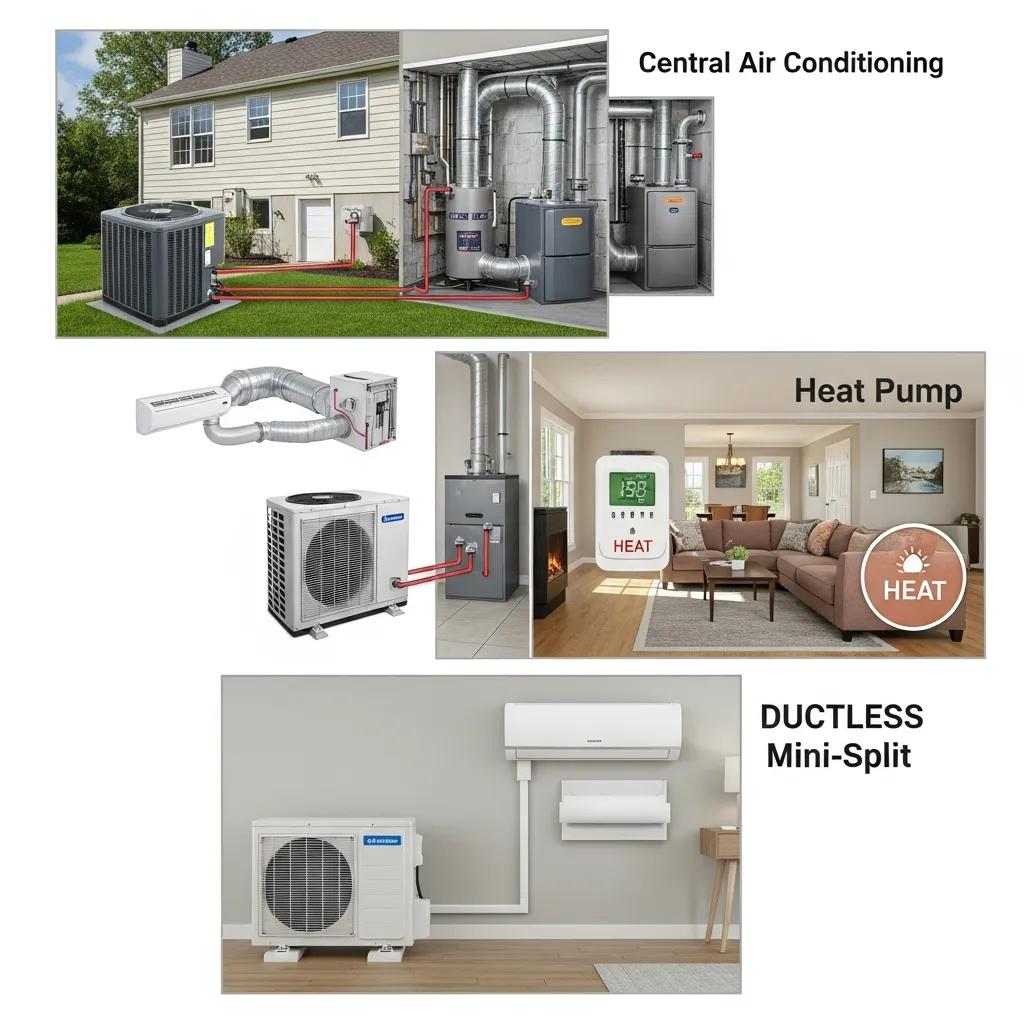
Choosing the right type of AC system is essential for maximizing comfort and energy efficiency. Different systems have unique advantages and are suited for various applications.
Comparing central air, heat pumps, and ductless mini-splits
Central air systems are ideal for larger homes and provide consistent cooling through a network of ducts. Heat pumps offer year-round climate control, efficiently heating in winter and cooling in summer. Ductless mini-splits are perfect for homes without existing ductwork, providing flexibility and often higher energy efficiency ratings (SEER) than traditional systems. Each system has its advantages, and homeowners should consider energy efficiency ratings, installation requirements, and local climate when making a choice.
While SEER ratings are a key indicator of efficiency, it’s important to understand their nuances and limitations for a truly accurate assessment of energy savings.
Understanding SEER for Accurate AC Efficiency
Conventional wisdom assumes that a 30% increase in the seasonal energy efficiency ratio (SEER) of a unitary air conditioner or heat pump will result in a 30% decrease in energy consumption. More exactly, a 30% increase in SEER will result in a 30% increase in efficiency when the outdoor temperature is 82°F (27.8°C) and the indoor temperature is 80°F (26.7°C) – the specified rating conditions. Prediction of the actual energy or demand savings of modern cooling and heating equipment with a single indicator can be seriously inaccurate. As an example, the performance data of an 18-SEER product line is compared to a 10-SEER product line from the same manufacturer.
Limitations of SEER for measuring efficiency, 2002
Benefits of energy-efficient AC units with SEER2 ratings
- Reduced Utility Bills: Higher efficiency leads to lower energy consumption, resulting in significant savings on monthly bills.
- Improved Comfort: These units maintain consistent temperatures and humidity levels, enhancing overall comfort.
- Environmental Impact: Energy-efficient systems contribute to sustainability by reducing overall energy consumption and greenhouse gas emissions.
When Should You Consider AC Replacement and What Are the Signs?
Recognizing when to replace an AC unit is crucial for maintaining comfort and efficiency in your home or business.
Common indicators your AC unit needs replacement
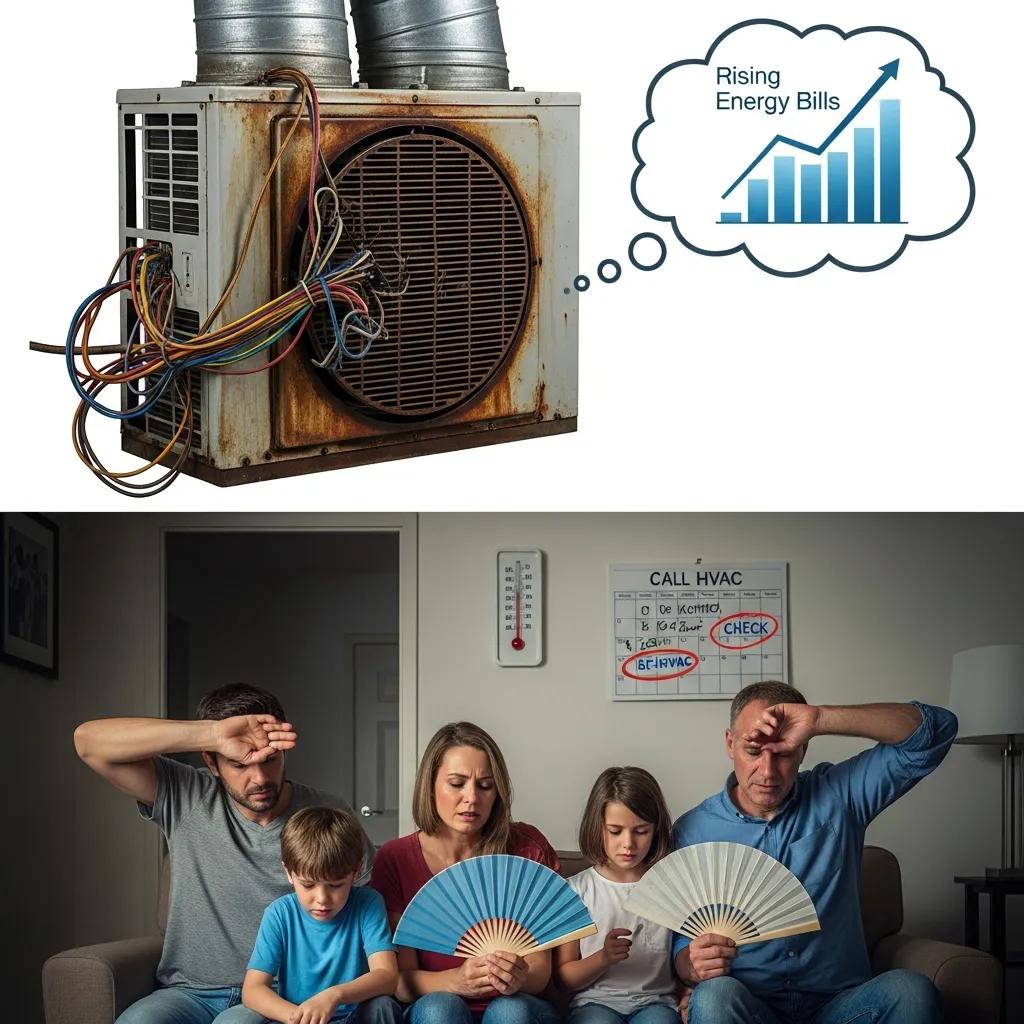
- Frequent Repairs: If your unit requires constant repairs, it may be more cost-effective to replace it.
- Increased Energy Bills: A noticeable spike in energy costs can indicate that your system is working harder than it should.
- Inconsistent Cooling: If some rooms are cooler than others, it may signal that your AC unit is failing.
Advantages of upgrading to modern, efficient systems
- Lower Energy Bills: Energy-efficient models consume less energy, leading to significant savings on monthly utility costs.
- Improved Comfort: Advanced technology in these systems provides consistent and effective heating and cooling.
- Reduced Environmental Impact: Energy-efficient systems contribute to sustainability by lowering energy consumption.
- Financial Incentives: Many energy-efficient systems qualify for rebates and incentives, making them a financially smart choice for homeowners.
- Long-Term Savings: Investing in energy-efficient systems can lead to substantial long-term savings on energy costs.
Beyond the immediate benefits, integrating energy efficiency into home remodeling projects offers significant long-term advantages for homeowners.
Energy Efficiency Strategies for AC Remodeling
The goal of the Strategies for Energy Efficiency in Remodeling (SEER) project is to provide information, based on research and case studies, to remodelers and consumers about opportunities to increase home energy performance. Opportunities to include energy efficiency often arise while undertaking general remodeling work. This case study report examines the technologies, methods, and installation of specific energy efficiency strategies. The information presented here stems from a ”gut rehab” of a house in rural New Jersey as part of the SEER project through the Building America Existing Buildings Program.
Strategies for Energy-Efficient Remodeling: SEER 2003 Case Study Report; February 27, 2003–October 31, 2004, 2003
What Are the Costs and Financing Options for AC Installation and Replacement in Greenville, SC?
Understanding the costs associated with AC installation and replacement is essential for budgeting and financial planning.
Detailed breakdown of air conditioning replacement costs
Available HVAC financing and rebate programs in Greenville County
- Low-Interest Loans: Many local banks and credit unions offer financing options specifically for HVAC upgrades.
- Utility Company Rebates: Some utility companies provide rebates for energy-efficient installations, reducing overall costs.
- Government Incentives: Federal and state programs may offer tax credits or rebates for energy-efficient home improvements.
How Do Refrigerant Changes Impact Your New AC Installation?
Recent changes in refrigerant regulations can significantly impact new AC installations, particularly regarding the types of refrigerants used.
Understanding the transition from R-410A to R-454B and R-32 refrigerants
The transition from R-410A to R-454B and R-32 refrigerants is driven by environmental concerns. R-454B and R-32 have significantly lower global warming potential (GWP) compared to R-410A, making them more environmentally friendly options. Homeowners should be aware of these changes when selecting new systems, as they may affect efficiency and compatibility.
What homeowners need to know about refrigerant regulations in 2026
By 2026, new regulations will require the use of refrigerants with lower GWP in many HVAC systems, particularly for new equipment and servicing. Homeowners should consult with HVAC professionals to ensure their systems comply with these regulations and to understand how these changes may impact their installations.
Why Choose MD Heating & Air Conditioning for Your AC Installation and Replacement?
Choosing the right service provider is crucial for ensuring a successful AC installation or replacement.
Local expertise and 24/7 emergency HVAC services in Greenville County
MD Heating & Air Conditioning offers local expertise and 24/7 emergency HVAC services in Greenville County. They emphasize rapid dispatch and same-day appointments, ensuring quick stabilization of HVAC systems during emergencies. Their skilled technicians provide initial safety assessments, prioritized repair plans, and clear communication about temporary and permanent solutions.
Customer testimonials and guarantees for quality workmanship
Customer testimonials highlight the reliability and effectiveness of HVAC services, with many clients praising prompt response times and thorough installations that enhance home comfort and energy efficiency. This reflects the company’s commitment to customer satisfaction and quality workmanship.