


AC Installation Guide: What Homeowners Need to Know About Costs, Sizing, and Energy Efficiency
Installing an air conditioning (AC) system is a significant investment for homeowners, and understanding the process can help ensure you make informed decisions. This guide will provide essential insights into AC installation, covering costs, sizing, and energy efficiency. Homeowners often face challenges when selecting the right system, understanding the installation process, and evaluating the long-term benefits of energy-efficient models. By the end of this article, you will have a comprehensive understanding of what to consider when installing a new AC system, including signs that indicate a need for replacement, how to choose the right size and type, and the costs involved in the installation process.
What Are the Signs You Need a New AC System or Replacement?

Recognizing when it’s time to replace your AC system is crucial for maintaining comfort in your home. Several indicators can signal the need for a new air conditioning unit, including frequent breakdowns, rising energy bills, and the age of your current system.
How Do Frequent Breakdowns and Rising Energy Bills Indicate Replacement Needs?
Frequent breakdowns can be a significant indicator that your AC system is nearing the end of its lifespan. If you find yourself calling for repairs multiple times a season, it may be more cost-effective to invest in a new unit. Additionally, rising energy bills can suggest that your system is working harder than it should, often due to inefficiencies that develop over time. This increased energy consumption not only impacts your wallet but also your comfort levels at home.
What Is the Typical Lifespan of an AC Unit in Greenville, SC?
In Greenville, SC, the average lifespan of an AC unit is typically around 12 to 15 years, depending on usage and maintenance. Factors such as local climate conditions, the quality of installation, and regular maintenance can significantly influence how long your system lasts. If your unit is approaching this age and showing signs of wear, it may be time to consider a replacement.
How Do You Choose the Right AC System Size and Type for Your Home?
Selecting the appropriate size and type of AC system is essential for ensuring optimal performance and energy efficiency. An improperly sized unit can lead to increased energy costs and discomfort.
Why Is Professional Load Calculation Essential for New Air Conditioner Sizing?
A professional load calculation is crucial for determining the correct size of your new air conditioning system. This process considers various factors, including the size of your home, insulation levels, window placement, and local climate. A properly sized unit will operate more efficiently, providing better cooling and reducing energy costs.
What Are the Differences Between Central AC, Ductless Mini-Split, Heat Pumps, and Packaged Units?
When choosing an AC system, it’s important to understand the differences between various types:
- Central AC: Ideal for larger homes, central AC systems distribute cool air through ductwork.
- Ductless Mini-Split: These systems are perfect for homes without ductwork and allow for zoned cooling.
- Heat Pumps: These versatile systems can provide both heating and cooling, making them a great year-round option, especially in moderate climates.
- Packaged Units: These all-in-one systems are typically installed on rooftops or beside the home and are suitable for homes with limited indoor space.
Understanding these options will help you select the best system for your specific needs.
What Are AC Energy Efficiency Ratings and Why Do They Matter?
Energy efficiency ratings are critical for evaluating the performance of air conditioning systems. These ratings indicate how effectively a unit uses energy to cool your home.
How Do SEER Ratings Affect Energy Savings and Compliance in South Carolina?
The Seasonal Energy Efficiency Ratio (SEER) measures the cooling output of an AC system divided by its energy consumption. Higher SEER ratings indicate greater energy efficiency, which can lead to significant savings on your energy bills. In South Carolina, the minimum SEER requirement for new residential central air conditioners is 14, in accordance with federal DOE standards. Choosing a system that meets or exceeds this minimum ensures compliance with regulations and maximizes energy savings.
What Are the Benefits of the New R-32 Refrigerant Compared to Older Types?
The new R-32 refrigerant offers several advantages over older refrigerants like R-410A. R-32 has a global warming potential (GWP) of about 675, which is approximately one-third that of R-410A (GWP ~2088), making it more environmentally friendly. Additionally, it provides better energy efficiency, which can lead to lower operating costs for homeowners. Choosing systems that utilize R-32 can contribute to both cost savings and environmental sustainability. However, R-32 is mildly flammable, so proper handling and installation by certified technicians are essential.
What Is the Step-by-Step AC Installation Process in Greenville, SC?
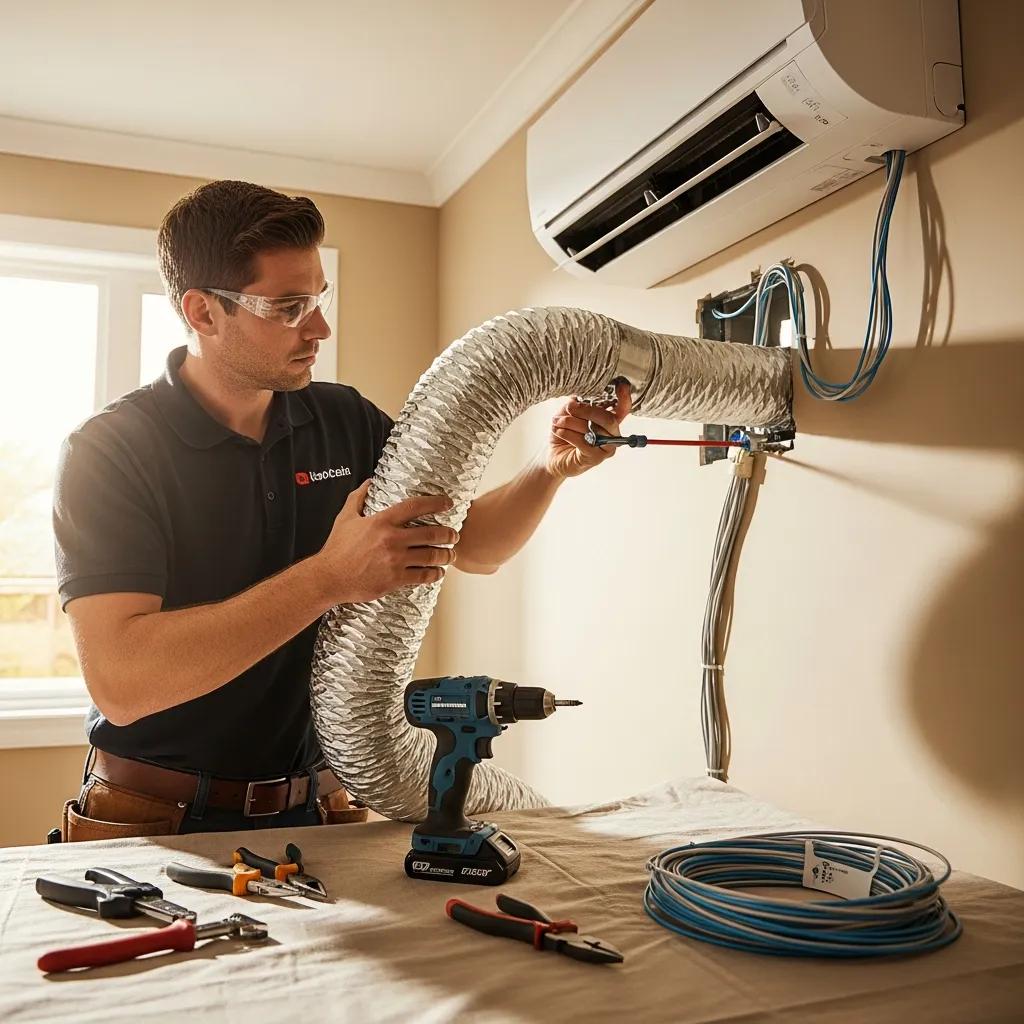
Understanding the installation process can help homeowners prepare for the transition to a new AC system. The installation typically involves several key steps.
What Happens During Consultation, Assessment, and Old Unit Removal?
During the initial consultation, a technician will assess your home and discuss your cooling needs. This assessment includes evaluating your current system, discussing potential upgrades, and determining the best options for your home. Once a new system is selected, the old unit will be removed, ensuring that the installation of the new system can proceed smoothly.
How Are Ductwork, Electrical Connections, and Refrigerant Lines Installed and Tested?
The installation of ductwork, electrical connections, and refrigerant lines is a critical part of the process. Technicians will ensure that all components are properly installed and tested for efficiency and safety. This step is vital for ensuring that your new system operates effectively and meets energy efficiency standards.
Homeowners AC Installation Guide: Costs, Sizing & Energy Efficiency
The cost of AC installation can vary significantly based on several factors, including the type of system, the size of your home, and any additional modifications needed.
What Are the Average Price Ranges for Different AC Systems and Home Sizes?
The average cost for installing a new AC system in Greenville, SC, typically ranges from $3,500 to $7,500, depending on the system type and home size. For example, central AC systems may cost more due to the need for ductwork, while ductless mini-split systems can be more affordable for smaller spaces.
How Do Ductwork, Labor, Permits, and Seasonal Demand Affect Installation Costs?
Several factors can influence the overall cost of installation:
- Ductwork: If your home requires new ductwork, this can significantly increase costs.
- Labor: Labor costs can vary based on the complexity of the installation and local rates.
- Permits: Depending on local regulations, permits may be required, adding to the overall cost.
- Seasonal Demand: Installation costs can fluctuate based on seasonal demand, with peak seasons often leading to higher prices.
Why Choose MD Heating & Air Conditioning for Your AC Installation Needs?
When it comes to AC installation, choosing the right contractor is essential for ensuring a successful project.
What Unique Benefits Do NATE-Certified Technicians and 24/7 Emergency Services Provide?
MD Heating & Air Conditioning employs NATE-certified technicians who are trained to handle all aspects of HVAC installation and maintenance. Their expertise ensures that your system is installed correctly and operates efficiently. Additionally, the company offers 24/7 emergency services, providing peace of mind for homeowners who may face unexpected issues.
How Do Free Estimates and Financing Options Support Greenville Homeowners?
MD Heating & Air Conditioning provides free estimates to help homeowners understand the costs associated with their AC installation. Furthermore, financing options are available, making it easier for homeowners to manage their budgets while investing in a new, energy-efficient system. This commitment to customer service ensures that all homeowners in Greenville can access the cooling solutions they need.
This table illustrates the average costs associated with different AC systems, highlighting the importance of selecting an energy-efficient model that fits your budget and cooling needs.