5 Critical Signs Your Greenville, SC AC Needs Professional Repair
As the summer heat intensifies, ensuring your air conditioning system operates efficiently becomes crucial. Recognizing the signs that your air conditioner needs professional repair can save you from costly breakdowns and uncomfortable living conditions. This article will explore the five key indicators that your AC unit requires immediate attention, helping you maintain a comfortable environment in your home or business. By understanding these signs, you can act promptly and avoid more significant issues down the line. We will cover the importance of timely repairs, signs of ineffective cooling, unusual noises, water leaks, short cycling, and strange odors emanating from your AC unit.
Why Is Timely Professional AC Repair Crucial for Your Home or Business?
Timely professional AC repair is essential for maintaining a comfortable indoor environment and ensuring the longevity of your air conditioning system. Ignoring minor issues can lead to more significant problems, resulting in costly repairs and increased energy bills. Regular maintenance and prompt repairs can enhance energy efficiency, reduce operational costs, and improve indoor air quality.
Moreover, a well-functioning AC system contributes to the overall comfort and safety of your home or business. Delaying repairs can lead to system failures, which may compromise your comfort and safety.
MD Heating & Air Conditioning, led by owner Michael Donnelly, specializes in comprehensive HVAC services, ensuring that your air conditioning system operates at peak performance.
How Does Prompt Repair Save Energy and Reduce Costs?
Prompt repairs can significantly enhance your air conditioner’s energy efficiency. When your AC unit operates optimally, it consumes less energy, leading to lower utility bills. For instance, a well-maintained system can save homeowners up to 15% on their energy costs. Regular maintenance and timely repairs ensure that your system runs smoothly, preventing energy waste caused by malfunctioning components.
What Risks Do Delayed Repairs Pose to Your AC System?
Delaying necessary repairs can lead to severe consequences for your air conditioning system. Ignoring minor issues can escalate into major failures, resulting in costly repairs or even complete system replacement. Additionally, prolonged neglect can compromise your indoor air quality, leading to health risks for occupants. Regular inspections and prompt repairs can mitigate these risks, ensuring your system remains in good working condition.
Is Your AC Not Cooling Properly? Signs and Causes Explained
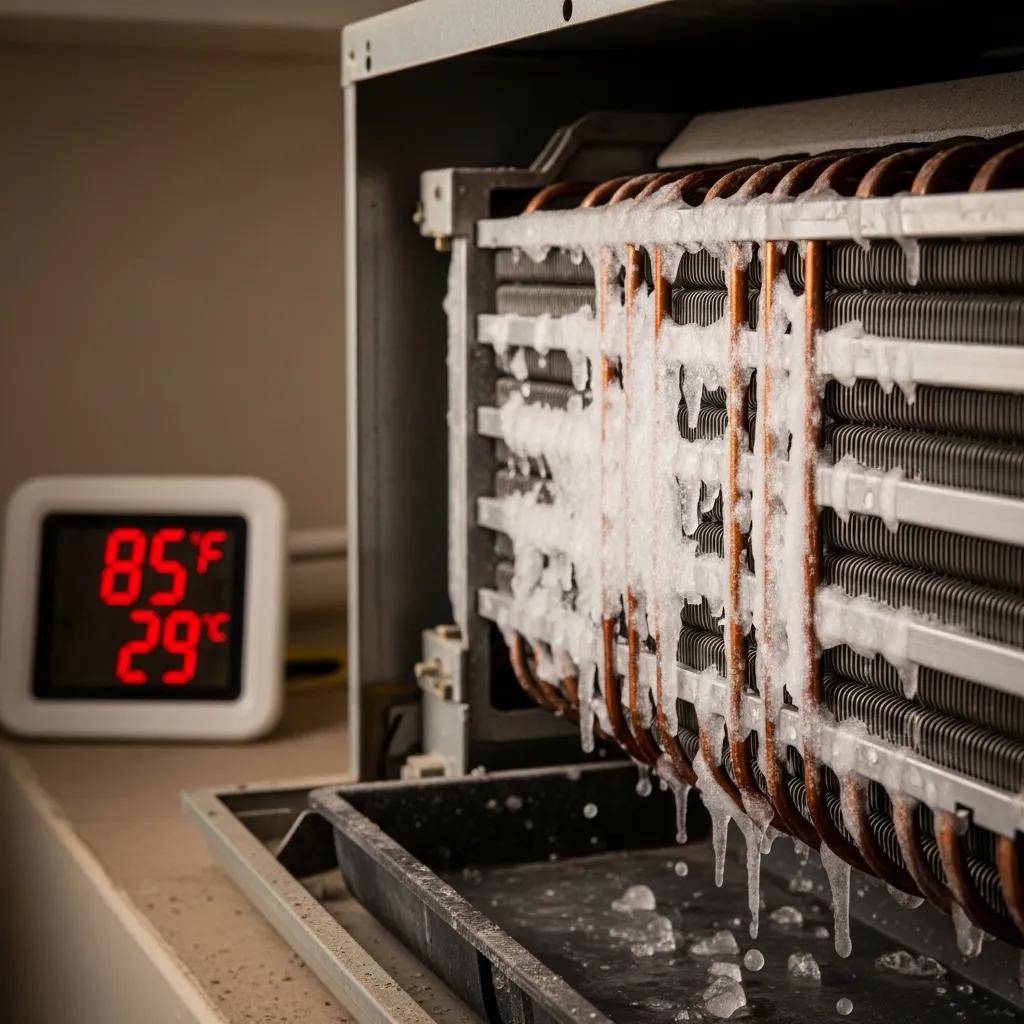
One of the most common signs that your air conditioner needs repair is ineffective cooling. If your AC unit is blowing warm air or not cooling your space adequately, it may indicate underlying issues that require professional attention.
What Does It Mean When Your AC Blows Warm Air?
When your air conditioner blows warm air, it could be due to several factors, including refrigerant leaks, thermostat malfunctions, or compressor issues. A refrigerant leak can significantly impact your system’s cooling efficiency, while a malfunctioning thermostat may prevent your unit from reaching the desired temperature.
What Common Issues Cause Ineffective Cooling?
Several common issues can lead to ineffective cooling in your air conditioning system:
- Dirty Air Filters: Clogged filters restrict airflow, reducing cooling efficiency.
- Refrigerant Leaks: Insufficient refrigerant levels hinder the cooling process.
- Compressor Failure: A malfunctioning compressor can prevent the system from circulating cool air.
Addressing these issues promptly can restore your AC’s cooling capabilities and improve overall efficiency.
Are Unusual Noises Coming from Your Air Conditioner? What They Indicate
Unusual noises from your air conditioning unit can signal potential problems that require immediate attention. Recognizing these sounds can help you identify underlying issues before they escalate.
How to Identify Grinding, Squealing, or Banging Sounds?
Different sounds can indicate various problems within your AC system:
- Grinding Noises: Often suggest worn-out bearings or motor issues.
- Squealing Sounds: May indicate a slipping or worn-out belt.
- Banging Noises: Could be a sign of loose or broken components.
If you hear any of these sounds, it’s essential to contact a professional for an inspection.
What Underlying Problems Do These Noises Reveal?
Unusual noises can reveal several underlying problems, including:
- Mechanical Failures: Worn-out parts can lead to system inefficiencies.
- Electrical Issues: Faulty wiring can cause operational problems.
- Loose Components: Loose parts can lead to further damage if not addressed.
Addressing these issues promptly can prevent more significant damage and costly repairs.
Is Your AC Unit Leaking Water? Causes and Urgency of Repair
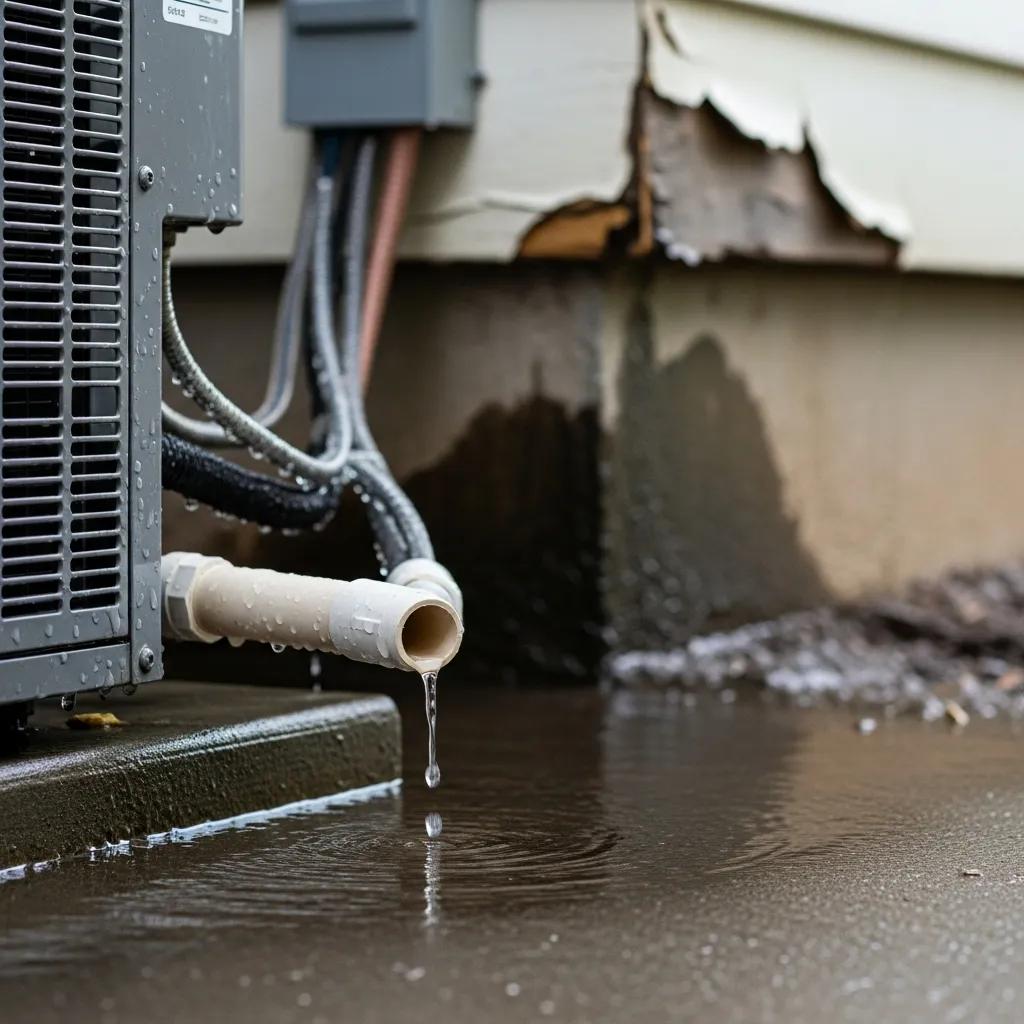
Water leaks around your air conditioning unit can indicate serious issues that require immediate attention. Understanding the causes and potential risks associated with these leaks is crucial for maintaining your system’s integrity.
Why Does Water Leak Around Your AC Unit?
Water leaks can occur for several reasons, including:
- Clogged Drain Lines: Blockages can prevent proper drainage, leading to leaks.
- Frozen Coils: Ice buildup can cause excess water to leak when it melts.
- Improper Installation: Poorly installed units may not drain correctly.
Identifying the cause of the leak is essential for effective repair.
How Can Water Leaks Affect Your Home’s Safety and Comfort?
Water leaks can pose several risks to your home, including:
- Mold Growth: Excess moisture can lead to mold and mildew, affecting indoor air quality.
- Structural Damage: Prolonged leaks can damage walls, ceilings, and flooring.
- Increased Humidity: High humidity levels can make your home uncomfortable and promote further mold growth.
Addressing water leaks promptly is essential for maintaining a safe and comfortable living environment.
What Does It Mean When Your Air Conditioner Is Short Cycling?
Short cycling occurs when your air conditioning unit turns on and off frequently, failing to complete a full cooling cycle. This issue can lead to increased energy consumption and reduced system lifespan.
How Does Short Cycling Impact AC Efficiency and Lifespan?
Short cycling can significantly impact your air conditioner’s efficiency and lifespan. Frequent on-and-off cycles can lead to increased wear and tear on components, resulting in costly repairs. Additionally, this inefficiency can lead to higher energy bills, as the system struggles to maintain the desired temperature.
What Are Typical Causes of Short Cycling?
Several factors can contribute to short cycling, including:
- Thermostat Issues: A malfunctioning thermostat can cause the system to misread temperatures.
- Oversized Units: An oversized AC unit may cool the space too quickly, leading to frequent cycling.
- Refrigerant Problems: Low refrigerant levels can cause the system to shut down prematurely.
Identifying and addressing the root cause of short cycling is essential for restoring your system’s efficiency.
Are Strange Odors Coming from Your AC Vents? Identifying and Addressing Them
Strange odors emanating from your air conditioning vents can indicate underlying issues that require immediate attention. Recognizing these odors can help you identify potential problems and take appropriate action.
What Types of Odors Indicate AC Problems?
Common odors that may indicate AC problems include:
- Musty Smells: Often suggest mold or mildew growth within the system.
- Burning Odors: May indicate electrical issues or overheating components.
- Chemical Smells: Could signal refrigerant leaks, which require immediate attention.
Identifying the source of these odors is crucial for effective repair.
What Health and Safety Issues Are Linked to These Odors?
Strange odors can pose several health and safety risks, including:
- Mold Exposure: Mold growth can lead to respiratory issues and allergies.
- Electrical Hazards: Burning odors may indicate potential fire risks.
- Chemical Exposure: Refrigerant leaks can pose health risks if inhaled.
Addressing these odors promptly is essential for maintaining a safe and healthy indoor environment.