24/7 Emergency HVAC Service in Greenville, SC — Rapid Repair & Support from MD Heating & Air
When your heating or cooling stops working — whether it’s late at night, on a holiday, or during a sudden Greenville weather swing — MD Heating & Air is ready 24/7 to restore comfort and safety quickly. This guide shows how to spot genuine HVAC emergencies, what after-hours repairs are available, and what to expect when a technician comes out. You’ll get safe, simple troubleshooting steps you can try, a clear look at a technician’s emergency workflow, and preventative tips that cut down on late-night failures. We also outline typical costs and timelines so you know what to expect before a tech arrives, and we explain how MD Heating & Air positions its 24/7 response across Greenville. We’ll use local search terms like urgent HVAC Greenville, 24 hour HVAC Greenville, and emergency AC repair Greenville SC so you can find the information you need fast.
What Are Common HVAC Emergencies in Greenville, SC?
An HVAC emergency is any failure that threatens health, safety, or serious property damage and needs immediate professional attention. In Greenville, sudden AC loss during heat waves can create real health risks, while furnace problems in a cold snap can be dangerous. Other emergencies include the smell of gas, active water leaks that threaten ceilings or floors, and electrical faults that could spark or shut down systems. Spotting these issues early helps you take safe first steps and call a 24-hour service before things get worse.
Common HVAC emergencies in Greenville include:
- Complete AC failure during heat waves: No cooling during extreme heat creates a health risk and requires quick action.
- No heat or ignition failures in winter: Sudden furnace shutdowns or repeated ignition attempts can leave a home dangerously cold.
- Gas or carbon monoxide alarms: Any gas smell or CO alarm means evacuate immediately and call emergency service.
- Water leaks or refrigerant pooling: Leaks can cause water damage, mold, or corrosion if not stopped quickly.
- Loud mechanical noises or burning smells: These often point to electrical shorts, motor failure, or a failing compressor and need fast diagnostics.
Those situations risk heat-related illness, freezing, water damage, or fire — which is why fast response is so important. Knowing which signs are urgent helps you decide whether to do safe checks or call an overnight technician right away.
How to Identify Urgent AC and Heating Failures
Urgent failures usually show clear signs you can verify safely before help arrives. Start with the thermostat, check breakers, and listen for unusual noises — but don’t touch hot or moving parts. If you smell gas, a CO alarm sounds, or you see refrigerant oil or active water pooling, leave the house and call emergency service immediately. For less-critical issues like reduced airflow or brief cycling, note the symptoms and schedule service; but if your system still has no cooling or no heat after basic checks, call our 24/7 line.
- Quick homeowner checks: Confirm thermostat mode, swap dead batteries, and check circuit breakers — these often fix simple problems.
- Safety red flags: Gas odors, CO alerts, sparking, or visible leaks require evacuation and immediate professional help.
- When to wait for regular service: Minor temperature swings or intermittent issues that respond to resets can usually wait for normal business hours.
These safe checks cut down on unnecessary overnight calls while keeping your household safe — and they lead into the kinds of round-the-clock services our technicians provide when an emergency is real.
24/7 Emergency HVAC Service in Greenville SC: Fast Repair & Support
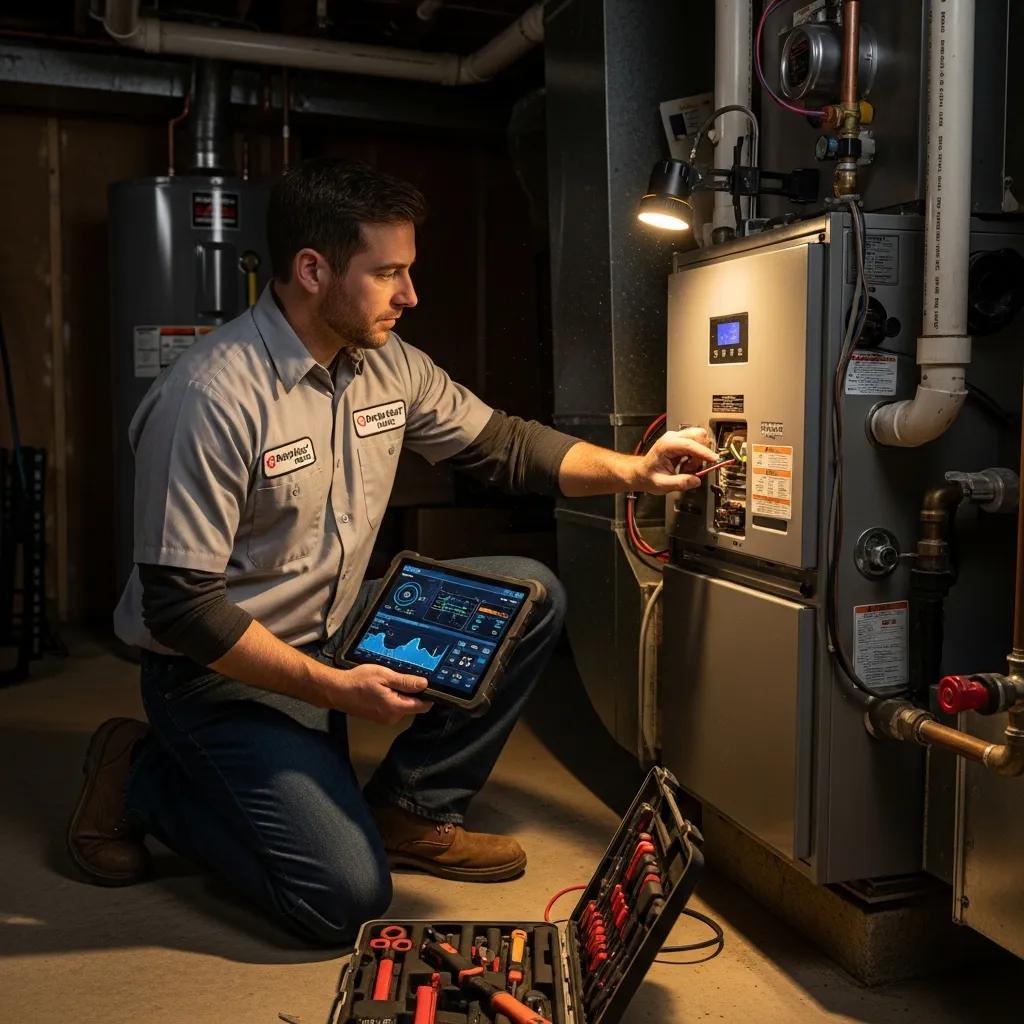
Our emergency coverage includes fast diagnostics and either temporary or permanent repairs for cooling, heating, and control system failures so your home is safe and working as soon as possible.
When you call our 24/7 line, our technicians put safety first, isolate hazards, and run on-site diagnostics to decide whether a temporary fix, full repair, or replacement recommendation is best.
Emergency work commonly covers compressor or condenser faults, ignition and heat-exchanger issues, heat pump failures, thermostat and control problems, and water removal for condensate or leaks. Below is a quick comparison of emergency service types so homeowners know typical response times, likely causes, and helpful immediate steps.
This table explains what to expect for common emergencies and which homeowner actions help keep everyone safe while you wait for the technician. It also shows how crews triage calls and bring the right tools to your home.
Emergency AC Repair Services in Greenville, SC
Emergency AC repair zeroes in on restoring cooling fast. Our techs diagnose refrigerant, compressor, electrical, and airflow issues that cause sudden cooling loss. They inspect the condenser and compressor, test refrigerant pressures, check the capacitor and contactor, and verify electrical continuity to find the root cause. Temporary fixes may include jump-starting a compressor, patching a small refrigerant leak for safe operation, or placing a short-term cooling solution while parts are ordered. If damage or repeated failures suggest a replacement is the safer choice, the tech will explain repair-versus-replace options and give clear recommendations.
- Typical steps: test, stabilize temporarily, then advise whether immediate replacement is safer.
- Common culprits: compressor burnout, low refrigerant, or electrical component failures.
- If a simple charge or part swap restores safe operation, we document the work and recommend follow-up maintenance to prevent repeat calls.
Those quick actions stabilize your system and reduce heat risks, similar to how we handle urgent heating repairs with the same priority.
Urgent Furnace Repair and 24 Hour Heating Solutions
Urgent furnace work addresses safety-critical failures like ignition faults, persistent pilot problems, cracked heat exchangers, or total loss of heat — all of which can threaten occupants in cold weather. On arrival, our tech performs a safety check including CO scanning, confirms proper venting, inspects the ignition system, and examines the heat exchanger. Immediate fixes may include safely relighting a sealed pilot where appropriate, replacing failed ignitors or control modules, or isolating the system and recommending temporary electric or portable heating until a permanent repair is done. We never risk CO exposure — safety protocols always come first.
- Common causes: failed ignitors, blocked flues, and control board errors that stop operation.
- Our process: CO checks, vent inspection, and system isolation before any repair attempt.
- If a repair isn’t safe or parts aren’t available, we secure the system and recommend short-term measures while arranging a full fix.
This approach protects your household immediately and gives clear next steps — which is why choosing a qualified, local team matters.
Why Choose MD Heating & Air for After Hours HVAC Repair in Greenville?
Choosing a local, qualified provider for after-hours HVAC work means faster response and smarter diagnostics because our techs know Greenville equipment trends and weather stresses. MD Heating & Air is family-owned and led by Michael Donnelly. We staff NATE-certified technicians who follow professional diagnostic protocols, communicate clearly, and offer transparent pricing. Our local knowledge of Greenville County — traffic, seasonal loads, and common failure points — helps crews arrive ready with the right tools and safety checks, reducing repeat visits and restoring safe operation faster in urgent situations.
- Certified expertise: NATE-certified techs use standardized diagnostics and deliver quality repairs.
- Fast local response: Our crews know Greenville routes and seasonal patterns, which improves ETA accuracy.
- Transparent communication: We provide clear estimates and get authorization before starting after-hours work to avoid surprises.
These advantages show why certification, local experience, and clear pricing matter for emergency service and set expectations for our response.
Benefits of NATE-Certified Technicians and Local Expertise
NATE certification means our technicians have passed industry-standard tests and stay current with modern systems — which translates to faster, more accurate diagnostics and fewer callbacks. Certified techs follow structured troubleshooting that isolates failures like compressor faults, control board errors, or heat-exchanger risks quickly, and they document findings with clear recommendations. Our local experience in Greenville County helps us predict seasonal issues — from coil freeze in spring to compressor overload in summer — so we tailor emergency repairs to what we see here. Together, certification and local knowledge shorten time to safe operation and reduce repeat emergency calls.
- NATE certification leads to better repair accuracy and fewer callbacks.
- Local experience gives practical insight into region-specific failure modes.
- Combined, these factors speed up and improve after-hours emergency responses in Greenville.
Knowing technician qualifications helps set realistic expectations for the repair process and the level of transparency you should receive.
Transparent Pricing and Fast Response Times
Emergency calls usually include a diagnostic or after-hours fee, labor charges, and any parts needed; reputable providers disclose these costs before starting work. Expect our tech to explain findings, offer options (temporary fix vs. full repair), and give an estimate that separates labor and parts so you can decide with clear information. Quick response depends on technician availability and routing; companies committed to after-hours work prioritize dispatch logistics and communicate accurate ETAs. Clear pre-work estimates and authorization help minimize surprises during stressful emergency visits.
- Typical pricing components: diagnostic fee, after-hours premium, labor rate, and parts — all explained up front.
- We present temporary and permanent solution options with associated costs so you can make an informed decision.
- Fast response is the result of local crews, prioritized dispatch, and reliable ETA communication to shorten downtime.
These assurances build homeowner confidence during emergencies and lead into what happens during a service call.
What Should You Expect During an Emergency HVAC Service Call?
An emergency service call follows a clear sequence that balances speed, safety, and accurate diagnostics so your system is either safely restored or rendered safe until a permanent solution is possible. After you call, expect intake questions about symptoms and safety flags so dispatch sends the right tech with the right tools. The technician will give an ETA, perform arrival safety checks, run targeted diagnostics, apply temporary stabilization if needed, and explain recommended next steps with transparent cost estimates. Final steps include documentation of the work, authorization for any further repairs, and scheduling follow-up or maintenance to reduce future emergencies.
- Call intake and triage: Dispatch gathers symptom details and any safety concerns to prioritize the response.
- ETA and arrival protocol: The technician calls ahead, explains PPE and safety steps, and performs an initial safety sweep on arrival.
- Diagnostics and action: Targeted tests identify the fault; technicians apply temporary fixes or complete repairs depending on parts availability.
Knowing this process helps homeowners cooperate efficiently and shortens time to resolution — which is why the preparation tips below matter.
This table shows typical technician actions, durations, and likely outcomes so homeowners have a realistic timeline for emergency interventions. Knowing these phases helps you prepare for next steps after the visit.
Step-by-Step Emergency Repair Process by MD Heating & Air
When our emergency tech arrives, they follow a methodical process: verify occupant safety, isolate electrical or gas supplies if needed, document symptoms with homeowner input, and run focused diagnostics to find the root cause. After diagnosing, the tech explains repair options and costs, performs authorized repairs or temporary measures, and tests the system to confirm safe operation before leaving. We provide documentation of findings, parts used, and recommended follow-up maintenance so you understand what was done and why. Typical diagnostics take 30–90 minutes for common faults, and many repairs are finished the same visit if parts are on hand.
- Arrival steps: safety verification, symptom review, and targeted diagnostics are top priorities.
- Repair decision: the technician recommends temporary stabilization or permanent repair based on safety and parts availability.
- Aftercare: you’ll get documentation and guidance on watching the system for recurring issues.
This structured workflow keeps safety first while aiming for an efficient restoration — and it leads into how to get your home ready for a technician’s visit.
How to Prepare for an HVAC Emergency Technician Visit
Getting your home ready for an emergency HVAC visit speeds diagnostics and increases the chance of same-day fixes. Clear a path to outdoor units and indoor equipment, secure pets, and have system details handy — model, approximate age, and any recent service history — to help the tech narrow causes. Remove obstructions from return and supply vents and make sure electrical panels and thermostats are accessible. If there’s active leaking, contain pooling to protect floors. Tell the technician about recent symptoms or noises so they can reproduce conditions and target the right tests.
- Access and safety checklist: Clear pathways, secure pets, and remove obstacles before techs arrive.
- Information to have ready: System model or photos, last service date, and a brief description of recent symptoms or noises.
- Shutdown guidance: If instructed, turn off HVAC power at the breaker to prevent further damage; follow the technician’s advice for safe shutdown.
This table highlights shared responsibilities — homeowner prep and technician action — that shorten downtime and improve the quality of emergency outcomes.
MD Heating & Air asks homeowners to have system details ready during intake and to follow the technician’s safety recommendations for the best results on after-hours visits. For immediate emergency help, call us at (864) 434-7405 to request rapid dispatch and receive a free repair quote during the diagnostic call.
How Can Preventative Maintenance Help Avoid HVAC Emergencies in Greenville?
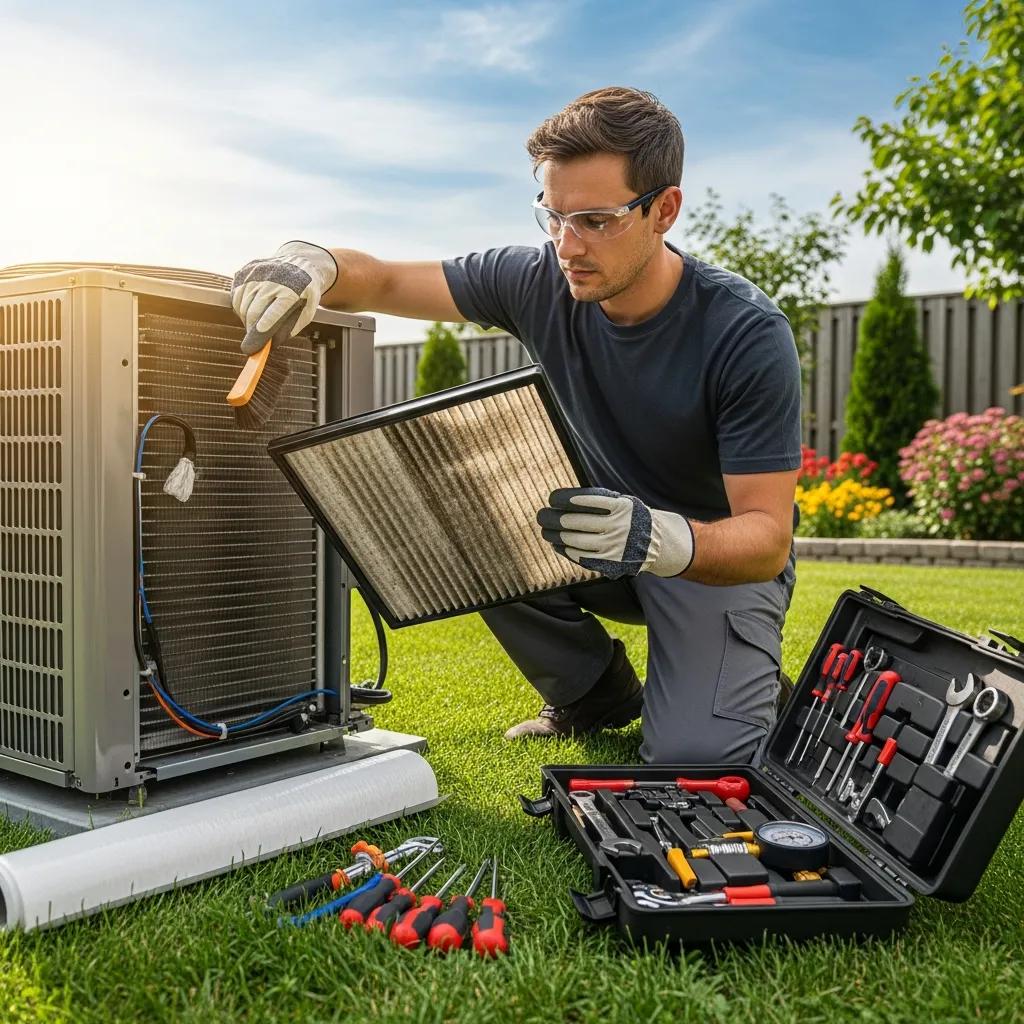
Regular maintenance catches wear-and-tear before it becomes an emergency, keeps systems efficient, and extends equipment life. Seasonal checks — pre-summer for AC and pre-winter for heating — usually include filter replacement, refrigerant checks, electrical inspections, thermostat calibration, and cleaning the condensate drain. Professional tune-ups spot weak capacitors, dirty coils, or ignition wear that often trigger after-hours breakdowns. A planned maintenance program moves repairs from urgent to scheduled, which is safer and often less expensive over time.
- Preventative maintenance lowers the chance of late-night failures through routine inspections and timely parts replacement.
- Seasonal professional checks focus on components that fail under peak load, like compressors in hot months or ignitors in winter.
- Recurring service plans give priority scheduling and a documented service history that speeds emergency diagnostics when problems arise.
Those maintenance benefits reduce emergencies and lead directly into practical homeowner steps and how to schedule service.
Key Maintenance Tips to Reduce Urgent HVAC Repairs
A few homeowner habits paired with professional inspections make systems far more reliable. Change disposable filters regularly — monthly in heavy use or dirty conditions — and keep outdoor units clear of debris and vegetation so airflow stays strong. For pros, annual coil cleaning, refrigerant verification, electrical tightening, and combustion inspections for gas furnaces catch failing components early. Timing maintenance before peak seasons — pre-summer for AC and pre-winter for furnaces — prevents many common emergency scenarios.
- Simple homeowner actions: regular filter changes and keeping outdoor units clear preserve airflow and efficiency.
- Professional maintenance tasks: coil cleaning, electrical checks, refrigerant verification, and combustion testing prevent unexpected failures.
- Seasonal scheduling: pre-summer and pre-winter inspections target the components most at risk before peak demand.
These tips show how routine care cuts emergency risk and set the stage for scheduling recurring maintenance with a local provider.
Scheduling Regular Service with MD Heating & Air
Signing up for recurring maintenance creates a clear care plan that reduces emergency frequency and gives you priority response if urgent issues arise. MD Heating & Air offers seasonal tune-ups, priority dispatch for enrolled customers, and documented service records to simplify future diagnostics. To enroll, tell us your system type and preferred service intervals; our techs will run a comprehensive checklist at each visit and note anything needing attention. The result: fewer after-hours breakdowns, clearer cost expectations for repairs, and priority scheduling when emergencies do occur.
- Enrollment steps: Provide system details and preferred intervals to set up routine maintenance.
- Visit inclusions: Filter checks, coil cleaning, electrical inspections, refrigerant assessment, and safety checks are standard.
- Member benefits: Priority scheduling and a service history that speeds emergency diagnostics and improves repair accuracy.
This table lists core maintenance tasks, recommended timing, and how each reduces the risk of sudden failures — making it easier to commit to regular service.
Frequently Asked Questions
What should I do if my HVAC system fails during extreme weather conditions?
Put safety first. In extreme heat, keep people hydrated and cool with fans or cold packs; in cold, use warm clothing and blankets. Don’t try risky repairs yourself, especially if you smell gas or see electrical problems. Call a 24/7 emergency HVAC service like MD Heating & Air for fast diagnosis and repair to restore comfort and safety.
How can I prevent HVAC emergencies from occurring?
Regular maintenance and prompt repairs are the best prevention. Schedule seasonal check-ups before peak heating and cooling seasons, change filters regularly, keep outdoor units free of debris, and address odd noises or performance drops quickly. Consider a maintenance plan with a local provider to catch problems early.
What are the signs that my HVAC system needs immediate attention?
Warning signs include loud or unusual noises (banging, hissing), strange odors (gas or burning), inconsistent temperatures, frequent on/off cycling, water pooling near the unit, or an unresponsive thermostat. If you see any of these, contact emergency HVAC service to prevent further damage or hazards.
Are there any DIY steps I can take before the technician arrives?
Do a few safe checks: confirm the thermostat is set correctly and check breakers for trips. If safe, look for visible leaks or obvious obstructions. If you smell gas or notice electrical sparks, evacuate immediately and call emergency services. Note and document any symptoms to share with the technician when they arrive.
How do I choose the right emergency HVAC service provider?
Look for qualifications, fast response, and good customer reviews. NATE certification is a strong sign of technician expertise. Make sure the company offers 24/7 availability and clear pricing. Local experience with Greenville-area equipment and weather patterns is also a big plus. Read testimonials to confirm reliability and professionalism.
What should I expect in terms of costs for emergency HVAC services?
Emergency service costs usually include a diagnostic or after-hours fee plus labor and parts. The total depends on the issue and the parts required. Reputable providers give a clear estimate before starting, itemizing diagnostic, labor, and parts costs so you’re not surprised.
How can I ensure my HVAC system is ready for seasonal changes?
Schedule a pro check before each season. That should include filter changes, refrigerant checks, electrical inspections, and airflow verification. Clear debris from outdoor units and inspect visible components for wear. Regular seasonal maintenance keeps performance steady and reduces unexpected breakdowns.
How Quickly Can Emergency HVAC Repairs Be Completed?
Repair timelines depend on the problem and parts availability, but typical diagnostics and ranges give a helpful expectation. Many diagnostics finish in 30–90 minutes, letting techs determine whether a temporary fix or full repair is needed. Common on-site repairs — capacitors, contactors, or condensate cleaning — often complete within 1–4 hours when parts are on hand. Major failures that require components like a compressor or heat exchanger may take longer and need a follow-up visit for parts installation.
- Quick diagnostics enable fast triage, but final repair time depends on parts and whether replacement is required.
- Temporary stabilizations restore operation while permanent parts are sourced for complex jobs.
- Clear communication about timelines helps homeowners plan for temporary measures or alternate heating/cooling.
What Are Typical Costs for After Hours HVAC Repair?
After-hours pricing commonly includes an emergency call or diagnostic fee plus labor and parts; the final cost varies with the replaced component and repair complexity. Emergency premiums compensate for immediate dispatch, with labor and parts quoted separately for transparency. Major replacements cost more than small part swaps; a reputable provider will present options and get your authorization before proceeding so you can choose the best path forward.
- Cost components: emergency/diagnostic fee, labor, and parts — each explained before work starts.
- Price varies by part complexity and whether you choose a temporary fix or full replacement.
- Clear estimates and options help avoid surprises and guide decisions during emergency repairs.
If you’re ready to schedule emergency service or enroll in preventative maintenance, MD Heating & Air is ready to help. Call (864) 434-7405 for immediate dispatch, priority scheduling for maintenance plans, or a free quote during the diagnostic call. You can also check our Google Business Profile for service area details and customer reviews — ask for Michael Donnelly when you call to discuss emergency response options and membership perks.
Conclusion
Having 24/7 emergency HVAC coverage keeps your home safe and comfortable no matter the hour or the weather. With fast response times, certified technicians, and clear communication, MD Heating & Air is focused on resolving urgent heating and cooling failures quickly and safely. Understanding common emergencies and the role of preventative maintenance can cut the risk of unexpected breakdowns. For immediate help or to set up a maintenance plan, call us now at (864) 434-7405.