Reliable Furnace Installation in Greenville, SC — Expert Heating Solutions for Your Home
A correctly installed furnace means steady warmth, lower energy bills, and safer operation for Greenville homes when temperatures drop. This guide walks through furnace installation in Greenville, SC — covering system types, the installation steps, signs you need a replacement, typical costs and incentives, and how professional installation boosts efficiency and indoor air quality. You’ll learn how fuel choice, AFUE ratings, proper sizing, and duct condition affect comfort and running costs, and how to choose the best solution for your house. We also outline the process from consultation to commissioning, show typical price ranges and available rebates, and explain when repair stops being worth it. Local search terms like furnace installation Greenville SC, new furnace Greenville, and furnace replacement Greenville are used naturally to help homeowners find the right information. If you’re ready to upgrade or replace your heating system, the sections below offer clear checklists and step-by-step guidance to make an informed, cost-effective choice.
Expert Furnace Installation Services in Greenville, SC
Furnace installation combines HVAC design, safe fuel work, and careful airflow balancing. Choosing a local, reliable contractor cuts installation mistakes that reduce efficiency and shorten equipment life. A proper install ensures the heat exchanger fits, the blower motor is sized correctly, the thermostat integrates smoothly, and the duct system works with the new unit — all of which add up to consistent comfort and lower energy use. Below is a practical overview of what a trusted local provider brings to the table.
MD Heating & Air Conditioning brings NATE-certified technicians, clear pricing, financing options, free estimates, and 24/7 emergency service to Greenville County and nearby Upstate South Carolina communities. As a family-owned company, we focus on local knowledge, quick response, and full-service care from load-sizing through warranty registration.
The biggest homeowner benefits are straightforward: transparent estimates, correctly sized systems matched to your home’s load, and reliable service when you need it. Safety checks, commissioning, and documented testing separate a routine install from one that delivers long-term efficiency and comfort.
What Makes Our NATE-Certified Technicians the Best Choice?
NATE certification shows our technicians have passed industry tests on core HVAC skills and installation best practices. That means they know combustion safety, how to inspect heat exchangers, how to balance airflow, and how to set up modern controls — all to meet manufacturer and code standards. Certified techs are more likely to run accurate load calculations, pick the right furnace capacity, and verify combustion efficiency to lower carbon monoxide risk and fuel waste. This careful approach cuts callbacks and helps preserve warranties by following manufacturer-recommended steps.
Our techs also document the job, explain routine maintenance, and register warranties correctly — giving homeowners confidence in long-term reliability. Those records create a clear handoff for future service and can help preserve resale value when systems are well maintained.
How Does Our Local Expertise Ensure Quality and Reliability?
Local experience matters. Greenville’s climate, housing stock, and common duct layouts affect system recommendations and control strategies. Our familiarity with local homes lets us recommend the right solution — whether that’s a heat-pump hybrid, a high-efficiency gas furnace, or an electric option — that balances comfort and running cost. Faster local response times also mean less downtime for urgent repairs, and nearby parts access shortens project timelines.
We also know local utility programs and typical rebate opportunities for Greenville homeowners, so we can match equipment to incentives and expected savings. That local know-how pairs technical skill with practical advice to deliver installations that fit your home and budget.
What Types of Furnaces Are Available for Installation in Greenville Homes?
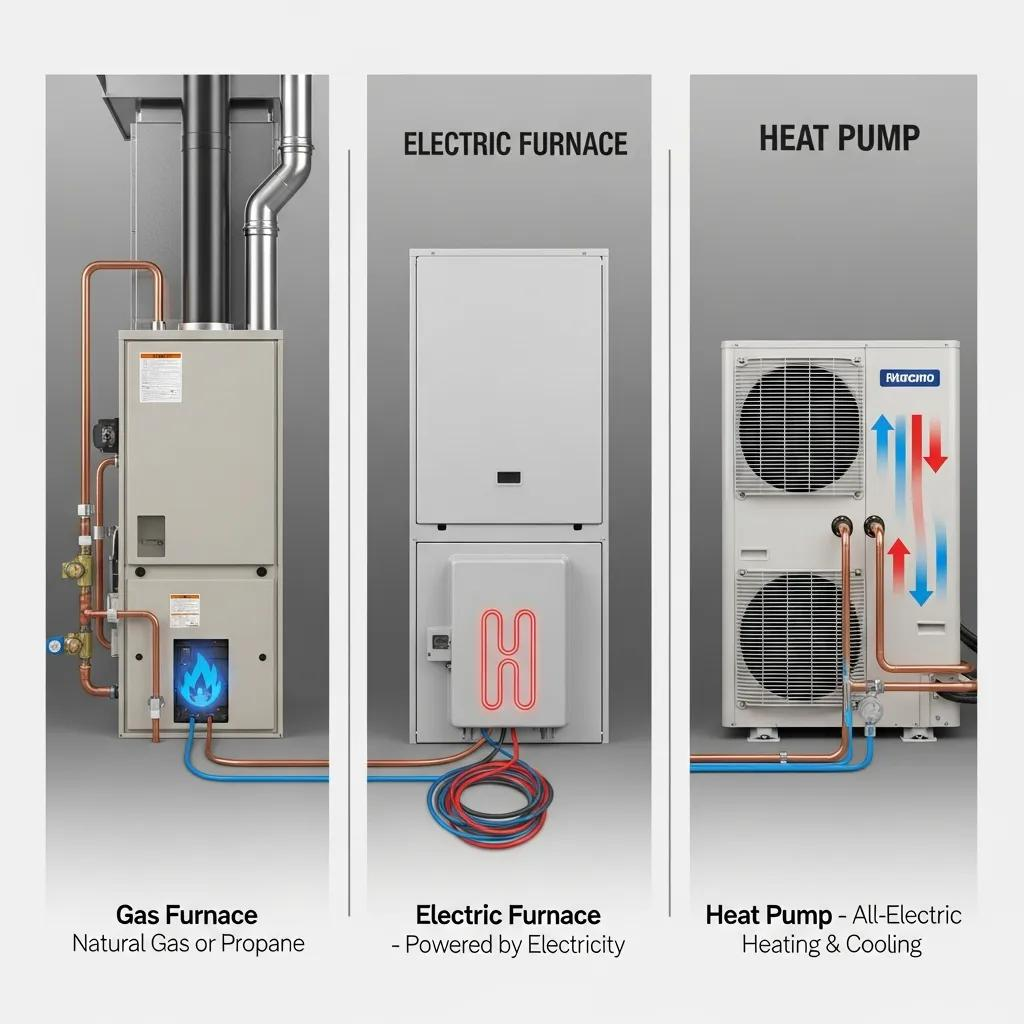
Most Greenville homes choose between gas furnaces, electric furnaces, and air-source heat pumps. Each uses a different method to produce heat, comes with its own efficiency range, and has different upfront and operating costs. Gas furnaces burn natural gas and heat a heat exchanger for quick, powerful warmth. Electric furnaces use resistance elements and are simpler to install. Heat pumps move heat and can both heat and cool, offering strong seasonal efficiency in milder climates. The right choice depends on fuel access, your home’s insulation, and long-term operating-cost goals.
Below is a compact comparison to help you weigh fuel, efficiency, lifespan, and typical installation costs.
Use this comparison to weigh upfront cost, expected life, and operating expenses. Gas often wins for output and quick warm-up, electric for easier installs, and heat pumps for seasonal efficiency. Narrow your choices before a professional in-home assessment.
What Are the Benefits of Gas Furnace Installation?
Gas furnaces provide strong, fast heat and are often cost-effective where natural gas is available. High-efficiency gas models reach AFUE ratings in the 90s, cutting fuel use compared with older units and lowering winter bills. Proper installation requires correct venting, combustion safety checks, and duct compatibility, but delivers reliable warmth and capacity for larger or leakier homes. For many Greenville properties, gas furnaces balance fuel cost and heating demand well.
Modern gas units also feature improved heat exchangers and variable-speed blowers for steadier temperatures and fewer cycles, which boost yearly efficiency. When choosing gas equipment, include combustion safety testing and carbon monoxide monitoring in your plan.
How Do Electric Furnaces Compare for Greenville Residences?
Electric furnaces rely on resistance heating and are simpler to set up since they don’t need gas piping or venting. They achieve nearly 100% AFUE at the point of use, but electricity rates determine operating cost — which can be higher than gas in many areas. Electric systems often last longer and have fewer moving parts, lowering some maintenance needs; however, in very cold weather they may be less economical.
Electric furnaces work well in homes with sufficient electrical capacity or where combustion appliances aren’t practical. If you’re considering electrification, pairing electric heat with rooftop solar or a high-efficiency heat pump can change the long-term cost picture.
How Does the Furnace Installation Process Work with MD Heating & Air?
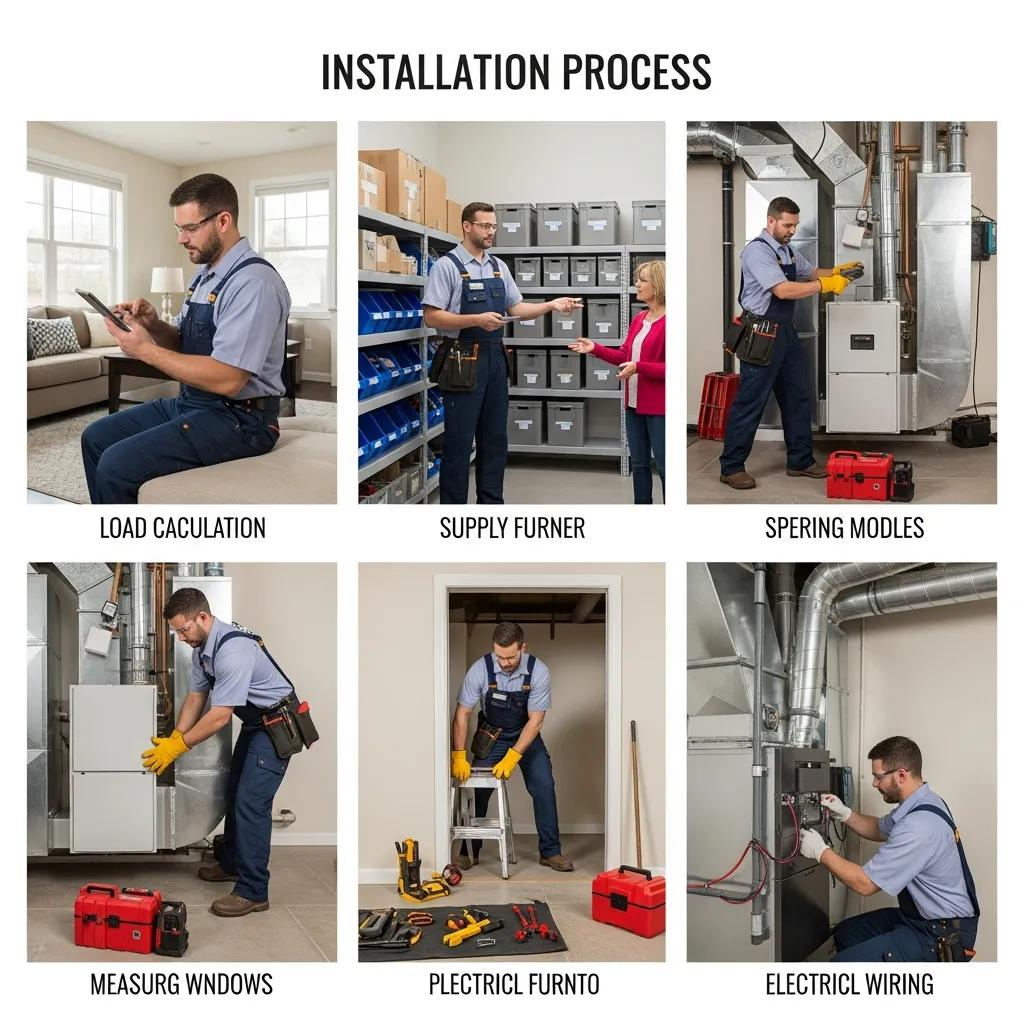
We follow a clear, safety-first process: consultation and load calculation, equipment selection and quote, professional installation and testing, then commissioning with warranty registration. This structure minimizes mismatches between system capacity and home needs, ensures code-compliant fuel handling and venting, and verifies performance through testing. The steps below give a quick, featured-snippet style outline so you know what to expect.
- Consultation and Assessment: A technician surveys your home, checks insulation and ductwork, and runs a load calculation to size the furnace correctly.
- Equipment Selection and Quote: We recommend models with the right AFUE and provide a clear, written estimate.
- Installation and Safety Checks: Technicians install the unit, connect fuel and venting, and perform combustion and carbon monoxide safety tests.
- Testing and Commissioning: We balance the system, calibrate thermostats, and verify performance before we leave.
- Post-Install Support: We register warranties, schedule maintenance if you want, and give you documentation about the install.
This step-by-step approach reduces the risk of undersized or oversized systems and helps ensure reliable, efficient operation after installation. It prepares homeowners for each phase of the project so there are no surprises.
Introductory table: the table below outlines installation phases, the main action at each stage, and the homeowner value delivered.
What Steps Are Involved in Consultation and Sizing?
A consultation starts with a home survey: square footage, insulation levels, window types, and the condition of existing ductwork. We usually run a Manual J load calculation to size the furnace correctly. Proper sizing prevents short-cycling and ensures the heat exchanger and blower match your home’s heat loss. We’ll also check duct leakage and register placement, which affect airflow and comfort. You’ll get a written estimate that lists recommended equipment, expected performance, and any suggested duct or insulation improvements.
Knowing these preliminary measures helps you compare bids fairly and verify that quoted equipment actually suits your heating load. That clarity reduces surprises and helps prioritize upgrades for better efficiency.
How Is Professional Installation and Testing Conducted?
Professional installation follows manufacturer instructions for mounting, venting, fuel connections, and electrical integration. Combustion appliances require specific safety checks for carbon monoxide and vent performance. Our techs perform airflow balancing, thermostat calibration, and AFUE or combustion-efficiency checks when applicable to ensure the system meets rated performance. Final commissioning includes a homeowner walkthrough and warranty registration. Proper documentation of tests and adjustments supports later maintenance and any warranty claims.
These testing steps prevent common post-installation issues like drafts, uneven heat, and premature component wear, and they provide measurable proof that the system meets expectations.
When Should You Consider Furnace Replacement in Greenville, SC?
Replacement makes sense when age, repeated breakdowns, rising energy bills, or significant comfort problems outweigh the cost of repairs. A smart decision weighs remaining lifespan, repair frequency, and the efficiency gap between your current unit and modern high-efficiency models. The checklist below lists clear red flags that usually indicate replacement is the better long-term option.
Replacement checklist — quick signs to consider:
- Your furnace is older than its typical lifespan for the fuel type and performance is declining.
- Repairs are frequent and getting more expensive — approaching a big fraction of replacement cost.
- Energy bills are climbing without changes in usage or weather.
- Rooms heat unevenly, drafts persist, or the unit is noisy and minor repairs don’t fix it.
When several items on this list apply, replacement often delivers better safety, comfort, and long-term savings than continuing to repair an aging system.
What Are the Signs Your Furnace Needs Replacement?
Common signs include frequent breakdowns, visible rust or heat-exchanger damage, carbon monoxide alarm events (after confirmed safety checks), and rising utility bills despite maintenance. Age is a key factor — many gas furnaces reach the end of useful life after 15–20 years — but efficiency drop and repair frequency matter just as much. Strange noises, uneven room temperatures, and repeated ignition or cycling problems also point toward replacement. When repairs pile up, a new system can restore comfort and lower operating costs.
A prompt professional inspection will tell you whether a repair will restore reliable operation or whether replacement makes more sense. Weigh repair costs against replacement savings and available rebates when deciding.
How to Decide Between Repair and Replacement?
A practical rule of thumb: compare the repair cost to a share of replacement cost and factor in the unit’s age and reliability. If a repair is a significant portion of replacement price on an older unit, replacement is usually the better choice. Consider expected remaining life after repair, the efficiency gain with a new furnace, and safety concerns like a compromised heat exchanger. Sometimes an emergency repair buys time to plan a replacement; other times recurring repairs signal imminent failure. Don’t forget rebates and financing when you evaluate total affordability.
Making a data-driven decision — using repair estimates, expected longevity, and projected energy costs — helps align the outcome with your priorities for comfort, safety, and budget.
What Are the Costs, Financing Options, and Rebates for Furnace Installation in Greenville?
Installation cost depends on system type, efficiency, required ductwork work, and labor complexity. Typical total replacement ranges sit between moderate and higher tiers depending on equipment and add-ons. Factors that raise cost include venting upgrades, duct modifications, and choosing high-efficiency models. The table below breaks down common cost components and ranges so you can see where the dollars go.
How Much Does New Furnace Installation Typically Cost?
For many Greenville homes, new furnace installation typically runs between $3,500 and $8,000, with high-efficiency systems and complex ductwork pushing the price higher. Major drivers are system type (gas, electric, or heat pump), AFUE rating, any required venting changes, and whether ducts need sealing or resizing. Labor costs reflect the work involved with fuel connections, venting, and commissioning tests. When comparing bids, ask for itemized estimates that separate equipment, labor, and ductwork so you can see where prices differ.
What Financing and Local Rebates Are Available to Greenville Homeowners?
Several incentive paths can lower out-of-pocket cost: federal credits (where applicable, such as some 25C credits) and local utility rebates from providers like Duke Energy or Dominion Energy depending on current programs. Incentives vary by equipment type, efficiency threshold, and required documentation, so verify program rules and deadlines before you buy. MD Heating & Air Conditioning offers financing and free estimates to help homeowners compare options and plan projects. A free estimate shows equipment choices, estimated payback, and financing alternatives tailored to your property.
Combining rebates and financing can make higher-efficiency equipment more affordable and shorten the payback period, so include incentive research during the evaluation stage.
How Can Proper Furnace Installation Improve Energy Efficiency and Home Comfort?
A proper installation delivers real energy savings, more even heating, better indoor air quality, and longer system life by ensuring correct sizing, sealed ductwork, and properly matched controls. A well-installed high-efficiency furnace with the right blower and a calibrated thermostat reduces cycling and improves comfort while maximizing AFUE-rated savings. Benefits also show up in indoor air quality through correct filtration and balanced airflow that reduces dust and humidity issues. The list below highlights the main installation-driven improvements homeowners typically see.
- Energy Savings: Right sizing and high AFUE equipment cut fuel use.
- Comfort: Balanced airflow reduces hot and cold spots throughout the home.
- Air Quality: Proper filtration and sealed ducts lower circulating particles.
- Longevity: Correct airflow and reduced cycling extend component life.
Good installation links directly to better performance and homeowner satisfaction — professional workmanship is central to any efficiency plan.
What Energy Savings Can You Expect from a New Furnace?
Upgrading to a modern high-efficiency furnace can yield noticeable fuel savings versus older units — roughly 20–30% lower fuel use is possible depending on your previous equipment and home conditions. Actual savings depend on the starting AFUE, correct sizing, duct leakage, and thermostat strategy; sealing ducts and optimizing controls are often necessary to realize full savings. For example, replacing a 70% AFUE furnace with a 95% AFUE model significantly reduces the fuel needed to produce the same heat, which shows up as lower monthly bills.
Combining equipment upgrades with duct sealing and a programmable thermostat typically increases savings and shortens payback time.
How Does Installation Affect Indoor Air Quality and Comfort?
Installation quality affects indoor air in several ways: proper filter selection, balanced supply and return pathways, and minimized duct leakage all reduce dust and contaminants entering living spaces. Correct airflow and zoning cut down on drafts and temperature swings, and properly installed filtration and ventilation lower particulate circulation. After installation, routine maintenance and optional IAQ services like filter upgrades or duct cleaning preserve these benefits so comfort stays consistent over the system’s life. Prioritizing both equipment and duct integrity delivers the best results for comfort and air quality.
If you’re ready to move forward, MD Heating & Air Conditioning offers free estimates and financing help to evaluate options and plan installations that meet your comfort, efficiency, and budget goals. Our NATE-certified technicians will assess your home, recommend the right equipment (gas, electric, or heat-pump options), and perform safe, code-compliant installations with post-install testing and warranty paperwork. For details on financing, rebates, or to schedule a free estimate, contact MD Heating & Air Conditioning or check our Google Business Profile for reviews and service information.
How Does Installation Affect Indoor Air Quality and Comfort?
Proper installation reduces drafts and uneven temperatures by ensuring balanced airflow and correct register placement, improving comfort throughout the home. Duct sealing and correct filter integration improve filtration effectiveness and cut airborne particles, while precise thermostat setup avoids unnecessary cycling that can affect humidity and comfort. Post-install maintenance and optional IAQ services help keep these gains intact season after season. By focusing on both the furnace and the ductwork during installation, homeowners get measurable improvements in daily comfort and long-term system performance.
This completes our detailed look at furnace options, the installation process, replacement indicators, costs, and the measurable benefits of professional installation tailored to Greenville-area homes.
Frequently Asked Questions
What should I consider when choosing a furnace type for my home?
Think about fuel availability, efficiency ratings, and your home’s insulation. Gas furnaces heat quickly and tend to be cost-effective where gas is available. Electric furnaces are simpler to install and maintain. Heat pumps can heat and cool and work best in moderate climates. Also consider long-term operating costs and the initial investment for each option so you choose the best fit for your needs.
How can I improve the efficiency of my existing furnace?
Improve efficiency with regular maintenance: change filters, seal ductwork, and ensure proper airflow. A programmable or smart thermostat helps optimize heating schedules. Insulating your home and sealing drafts reduces heat loss so your furnace runs less. These steps lower energy use and extend equipment life.
What are the benefits of scheduling regular furnace maintenance?
Regular maintenance improves efficiency, extends equipment life, and keeps your system safe. Inspections catch small issues before they become big repairs. Cleaning components and checking for leaks ensures safe, reliable operation. A well-maintained furnace runs more efficiently, which can lower energy bills and keep your home comfortable.
How do I know if my furnace is operating efficiently?
Watch your energy bills for unexplained increases and listen for unusual noises or frequent cycling. Check the furnace’s AFUE rating — modern units are typically above 90%. If your unit is old or needs frequent repairs, it may be time to consider replacement. Uneven heating or strange sounds are also signs to request a professional check.
What financing options are available for furnace installation?
Financing options include personal loans, credit cards, and contractor financing plans that spread payments over time. Many HVAC companies — including MD Heating & Air Conditioning — offer financing to make installations manageable. Also ask about utility rebates and tax credits that can lower upfront cost. Always compare terms before choosing a plan.
Are there any local rebates for upgrading to a high-efficiency furnace?
Yes. Local utilities and government programs often offer rebates for high-efficiency equipment. In Greenville, providers like Duke Energy or Dominion Energy may have incentive programs depending on eligibility and program dates. Check with your utility for current offerings and requirements so you can claim available savings.
What should I do if my furnace is making strange noises?
Unusual sounds — rattling, banging, or squealing — can mean loose parts, a failing blower, or heat-exchanger issues. Don’t ignore them. Contact a qualified HVAC technician for a prompt inspection. Addressing noises early prevents bigger problems and helps keep your system safe and efficient.
Conclusion
Professional furnace installation in Greenville, SC, delivers better energy efficiency, more consistent comfort, and improved indoor air quality. Choosing a trusted local contractor like MD Heating & Air Conditioning means expert guidance, transparent pricing, and dependable service. Don’t wait until winter — take action now to protect your home’s heating. Contact us for a free estimate and personalized options that match your needs and budget.