
Indoor Air Quality Solutions in Greenville, SC — Breathe Easier with MD Heating & Air
Indoor air quality (IAQ) describes the mix of particles, gases, biological contaminants, and humidity inside your home that affects health, comfort, and HVAC performance. In Greenville, seasonal pollen and summer humidity make mold and allergens more likely — which is why understanding IAQ here matters. This guide explains what IAQ means for Greenville homeowners, identifies common issues like pollen, mold spores, VOCs, and dust, and lays out practical fixes: whole-home air purifiers, in-duct UV-C, dehumidifiers, duct cleaning, and targeted IAQ testing. You’ll learn how each option works, what to expect from professional installation and upkeep, and how testing helps create a tailored plan to cut allergies, odors, and wasted energy. Ready to act? MD Heating & Air Conditioning provides local expertise and free IAQ consultations — schedule a free consultation to review options built for your Greenville home.
What Is Indoor Air Quality and Why Does It Matter in Greenville Homes?
Indoor air quality (IAQ) measures airborne particles, gases, biological contaminants, and relative humidity that affect health and comfort. These factors influence allergen exposure, breathing irritation, and how efficiently your HVAC runs. In Greenville, tree and grass pollen seasons and high summer humidity raise the chance of mold and dust-mite activity, which can make asthma and allergy symptoms worse. Knowing the basic controls — filtration for particles, UV or germicidal treatments for microbes, and humidity control to slow mold — helps homeowners prioritize fixes that reduce symptoms and energy waste. Below are the main regional pollutants to watch and why they show up in Greenville homes.
What Common Pollutants and Allergens Affect Greenville Residents?
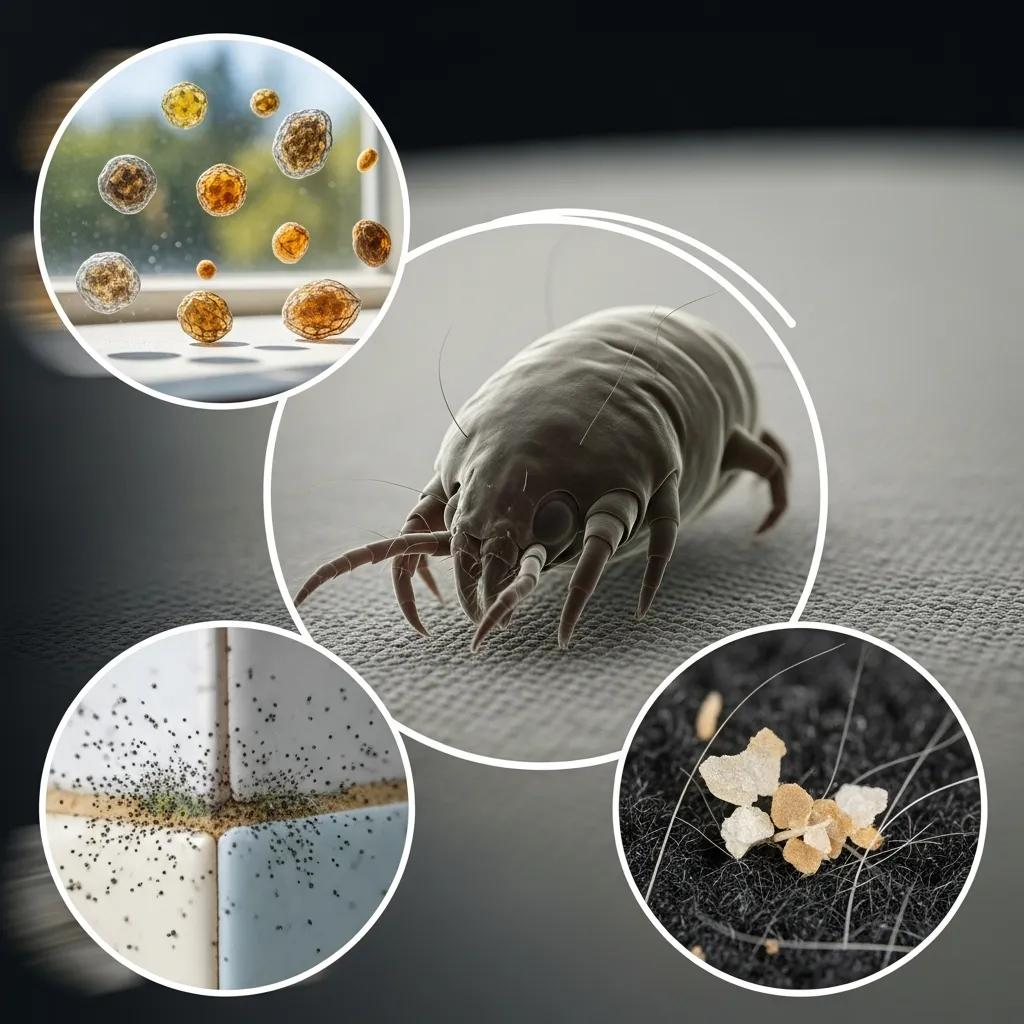
Greenville homes face a mix of biological and chemical indoor pollutants that change with the seasons and household activities. Tree and grass pollen peak in spring and early summer (and again in fall) and enter through open windows and HVAC intakes. Mold spores thrive in warm, humid months and can grow on damp surfaces and in poorly ventilated crawl spaces. Dust mites multiply when indoor humidity is higher and feed on skin flakes. Pet dander and household dust build up without effective filtration or regular cleaning. VOCs (volatile organic compounds) come from paints, cleaners, and new furnishings and can cause odors and irritation. Upgrading to MERV-rated filters, boosting ventilation, and keeping humidity in check are practical first steps to reduce these pollutants and improve indoor air.
What Are the Signs of Poor Indoor Air Quality in Your Home?
You can often spot IAQ problems early by looking for recurring signs that point to contamination or excess moisture. Recognizing these signs helps you act before problems get worse.
- Persistent allergy symptoms — sneezing, itchy eyes, or more asthma attacks that get better when you leave the house — suggest indoor allergen buildup.
- Musty odors, visible mold, or repeat damp spots signal microbial growth from excess humidity or water intrusion.
- Heavy dust on surfaces and vents or filters that clog quickly point to weak filtration or duct contamination.
- Condensation on windows or walls and a muggy feeling indoors suggest relative humidity is too high and you may need dehumidification.
If more than one of these signs shows up, consider professional IAQ testing to identify specific contaminants and guide an effective remediation plan.
Which Indoor Air Quality Solutions Does MD Heating & Air Offer in Greenville, SC?
Effective IAQ work combines filtration, germicidal treatments, humidity control, duct maintenance, and testing. MD Heating & Air offers local services to implement each strategy. Whole-home air purifiers and higher-MERV filters cut particle and allergen loads. UV-C in-duct systems attack microbial growth on coils and in the airflow. Whole-house dehumidifiers keep relative humidity in check to limit mold and dust mites. Professional duct cleaning removes dust and biological buildup from your distribution system. IAQ testing finds the specific contaminants so we can match solutions to your home. The table below compares common IAQ options, what they address, and typical homeowner benefits to help prioritize investments for Greenville homes.
This comparison makes clear which technologies address specific local concerns and helps you decide which strategies to combine for the best outcome.
How Do Whole-Home Air Purifiers Improve Air Quality?
Whole-home air purifiers integrate with your existing HVAC system to capture airborne particles as air circulates. They work by forcing return air through high-efficiency media or electronic collection cells. Filters are rated by MERV: higher MERV captures smaller particles, including many allergens. Using a higher-MERV filter or an in-duct purifier typically leads to fewer allergy episodes, less dust on furniture, and longer intervals between filter changes — making whole-home purification a cost-effective core strategy. Proper sizing, the right filter choice, and professional installation ensure you remove particulates without compromising airflow or wasting energy.
What Are the Advantages of UV Light Air Purifiers?
UV-C air purifiers expose air and HVAC surfaces to germicidal UV wavelengths that inactivate bacteria, viruses, and mold spores. They’re most effective against living biological contaminants rather than inert particles. UV systems are especially useful when coil or drain pan microbial growth is present because they reduce colonization that harms coil performance and causes musty smells. Used with good airflow and regular maintenance, UV-C helps stop microbes from re-entering the home and keeps system surfaces cleaner. UV-C works best as part of an integrated IAQ plan rather than as a lone solution.
How Can Dehumidifier Installation Help Control Humidity and Mold in Greenville Homes?
Controlling indoor relative humidity is a key IAQ strategy in humid climates like Greenville. Moisture is the main driver of mold growth, dust mite reproduction, and lingering musty odors that affect health and comfort. Properly sized whole-house dehumidifiers keep indoor humidity in the recommended 30–50% range, which slows mold spore germination and reduces conditions that support allergens. Professional installation makes sure the unit has the right capacity, placement, and HVAC integration so it performs efficiently across seasons without short-cycling. The table below compares common dehumidifier types and where each makes the most sense for typical Greenville situations.
Proper sizing and installation prevent undersized units that can’t control humidity or oversized units that waste energy. For Greenville’s humid climate, an integrated whole-house solution usually gives the most consistent results.
Why Is Humidity Control Critical for Indoor Air Quality in South Carolina?
South Carolina’s warm, humid weather often pushes indoor relative humidity above recommended levels. Prolonged high humidity supports mold growth on building materials and increases dust mite populations — both of which worsen respiratory symptoms. Keeping indoor RH around 30–50% reduces mold viability and curbs dust mite reproduction, lowering allergen levels and related health complaints. Signs such as window condensation, repeated musty smells, or damp insulation should trigger a humidity check and, if needed, dehumidification. Addressing moisture problems early protects health and prevents costly structural or mold remediation later.
What Are the Benefits of Professional Dehumidifier Installation?
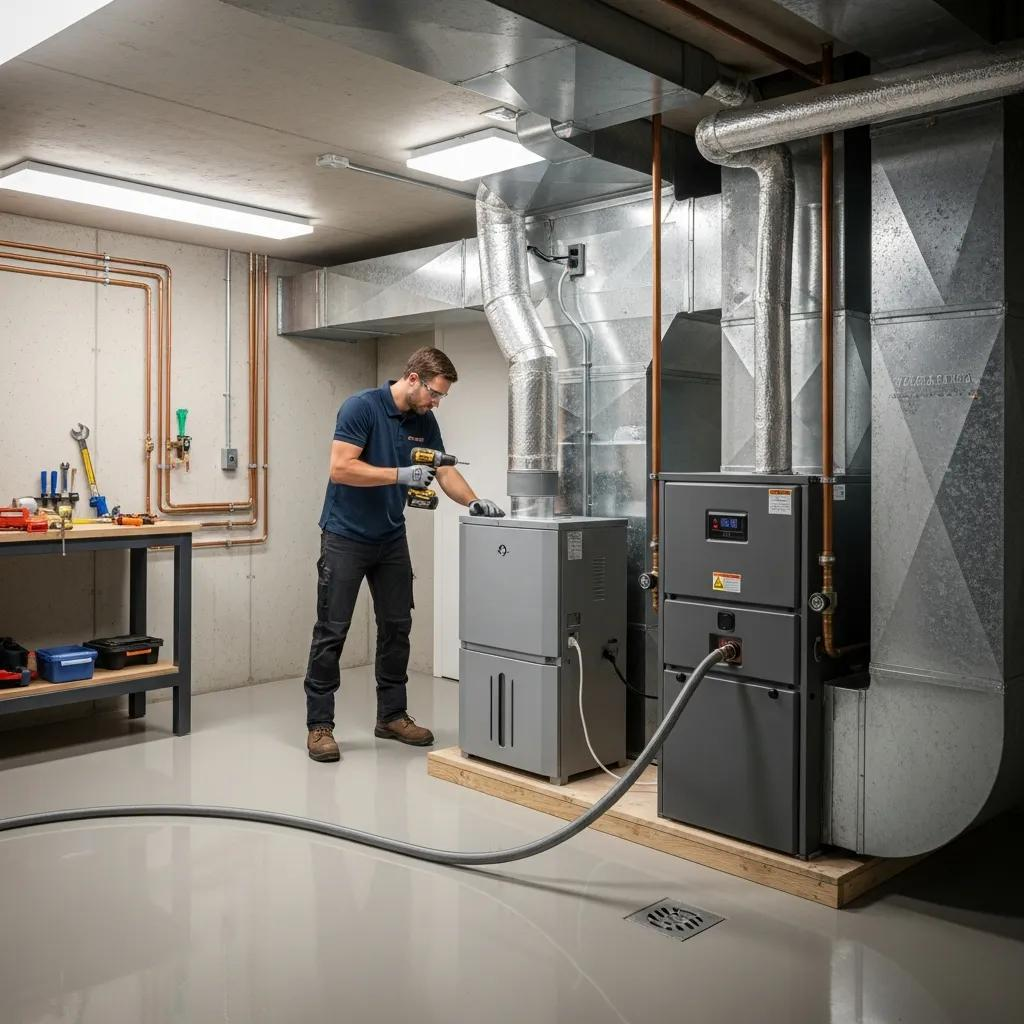
Professional installation ensures accurate load calculations, the right unit choice, and correct integration with ductwork and drainage so the system works reliably and keeps warranties intact. A technician assesses square footage, construction type, and moisture sources to size the unit, and they confirm condensate removal and electrical needs to avoid leaks or failures. Proper placement and controls (for example, a humidistat tied into your HVAC) keep humidity steady without extra runtime, improving comfort and lowering energy use. A professionally installed system also includes commissioning and maintenance guidance so you get lasting moisture control and avoid expensive mold repairs.
Why Is Air Duct Cleaning Essential for Maintaining Healthy Indoor Air?
Ducts distribute conditioned air through your home, and when they collect dust, pollen, pet dander, or microbial growth they can become secondary sources that recirculate contaminants. Cleaning ductwork removes settled debris that may harbor allergens and microbes, helping filters work better and often restoring airflow reduced by buildup. Regular inspections and targeted cleaning after events like renovations, pest intrusion, or visible mold prevent contaminants from affecting occupants’ health and can improve HVAC efficiency by lowering airflow resistance. The list below shows how duct contamination affects IAQ and when cleaning is most useful.
- Obstructed ducts reduce airflow, increasing system runtime and energy use.
- Disturbed dust and biological material in ducts blow back into living spaces and lower indoor air cleanliness.
- Cleaning after water intrusion, mold discovery, or renovations prevents long-term contamination and reduces exposure risk.
When duct cleaning is combined with filter upgrades and proper humidity control, homeowners usually notice cleaner vents, fewer allergy symptoms, and better system performance.
How Does Air Duct Cleaning Reduce Dust, Allergens, and Improve HVAC Efficiency?
Duct cleaning uses mechanical agitation and high-efficiency collection tools to remove built-up dust, debris, and biological deposits, shrinking the reservoir of particles that would otherwise recirculate each time the system runs. Clearing obstructions and contaminants from duct surfaces and registers can restore more even airflow, helping the HVAC heat and cool with less runtime. Removing dust and allergens also lowers particulate counts in the home, which benefits people with allergies or respiratory sensitivities. To keep gains, pair cleaning with better filtration and humidity control so ducts don’t quickly re-accumulate contaminants.
When Should Greenville Homeowners Schedule Air Duct Cleaning?
Schedule duct cleaning when specific triggers suggest contamination or when IAQ symptoms persist despite other measures. Timing depends on events and visible signs rather than a fixed calendar interval. Key triggers include recent renovations that produced construction dust, evidence of pests or nesting, visible mold growth inside ducts or on HVAC components, and unexplained allergy spikes that ease when you leave the house. Routine inspection every few years is a good practice, but act quickly after moisture intrusion or visible contamination to prevent spread. When unsure, pair a visual inspection with IAQ testing to decide whether cleaning, remediation, or another step is needed.
What Is Indoor Air Quality Testing and How Does It Help Greenville Homeowners?
IAQ testing measures airborne particulates, microbial counts, VOC levels, humidity, and other parameters to quantify contaminants and pinpoint sources. Test results guide targeted remediation. Common tests include particle counts for PM2.5 and PM10, air sampling for mold spore identification, VOC screening for chemical pollutants, and continuous monitoring for humidity and CO2. Matching test results to solutions — for example, upgrading filtration for high particulate loads or adding dehumidification for elevated humidity — reduces guesswork and helps homeowners prioritize fixes that produce measurable improvements. The table below summarizes common IAQ test targets, typical sources, and why they matter.
Interpreting test results takes experience to link numbers with practical next steps; testing is especially valuable when symptoms persist or when planning targeted upgrades.
What Contaminants and Pollutants Are Detected During IAQ Testing?
IAQ testing can detect particulates (PM2.5 and PM10), mold spore counts and species, VOC concentrations, and humidity or CO2 levels that indicate ventilation performance. Different samples use particle counters for particulates, spore traps or culture methods for mold, specific sampling for VOCs, and data logging for humidity. High particulate counts usually point to filtration upgrades or source control. Elevated mold spores require moisture investigation and possible remediation. Significant VOC readings suggest source elimination and increased ventilation, sometimes paired with activated carbon filters. If tests show immediate health risks — for example, very high mold or VOC levels — prioritize remediation and follow-up testing after fixes.
How Does IAQ Testing Inform Tailored Air Quality Solutions?
IAQ testing creates a clear decision map: measured contaminants point to the most effective controls so you invest where it matters. High fine-particulate counts often lead to higher MERV filters or whole-home purifiers. Elevated mold spores and humidity recommend dehumidifiers, surface remediation, and possibly UV-C to suppress regrowth. VOC detections usually require finding and removing the source, improving ventilation, and considering activated carbon filtration. Professional interpretation turns test data into an integrated plan — combining filtration, UV, dehumidification, duct cleaning, and ventilation changes — so each measure supports the others and delivers measurable IAQ gains.
Why Choose MD Heating & Air Conditioning for Indoor Air Quality Solutions in Greenville, SC?
MD Heating & Air Conditioning is a family-owned, local HVAC company serving Greenville County with a focus on practical, whole-home IAQ solutions. We emphasize trained technicians, clear pricing, and responsive local service. Our NATE-certified techs know equipment selection, proper installation, and diagnostic testing so systems deliver the benefits you expect and keep performing over time. MD Heating & Air offers 24/7 emergency service, free estimates, and financing options to make upgrades more accessible. Working with a nearby provider means faster assessments and consistent maintenance — a simple way to keep your indoor air healthy year after year. Ready to move from diagnosis to action? Schedule a free IAQ consultation with MD Heating & Air to arrange testing, get a transparent estimate, and start a prioritized plan for cleaner air.
How Do NATE-Certified Technicians Ensure Quality IAQ Services?
NATE-certified technicians bring verified training and hands-on skills that improve equipment selection, installation accuracy, and post-installation verification. Certification shows they understand airflow dynamics, filter selection by MERV, UV placement, and dehumidifier sizing — all factors that affect allergy relief and mold control. Certified pros also perform on-site testing and commissioning to confirm airflow, pressure balance, and humidity targets are met, which helps preserve warranties and maximize long-term performance. Homeowners benefit from fewer callbacks, better-performing systems, and clear maintenance guidance.
What Makes MD Heating & Air a Trusted Local IAQ Provider?
Our local, family-owned approach means accountability, community focus, and customer-friendly policies that lower barriers to IAQ improvement. Combined with NATE-certified technicians, free estimates, 24/7 emergency responsiveness, and financing, this makes technical competence accessible to Greenville homeowners. Choosing a nearby provider delivers faster assessments and consistent follow-up service, helping sustain air quality improvements over time. Want an expert evaluation and a clear path to cleaner indoor air? Contact MD Heating & Air to request a free IAQ consultation and start a tailored plan for your home.
Frequently Asked Questions
What are the health effects of poor indoor air quality?
Poor indoor air quality can cause or worsen respiratory issues. Common short-term symptoms include allergies, asthma flare-ups, headaches, and fatigue. Long-term exposure to contaminants like mold spores and VOCs can contribute to chronic health problems. Young children, older adults, and people with existing respiratory conditions are especially vulnerable. Improving IAQ with filtration, humidity control, and regular maintenance can meaningfully improve health and comfort at home.
How often should I have my indoor air quality tested?
We recommend IAQ testing at least once a year if you have ongoing concerns, and anytime you notice persistent allergy symptoms or health changes. Also test after major events such as renovations, water damage, or pest infestations. Regular testing identifies specific contaminants and helps prioritize the most effective fixes.
Can I improve indoor air quality without professional help?
Yes — simple steps like regular cleaning, using good-quality air filters, and controlling humidity help. But for thorough diagnosis and long-term solutions, professional help is often worthwhile. Technicians can run IAQ tests, find hidden sources, and recommend integrated solutions. For significant mold, major duct contamination, or complex ventilation issues, professional intervention is the safest route.
What role does ventilation play in indoor air quality?
Ventilation dilutes and removes indoor pollutants by bringing in fresh outdoor air and expelling stale indoor air. Good ventilation lowers concentration of allergens, VOCs, and other contaminants. Poor ventilation can trap moisture and pollutants, worsening IAQ. Homeowners should ensure existing systems work properly or consider mechanical ventilation when needed.
Are there specific air quality solutions recommended for Greenville’s climate?
Yes. Greenville’s humid climate makes whole-house dehumidifiers particularly helpful to control moisture and prevent mold and dust mite growth. UV-C systems can help control microbial contamination, and high-MERV filters capture pollen and fine particulates. Tailoring solutions to local climate conditions gives the best results for comfort and health.
What should I do if I notice mold in my home?
If you find mold, act promptly. First, stop the moisture source that’s feeding the mold. For small areas you may clean safely, but for larger or hidden infestations seek professional remediation. Arrange IAQ testing to assess contamination and guide remediation steps. Ongoing humidity control and maintenance will help prevent recurrence.
Conclusion
Cleaner indoor air in Greenville starts with understanding the local drivers — pollen, humidity, and household sources — and choosing the right combination of filtration, UV, dehumidification, duct cleaning, and testing. These measures improve health, comfort, and HVAC efficiency. MD Heating & Air Conditioning offers local assessments and professional installations to help you get measurable results. Schedule your free IAQ consultation today and take the first step toward healthier air at home.