

Fast, Dependable Heating Repair Near You — Greenville, SC
When your home heating stops working in Greenville, you need a quick, professional fix that restores comfort and keeps your family safe. This guide walks you through common failure modes, the early signs to watch for, and simple, safe checks you can do before calling a technician. You’ll also find a clear overview of the repair process, practical guidance on when to repair vs. replace, and a maintenance plan suited to Greenville’s climate to cut emergency visits and long‑term costs. Below we cover typical problems and symptoms, reasons local homeowners choose MD Heating & Air Conditioning for fast service, the step‑by‑step repair workflow, an easy repair vs. replacement framework, preventative maintenance tips and savings, and simple scheduling steps to get help near you. By the end, you’ll know what immediate actions to take during a heating failure, what the technician will do, and how to reduce downtime with routine care and informed choices.
Which Heating System Problems Happen Most Often in Greenville, SC?
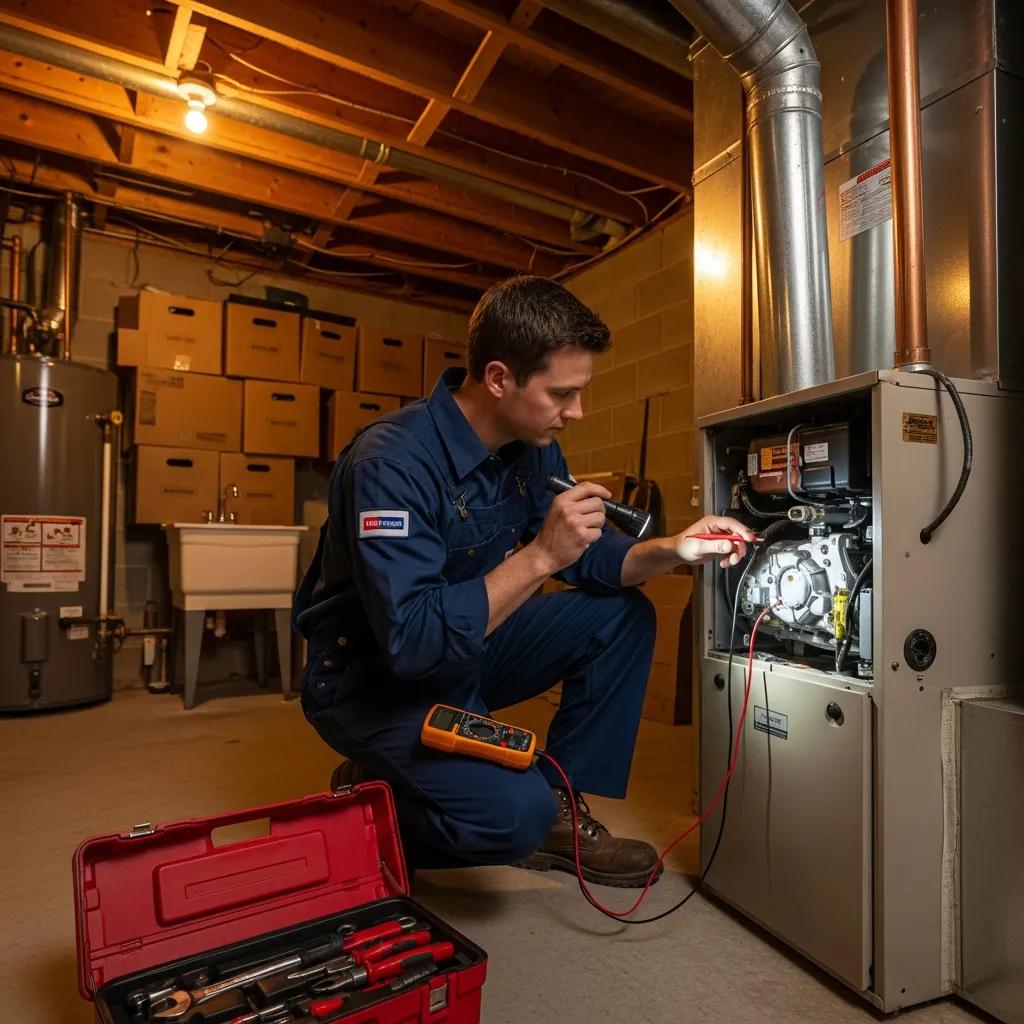
In Greenville, heating problems usually cluster into a few familiar groups: furnace ignition or fuel issues, heat‑pump refrigerant and defrost faults, blocked airflow, thermostat or control failures, and wear on components like blower motors or ignition sensors. These problems often stem from normal wear, failed controls, or skipped maintenance, and they tend to show predictable symptoms homeowners can learn to spot. Knowing which symptom points to which likely cause helps you decide whether a quick, safe DIY check makes sense or whether to call in a pro. The short list below highlights the most common problem types and quick homeowner steps to try before escalating to a technician — the next section then looks closer at furnace impacts.
Common heating categories and quick homeowner checks:
- No heat: Verify thermostat settings, check circuit breakers, and inspect the air filter for blockage before you call.
- Uneven heating or cold spots: Look at supply registers, replace dirty filters, and consider possible duct issues if the problem continues.
- Strange noises or smells: Turn the system off and avoid use if you detect burning smells or harsh grinding — those need immediate attention.
These simple checks clarify when a professional diagnosis is required; the section below explains how furnace failures specifically affect comfort and safety.
How Do Furnace Problems Impact Home Heating?
Furnace issues usually show up as no heat, short cycling, loud mechanical sounds, or odors that suggest combustion or motor trouble. Ignition failures and dirty flame sensors commonly cause a lack of heat, while worn blower motors or belts can make squealing noises or reduce airflow. These faults reduce comfort and, when combustion is involved, can create safety risks. Homeowners can safely confirm thermostat settings, swap a clogged filter, and check the furnace power switch and breaker before calling for service — but if you smell gas or a persistent combustion odor, shut the system off and get professional help immediately. Spotting these signs early prevents secondary damage and helps the technician diagnose and fix the problem faster.
What Problems Do Heat Pumps Usually Have — and How Are They Repaired?
Heat pumps in Greenville can struggle with lower output in cool weather, visible ice build‑up on the outdoor unit, abnormal cycling, or low pressure from refrigerant leaks. Frequent causes include failed defrost controls, refrigerant loss from leaks, or reversing valve issues. Typical repairs restore defrost operation, locate and fix leaks with a certified recharge, or replace faulty control parts or compressors. Homeowners can clear debris around the outdoor unit and watch defrost cycles as a temporary measure, but refrigerant work and compressor service require certified technicians for safety and code compliance. Prompt attention restores efficiency and prevents being left without heat during cold snaps.
Use this table to match symptoms with likely causes so you can decide whether a safe DIY check is appropriate or if it’s time to call a technician.
Why Homeowners Trust MD Heating & Air for Same-Day Reliable Repairs
Fast diagnosis and local parts availability shorten downtime and make heating failures less disruptive. MD Heating & Air Conditioning serves Greenville homeowners with same‑day appointments and 24/7 emergency service to get heat back on quickly. We provide transparent estimates with no hidden fees and send skilled technicians who take pride in quality work — helping you choose the best path between repair and replacement. Local teams arrive with stocked trucks, know common area system types, and follow safety procedures during emergency calls. The next section shows how that local expertise speeds diagnosis and repair.
How Local Knowledge Speeds Up Repairs in Greenville County
Technicians who regularly work in Greenville recognize patterns tied to local climate, typical equipment, and common installation details. That experience helps them bring the right parts and tools for many same‑day fixes. Efficient routing, familiarity with neighborhood homes, and a stocked service inventory reduce travel time and improve first‑visit repair rates — meaning faster restoration and fewer repeat visits for you. Choosing a local specialist often shortens the time between your call and a fully restored heating system.
Which Emergency Heating Services Are Available 24/7 Near You?
Emergency service covers urgent situations like sudden total heat loss, suspected carbon monoxide, or systems that present immediate safety risks such as burning smells or electrical sparking. A reliable emergency response begins with phone triage, prioritized dispatch of a trained technician, temporary safety measures to protect occupants, and a clear diagnostic summary with repair or replacement options. Emergency calls may include temporary heating solutions, safety monitoring, and an upfront estimate before major repairs proceed. Knowing what to expect during an emergency call reduces stress and helps you provide the details that speed response and resolution.
How the Heating Repair Process Works at MD Heating & Air
We follow a clear, step‑by‑step repair process so you know what to expect: scheduling and triage, on‑site diagnosis, estimate and approval, repair and testing, and post‑service follow‑up. At scheduling, share symptoms, system model if you have it, and access details so the technician arrives ready. The diagnosis includes safety checks and component tests with a plain‑language explanation of findings. After you approve the estimate, we perform repairs with quality parts, fully test the system, and document the work with recommendations for next steps. The subsections below explain scheduling and how repairs are verified.
Typical repair workflow homeowners should expect:
- Schedule and triage: Tell dispatch the symptoms and access instructions so the right technician can be assigned.
- On‑site diagnosis: The technician completes safety checks, tests components, and isolates the root cause before recommending solutions.
- Estimate and approval: You receive a clear written estimate and work begins only after you give consent.
These steps set expectations for homeowners and outline what the technician will do during the visit.
What to Expect When Scheduling and During Diagnosis
When you schedule, have your system model and age (if known), symptom details, and recent service history on hand to speed triage. Diagnosis starts with safety checks — combustion and carbon monoxide where applicable — then power verification and component testing to pinpoint the failed part or control. Depending on system complexity, diagnosis usually takes 30–90 minutes. MD Heating & Air emphasizes clear communication and provides a no‑surprises estimate before work begins so you can weigh repair versus replacement with confidence. Good scheduling creates a smoother visit and a faster fix.
How Repairs Are Completed and Tested
Repairs follow a standard progression: remove and replace the failed component with a compatible part, restore controls, and run comprehensive tests that check temperatures, pressures, airflow, and safety interlocks. Technicians recalibrate thermostats, confirm duct airflow, and verify combustion systems operate within safe limits where applicable. You’ll receive documentation of replaced parts and tests performed. After the job, the technician will explain what was done, any parts or labor warranties, and recommend preventive steps to reduce the chance of recurrence. This structured approach ensures reliable repairs and clear homeowner understanding.
When Is Repair the Right Choice — and When Should You Replace?
Choosing repair or replacement comes down to repair cost, system age, how often it breaks, and the energy savings a new system would deliver. A practical rule: if a single repair will cost more than about half the price of a new system — especially on an older unit with a history of problems — replacement often makes financial sense. If the system is relatively new and the issue is isolated, repair is usually the better option. Also factor in long‑term energy savings, Greenville’s climate needs, and available rebates or financing that can offset replacement costs. The following sections unpack the main cost drivers and how age and repair frequency affect the decision.
Key cost factors to consider:
- Parts and labor: Costs vary by system type and part availability, which affects the final repair price.
- Diagnostics and emergency premiums: After‑hours or expedited service typically increases the bill.
- Long‑term operating costs: Newer, efficient systems often cost less to run than older, inefficient ones.
Use these factors to estimate true costs and guide the repair vs. replacement choice.
What Drives the Cost of Repair vs. Replacement?
Repair costs come from replacement parts, technician labor time, diagnostic fees, and any emergency or after‑hours charges for quick service. Replacement costs include the equipment, installation labor, possible ductwork modifications, and disposal of the old unit; you should weigh those up against lifecycle savings from higher efficiency. Ask for a transparent estimate that breaks out parts, labor, and extra fees so you can compare repair quotes to replacement options and projected energy savings. Reputable providers often offer free or clear estimates that reduce uncertainty and help you plan.
How Do Age and Repair Frequency Affect the Decision?
System age is a strong predictor of remaining life: furnaces and heat pumps tend to show higher failure rates after typical manufacturer lifespans, and frequent repairs usually signal diminishing returns on continued fixes. If you’re doing multiple major repairs in a short time or efficiency is well below modern standards, replacement often lowers total cost of ownership by cutting energy use and emergency calls. Financing and local incentives can make upgrades more affordable; discuss those options during the estimate so you can plan a cost‑effective transition to a reliable new system.
This quick comparison helps you weigh likely outcomes for repair versus replacement.
How Preventative Maintenance Lowers Costs in Greenville
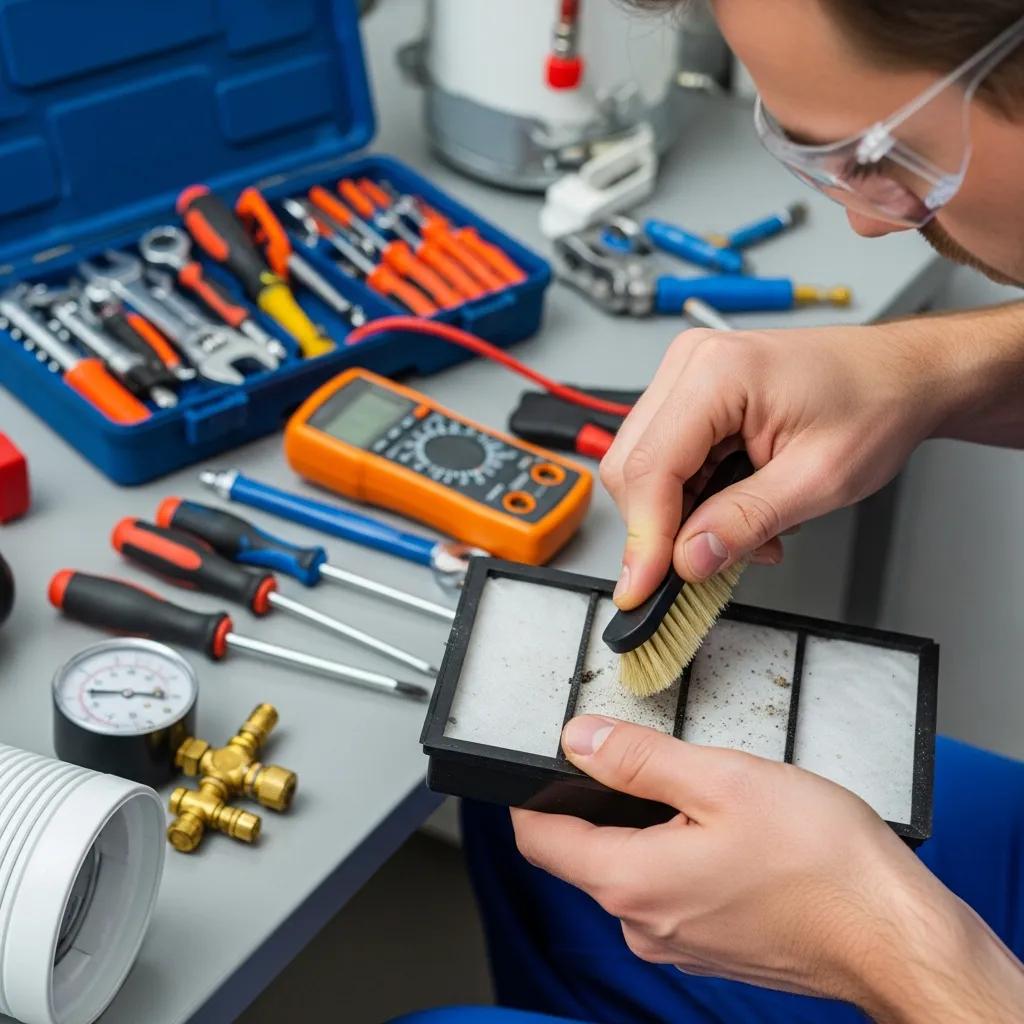
Regular preventative maintenance cuts emergency repairs, boosts efficiency, and extends equipment life by addressing wear before it becomes a failure. In Greenville, a pre‑season tune‑up can catch issues like restricted airflow, dirty burners, or failing motors before cold weather drives up demand. Preventative service also includes safety inspections for combustion systems and checks on thermostat and control accuracy — steps that reduce operating costs and avoid dangerous failures. The section below lists what a complete tune‑up covers and shows typical frequency and savings to help you choose the right maintenance plan.
Maintenance checklist and benefits:
- Filter replacement and airflow checks: Restores airflow, improves comfort, and reduces strain on system components.
- Electrical and safety inspections: Prevents electrical hazards and ensures safe operation, especially for combustion equipment.
- Lubrication and blower adjustments: Extends motor life and reduces noise and wear.
These routine tasks form the backbone of a maintenance plan that keeps systems reliable and energy‑efficient.
What’s Included in a Full HVAC Tune‑Up?
A comprehensive tune‑up inspects and services filters, the blower assembly, electrical connections, thermostats, combustion components where applicable, refrigerant charge on heat pumps, and accessible ductwork. Technicians clean burners, check ignition systems, run safety interlock tests, measure pressures and temperatures, and recommend corrective actions to optimize performance. Each task addresses a common failure mode — clean filters restore airflow, electrical checks prevent motor failures, and combustion analysis keeps fuel systems safe and efficient. Regular tune‑ups produce measurable efficiency gains and fewer emergency service calls over time.
These estimates show the typical scope and financial benefits of routine care so homeowners can see the value of preventative maintenance.
When Should You Schedule Seasonal Heating Care?
The best time for heating maintenance in Greenville is late summer to early fall, before sustained heating demand begins. Pre‑season service gives technicians time to address issues without the mid‑winter rush, ensures your system runs efficiently when you need it, and improves appointment availability. Proactive maintenance prevents many emergency calls and spreads service costs across the year instead of concentrating them during crises. Preparing your system before the heating season helps maintain comfort, reliability, and budget predictability.
How to Schedule Fast, Reliable Heating Repairs Near You
Scheduling fast heating repair is straightforward: pick a trusted provider, share system details and symptoms, request available arrival windows, and confirm access instructions so the technician comes prepared. For the quickest response, prioritize companies that offer same‑day appointments or 24/7 emergency dispatch and be ready to describe the system model, recent service, and the exact symptoms. Clear information reduces triage time and helps dispatch send the right technician with the right parts for a better chance at first‑visit resolution. The sections below list contact options for immediate help and explain how transparent estimates protect homeowners from surprise charges.
Steps to schedule service efficiently:
- Gather system info: Note the model, age if known, last service date, and detailed symptoms.
- Contact your preferred provider: Request same‑day or emergency response and provide access instructions.
- Confirm an arrival window: Ask for an estimated arrival time and what the technician will need to begin diagnosis.
Following these steps helps ensure the fastest, most prepared response to restore heating quickly.
How Can You Contact a Technician for Immediate Help?
Most local providers take phone calls for immediate triage and offer online scheduling forms for routine appointments; emergency dispatch is typically available for urgent no‑heat situations. When you call, be ready to describe symptoms, give system details, and note any household members with health vulnerabilities that increase risk during outages. Phone triage is usually fastest for emergencies, while online requests document details and can still secure same‑day visits when available. Clear initial information helps technicians bring the right parts and tools, reducing repair time and improving first‑visit success.
Do Providers Offer Free Estimates Before Repairs?
Many reputable providers offer free estimates for recommended repairs so homeowners can compare options without committing up front. A free estimate usually includes the diagnosis summary, a parts and labor breakdown, and warranty or guarantee details so you can approve work with confidence. If there’s a diagnostic fee, good providers explain whether it’s waived when you approve the repair to avoid double billing. Clear, written estimates empower homeowners to make informed decisions and plan for repairs or replacement with full cost visibility.
- Estimate transparency: A written estimate lists parts, labor, and any added fees so you can give informed consent.
- Approval before work: Technicians begin work only after homeowner approval to prevent surprise charges.
- Follow‑up and warranty: After the job you’ll receive documentation outlining warranties and recommended maintenance to keep your system reliable.