How to Install a Ductless Mini-Split: Steps, Costs & Pro Tips
Ductless mini-split systems are becoming increasingly popular for their efficiency and flexibility in heating and cooling homes. This comprehensive guide will walk you through the installation process, costs involved, and professional tips to ensure a successful setup. Understanding how ductless mini-split systems work and the benefits they offer can help homeowners make informed decisions about their HVAC needs. Many individuals struggle with inefficient heating and cooling solutions that lead to high energy bills and discomfort. Ductless mini-splits provide a solution by allowing for individual temperature control in different zones of a home. This article will cover the essential components of ductless mini-split systems, planning and preparation for installation, the installation process, costs in Greenville, SC, and the importance of professional installation.
What Is a Ductless Mini-Split System and How Does It Work?
A ductless mini-split system is a type of heating and cooling system that consists of indoor units connected to an outdoor compressor through refrigerant lines. It operates by allowing for individual temperature control in different zones of a home, providing efficient heating and cooling without the need for ductwork. The installation is less invasive compared to traditional central air systems, requiring qualified technicians to ensure optimal performance and compliance with local building codes. Ductless mini-splits are known for their high energy efficiency ratings, often resulting in significant energy savings over time.
Reflecting on the increasing adoption of these systems, research further details their fundamental components and operational principles.
Ductless Mini-Split Popularity & System Components
States, the ductless mini split system is gaining popularity in the market. The ductless mini split heat pump system consists of an outdoor unit that provides hot or cold refrigerant into a
A review of ductless mini split HVAC system, N Fumo, 2022
What Are the Key Components of a Ductless Mini-Split System?
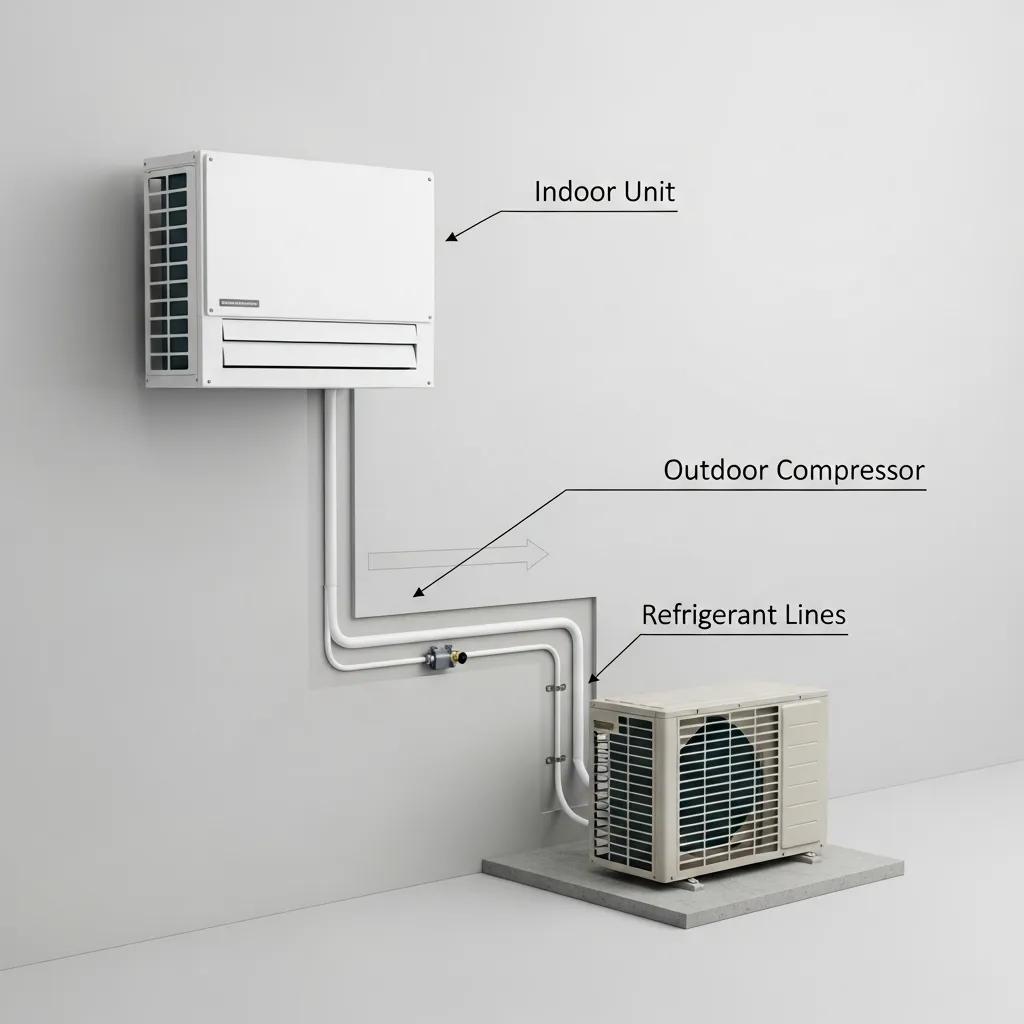
The key components of a ductless mini-split system include indoor units, an outdoor compressor, refrigerant lines connecting the two, and electrical connections. Proper placement of indoor units and zoning considerations are also critical for optimal performance. Each indoor unit can be controlled independently, allowing for customized comfort in different areas of the home.
What Are the Benefits of Using a Ductless Mini-Split for Home Climate Control?
The benefits of using a ductless mini-split for home climate control include:
- Energy Efficiency: Ductless mini-splits often have higher Seasonal Energy Efficiency Ratio (SEER) ratings compared to central air systems, leading to significant energy savings over time.
- Reduced Utility Bills: By opting for energy-efficient models, homeowners can lower their utility bills.
- Enhanced Comfort: Ductless systems provide consistent temperatures and even airflow, improving indoor comfort year-round.
- Less Invasive Installation: Installation typically requires less invasive work than traditional systems, resulting in reduced disruption.
- Zoning Capabilities: Ductless mini-splits allow for zoning, enabling effective temperature control in different areas of the home.
- Longer Equipment Life: Proper installation and maintenance can extend the lifespan of the system.
- Better Indoor Air Quality: Regular maintenance helps remove dust, allergens, and pollutants, contributing to cleaner air in the home.
Indeed, the energy-saving potential of ductless heat pump systems, particularly in existing homes, has been a subject of detailed study.
Ductless Heat Pump Energy Savings in Existing Homes
This paper aims to quantify the energy saving potential of ductless heat pump systems when they are installed in existing homes that have existing zonal HVAC equipment. Two zonal
Maximizing The Use Of Ductless Mini-split Systems In Residential Buildings With Existing HVAC Equipment In EnergyPlus., Z Pang, 2019
How to Plan and Prepare for Your Mini-Split Installation
To plan and prepare for your mini-split installation, consider the following steps:
- Choose Qualified Technicians: Ensure that the installation is performed by qualified technicians to maximize system efficiency and lifespan.
- Zoning Considerations: Plan the placement of indoor units strategically to ensure effective airflow and temperature control in designated spaces.
- Check Local Codes: Be aware of local building codes and regulations that may influence installation requirements to ensure compliance and safety.
- Mounting and Connections: The installation involves mounting indoor units, connecting them to the outdoor compressor through refrigerant lines, and setting up electrical connections.
- Evaluate Energy Efficiency: Consider energy-efficient models to reduce utility bills and contribute to sustainability.
By following these steps, you can ensure a successful mini-split installation.
How Do You Size a Mini-Split System for Your Home?
Sizing a mini-split system involves evaluating the square footage of the area to be cooled or heated, the insulation quality, and the local climate. A qualified technician can perform a load calculation to determine the appropriate size for your home, ensuring optimal performance and energy efficiency.
What Are the Best Locations for Indoor and Outdoor Unit Placement?
Optimal placement of indoor and outdoor units is crucial for system efficiency. Indoor units should be located in areas where airflow can circulate freely, while outdoor units should be placed in shaded, well-ventilated areas to avoid overheating. Proper placement minimizes energy consumption and maximizes comfort.
What Are the Essential Steps in the Professional Mini-Split Installation Process?
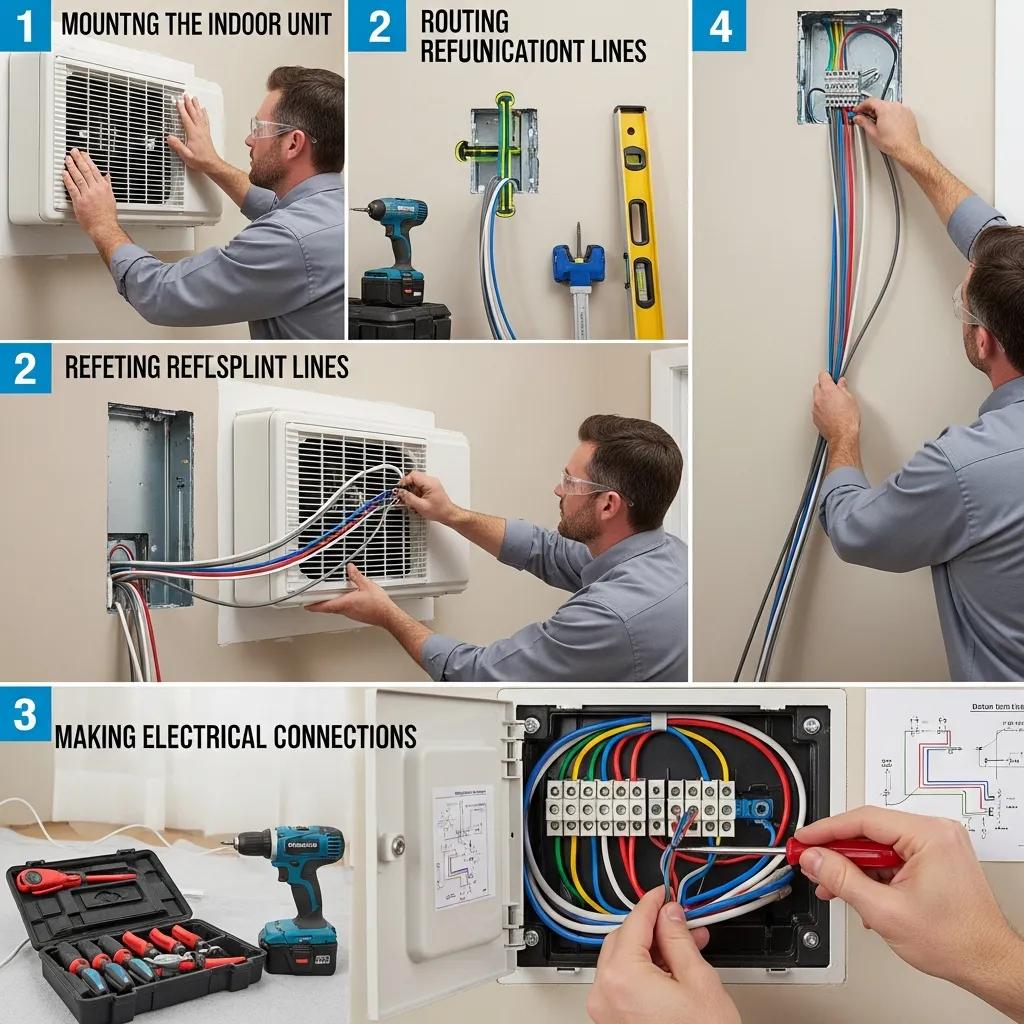
The essential steps in the professional mini-split installation process include:
- Mounting the indoor units.
- Connecting the indoor units to the outdoor compressor through refrigerant lines.
- Setting up electrical connections.
- Ensuring proper placement of indoor units for effective airflow and temperature control.
- Considering zoning requirements for optimal performance.
- Complying with local building codes and regulations.
It is crucial that the installation is performed by qualified technicians to maximize system efficiency and lifespan.
How Does MD Heating & Air Conditioning Conduct Consultation and Sizing?
MD Heating & Air Conditioning conducts consultations by evaluating the specific needs of the customer, which includes understanding home size, insulation quality, and local climate. They offer expert guidance to help customers choose the right HVAC system, such as central air conditioners, ductless systems, and heat pumps. Additionally, they provide free estimates on installations and major repairs, ensuring customers know what to expect before work begins.
What Are the Steps for Mounting Units, Routing Line Sets, and Electrical Connections?
The installation process involves several technical steps, including securely mounting the indoor units on walls or ceilings, routing refrigerant lines between the indoor and outdoor units, and making necessary electrical connections. Each step must be performed with precision to ensure system efficiency and safety.
How Much Does Ductless Mini-Split Installation Cost in Greenville, SC?
The cost of ductless mini-split installation can vary based on several factors, including the size of the system, the complexity of the installation, and local labor rates. Understanding these factors can help homeowners budget effectively for their installation.
What Factors Affect the Installation Cost?
Several factors can influence the installation cost of a ductless mini-split system:
- Labor Costs: The expertise and experience of the technicians can affect labor rates.
- Equipment Costs: The price of the mini-split system itself varies based on brand and efficiency ratings.
- Installation Complexity: More complex installations, such as those requiring extensive modifications to the home, can increase costs.
What Are the Typical Local Price Ranges and Financing Options?
In Greenville, SC, the typical price range for ductless mini-split installation is approximately $2,500 to $5,000 for a single-zone system, with multi-zone systems costing more depending on the number of indoor units and installation complexity. Financing options may be available through local HVAC companies, allowing homeowners to manage costs more effectively.
Why Choose Professional Installation Over DIY for Your Mini-Split System?
Choosing professional installation over DIY for your mini-split system is important because qualified technicians ensure that the installation maximizes system efficiency and lifespan. They are knowledgeable about zoning considerations and proper placement of indoor units, which are critical for optimal performance. Additionally, professional installation helps ensure compliance with local building codes and regulations, reducing the risk of safety hazards and potential code violations that can arise from DIY attempts. Ultimately, professional services can save money in the long run by optimizing system performance and preventing costly repairs.
What Are the Risks of DIY Installation Regarding Safety and Warranty?
The risks of DIY HVAC repairs include safety hazards, potential code violations, financial loss due to improper installation, and the possibility of invalidating manufacturer warranties. Professional technicians are trained to handle complex systems safely and effectively, which helps mitigate these risks.
How Does Professional Installation Ensure Efficiency and Compliance?
Professional installation ensures efficiency and compliance by having qualified technicians perform the installation according to industry standards and local building codes. This expertise maximizes system efficiency and lifespan, reduces the risk of safety hazards and code violations, and ensures that the system operates at peak performance. Additionally, professional services include testing the installed system to confirm it provides even cooling and meets energy efficiency requirements.
What Post-Installation Care and Maintenance Are Needed for Mini-Split Systems?
Post-installation care and maintenance are essential for ensuring the longevity and efficiency of mini-split systems. Regular maintenance helps prevent minor issues from escalating into major repairs.
How to Troubleshoot Common Mini-Split Issues?
Common issues with mini-split systems can include inadequate cooling or heating, unusual noises, and refrigerant leaks. Homeowners can troubleshoot these issues by checking the thermostat settings, ensuring that filters are clean, and inspecting for visible signs of damage. If problems persist, it is advisable to contact a qualified technician for further assistance.
What Are Recommended Maintenance Tips to Extend System Life?
To extend the life of your heating system, consider the following maintenance tips:
- Schedule annual inspections.
- Change filters regularly.
- Keep vents clear of obstructions.
- Clean the outdoor unit to prevent debris buildup.
- Check thermostat settings to ensure accurate temperature control.
- Maintain a maintenance log to track service history and schedule future check-ups.
These practices help ensure optimal airflow, system performance, and prevent minor issues from escalating into major repairs.