Ductless AC vs. Traditional Systems — Which One’s Right for Your Greenville, SC Home?
Choosing the right cooling system for your Greenville home comes down to understanding two common approaches: ductless mini‑splits and traditional central (ducted) air conditioning. This guide explains how each system works and walks through the key factors homeowners should weigh—installation cost, seasonal efficiency (SEER2), humidity control, zoning, and whether you already have ductwork. Greenville’s humid summers make dehumidification and proper sizing especially important, so we’ll cover technical basics, typical local costs, and real‑world tradeoffs. You’ll also find clear comparison tables, guidance for homes without ducts, decision rules, and next steps to get a free local evaluation. Our goal is to help Greenville homeowners pick the most comfortable, efficient, and cost‑effective solution for their house and daily use.
What Is a Ductless Mini‑Split System and How Does It Work?
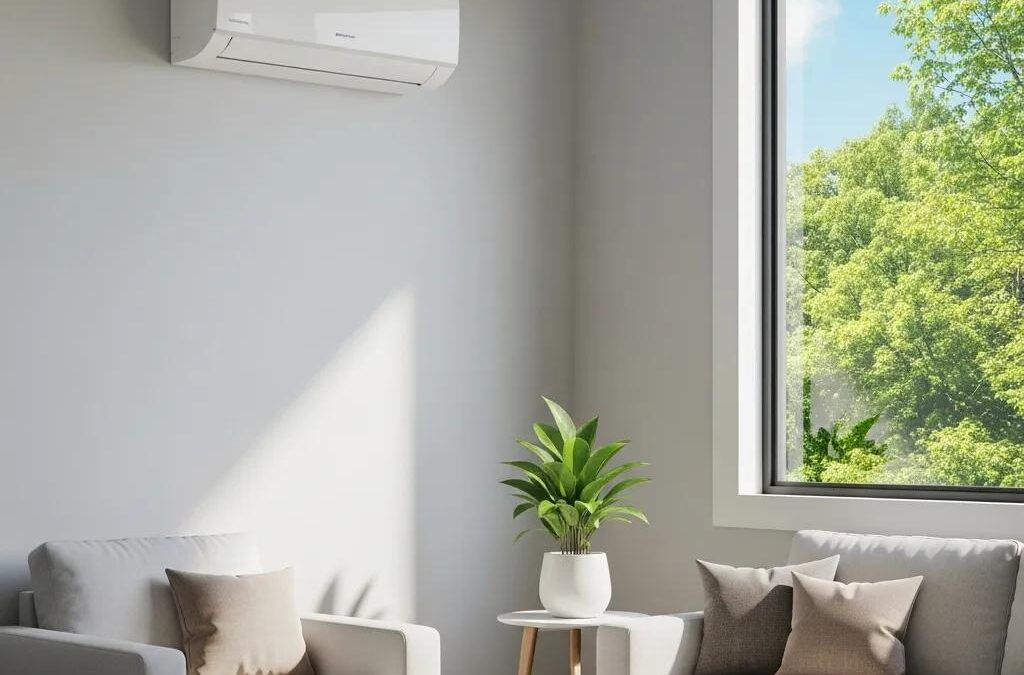
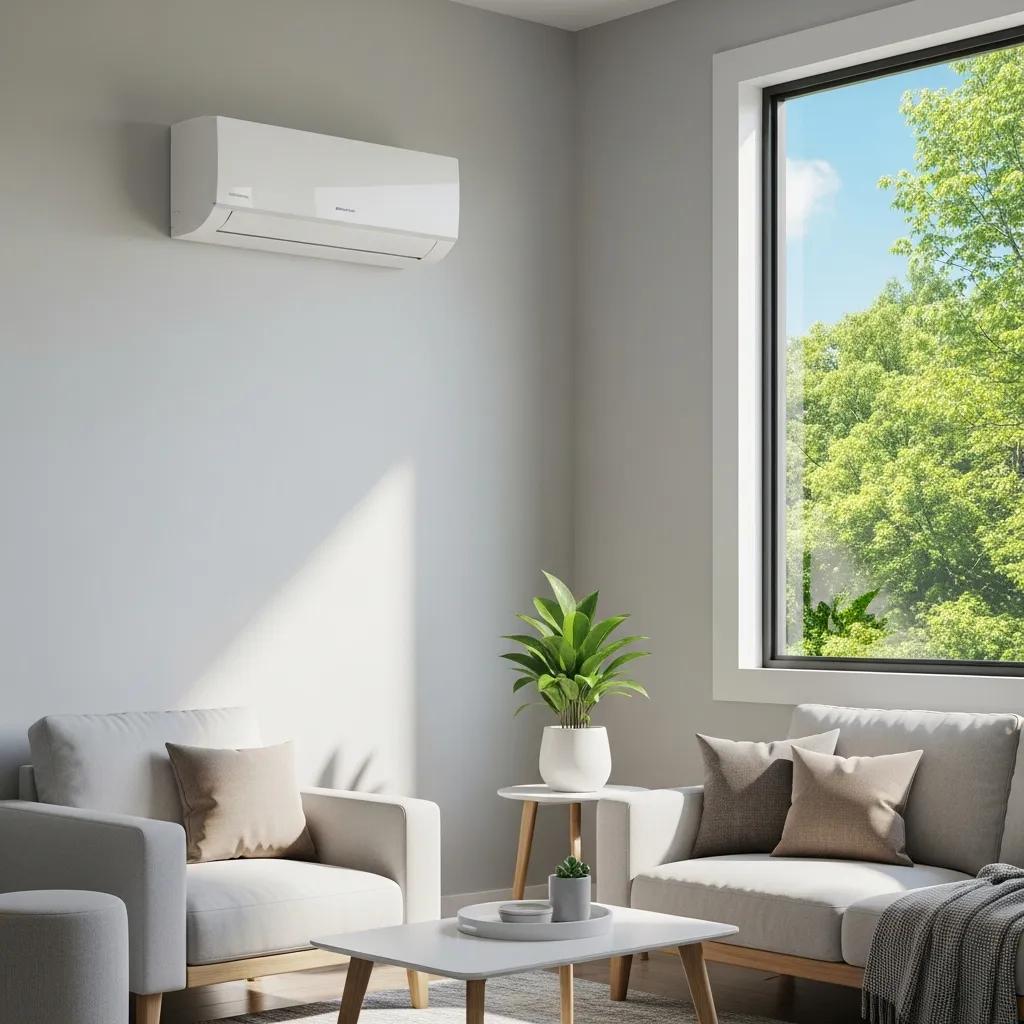
A ductless mini‑split is a zoned HVAC option made of one or more indoor air handlers linked to an outdoor compressor by refrigerant lines. Because there’s no ductwork, each indoor unit cools its room directly while the outdoor unit handles heat exchange. That setup delivers targeted cooling with lower distribution losses than ducted systems. Inverter compressors and individual zone controls mean mini‑splits modulate capacity to match actual demand, which improves part‑load efficiency and comfort. The next section breaks down the main components and what each part does.
What Are the Key Components of a Ductless Mini‑Split System?
A ductless mini‑split includes a few core parts that work quietly together. The indoor air handler contains the evaporator coil, blower, and filters and is usually mounted on a wall, ceiling, or floor depending on the room layout. The outdoor compressor/condenser houses the compressor and condenser coil and needs proper clearance for airflow and service access. Refrigerant lines, a small electrical conduit, and a control interface (remote, wall controller, or Wi‑Fi thermostat) complete the system and allow precise temperature and humidity control. Knowing these components explains why mini‑splits often need minimal remodeling and why professional sizing and placement matter for reliable performance.
How Does Ductless AC Provide Zoned Cooling and Energy Efficiency?
Mini‑splits give true zoned cooling because each indoor unit has its own thermostat or controller, so you can cool only the rooms you use instead of the whole house. Inverter compressors vary speed to match load, which reduces cycling losses and improves efficiency at part load compared with single‑stage compressors. For example, cooling three regularly used rooms instead of the entire house can lower energy use noticeably—local studies and conservative models show zoned strategies often produce measurable savings when occupancy is concentrated. When sized and commissioned correctly, mini‑splits also manage sensible and latent loads to control humidity, making them a strong choice for Greenville’s climate.
What Defines Traditional Central Air Conditioning Systems?
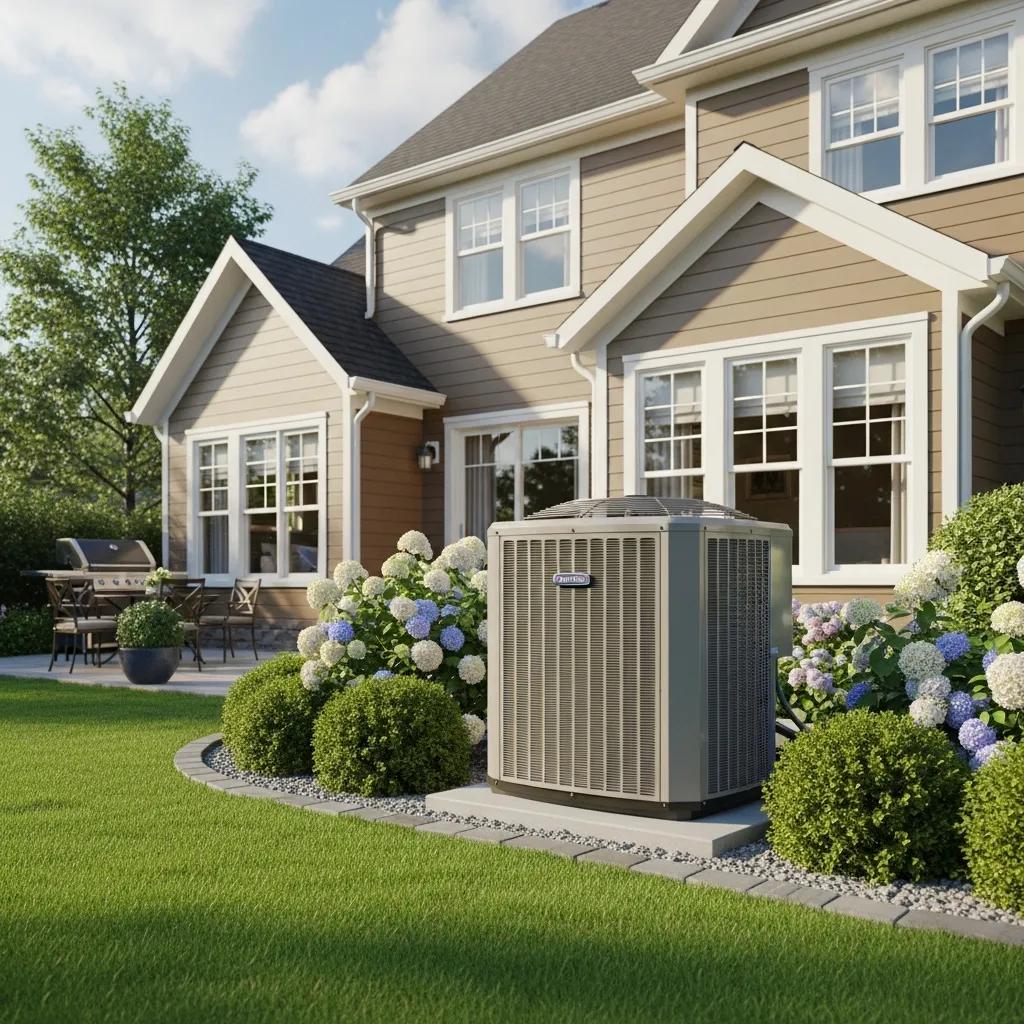
Traditional central air systems use one outdoor condenser/compressor paired with an indoor evaporator coil and blower to cool air that’s circulated through ductwork to the whole house. The system conditions return air at a central location, then pushes cooled air through ducts, registers, and vents while a thermostat controls the whole‑home setpoint. Central systems often pair with a furnace or air handler, or run as heat pumps for year‑round use. The following section outlines the main parts and routine maintenance points that affect long‑term performance and cost.
What Are the Main Parts of a Central Air Conditioning System?
A central system’s main components are the outdoor condenser/compressor, the indoor evaporator coil and air handler (or furnace), the duct network, and the thermostat or control system. The outdoor unit compresses refrigerant and rejects heat; the evaporator coil and blower move conditioned air through ducts; return ducts bring warm air back for reconditioning. Ductwork is a critical part of the system—leaks, poor insulation, or undersized runs cause efficiency losses and uneven comfort. Regular maintenance—filter changes, coil cleaning, and duct sealing—helps preserve airflow and extend system life.
How Does Central AC Deliver Whole‑Home Cooling?
Central AC provides whole‑home cooling by circulating conditioned air from a single source through ducts and registers to reach multiple rooms, holding the thermostat setpoint across the home. Proper airflow depends on good duct design, balanced supply and return, and sufficient blower performance; when those elements are right, central systems can keep temperatures even across many rooms. But duct losses, imbalanced registers, and lack of zoning can hurt comfort and efficiency. Upgrades like motorized dampers, multi‑stage blowers, or zoned thermostats can improve control, and sealing and insulating ducts is essential to cut energy losses.
How Do Ductless Mini‑Splits and Traditional AC Compare: Cost, Efficiency, and Comfort?
To compare mini‑splits and central AC, look at upfront installation cost, ongoing operating expenses, efficiency metrics such as SEER2, and comfort factors like zoning and noise. Mini‑splits usually have less installation impact and better room‑level control, while central systems often cost less when good ductwork already exists and whole‑home conditioning is needed. The table below summarizes typical Greenville values for cost, efficiency, lifespan, and maintenance to help homeowners compare options.
Each approach has predictable tradeoffs that affect both short‑term budget and long‑term performance in Greenville homes.
What Are the Installation Costs and Considerations for Each System in Greenville, SC?
Local installation costs depend on job complexity, number of zones, and any electrical or structural work required. Mini‑splits are usually priced per zone; central replacements are priced for whole‑home capacity and may include duct repairs. Major cost drivers include duct repair or installation, electrical service upgrades for new compressors, permits, condenser siting, and access for installers in attics or crawlspaces. A single‑zone mini‑split can often be installed in a day, while multi‑zone or full central replacements may take several days and cause more disruption. For clear, local pricing, MD Heating & Air Conditioning offers free estimates and sends NATE‑certified technicians who evaluate site specifics and provide transparent installation guidance.
How Do Energy Efficiency and SEER2 Ratings Differ Between Systems?
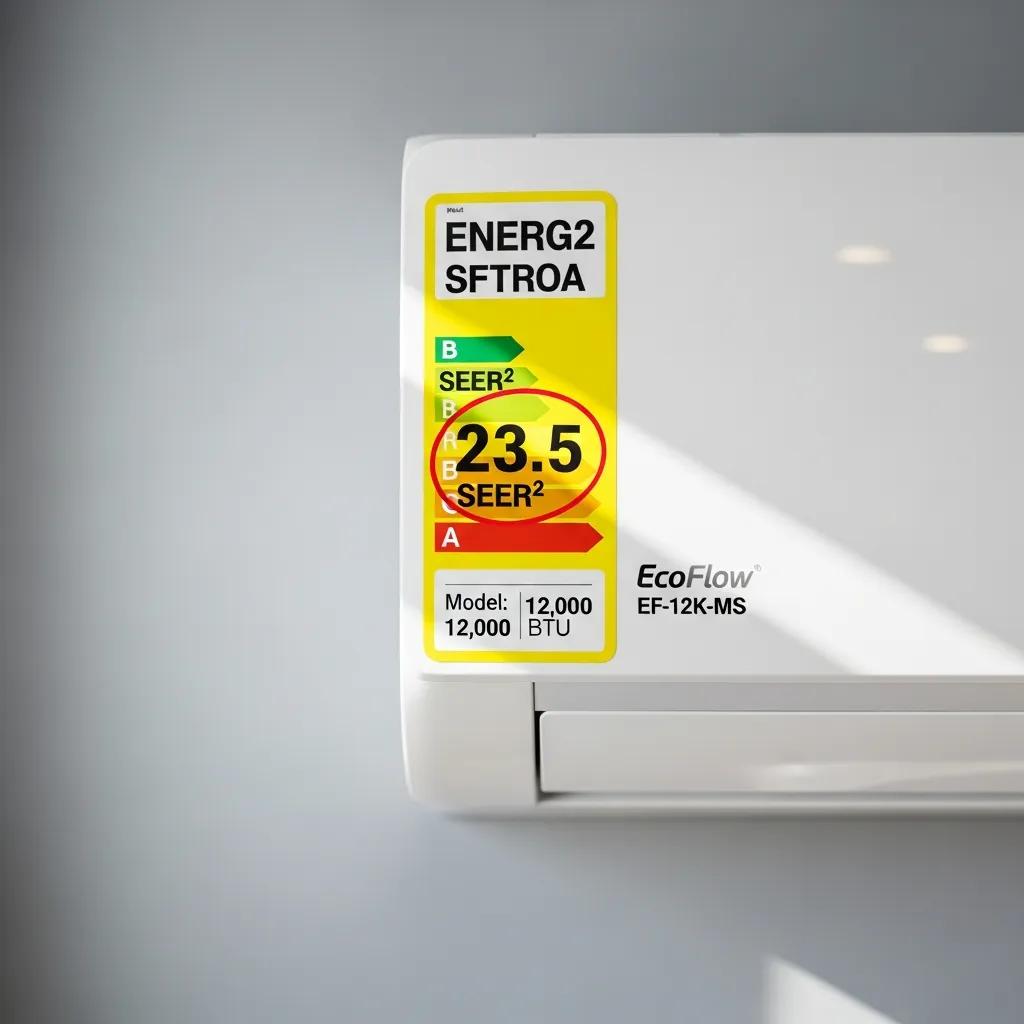
SEER2 is the updated seasonal efficiency metric that reflects real seasonal performance. Modern ductless mini‑splits and central units can both reach high SEER2 ratings, but actual savings depend on part‑load behavior and proper system matching. Mini‑splits often use inverter compressors that stay efficient at partial loads—useful for zoned usage—while central units with multi‑stage compressors or variable‑speed air handlers also perform well at part load for whole‑home cooling. SEER2 ranges can overlap, so prioritize part‑load efficiency and correct sizing to avoid oversizing, which hurts humidity control. Choosing equipment based on SEER2 and how you use your system gives a better estimate of operating costs.
What Are the Comfort, Zoning, and Noise Level Differences?
Comfort differences come from how each system controls temperature and humidity. Ductless mini‑splits let you set temperatures individually and respond quickly in each zone; central systems aim for whole‑home uniformity but can struggle with room‑to‑room variance. Mini‑split zoning eliminates conditioning unused rooms, cutting wasted energy and improving comfort where people actually are. Central systems need dampers or multi‑zone controls to mimic that behavior. Indoor mini‑split units are designed to be quiet and often sound quieter than air moving through ducts, though both systems have outdoor compressors. Aesthetic tradeoffs—visible wall units versus hidden ducts—also factor into homeowner preference.
Which AC System Is Best for Homes Without Ducts or Specific Cooling Needs?
The right choice depends on your home’s layout and cooling goals. For homes without ducts, additions, or rooms that only need targeted cooling, ductless mini‑splits are often the most practical and least invasive option. They install with short refrigerant runs and minimal remodeling, so they’re a good fit for attic conversions, additions, garages turned into living space, and older houses where new ducts would be costly. If resale value and whole‑house HVAC integration are priorities and ductwork already exists, a central system may be the better route. The sections below map common scenarios to recommended solutions and explain the reasoning.
Why Is a Ductless Mini‑Split Ideal for Homes Without Existing Ductwork?
Ductless mini‑splits need only a small opening for refrigerant and power lines, so you can skip building an expensive duct network. A single‑zone install often finishes in a day or two with minimal drywall work, making mini‑splits a practical retrofit choice. Since each indoor unit is controlled independently, you can avoid cooling unoccupied rooms and improve operating efficiency. For Greenville renovations, a professional evaluation ensures correct capacity and placement to deliver comfort and proper humidity control.
When Is Traditional Central Air Conditioning a Better Choice?
Central air is usually the better option when a home already has properly sized ductwork and the goal is uniform, whole‑home comfort or seamless integration with existing heating equipment. For large homes with many rooms, central systems can be more cost‑effective per conditioned square foot and often align better with neighborhood resale expectations where ducted HVAC is standard. Central systems also pair easily with whole‑house filtration, humidification, or dehumidification solutions, which matters if you want a single consolidated approach to indoor air quality. Before deciding, evaluate duct condition, sealing costs, and whether zoning upgrades could meet your comfort goals.
How Does Greenville, SC’s Climate Impact Your AC System Choice?
Greenville’s humid subtropical climate makes dehumidification and correct sizing crucial—systems need to remove moisture as well as heat. High latent loads during warm months mean oversizing can cause short cycling: the system cools quickly but doesn’t run long enough to remove humidity, which reduces comfort and can raise mold risk. Variable‑speed compressors in modern mini‑splits and central units help by running longer at lower capacity, improving humidity control when properly sized and commissioned. The table below links local climate factors to performance impacts and practical tips for homeowners to consider when choosing and maintaining equipment.
Local climate patterns directly affect system performance and underscore the need for precise load calculations and attention to latent cooling capacity.
How Do Humid Summers Affect Ductless and Traditional AC Performance?
Routine maintenance—like cleaning coils and keeping condensate drains clear—helps preserve dehumidification performance during Greenville’s humid season.
What Energy Savings Can Greenville Homeowners Expect With Each System?
Energy savings depend largely on how you use the system. Zoned use with mini‑splits can cut energy when only certain rooms are conditioned, while central systems can be efficient for consistent whole‑home cooling if ducts are tight and equipment performs well at part load. Conservative estimates suggest zoned strategies may improve operating efficiency by roughly 10–30% for many households, but results vary with insulation, thermostat habits, and local electricity rates. A local energy assessment or load calculation gives the most reliable projection—compare estimated seasonal consumption using SEER2 and expected run times to see which system better matches your usage.
Why Choose MD Heating & Air Conditioning for Your AC Installation in Greenville, SC?
MD Heating & Air Conditioning is a local, family‑owned HVAC company serving Greenville County and the Upstate. We install, service, and replace both central and ductless mini‑split systems and back our work with experienced NATE‑certified technicians, transparent pricing, free estimates, 24/7 emergency service, and flexible financing. Certified installers reduce the risk of improper setup and help systems run efficiently. If you want local expertise and straightforward service, MD Heating & Air blends technical know‑how with a customer‑first approach.
What Are the Benefits of Working With NATE‑Certified Technicians?
NATE certification is an industry standard that shows a technician has proven HVAC knowledge and follows best practices. That leads to more accurate load calculations, correct refrigerant handling, and proper system commissioning—steps that protect warranties and long‑term efficiency. Hiring NATE‑certified installers lowers the chance of common errors like improper line sizing, incorrect refrigerant charge, or poor airflow that can hurt comfort and increase operating costs. Their presence on a job signals consistent, high‑quality installation outcomes for Greenville homeowners.
What Financing and Emergency Services Does MD Heating & Air Offer?
We offer flexible financing to help homeowners spread installation costs and pick equipment that fits performance needs and budgets. We also provide 24/7 emergency service to respond quickly to system failures during peak summer months, protecting comfort and indoor air quality. These services are meant to reduce barriers to upgrading equipment and to give you peace of mind when repairs are urgent. Ask for a free estimate to learn more about financing plans and our emergency response process for the Greenville area.
What Are Common Questions About Ductless vs Traditional AC?
Homeowners often ask which system is objectively better, what installation costs to expect, whether a ductless mini‑split can cool an entire house, and what drawbacks to expect from ductless systems. Short, direct answers help clarify these points and point you to the next step: scheduling a site visit for a tailored recommendation. The Q&A below covers the typical decision drivers we see in Greenville.
Is Ductless AC Better Than Central Air?
Neither system is universally better—each has strengths depending on your home. Ductless systems shine in homes without ducts, additions, or where room‑by‑room control matters. Central air is often the better fit for whole‑home uniformity when a good duct system already exists. For a clear recommendation, schedule a professional assessment to review duct condition, load needs, and humidity control requirements.
How Much Does It Cost to Install a Ductless Mini‑Split vs Central Air?
Costs vary by scope: single‑zone mini‑splits are usually priced per zone, while central replacements are priced for whole‑house capacity and may include duct repairs or replacement. Price drivers include number of indoor units, electrical upgrades, duct condition, and permitting, so a site visit is needed to refine estimates. Get a free local estimate from a trusted provider for an accurate, itemized breakdown tailored to your home.
Can a Ductless Mini‑Split Cool an Entire House?
Yes—multi‑zone ductless systems can cool entire homes by adding multiple indoor units to one or more outdoor compressors, but that raises upfront cost and can create outdoor unit clustering and aesthetic considerations. For some layouts, especially large or complex homes, central systems may be more economical for whole‑home conditioning. A professional load calculation and layout review will determine whether multi‑zone mini‑splits or central AC is the more practical solution.
What Are the Disadvantages of a Ductless Mini‑Split?
Ductless mini‑splits can have higher upfront cost per zone compared with extending existing ducts, visible indoor units some homeowners dislike, and added maintenance complexity when multiple indoor units are installed. Multi‑zone setups require careful planning for outdoor unit placement and refrigerant routing to avoid capacity or aesthetic issues. Most drawbacks are reduced with thoughtful placement, professional installation by certified technicians, and regular maintenance plans.
How Can You Schedule a Free AC Consultation With MD Heating & Air in Greenville, SC?
To schedule a free consultation, request a no‑obligation estimate and a technician will assess your system, inspect ductwork if present, and perform room‑by‑room sizing to recommend the right solution. The visit typically includes a walkthrough, equipment inspection, basic airflow and duct checks, and a load/size assessment that guides system selection. Having system age, recent service records, and notes about comfort issues handy helps the technician tailor recommendations. Below are steps to prepare for and schedule your free consultation.
- Gather basic system info: Note system age, known issues, and rooms that feel uncomfortable.
- Request a free estimate: Ask for an in‑home visit to evaluate ductwork, load, and installation constraints.
- Discuss financing and emergency response: Ask about available financing and the company’s emergency service procedures.
What Should You Expect During Your Free AC System Evaluation?
During the evaluation a technician will inspect existing equipment, measure rooms for a load calculation, check duct integrity if present, and review electrical capacity to identify necessary upgrades. You’ll get a written estimate that outlines recommended equipment, installation steps, timelines, and financing options if applicable. Technicians will also discuss dehumidification needs and zoning options based on Greenville’s climate and your household patterns. After the visit you’ll have transparent pricing and clear next steps to compare options or schedule installation.
How to Contact MD Heating & Air for Installation or Repair Services?
To book an appointment or request emergency service, contact MD Heating & Air Conditioning via the website contact form, our Google Business Profile for reviews and directions, or call us directly for immediate help. We prioritize responsive scheduling and 24/7 emergency support. When you call, tell us your main concerns—humidity, uneven cooling, or duct issues—so we can prioritize the evaluation and prepare a targeted written estimate.
Frequently Asked Questions
What are the maintenance requirements for ductless mini‑split systems?
Ductless mini‑splits need regular upkeep to run efficiently and last. Clean or replace filters every few months to keep airflow and efficiency high. Keep the outdoor unit free of debris and have coils cleaned annually to prevent performance loss. We recommend a professional check at least once a year to inspect refrigerant levels, look for leaks, and verify all components are working. Regular maintenance preserves comfort and energy efficiency.
How long do ductless mini‑split systems typically last?
Most ductless mini‑splits last about 15 to 20 years, depending on use, maintenance, and installation quality. Routine care—filter cleaning, coil maintenance, and timely repairs—can extend service life. Proper sizing and professional installation also play a big role. Check manufacturer warranties for additional coverage and peace of mind.
Can ductless mini‑splits be used for heating as well as cooling?
Yes. Many ductless mini‑splits are heat pumps that provide both heating and cooling, making them a versatile year‑round option. They reverse the refrigeration cycle to heat in colder months. If you plan to use a mini‑split for heating, pick a model rated for heating efficiency to ensure good winter performance in Greenville.
What factors should homeowners consider when choosing between ductless and central AC?
Consider existing ductwork, budget, and your cooling priorities. If your home lacks ducts, ductless systems are often less invasive and more practical. Think about zoning needs, noise preferences, and long‑term energy goals. Compare efficiency ratings, installation costs, and projected operating costs. A professional assessment will clarify which system best fits your home and lifestyle.
How do energy efficiency ratings impact operating costs for AC systems?
Energy efficiency ratings like SEER and the newer SEER2 directly affect operating costs. Higher ratings mean the system uses less energy to cool, which lowers utility bills. In a climate with high cooling demand like Greenville, investing in a higher SEER2 unit can pay off over time. Balance the upfront price against estimated long‑term savings when choosing equipment.
What are the common signs that an AC system needs repair or replacement?
Signs your AC needs attention include uneven cooling, strange noises, rising energy bills, and frequent short cycling. Poor airflow or unusual odors are also red flags. If a system is 10–15 years old and showing these symptoms, replacement may be more cost‑effective than repeated repairs. Regular maintenance helps catch problems early and extend system life.
Conclusion
Picking the right cooling system for your Greenville home makes a big difference in comfort, efficiency, and cost. Understanding the tradeoffs between ductless mini‑splits and central AC helps you make an informed choice that fits your house and how you live. For a personalized recommendation and a free evaluation, reach out to our experienced team—let’s find the solution that keeps your home comfortable year‑round.