Understanding HVAC Systems: Types and Benefits
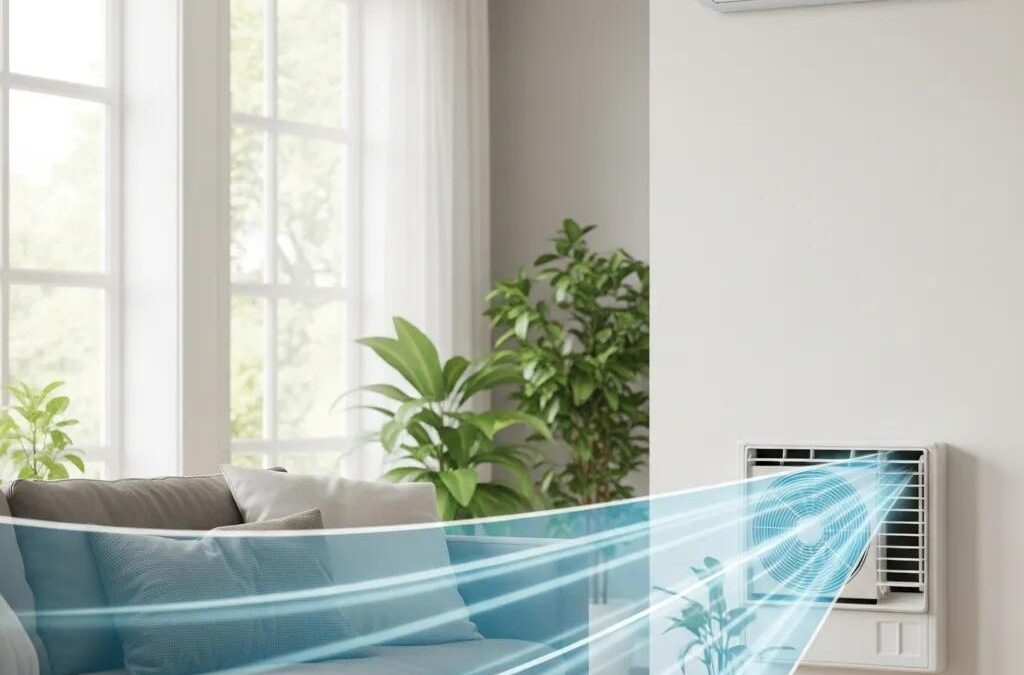
HVAC systems play a crucial role in maintaining indoor comfort by regulating temperature, humidity, and air quality. Understanding the different types of HVAC systems available, such as central air conditioning, ductless mini-splits, and heat pumps, can help homeowners make informed decisions based on their specific needs.
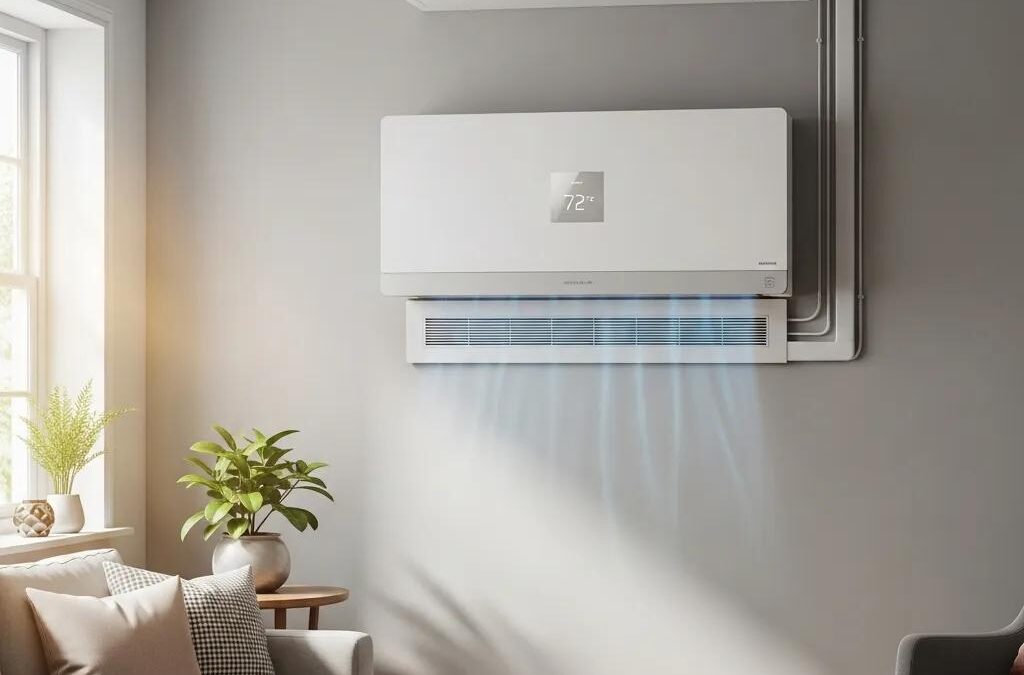
For instance, central air conditioning is ideal for larger homes with existing ductwork, while ductless mini-splits offer flexibility and energy efficiency for smaller spaces or homes without ducts. Each system has its unique benefits, making it essential to evaluate them in the context of your home’s layout and your comfort requirements.
Benefits of Regular HVAC Maintenance
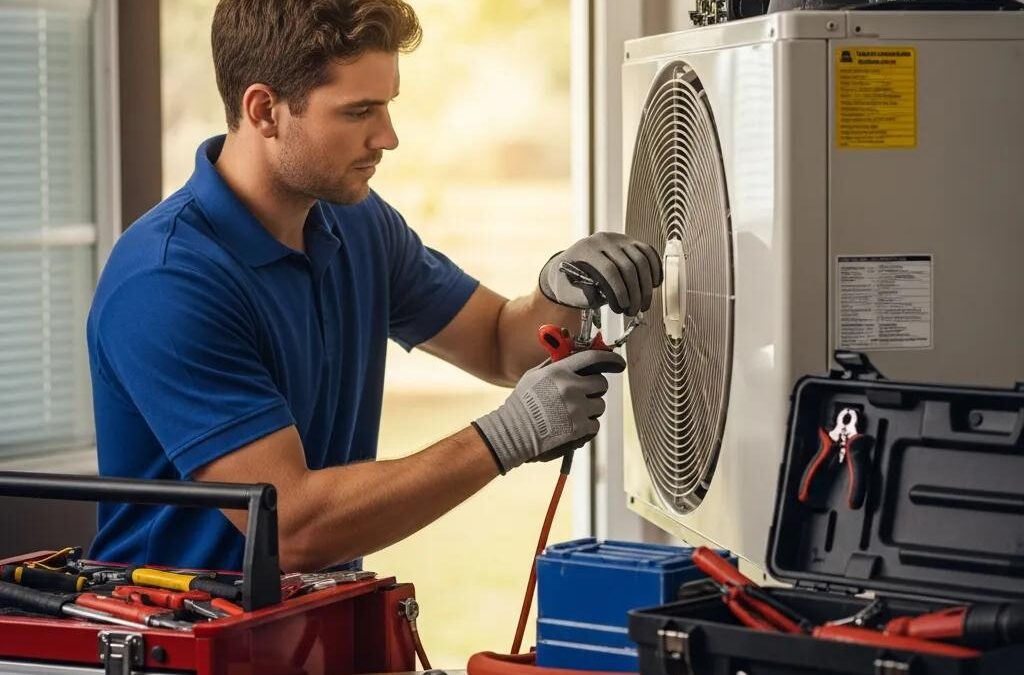
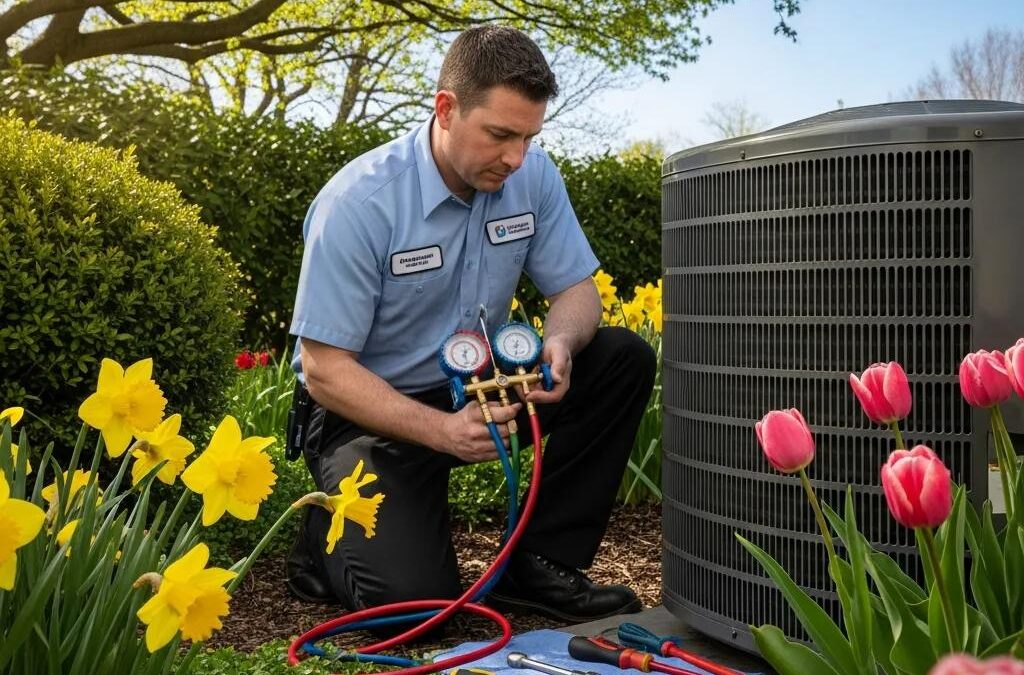
Regular maintenance of HVAC systems is vital for ensuring optimal performance and longevity. Scheduled check-ups can help identify potential issues before they escalate, ensuring that your heating and cooling systems operate efficiently throughout the year.
Additionally, routine maintenance can lead to significant cost savings on energy bills, as well-maintained systems consume less energy. For example, changing air filters regularly and cleaning ducts can improve airflow and reduce strain on the system, extending its lifespan and enhancing indoor air quality.
Exploring HVAC Financing Options
Investing in HVAC systems can be a significant financial commitment. Understanding available financing options can make it easier for homeowners to afford necessary installations or upgrades without compromising their budget.
Many HVAC companies, including MD Heating & Air Conditioning, offer flexible financing plans, including low-interest loans and payment plans. These options allow customers to spread the cost over time, making it more manageable to invest in energy-efficient systems that ultimately save money on utility bills.
Common HVAC Issues and Troubleshooting Tips
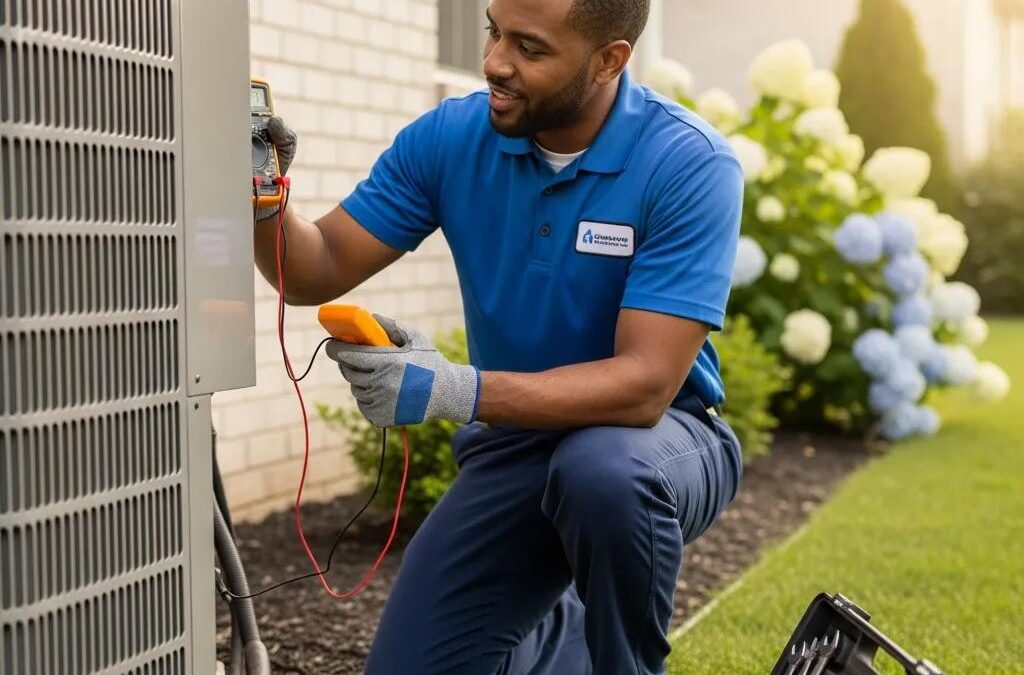
Homeowners may encounter various HVAC issues, from inconsistent temperatures to strange noises coming from the unit. Knowing how to troubleshoot common problems can help mitigate discomfort and prevent costly repairs.
For instance, if your air conditioning unit is not cooling effectively, check the thermostat settings and ensure that air filters are clean. Additionally, investigating potential blockages in the ductwork can uncover issues that affect airflow. Addressing these problems promptly can enhance system efficiency and prolong the life of your HVAC unit.