Understanding Common Heating Issues in Greenville, SC
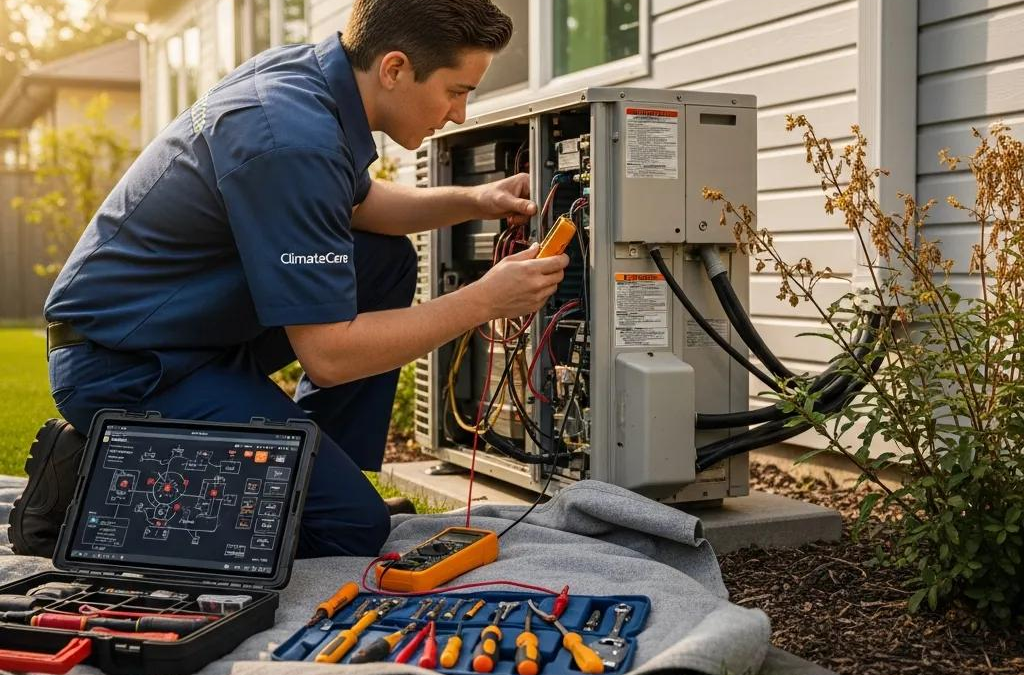
Homeowners often face various heating issues, especially during the colder months. Recognizing common problems such as thermostat malfunctions, pilot light issues, and airflow restrictions can help in addressing heating failures promptly.
For instance, a malfunctioning thermostat may cause your heating system to run inefficiently, leading to discomfort and increased energy bills. Regular inspections and timely repairs can prevent these issues from escalating, ensuring your heating system operates effectively throughout the winter.
Energy Efficiency Tips for Your HVAC System
Improving the energy efficiency of your HVAC system is crucial for reducing utility costs and minimizing environmental impact. Simple changes, such as replacing air filters regularly, sealing ductwork, and utilizing programmable thermostats, can significantly enhance efficiency.
For example, a well-maintained air filter can improve airflow and reduce strain on your system, leading to lower energy consumption. Additionally, sealing ducts can prevent heated or cooled air from escaping, ensuring that your home remains comfortable without excessive energy use.
Benefits of Professional HVAC Maintenance
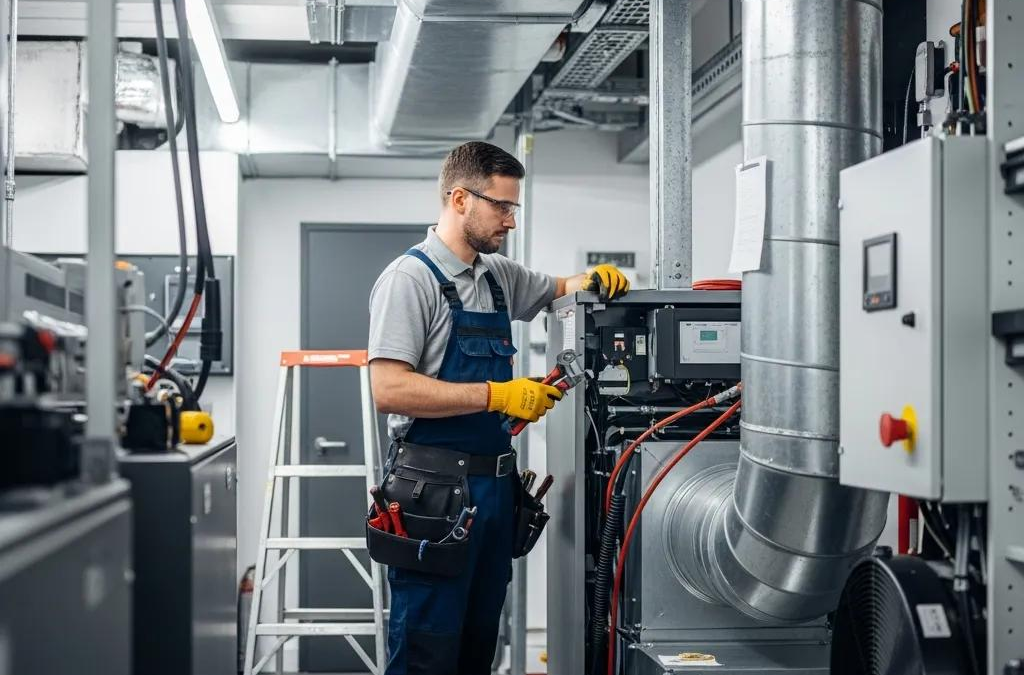
Regular professional maintenance of your HVAC system offers numerous benefits, including improved efficiency, extended equipment lifespan, and enhanced indoor air quality. Scheduling seasonal check-ups allows technicians to identify and address potential issues before they become major problems.
Moreover, consistent maintenance can lead to significant savings over time. For example, a well-maintained system is less likely to experience breakdowns, reducing the need for emergency repairs and ensuring your home remains comfortable year-round.
Signs It's Time to Replace Your HVAC System
Knowing when to replace your HVAC system is essential for maintaining home comfort. Signs such as frequent breakdowns, rising energy bills, and inconsistent temperatures can indicate that your system is nearing the end of its lifespan.
For instance, if your HVAC system requires repairs multiple times within a year, it may be more cost-effective to invest in a new unit. Additionally, modern systems are often more energy-efficient, which can lead to long-term savings on utility bills and a smaller carbon footprint.