e4162fd7 4c0d 4529 ac8b 14f48cb598e

Prepare Your Air Conditioner for Summer

Start getting your air conditioner ready for summer before the first heatwave hits. Doing so can help you save up to 10% on energy bills and make your equipment last longer. This guide offers practical tips for AC upkeep and a clear path to peak performance, energy savings, and comfort. We’ll cover essential pre-season checks, energy-smart system upgrades, troubleshooting tips, safety guidelines, ideal thermostat settings, when to call a pro, and ways to keep your indoor air fresh. By the end, you’ll have a complete plan to ensure your home stays cool and reliable all summer long.

Essential Steps to Prep Your Air Conditioner for Summer

Getting your air conditioner ready for summer means checking, cleaning, and fine-tuning key parts before the heat sets in. A step-by-step approach helps prevent breakdowns, boosts energy efficiency, and ensures safe operation. For most homes, this includes swapping out the filter, cleaning vents, checking the thermostat, and having a professional inspect it for optimal cooling. Taking care of these now means a cool, worry-free cooling season ahead.

DIY AC Maintenance Before Summer

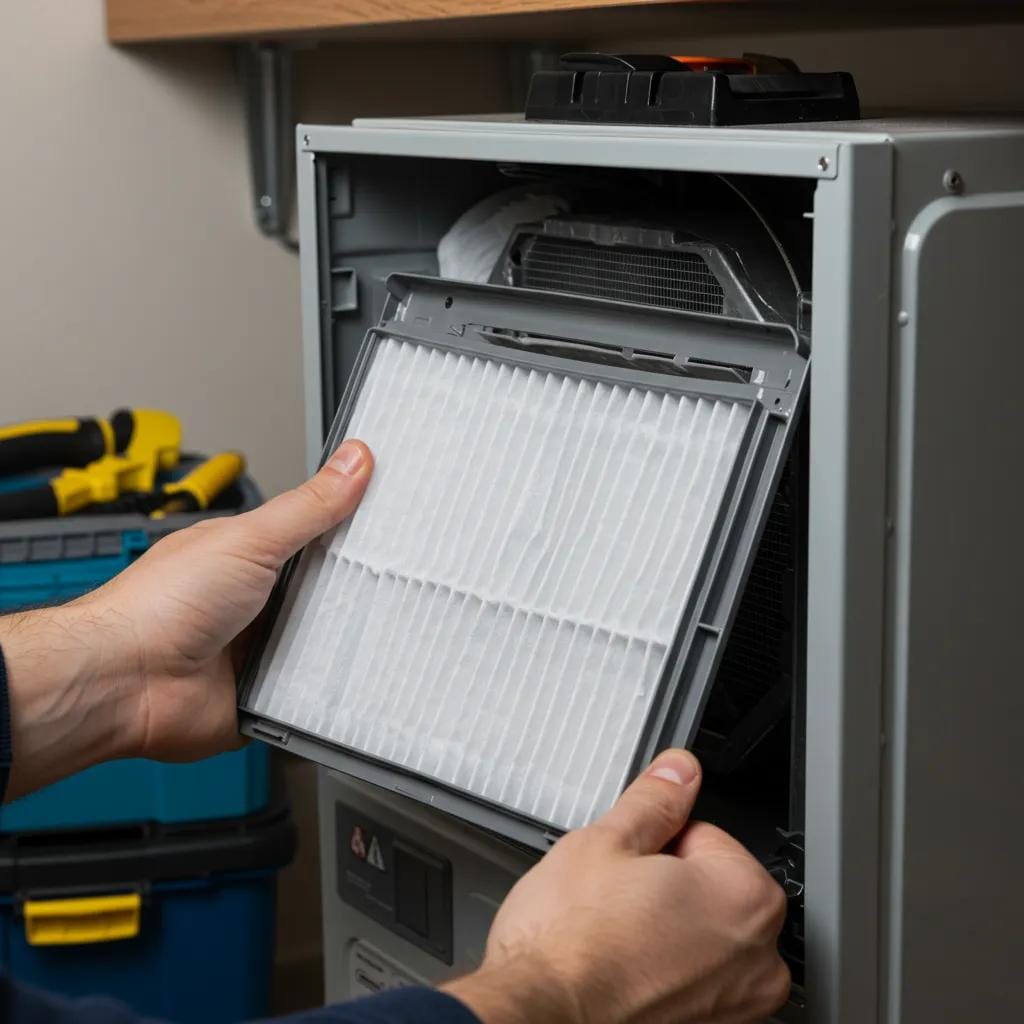
homeowner performing diy maintenance by replacing an air filter in a heater highlighting winter preparation ebd9fc3b 0bce 4d0e 8336 23fd35aafcae

Simple DIY tasks can significantly improve your AC’s airflow and efficiency.

  1. Swap out or clean your air filter to improve airflow and ease the strain on your AC unit.
  2. Vacuum your vents and registers to clear out dust and debris that can block air circulation.
  3. Examine visible ductwork for any gaps and seal them using approved sealing tape.
  4. Test your thermostat by adjusting the temperature down to ensure it responds correctly.
  5. Clear away leaves, debris, and plants from around your outdoor AC unit.

These homeowner tasks can cut energy use by up to 10% and set the stage for professional tune-ups.

When to Book a Professional AC Tune-Up

Schedule a professional tune-up in early spring, ideally March or April. This ensures your AC unit is clean, safe, and ready before demand peaks. Technicians will check refrigerant levels, clean evaporator and condenser coils, test safety controls, and verify proper drainage to prevent water damage. Booking early secures your preferred appointment time and helps you avoid last-minute rushes as summer approaches.

Home Cooling System Maintenance: The Significance of Professional Contractor Engagement

… the system necessitates comprehensive annual maintenance performed by a qualified cooling contractor …

Home Care, Unknown Author, 2023

Key Benefits of Regular AC Tune-Ups

Regular AC tune-ups offer three main advantages:

  • Save Energy – Properly cleaned coils and optimized refrigerant levels restore your system’s rated efficiency, lowering electricity costs.
  • Ensure Safety – Verified electrical connections and leak checks prevent dangerous malfunctions.
  • Extend System Life – Lubricated parts and tightened connections reduce wear and tear, making your equipment last longer.

Investing in an annual, thorough inspection and cleaning helps homeowners avoid costly mid-summer breakdowns and get the most out of their HVAC equipment.

How Often Should You Change Air Filters for Peak AC Performance?

Replace air filters every 30 to 90 days, depending on the filter type and your home environment. Homes with pets, lots of dust, or large families usually need their standard fiberglass filters changed monthly. High-efficiency pleated filters can last up to 90 days, but you should still check them monthly for blockages. Keeping filters clean prevents restricted airflow, reduces the risk of freezing coils, and promotes healthier indoor air.

Top Energy-Efficient Cooling Solutions for Summer

Choosing the right cooling system can lower your utility bills and reduce your environmental impact. Energy-efficient options include high-SEER AC units, cold-climate heat pumps, and variable-speed compressors that adjust their output based on demand. Adding smart thermostats and improving insulation can further boost savings by optimizing how often your system runs. Consider your home’s size, local climate, and budget when evaluating system features to make the best summer cooling investment.

Heat Pumps vs. Traditional ACs for Summer Cooling

Heat pumps move heat instead of creating it, offering 200–300% efficiency in moderate climates and up to 150% in colder areas with advanced cold-climate models, making them excellent for both heating and cooling. Traditional central AC units, on the other hand, operate at 13–26 SEER (Seasonal Energy Efficiency Ratio). Heat pumps typically have lower operating costs and a smaller carbon footprint, while traditional ACs are a reliable choice for dedicated cooling.

Advantages of Using Smart Thermostats in Summer
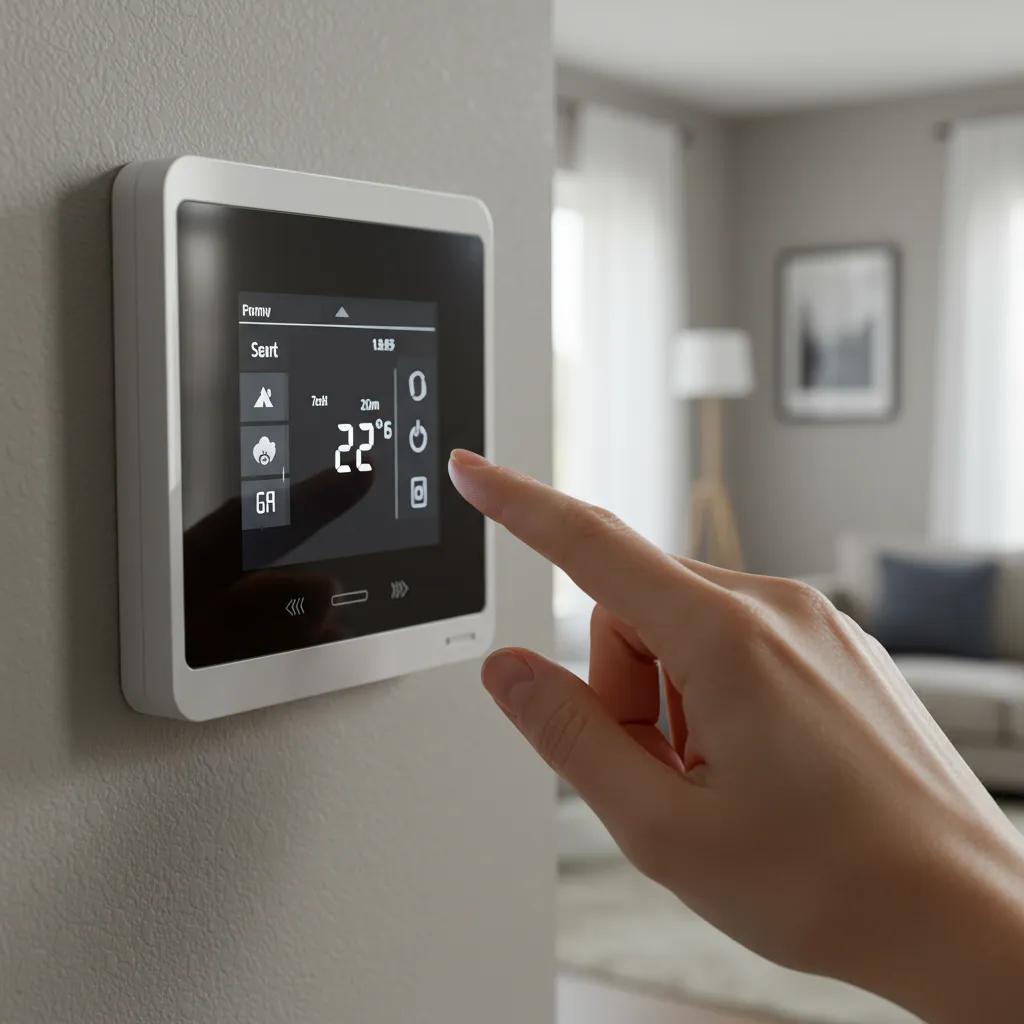
modern smart thermostat being adjusted illustrating the advantages of smart technology for winter heating e830931d 5b42 457d 8541 1f46b6c61bbf

Smart thermostats learn your schedule, adjust temperatures automatically, and let you control your cooling remotely, potentially saving you up to 12% on cooling costs annually. They can even use weather forecasts to pre-cool your home on milder days. Voice control and mobile apps add convenience, while energy usage reports help you make smarter cooling choices.

Smart Thermostats: Reducing Residential Energy Consumption and Carbon Dioxide Emissions

Our findings demonstrate that smart thermostats effectively reduce carbon dioxide emissions and energy consumption within the residential building sector.

Conditions for a cost-effective application of smart thermostat systems in residential buildings, Unknown Author, 2020

How Home Insulation and Draft Sealing Boost Summer Cooling Efficiency

Proper insulation and draft sealing help maintain a stable indoor temperature and reduce heat gain through walls, ceilings, and windows. Sealing gaps around windows and doors with weatherstripping and caulk can cut energy waste by up to 20%. Adding insulation to your attic or walls increases the R-value, keeping cool air inside. Together, these improvements allow your AC to run less often and at a higher setting, extending its life and lowering your bills.

UpgradeFeatureBenefit
WeatherstrippingSeals window and door edgesKeeps hot air out
Attic InsulationR-38 fiberglass or spray foamReduces heat gain and drafts from the ceiling
Duct SealingMastic or foil tapeImproves airflow and system efficiency

Effective home envelope improvements work hand-in-hand with energy-efficient cooling systems to provide consistent comfort at a lower cost.

Troubleshooting Common AC Issues in Summer

Addressing AC problems before the season gets severe helps ensure your comfort and avoids emergency repair costs. Diagnosing why your AC isn’t producing cool air, distributing it unevenly, or making strange noises involves checking filters, airflow, refrigerant levels, and ductwork. Catching issues early allows for simple fixes or timely professional help to get your system running reliably again.

Why Your AC Might Not Be Cooling and How to Fix It

An AC that isn’t producing cool air often has a clogged filter, a faulty thermostat, or a frozen evaporator coil. Start by replacing the air filter and checking that your thermostat is set correctly and has working batteries. If airflow seems fine, check for ice on the indoor coil; if frozen, turn off the AC and let it thaw. Low refrigerant levels or a malfunctioning compressor can also prevent cooling and require professional attention. If problems persist, you may need a professional to diagnose and repair the issue.

How to Deal with Uneven Cooling and Hot Spots

Uneven cooling usually happens when ducts are leaky, blocked, or not sized correctly, sending cool air away from certain rooms. Check accessible duct connections and seal any leaks with approved mastic. Balance airflow by adjusting vent dampers and making sure registers aren’t blocked. Adding insulation around ductwork in unheated areas helps retain coolness. For persistent hot areas, consider zone control dampers or supplemental cooling like portable AC units.

What Strange AC Noises Mean

  • Popping or banging sounds might signal duct expansion or issues with the compressor.
  • Squealing often indicates worn blower motor bearings or a loose drive belt.
  • Rattling could mean debris in the blower housing or loose panel screws.

Address popping noises by scheduling a compressor inspection and ensuring the outdoor unit is level. Oiling blower motor bearings or tightening mounting screws can resolve many squealing and rattling sounds before they lead to bigger problems.

Crucial Safety Measures for Summer AC Use

Safe summer cooling involves being aware of electrical hazards, maintaining proper clearances around appliances, and using portable AC units responsibly. To reduce fire and electrical risks, ensure proper wiring, keep adequate space around outdoor units, and follow manufacturer instructions for supplemental cooling devices.

Electrical Safety and Refrigerant Leaks for Your AC in Summer

Ensure your AC unit’s electrical connections are secure and free from fraying or damage to prevent electrical fires. Overloaded circuits can also be a hazard, so avoid plugging multiple high-draw appliances into the same outlet. While refrigerant leaks are less common, they can reduce efficiency and, in rare cases, pose health risks. If you suspect a leak (e.g., hissing sounds, reduced cooling), contact a professional immediately. Regular professional maintenance includes checking for these issues.

Fire Safety Precautions for Cooling Appliances

Keep a minimum of three feet of clear space around outdoor AC units to ensure proper airflow and prevent nearby materials from igniting due to electrical issues. Check electrical cords for damage and avoid using extension cords with high-wattage portable AC units. Keep flammable items like dry leaves, bushes, and outdoor furniture well away from the condenser unit. Annual inspections of electrical components and wiring can prevent potential fire hazards.

How to Safely Use Portable AC Units in Summer

Use portable AC units cautiously as a supplement to your central cooling. Place them on level surfaces and ensure proper ventilation for their exhaust hose. Choose models with tip-over and overheat protection features. Plug them directly into wall outlets and follow the manufacturer’s recommendations for room size. Limiting how long they run continuously and supervising their use in living areas ensures safe supplemental coolness.

Best Thermostat Settings for Energy Savings in Summer

Optimizing your thermostat settings can cut down on electricity use while keeping you comfortable. The Department of Energy suggests setting your thermostat to 78°F when you’re home and raising it to 80–82°F at night or when you’re away. Using programmable schedules allows for these temperature setbacks automatically, potentially saving you up to 10% annually.

Recommended Summer Cooling Temperature Setting

Setting your thermostat to 78°F when people are home strikes a balance between comfort and efficiency. Raising the temperature by 7–10°F for eight hours a day—like during work or overnight—can reduce energy use by 5–10%. Consistent temperature setbacks mean your system runs less without sacrificing morning coolness if timed correctly.

ScheduleSetpointImpact
Daytime (Occupied)78 °FComfortable living space
Unoccupied/Work Hours80–82 °FEnergy savings from reduced system runtime
Nighttime (Sleeping)75 °FMaintains a comfortable sleeping temperature

How Programmable and Smart Thermostats Cut Cooling Costs

Programmable thermostats let you set up to four different temperature changes per day, ensuring higher temperatures when cooling isn’t needed. Smart thermostats learn your household’s habits and adjust automatically, providing personalized savings. Features like geofencing can pause cooling when you leave and resume cooling before you return, minimizing wasted energy and further reducing costs.

Using Thermostat Scheduling for Unoccupied Times

Schedule temperature setbacks for when your home is empty to avoid cooling an unoccupied space. Set your thermostat 7–10°F higher when the house is vacant and program it to start cooling down about an hour before you return. This approach cuts down on total cooling hours while ensuring your home is comfortable when you arrive. Consistent use of setbacks leads to noticeable energy savings and less wear on your HVAC components.

When and Why to Schedule HVAC Spring Maintenance

Scheduling HVAC maintenance proactively before summer ensures your system stays healthy, prevents costly emergency service, and maintains peak efficiency. Planning for service in early spring helps avoid seasonal backlogs, allows technicians to conduct thorough inspections, and lets you address minor issues before they become major problems under summer stress.

What a Professional HVAC Spring Maintenance Service Includes

  1. Checking and cleaning evaporator and condenser coils.
  2. Lubricating moving parts like blower bearings and motors.
  3. Confirming refrigerant levels and checking for leaks.
  4. Inspecting electrical connections and safety controls.
  5. Calibrating the thermostat and measuring airflow.
  6. Examining the condensate drain for blockages.

How Regular Maintenance Prevents Costly AC Breakdowns

Regular maintenance identifies worn parts, loose connections, and airflow restrictions before they cause system failures. Cleaning essential components reduces stress on motors and improves heat transfer, while safety control checks prevent hazardous operation. By fixing small issues early, homeowners can avoid expensive emergency repairs and extend the lifespan of their cooling system.

How Soon Should You Prep Your AC Before Summer?

Get your AC ready at least one to two months before the first expected heatwave, typically in March or April. This gives you time for DIY tasks and professional tune-ups. Early preparation ensures that parts are available for older systems, technicians have open schedules, and your cooling system is fully ready well before the peak demand of summer.

Improving Indoor Air Quality While Prepping Your AC for Summer

Boosting your indoor air quality while preparing your AC helps prevent allergens from building up and supports your health. Regularly changing filters, cleaning ducts, and managing humidity work together to remove dust, mold spores, and bacteria that circulate through your cooling system. Combining these steps with proper ventilation results in cleaner, more comfortable living spaces.

Why Regular Air Filter Replacement Matters for Air Quality

Regularly replacing your air filter traps airborne particles like dust, pollen, and pet dander, preventing them from being recirculated. High-efficiency pleated filters or HEPA filters capture finer particles, reducing triggers for allergies and asthma. Clean filters also protect blower components from dust buildup, maintaining airflow and cooling efficiency.

How AC Maintenance Impacts Indoor Air Quality

AC maintenance, such as cleaning blower wheels, inspecting drip pans, and sanitizing evaporator coils, removes microbial growth that can harm air quality. Professional duct cleaning removes accumulated dust and debris from inside the ducts, preventing pollutants from spreading throughout your home. Well-maintained cooling systems deliver cool air that is both clean and healthy.

Additional Steps to Enhance Summer Indoor Air Quality

  • Install a whole-house dehumidifier to manage excess humidity and prevent mold growth.
  • Add UV germicidal lamps to your air handler to neutralize bacteria and mold spores.
  • Use activated-carbon air purifiers in busy rooms to capture odors and chemical fumes.

Keeping your AC tuned up, choosing efficient upgrades, and prioritizing safety and air quality will ensure reliable coolness and lower bills all summer. Implement these checks and improvements now to enjoy a comfortable, energy-smart home as the temperatures rise.

Conclusion

Preparing your air conditioner for summer not only ensures a cool and comfortable home but also enhances energy efficiency and safety. By following the outlined maintenance steps and considering energy-efficient upgrades, you can significantly reduce cooling costs and extend the lifespan of your system. Don’t wait until the heat sets in; take action now to secure your cooling needs for the season ahead. Explore our resources for more tips and products to keep your home cool and efficient this summer.