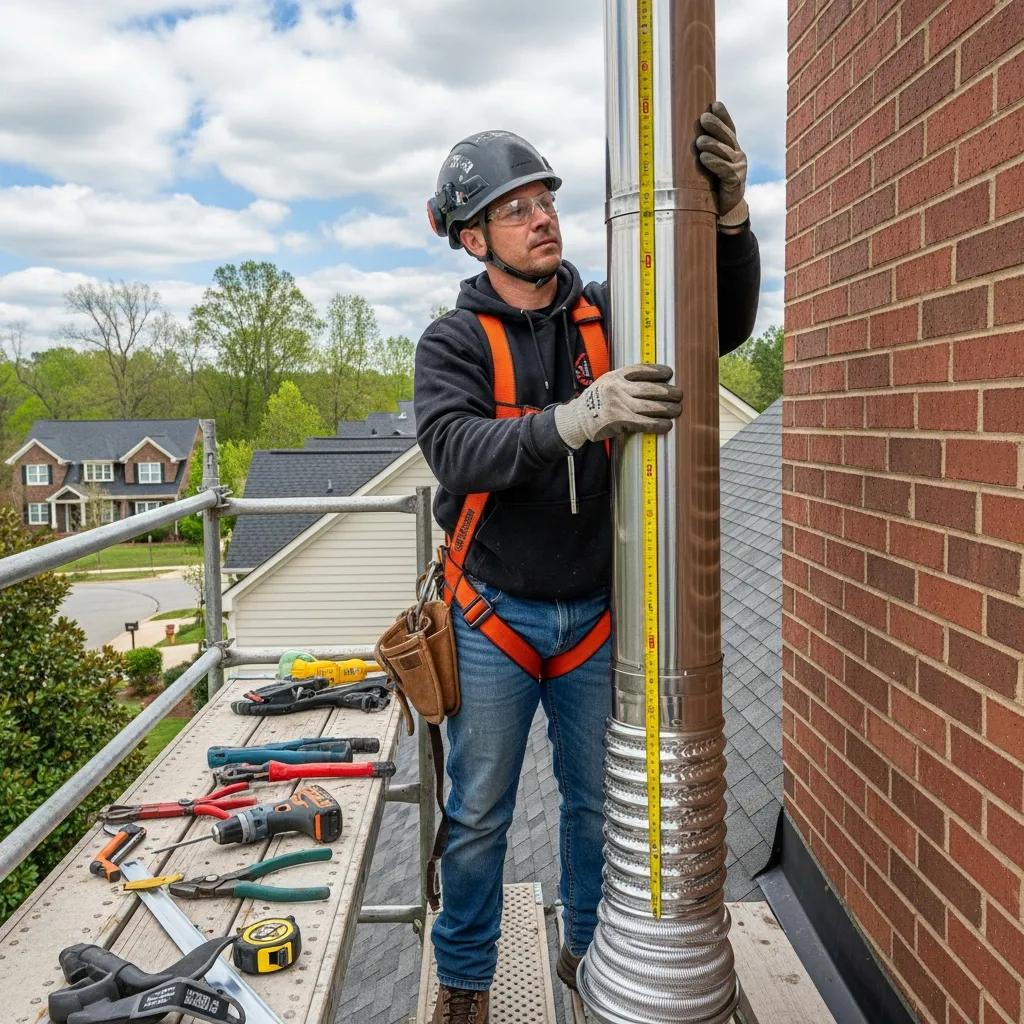
chimney technician installing stainless steel liner in residential chimney f4355847 e6d7 409b 82ce ef0f05282f02

Chimney Liner Installation & Repair in Greenville, SC — A Clear Guide to Safe, Efficient Chimneys

Chimney liners are the inward channels that guide combustion gases safely out of your home and shield the masonry from heat and corrosive byproducts. This guide lays out how professional chimney liner installation and repair improve safety, cut carbon monoxide and fire risks, and restore draft and appliance performance for Greenville homes. You’ll learn the common liner types, how to spot urgent problems, what to budget for, and how to pick a qualified contractor for flue liner installation or relining. We walk through inspection triggers, typical relining scenarios, cost drivers, and a practical hiring checklist so you can protect your family and your property value. Relevant search terms like flue liner installation, chimney liner Greenville, chimney repair Greenville, stainless steel chimney liner, flexible chimney liner, and chimney inspection Greenville are included to help local homeowners find the right next steps.

What Is Chimney Liner Installation and Why It Matters in Greenville, SC

Chimney liner installation means inserting a heat- and corrosion-resistant conduit inside the flue to contain combustion gases, protect the masonry, and ensure the appliance vents properly. A correctly installed liner lowers chimney-fire risk by stopping excessive heat transfer to surrounding materials, limits creosote buildup, and vents carbon monoxide outside to protect indoor air. In Greenville, seasonal humidity and the mix of older and newer homes make liners especially important—moisture and temperature swings speed masonry wear and flue corrosion. A professional inspection will recommend stainless steel, cast-in-place, or flexible liners depending on your appliance and chimney condition. Regular checks and timely liner work are the foundation of safe, effective venting for fireplaces, wood stoves, gas units, and boilers.

How a Chimney Liner Boosts Safety and Efficiency

A liner keeps hot gases and combustion byproducts inside a controlled channel so heat doesn’t damage masonry or nearby framing. By keeping the flue diameter consistent and the surface smooth, a liner improves draft—helping appliances burn cleaner, reducing smoke backflow, and cutting soot inside the house. Non-porous, corrosion-resistant liners also limit creosote buildup, lowering the long-term fire risk and the chance of costly masonry repairs. For homeowners, better draft often means more complete combustion, lower fuel use, and fewer stains around the fireplace. The safety benefits include reduced carbon monoxide exposure and fewer hazards from degraded flue materials. Understanding these effects helps when you choose the right liner material for your situation.

Common Chimney Liner Types Found in Greenville Homes
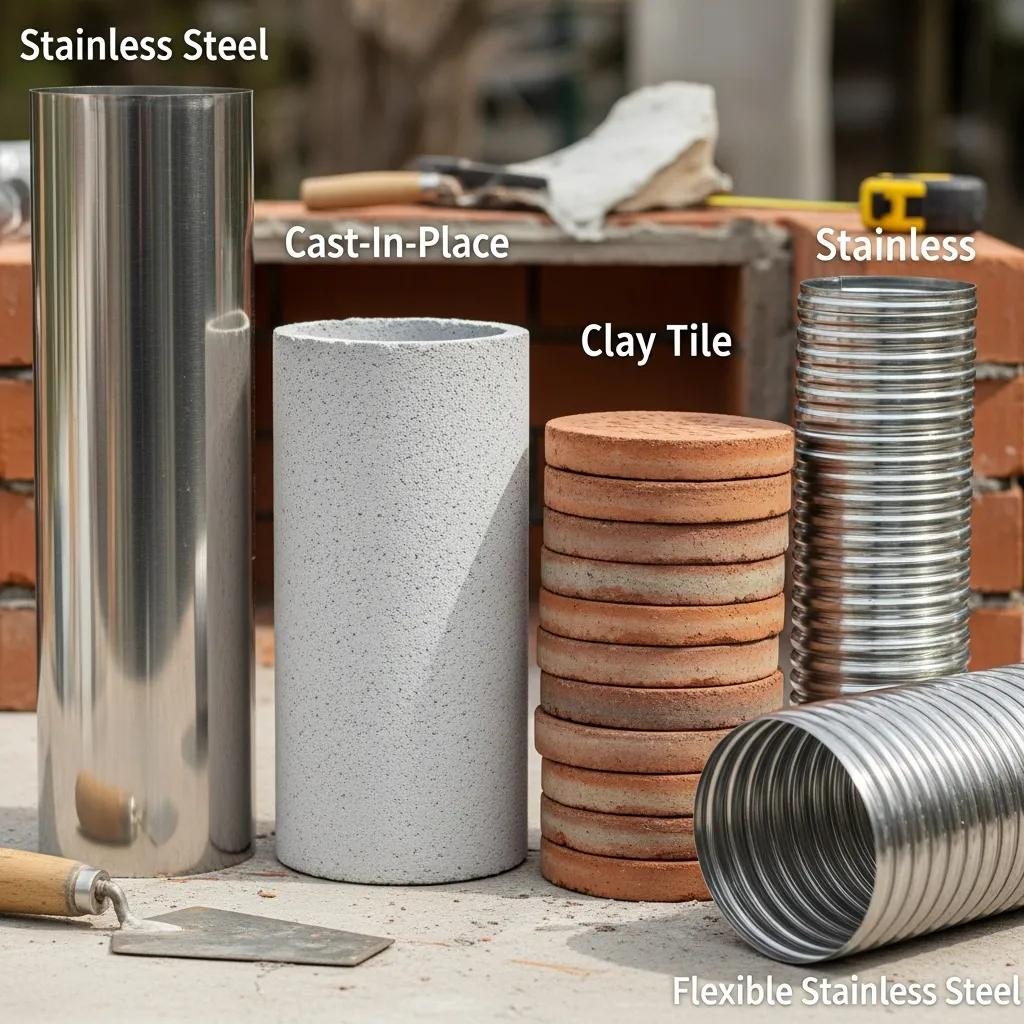
variety of chimney liner types including stainless steel cast in place clay tile and flexible liners 0ef73868 7dd3 4668 b213 ac8b62aa24a2

Different liner materials fit different appliances, chimney conditions, and homeowner goals. The main choices are stainless steel liners, cast-in-place (pumpable) relining, original clay tile liners, and flexible stainless liners. Stainless steel is a common, durable, cost-effective option. Cast-in-place creates a seamless, reinforced lining for badly deteriorated flues. Clay tile is typical in older chimneys but can crack and often needs replacement. Flexible stainless liners make retrofits easier when the flue has bends or limited access. Installers choose based on appliance type (wood, gas, oil), chimney shape, accessibility, and the durability you want.

Below is a simple comparison to help you weigh durability, cost, installation time, and best-use cases.

The table compares typical liner choices and their practical implications.

Liner TypeDurability & LifespanTypical Cost RangeBest Use Case
Stainless steel chimney linerGood corrosion resistance; long service life when sized correctlyModerateWood stoves and gas appliances where a metal liner fits the existing flue
Cast-in-place (pumpable) reliningSeamless, structural barrier; very durableModerate to higherHeavily damaged masonry or irregular flues that need structural repair
Clay tile (original masonry liner)Common in older chimneys but prone to cracking and gapsLower material cost; repairs can be costly if failingOlder chimneys where tiles remain intact and properly seated
Flexible stainless linerResists corrosion; works well in curved or hard-to-reach fluesModerate to lowRetrofits with bends or limited roof access

For many Greenville homes, stainless steel and cast-in-place options deliver the best long-term protection. Clay tile may still be OK if the tiles are sound, but cracked or missing tiles usually mean replacement is needed.

When to Consider Chimney Liner Replacement or Relining

Consider replacement or relining when an inspection finds cracks, corrosion, collapsed sections, heavy creosote, or when you change appliances and need a different liner size or type. Relining is a good solution when the flue’s inner surface is compromised but the chimney’s structure is still sound—adding a new liner restores venting and can delay a full masonry rebuild. Insurance and safety rules often require repair when inspectors document material failure that raises fire or carbon monoxide risk. Follow inspection frequency recommendations—typically annual for active wood-burning systems and periodic for gas appliances. Timely relining protects masonry from acidic condensate and keeps your chimney functioning safely.

Signs Your Chimney Liner Needs Repair or Replacement
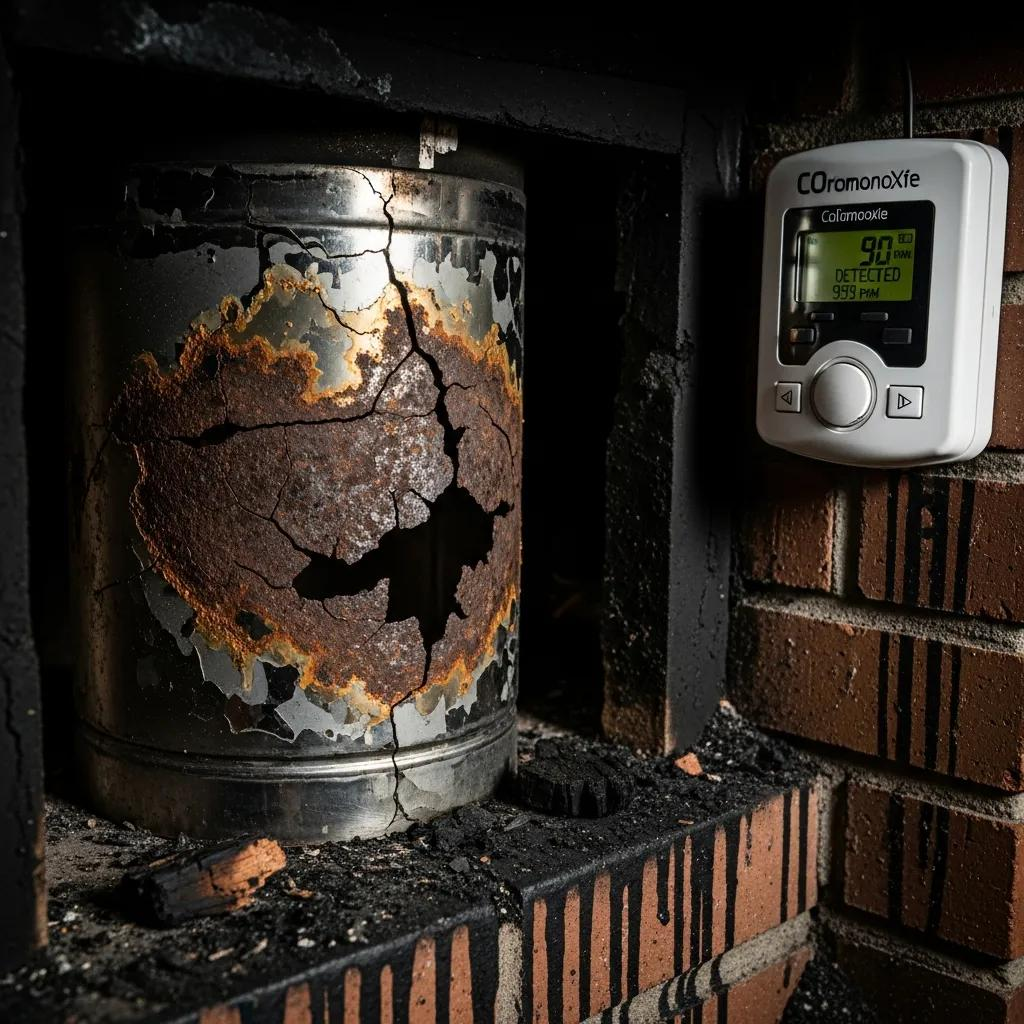
damaged chimney liner with cracks and corrosion indicating need for repair 86e7c1b2 3393 49bd 9b7c 2fc6eb297e50

Look for visible or performance signs of liner failure: cracks or missing sections inside the flue, smoke backing into the room, stubborn soot or staining around the fireplace, and lingering odors after use. Inspectors also watch for hidden problems like flue collapse, corroded metal liners, or heat damage to nearby framing—any of which can lead to immediate repair recommendations. If carbon monoxide alarms trigger while appliances run or you’ve had creosote fires, stop using the appliance and call a professional right away. Early detection prevents fires and dangerous gas infiltration.

How Relining Extends Your Chimney’s Life

Relining gives your chimney a continuous, durable barrier between combustion byproducts and masonry, preventing acidic condensate and heat from eroding bricks and mortar. A correctly sized, smooth liner reduces creosote buildup and improves draft, easing stress on the chimney and appliances. Different materials extend life by different amounts—stainless steel liners can last for decades, while cast-in-place relining can provide a long-term structural solution for badly damaged flues. Choosing relining instead of a full rebuild can delay a big expense while delivering measurable safety and performance gains; pairing relining with targeted masonry repairs often produces the best long-term result.

How Much Should You Expect to Pay for Chimney Liner Installation and Repair in Greenville, SC?

Prices in Greenville vary widely depending on liner material, chimney condition, accessibility, and whether additional masonry repairs or caps are required. Major cost drivers include the liner type (stainless steel vs. cast-in-place), chimney height and roof access, repairs to the crown or flue, and permits or specialized labor. The table below outlines common cost drivers to help you set realistic expectations before scheduling an inspection.

Common cost drivers and typical price implications for chimney liner projects.

Cost DriverAttributeTypical Value
Liner materialStainless steel vs. cast-in-place vs. flexibleStainless steel: moderate; Cast-in-place: higher
Chimney conditionNeed for masonry repair or flue patchingAdds material and labor costs
AccessibilityRoof pitch, height, and obstructionsHigher labor for difficult access
Appliance typeWood vs. gas vs. oilWood and multi-fuel setups often need larger liners

After reviewing these factors, get on-site estimates to capture unique chimney issues—remote descriptions rarely reveal hidden deterioration that affects price. Comparing quotes with the same scope helps you avoid surprises during installation or repair.

What Drives Chimney Liner Cost in Greenville?

Material choice is a top factor: stainless steel and flexible stainless liners usually cost less than full cast-in-place relining, though cast-in-place can justify a higher upfront cost with structural benefits. Labor and access—steep roofs, tall chimneys, or cap removal—add time and expense because of extra safety measures and equipment. Masonry repair, permit fees, and code-related work increase totals, as do add-ons like caps, dampers, or integrating relining with other venting changes. For example, a simple stainless-steel liner in an easy-to-access chimney will be far less costly than cast-in-place relining combined with crown repair on an older stack.

Affordable Options That Don’t Cut Corners on Safety

You can control costs while protecting safety by focusing on essential repairs, choosing mid-grade stainless-steel liners for many situations, and bundling inspection, cap installation, and minor masonry patching in one visit. Look for seasonal offers, financing from reputable providers, and get multiple on-site quotes to compare value. Avoid cheap temporary fixes or unlicensed installers—poorly sized or improperly sealed liners create bigger risks and costs over time. Balance upfront price with expected lifespan and warranty coverage to get the best long-term value.

When you’re ready for a clear price, MD Heating & Air Conditioning offers on-site inspections and estimates tailored to Greenville homes. Their inspection documents the right liner type, notes masonry issues, and delivers transparent recommendations so you can weigh cost and longevity. An on-site visit is the only way to get an accurate quote and prioritize safety and code compliance.

Why Hire Professional Chimney Repair Services in Greenville, SC?

Professional chimney repair ensures work follows safety standards, reduces liability, and improves the long-term reliability of your venting system. Certified technicians spot hidden problems—partial flue collapse, improper clearances, or unseen corrosion—that a quick homeowner check can miss. Pros install proper materials, airtight seals, and correct termination hardware to promote draft and prevent water intrusion, which protects indoor air quality and lowers future repair bills. Professional work usually comes with documentation and limited warranties or follow-up support, giving homeowners confidence that repairs meet safety and performance expectations.

How Certified Technicians Install Chimney Liners Correctly

Certified technicians use a step-by-step approach: a full inspection and flue measurement, selecting the correctly sized material, installing the liner with sealed connections and supports, and post-installation testing to confirm draft and leak-free operation. They also check related parts—the damper, crown, cap, and throat—to make sure the liner works as part of a complete venting system. Tests may include smoke or draft checks, and technicians provide written documentation so you understand what was done and any follow-up needed.

MD Heating & Air Conditioning uses certified technicians who follow safety-first procedures and provide clear documentation and next-step recommendations after every visit. Their process is built to give homeowners a trustworthy assessment and a transparent plan for liner installation or repair.

Which Safety Standards and Local Codes Apply in Greenville?

Chimney work follows national safety guidance—such as NFPA recommendations and accepted venting practices—and local building department permit and inspection rules that protect homeowners and help meet insurance requirements. Compliance includes correct clearances to combustibles, proper liner sizing for the appliance, proper termination above the roofline, and corrosion-resistant materials when needed. Local permit processes vary, so professionals will advise you on permit needs and provide written inspections to maintain insurance coverage. Following standards reduces the risk of fire and carbon monoxide incidents and helps preserve property value and insurability.

How to Choose the Right Chimney Liner Installation and Repair Company in Greenville, SC

Pick a company by checking credentials, experience with the liner types you need, clear written estimates, warranty details, and customer feedback. A homeowner-focused hiring checklist helps you compare providers on technical skill (stainless steel and cast-in-place experience), inspection thoroughness, permit handling, and post-installation testing. Local specialists understand Greenville construction and typical chimney issues, which helps when sizing liners and predicting masonry needs. The checklist below shows what to verify for each credential so you can validate contractor claims and choose a company that prioritizes safety and transparency.

Verification checklist mapping credentials and what homeowners should confirm.

What to VerifyAttributeWhat to Ask or Look For
Licensing & InsuranceLiability and worker coverageRequest proof of liability insurance and worker’s comp
ExperienceYears or examples with liner typesAsk for recent examples of stainless-steel and cast-in-place projects
Written EstimatesScope, materials, exclusionsEnsure quotes list liner type, labor, and any required repairs
Warranty & Post-ServiceWorkmanship guaranteesConfirm what the warranty covers and its duration

Use this checklist to keep conversations focused and avoid common hiring mistakes like accepting vague verbal promises instead of a written scope and guarantees.

Key Questions to Ask Before Hiring a Chimney Service Provider

Before you hire, ask about the technician’s experience with the liner types you’re considering, whether they perform full inspections with written reports, what warranties cover labor and materials, and who handles permits and code compliance. Request sample documentation or a brief outline of their installation and testing steps, and ask for a clear timeline and payment schedule. Watch for red flags: unclear sizing, reluctance to provide references, or no written estimate. A reputable provider will answer these questions directly and offer a transparent plan that fits safety and performance goals.

Important questions to compare providers:

  1. What liner materials do you install and why?
  2. Will you perform a full inspection and provide a written estimate?
  3. What warranties cover workmanship and materials?
  4. Do you secure permits and arrange inspections if required?

These questions help you choose contractors who emphasize thorough inspection, clear documentation, and code-compliant installations.

How to Verify Credentials and Read Customer Reviews for Chimney Experts in Greenville

Verify credentials by requesting proof of insurance, written records of training or trade memberships, and checking online business listings and local review sites for consistent, recent feedback. Look for reviews that describe similar projects—stainless-steel installs, relining, or masonry repairs—and ask for references from comparable jobs. Call references and ask about timeliness, communication, and follow-up service to confirm claims. Also check whether the contractor provides written warranties and post-service paperwork—those are good signs of professionalism and accountability.

After vetting credentials and reviews, invite a shortlist of providers for on-site estimates and compare written proposals carefully to find the best fit.

MD Heating & Air Conditioning appears locally and uses a documented inspection and estimate process that helps Greenville homeowners verify scope, materials, and next steps before committing to liner installation or repair. Checking the company’s public business profiles can also provide homeowner perspectives and example projects.

Frequently Asked Questions

What is the average lifespan of a chimney liner?

Liner lifespan varies by material and conditions. Stainless-steel liners commonly last 15–30 years, while cast-in-place systems can exceed 30 years with proper care. Clay tile liners in older chimneys may last around 50 years but are more prone to cracking and may need replacement sooner. Regular inspections and maintenance help extend any liner’s service life.

How often should I have my chimney liner inspected?

Have your chimney inspected at least once a year if you burn wood regularly. For gas appliances, inspections can be less frequent—typically every two to three years. If you notice issues like smoke backing up or unusual odors, schedule an inspection right away. Routine checks catch problems early and keep your chimney safe and efficient.

Can I install a chimney liner myself?

DIY liner installation is generally not recommended. Correct sizing, sealing, and code compliance are critical for safety. Certified professionals have the tools and experience to spot hidden issues and ensure the liner is installed properly. Hiring a pro also usually provides warranty protection and peace of mind.

What are the risks of not having a chimney liner?

Without a chimney liner you face higher risks of chimney fires, carbon monoxide entering your home, and structural damage. Combustion gases can escape into living spaces, and heat transfer to nearby materials can raise fire risk. A properly installed liner protects your home and keeps exhaust vented safely outdoors.

What should I do if my chimney liner is damaged?

If you suspect liner damage, stop using the appliance and schedule a professional inspection immediately. Signs include visible cracks, smoke in the house, or odd odors. A certified technician will assess the damage and recommend repair or replacement options. Acting quickly prevents further damage and reduces safety risks.

Any maintenance tips for chimney liners?

Keep your liner in good shape by scheduling regular inspections and cleanings, especially for wood-burning systems. Make sure the chimney cap is intact to keep out debris and animals. Avoid burning unseasoned wood—wet wood produces more creosote. Check for damage after severe weather. Routine care improves safety and appliance efficiency.

Conclusion

Professional chimney liner installation and repair make your Greenville home safer and more efficient. Knowing the different liner types and the signs of wear helps you make informed choices that protect your family and your property. Don’t wait for a small issue to become a big problem—schedule an inspection to confirm your chimney’s condition and explore solutions that fit your needs.